10 UK Garage Tracks That Missed Global Stardom
London, 1997. A humid night in a basement club near Elephant and Castle smells of sweat and cheap cologne. The air vibrates with a heavy, 4x4 kick drum that hits your sternum like a rhythmic punch. Producers mutated UK Garage tracks from US house imports into something distinctly British. They took the soulful warmth of New York garage and injected it with a gritty, London edge. They traded smooth transitions for jagged syncopation and sub-bass that rattled the teeth of every dancer in the room.
Double 99 released "Ripgroove" on XL Recordings that same year. The track climbed to number 7 on the UK Singles Chart and remains the gold standard for the harder, bass-heavy 4x4 style. It lacks the polished pop sheen of later years. Instead, it offers a raw, aggressive energy that defines the genre's more muscular side. The genre's DNA contains both the smooth swing of 2-step and the punishing weight of jungle-adjacent basslines.
Zed Bias pushed that boundary even further with his "Black Motion" EP on Moving Shadow in 1999. This release bridged the gap between the frenetic breaks of drum and bass and the emerging garage swing. He moved away from the predictable loop. His production felt like a structural shift in how London producers approached rhythm. He proved that garage could be as dark and experimental as the jungle scene that birtred it.
The Pirate Radio Roots of London
Antennas perched on South London council estates broadcast signals that bypassed every legal regulator. These makeshift towers carried the sound of the underground directly into bedrooms across the FM frequencies. Pirate radio provided the only way to hear the latest white labels before they hit the shops. It was a lawless, electric medium that demanded constant movement and technical skill. DJs fought for signal strength against the police and competing stations using transmitters hidden in high-rise flats.
DJ EZ mastered this medium through his legendary sets and his label, EZ Records. Starting in the late 1990s, his "UK Garage" compilation series provided the essential blueprint for the genre's transition from pirate radio to physical media. He took the ephemeral energy of a live broadcast and pressed it into something permanent. His compilations acted as a luxury guidebook for fans who missed the live FM frequencies. He turned the chaos of the airwaves into a curated, collectible experience.
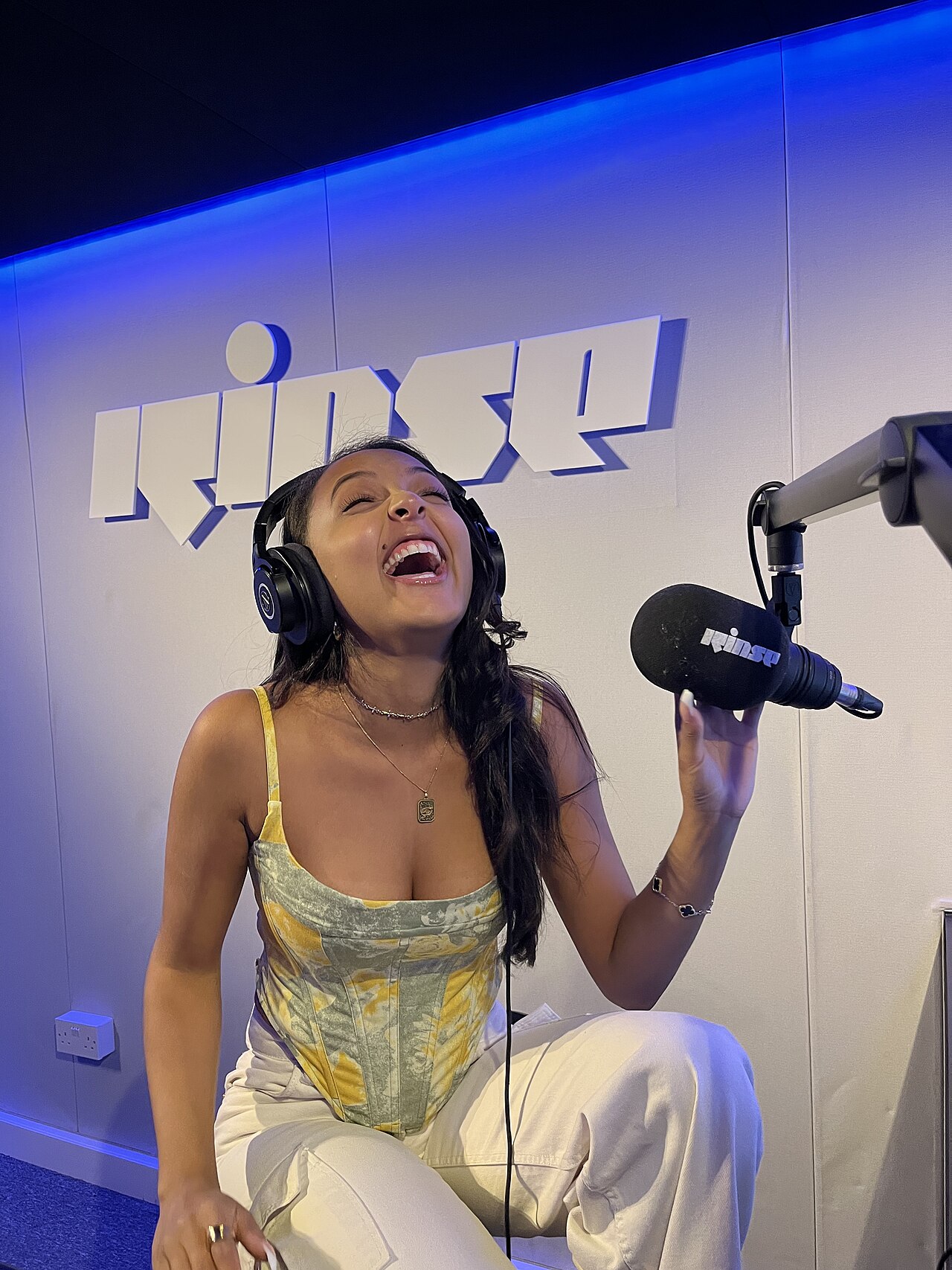
Rinse FM operated out of gritty, makeshift studios in East London during this period. These spaces lacked luxury but possessed immense character. Producers and DJs like Toddla BD frequently cite these broadcasts as the foundational pulse of the movement. The broadcasts were more than music; they were community announcements. They announced which clubs were hosting the biggest nights and which MCs were currently dominating the scene. If a DJ played a new white label from a producer in Lewisham, the entire borough knew within minutes.
"The energy of those pirate sets was enough to make you feel the bass through a cheap radio speaker, even in the middle of a crowded estate."
Anjunée played a massive role in this ecosystem by helping curate sounds for various white label releases. These records found their way through London's Rhythm Division record shop. This shop acted as a physical hub for the culture. If you wanted the newest, most unreleased heat, you went to Rhythm Division. The connection between the radio, the record shop, and the dancefloor created a closed loop of pure, unadulterated influence. The shop was a place where the scent of fresh vinyl and the chatter of hungry producers met.
The culture thrived on exclusivity and speed. A track could be recorded in a bedroom on an Alesis SR-16 drum machine in the morning and spinning on Kiss FM or Rinse by midnight. This rapid cycle prevented the music from stagnating. It forced producers to innovate constantly. You could not rely on the same drum pattern for six months because the next wave of producers would already be stripping it down and reassembling it into something entirely new.
The Swing of the Akai MPC
London studios in the late 90s sounded like a workshop for percussion. Producers like MJ Cole and Grant Nelson spent hours hunting for the perfect swing. They did not just program beats; they sculpted them. The magic happened within the Akai MPC series samplers. These machines allowed producers to manipulate timing with surgical precision. They moved away from the rigid, robotic grids of standard house music.
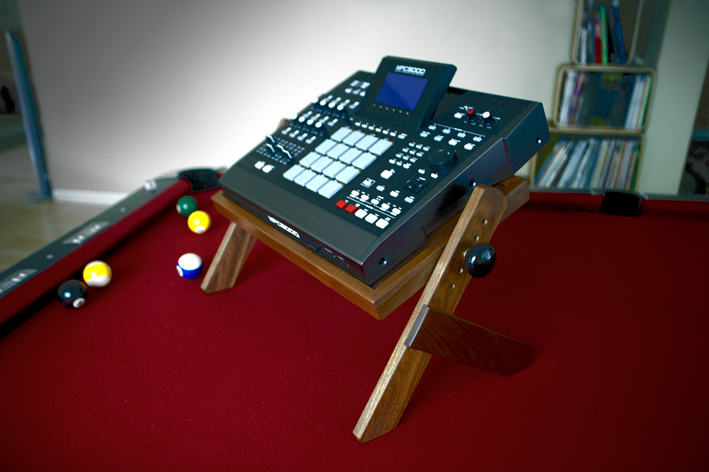
The MPC allowed for the creation of those syncopated, off-kilter percussion patterns. These patterns defined the 2-step garage sound that would soon dominate the charts. You could hear the slight delay in the hi-hats.
You could feel the way the snare landed just a millisecond behind the beat. This "swing" gave the music a human, breathing quality. It made the tracks feel like they were dancing with the listener rather than just playing at them. It was a rhythmic tension that kept the feet moving.
Grant Nelson utilized these tools to build tracks that felt both sophisticated and heavy. The production on the "United Masters" compilation shows this exact era of technical mastery. The drums do not just hit; they skip and hop. It is a rhythmic complexity that requires deep listening to fully appreciate. You can hear the influence of jazz and funk rhythms being recontxtualized through digital sampling technology. He treated every kick drum like a percussion instrument in a live band.
The Korg M1 synthesizer provided the melodic backbone for much of this era. Its iconic organ and piano presets live in the DNA of early 2-step anthems. That bright, percussive piano stab is instantly recognizable. It cuts through a heavy bassline with ease. When a producer layered an M1 piano riff over an MPC-driven beat, they created a signature that defined a generation of London clubs. This sound was bright, clean, and undeniably expensive-sounding, despite the humble origins of the hardware.
Sampling techniques often involved chopping up old soul records on the Akai S950. Producers searched for that specific moment of vocal breath or a horn swell. They would pitch these samples up, creating a higher, more energetic tension. This sped-up soul aesthetic gave the genre its characteristic warmth. It felt like a summer afternoon in London, even when the tracks were playing in a dark, cold warehouse. The hardware limitations actually forced a more creative approach to melody.
The 4x4 Bassline Revolution
Heavy basslines changed the physical experience of the dancefloor. In the mid-90s, the focus shifted toward a more relentless, driving rhythm. This was not the subtle swing of 2-step. This was the 4x4 stomp.

It demanded a different kind of movement. It focused on the sheer weight of the low-end frequencies. The bass did not just sit in the mix; it dominated it. It pushed the air out of the lungs of the crowd.
Double 99's "Ripgroove" remains the peak of this aggressive approach. The track uses a thick, undulating bassline that feels like a physical presence in even the more crowded rooms. It does not rely on complex melodies to keep your attention.
It relies on the sheer, visceral power of the sub-bass. This style of production pushed the limits of what club sound systems could handle. It forced engineers to rethink how they balanced high-end crispness with low-end destruction. If the bass was too loud, the whole room would shake.
Many producers during this period moved away from the smoother US garage influences. They wanted something that reflected the harder edges of London life. The 4x4 style incorporated elements of jungle and dancehall.
It brought a ruggedness to the genre that made it impossible to ignore. You could not dance to this music with a polite sway. You had to move with the weight of the kick drum. It was a sound that demanded total physical commitment from the dancer.
The production of these tracks often involved pushing the limits of analog gear. Producers pushed their mixers into the red to get that specific harmonic distortion. This grit added a heavy layer of texture that clean, digital productions lack. The bass felt warm, saturated, and slightly dangerous. It was a sound born from the necessity of making a small studio sound like a massive warehouse. This saturation gave the tracks an organic, almost living quality.
Foundations of this sound rested on the use of the Roland TR-808. The long, decaying sub-bass notes of the 808 provided the perfect canvas for the 4x4 beat. Producers would layer these with heavy, compressed kicks to create a wall of sound. It was a brutal, effective method. When the bass dropped, the energy in the room shifted from excitement to pure, unadulterated intensity. It was the sound of a genre finding its own teeth.
The Rise of the 2-Step Era
The late 90s brought a shift toward the smoother, more syncopated 2-step sound. This was the era of the superstar garage vocalist. The rhythms became more sparse, leaving more room for melody and lyrics. This shift allowed the genre to move from the underground into the mainstream consciousness. Suddenly, garage appeared on daytime radio and in the shopping malls. The grit was replaced by a glossy, radio-friendly sheen.
Artful Dodger became the face of this movement. Their 1998 track "Flowers" featured MC DT, a staple of the London club scene. The track reached number 14 on the UK Singles Chart. It possessed a melodic charm that appealed to a much wider audience. While it retained the garage swing, it embraced a pop sensibility that felt accessible without losing its club credibility. It was a polished version of the underground sound.
Nothing defines this era quite like "Re-Rewind" by Artful Dodger featuring Craig David. Released in 1999 on Relentless Records, the track peaked at number 12 on the UK Singles Chart. It remains a definitive moment in the genre's mainstream crossover. Craig David's smooth, R&B-inflected vocals sat perfectly atop the skippy, 2-step beat. It was a perfect marriage of underground rhythm and pop stardom. The track felt like a victory lap for the entire scene.
DJ Luck & MC Neat also contributed to this era's chart success. Their 1999 track "I Need Your Love," released on Rinse FM-affiliated labels, hit number 13 on the UK charts. The track captured the celebratory, upbeat side of the 2-step movement. It featured the energetic, rapid-fire MC style that the pirate radio scene had perfected. It was music designed for the peak hour of a club night. The energy was infectious and impossible to resist.
This period saw a massive influx of talent into the garage scene. Producers no longer just made tracks; they created hits. The production quality increased as more investment flowed into the genre.
Some purists felt that the smoothness of 2-step diluted the raw energy of the earlier 4x4 and jungle-influenced garage. They missed the unpredictability of the heavier, more broken rhythms. They saw the charts as a graveyard for the genre's soul. They were not entirely wrong.
The tension between the underground and the mainstream defined the era. You had producers making tracks for the clubs and producers making tracks for the radio. The gap between the two was widening. While the 2-step tracks brought fame and money, the 4x4 tracks kept the clubs alive. This duality created a fertile, if fractured, environment for musical experimentation. The struggle to stay authentic while seeking success was palpable in every release.
The Underground Legacy of Rinse FM
Rinse FM remains the heartbeat of London's underground electronic music. Even as the genre evolved into grime and later into dubdubstep, the station's influence never waned. It provided the training ground for a generation of DJs. The station's ability to pivot with the sounds of the street kept it relevant. It documented a changing culture. It was a living archive of the London sound.
The transition from pirate radio to licensed broadcasting presented a massive hurdle. Many original pioneers had to adapt to a moving target. Yet, the spirit of those early, illegal broadcasts remained. The connection to the East London streets never faded. The station continued to champion the sounds that emerged from the same neighborhoods that birtred the genre. The station's identity was tied to the pavement and the concrete.
Later producers, including Toddla BD, frequently look back at that era for inspiration. The foundation of the UK garage movement is inseparable from the Rinse FM airwaves. The station's archives act as a roadmap of London's sonic evolution. You can trace the lineage from garage to grime to the global explosion of UK bass music. It is a continuous thread of innovation and rebellion. The music never truly stopped; it just changed its shape.
The legacy of these UK Garage tracks lives on in the DNA of modern electronic music. You hear the 2-step swing in modern garage revivals. You hear the 4x4 weight in the heavy bass of grime and drill. The genre's refusal to stay in one lane ensured its survival. It was a constantly mutating organism that refused to be contained by the charts or the law. It was a sound that belonged to the people, not the labels.
The tracks that missed global stardom are often the most important. They provided the texture and the grit that the polished hits lacked. They were the experiments that failed to chart but succeeded in changing the way we hear rhythm. Without the raw energy of the underground, the mainstream crossover would have had nothing to build upon. The true history of the genre lives in the white labels that never made it to number one. They are the hidden foundations of everything we hear today.
London's underground was never about reaching the top of the charts. It was about the moment the bass hit the floor and the room went silent. It was about the sweat, the bass, and the sheer, unadulterated joy of a beat that shouldn't work, but does. Those missed hits remain the true pulse of the city.