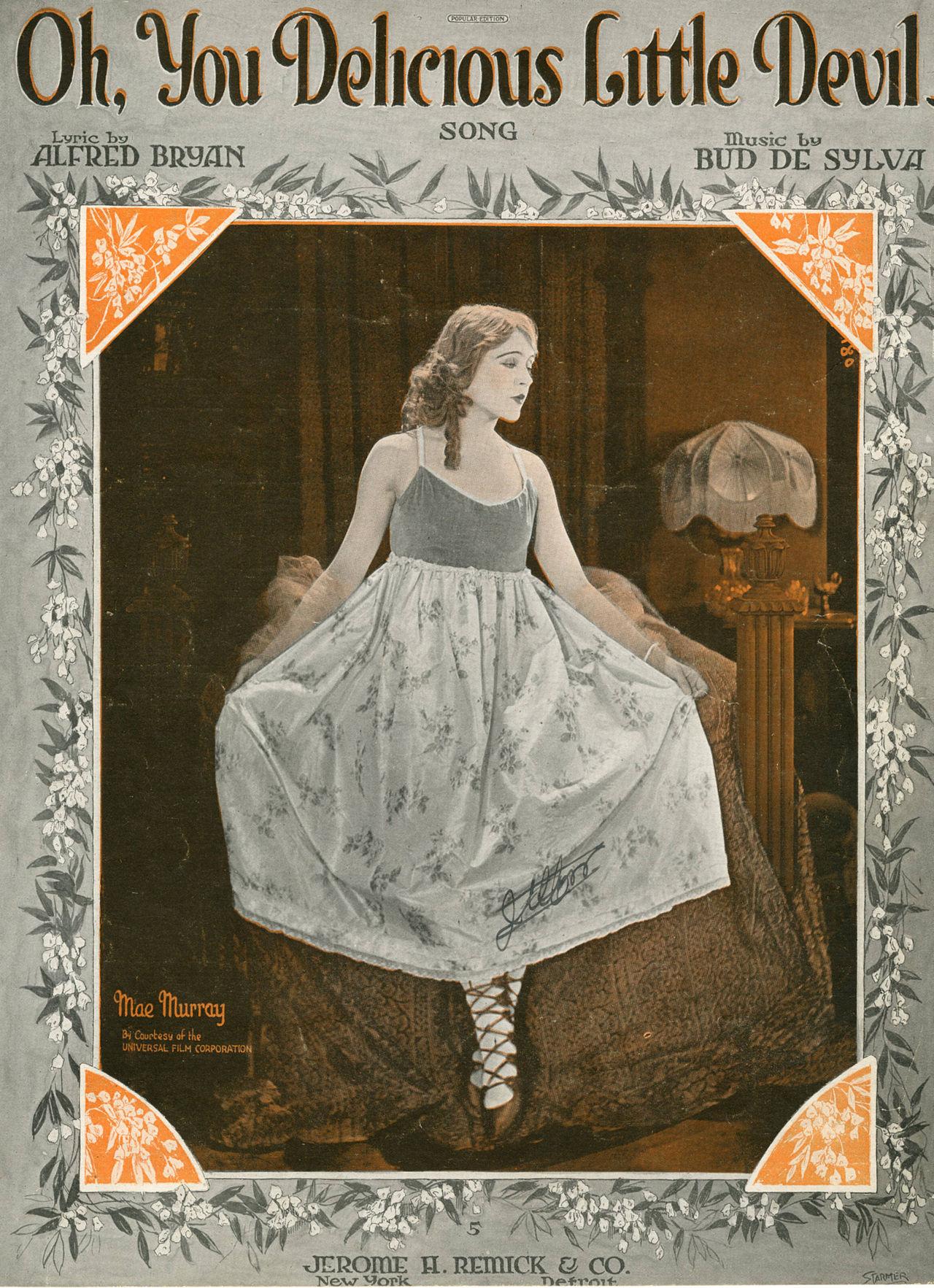
The Devil in Music: The Ban on the Tritone
A single, jagged note rings through a cold stone cathedral in 1025. This sound refuses to sit still. It vibrates with a frantic, unstable energy that resists the calm of a prayer. This specific interval, an augmented fourth or a diminished fifth, feels like a physical itch. It sounds like a structural collapse in progress. This is the terrifying reality of the tritone, an interval so fraught with tension that medieval theorists branded it Diabolus in Musica.
To the medieval ear, the tritone was not a metaphor. The interval felt inherently wrong because it lacked the mathematical purity found in an octave or a perfect fifth. It creates a sense of dread that lingers long after the note fades. It sounds like a glitch in the fabric of creation itself.
Listeners today might dismiss this as mere superstition. We live in an era of heavy metal distortion and dissonant jazz where tension serves as our primary currency. Yet, the history of this interval reveals a deep-seated fear of instability. For centuries, the Church viewed this specific frequency as a direct assault on the divine order of the universe.
Physics dictates the tension of the sound itself. When a musician plays a C and an F-sharp on a pipe organ, the frequencies do not align in a clean, pleasing ratio. They clash. The waves interfere with one another, creating a beat frequency that sounds like a rhythmic pulsing or a grinding sensation. It is an auditory bruise.
The Sound of Forbidden Tension
The human ear craves resolution. When we hear a dominant seventh chord, our brains naturally wait for the tonic to arrive. We feel the pull of the fifth toward the root. The tritone provides no such comfort. It acts as a knot that refuses to untie, leaving the listener suspended in a state of permanent anxiety.
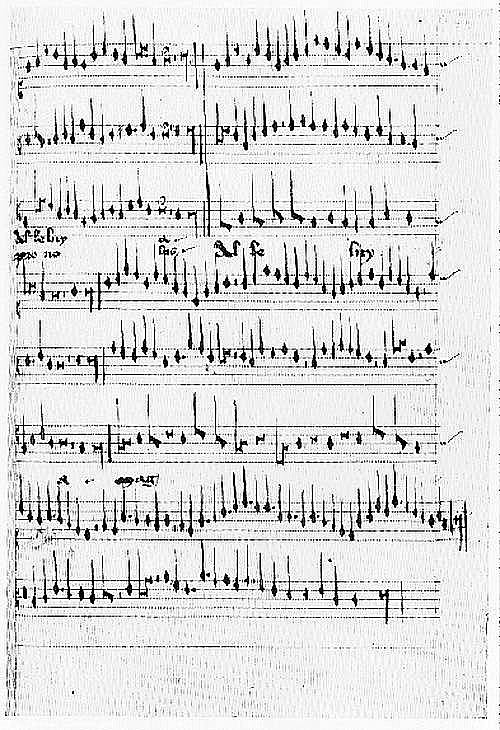
Mathematical perfection governed the early Western musical mind. A perfect fifth relies on a simple 3:2 ratio of frequencies. An octave relies on a 2:1 ratio. These numbers are clean. They represent a stable, predictable relationship between two tones. The tritone breaks this pattern with an irrational, complex ratio that defies easy categorization.
This instability manifests as a physical sensation of movement. A tritone demands that one note move to a more stable neighbor. It creates a directional force that drives music forward. In the hands of a master, this drive is essential for drama. In the hands of a monk, this drive felt like a loss of control.
The interval functions like a crack in a dam. You can hear the pressure building behind the note. It pushes against the surrounding harmonies, trying to force a change in the harmonic structure. This is why it feels aggressive. It is not a passive sound; it is an active, demanding disturbance.
Early theorists viewed this lack of stability as a moral failing. If music was meant to even the scales of God, then any sound that lacked mathematical stability was inherently sinful. The tritone represented the chaos that exists outside of the divine plan. It was the sonic embodiment of the unmaking of the world.
"The tritone is an interval that possesses no stable foundation, creating a tension that necessitates a resolution to a more consonant state."
This need for resolution makes the interval useful in modern composition. We use it to build suspense in film scores. We use it to create the "blue" notes in blues and jazz. Without this tension, music would lose its ability to express struggle, pain, or the unknown. We have simply learned to harness the devil rather than exorcise him.
Guido of Arezzo and the Micrologus
Guido of Arezzo sat in his monastery in the early 11th century, obsessively documenting the mechanics of melody. He was a man of logic and deep, disciplined study. His treatise, Micrologus, written around 1025, attempted to codify the chaos of plainchant into a usable system for singers. He did not just write about melodies; he analyzed the very fabric of sound.
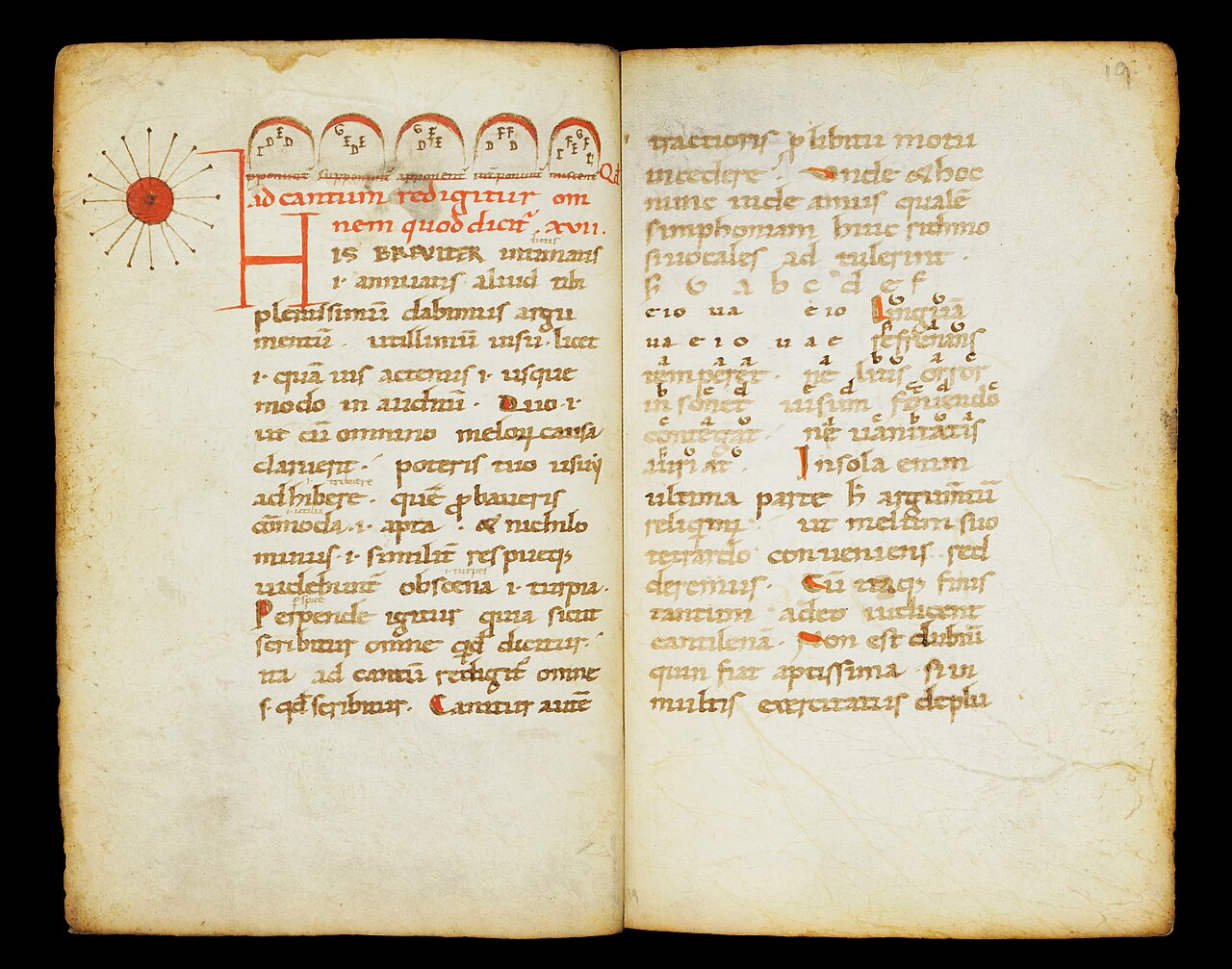
Guido understood the terrifying power of dissonance. He saw how certain intervals could disrupt the meditative state required for liturgy. His work focused on the mathematical tensions of intervals, noting how some sounded smooth while others felt jagged. He documented the way the ear perceives the friction of clashing frequencies.
The Micrologus provided the groundwork for what would become Western music theory. Guido looked at the physics of the interval. He recognized that the tritone lacked the harmonic clarity of the perfect intervals. To Guido, this was a problem of pedagogy and theology. If a student could not find stability in the note, they could not find peace in the prayer.
He used the mathematical properties of intervals to categorize sounds. He saw the octave as the ultimate stability. He saw the fifth as a strong, supporting pillar. The tritone, however, was a structural flaw. It was a gap in the logic of the scale that could lead a singer astray.
Guido's influence stretched far beyond the walls of his monastery. By defining the rules of consonance, he also defined the boundaries of the forbidden. He gave theorists the language to describe why certain sounds felt "wrong." This language would eventually allow the Church to police the very air of the cathedral.
His system of solmization, which gave us the basis for Do-Re-Mi, aimed to bring order to the voice. It was an attempt to tame the wandering melody. By providing a framework for pitch, he sought to eliminate the ambiguity that allowed for much-needed, but potentially dangerous, melodic freedom.
The Council of Trent's Purge
The year 1545 marked the beginning of a massive religious and cultural crackdown. The Council of Trent convened to address the perceived corruption within the Catholic Church. This was the heart of the Counter-Reformation. The Church leaders were not just worried about theology; they were worried about the very way the Mass was being sung.
Clergy members complained that the polyphony of the era had become too complex. They argued that the overlapping of voices made the sacred texts impossible to understand. They called these elements "lascivious." The music was becoming a distraction from the word of God. It was becoming too much about the performer and not enough about the prayer.
The Council sought to purify the liturgy. They wanted to strip away any musical flourish that obscured the Latin text. This meant a direct crackdown on dissonance and complex intervals. The tritone, which had long been a highly charged source of tension, became a primary target for this purification. The Church wanted a return to clarity.
This movement changed the trajectory of Western composition. It forced composers to prioritize transparency. The goal was a style where the melody remained prominent and the harmonies remained stable. Any interval that caused a "distraction" through excessive tension invited suspicion.
The Council's decrees were not mere suggestions. They were mandates that shaped the production of music for decades. Composers working in major Italian cathedrals had to ensure their works met these new standards of intelligibility. The era of experimental, dissonant polyphony faced strangative pressure from the need for liturgical purity.
This period created a tension between artistic expression and religious duty. Composers wanted to explore the limits of what could be sung. The Church wanted to ensure that no listener was ever lost in the sound. The result was a highly controlled, incredibly beautiful, but strictly regulated musical style.
Johannes Ockeghem and the Art of Avoidance
Johannes Ockeghem worked in the late 15th century, a period of immense musical complexity. As a Franco-Flemish composer, he operated at the height of the polyphonic tradition. His music is a dense thicket of intertwining voices. It is a masterpiece of sonic architecture that often feels like it is breathing on its own.
Ockeghem was a master of the edge. He knew exactly how far he could push the boundaries of dissonance without breaking the rules. His compositions often feature voices that move in highly independent, sometimes clashing, paths. He used the tension of intervals to create a sense of flowing, continuous motion.
He avoided the tritone with the skill of a tightrope walker. He would use intervals that suggested the presence of the forbidden, only to resolve them quickly into something stable. This created a sense of constant, subtle unrest. The music never felt stagnant, yet it never fell into the "sinful" trap of unresolved tension.
His textures are thick and often difficult to untangle. One voice might hold a long, steady note while another weaves a rapid, agitated pattern around it. This creates a rhythmic friction that mimics the tension of the tritone without explicitly using the interval. He achieved drama through structure rather than through forbidden notes.
Listening to Ockeghem feels like navigating a dense forest. You can sense the danger in the shadows, but the path remains clear. He used the rules of the era to create a sense of profound mystery. He understood that the avoidance of the tritone could actually heighten the impact of the moments when tension was briefly allowed to peak.
His work represents the peak of what was possible before the stricter regulations of the late Renaissance took hold. He pushed the limits of polyphony. He proved that complexity did not require the abandonment of musical order. He was an architect of sound who understood both the pillars and the gaps.
Palestrina and the Primacy of Consonance
Giovanni Pierluigi da Palestrina emerged as the definitive voice of the post-Council of Trent era. His music is the gold standard of Renaissance polyphony. If you want to hear what the Church actually wanted, you listen to Palestrina. His style features a smooth, seamless flow of melody and a complete absence of jarring dissonance.
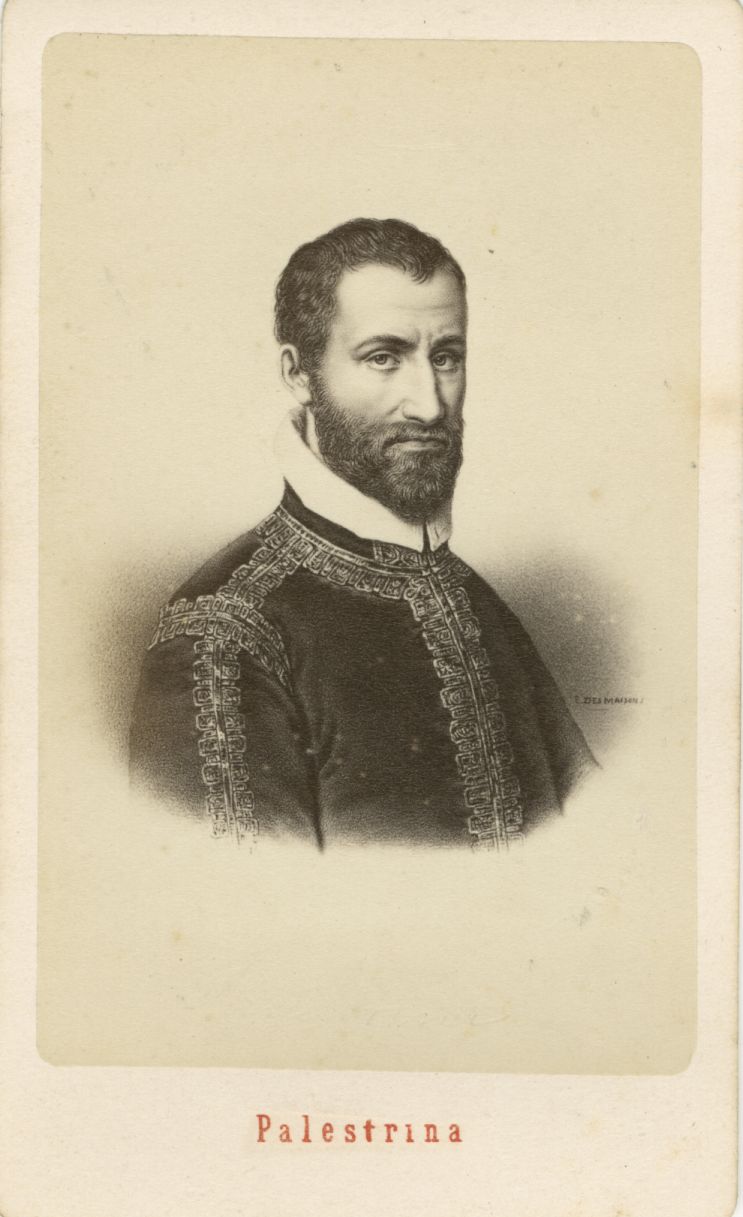
The "Missa Papae Marcelli," or Pope Marcellus Mass, stands as his most famous achievement. This work embodies the ideal of clarity and purity. The voices move in a way that is incredibly graceful. There are no sudden shocks. There are no jagged edges. Every note serves the text and the harmony.
Palestrina mastered the art of the controlled dissonance. He used small, passing dissonances that were strictly prepared and resolved. He treated the tritone not as a tool for drama, but as something to be entirely bypassed. The result is a sound that feels weightless and divine. It is music that has been scrubbed clean of all earthly anxiety.
This style created a sense of eternal stability. The music does not feel like it is moving toward a destination; it feels like it is simply existing in a single state of perfection. The lack of the tritone removes the sense of "urge" or "drive" that we find in later music. It replaces it with a sense of profound, unmoving peace.
Critics of the time might have found this style too polite. It lacks the grit and the struggle of the earlier Franco-Flemish masters. For the purpose of the Catholic Mass, however, it was exactly what was needed. It provided a sonic environment that encouraged contemplation rather than emotional upheaval.
Palestrina's influence on the development of Western harmony cannot be overstated. His rules for counterpoint became the foundation for music theory for centuries. He showed that you could create immense beauty through the careful management of consonance. He turned the avoidance of the "devil" into a high art form.
From Sacred Sin to Modern Jazz Tension
Claude Debussy changed everything in the late 19th and early 20th centuries. He did not care about the rules of the Council of Trent. He wanted to explore the color of sound. For Debussy, the tritone was not a sin; it was a pigment. He used it to create the hazy, impressionistic textures that define his work.
In pieces like "Voiles," the tritone creates a sense of floating, unresolved ambiguity. He breaks the need for resolution. He allows the tension to exist without the need for a landing. This was a radical departure from the centuries of tradition that demanded every tension find its way back to the tonic.
Jazz musicians took this even further in the mid-20th century. Players like Thelonious Monk used the tritone as a primary expressive tool. Monk's playing is full of jagged, percussive intervals. He embraced the "wrongness" of the augmented fourth. He used it to create a sense of wit, surprise, and rhythmic displacement.
The blues itself relies on the tension of the flattened fifth. This note is the modern descendant of the tritone. It provides the grit and the soul of the genre. When a blues guitarist bends a note toward that dissonant pitch, they tap into a centuries-old tradition of expressing pain through instability.
Modern music thrives on the very things the medieval church feared. We use dissonance to create depth. We use the tritone to signal danger, mystery, even humor. We have domesticated the "devil." We no longer fear the sound; we use it to tell more complex stories.
The history of the tritone is the history of musical freedom. It is the story of moving from a state of strict control to a state of expressive possibility. We have moved from the fear of the unresolvable to the celebration of the unresolved. The tension no longer threatens the order; it is the very thing that keeps the music alive.