Why Your Brain Fixates on Earworms
Pinkfong released "Baby Shark" in 2016 and hijacked the collective consciousness of the planet. The track dominates the Billboard Kids Singles chart with a relentless, high-pitched energy. It feels like a swarm of bees inside your skull. You cannot escape the repetitive "doo doo doo doo doo doo" refrain. This repetition bypasses your willpower entirely. This phenomenon explains why your brain fixates on earworms, turning a simple nursery rhyme into a permanent mental resident.
Toddlers and exhausted parents alike trap themselves in a loop of hyper-repetitive melodic structures. The song uses a simple, high-frequency melody that demands attention. It does not ask for your interest; it forces its way into your auditory processing. This specific track provides a case study for what scientists call high-repetition melodic triggers. The song spreads through sheer persistence like a virus.
The 2014 study published in Psychology of Music by researchers including Jakub Dobrzynski tracks how these specific musical features trigger mental loops. They found that a high-pitched melody or a repetitive rhythm acts as a catalyst. These elements create a loop that the brain finds difficult to terminate. The rhythm functions like a gear that has slipped its track and continues to spin in place.
Pinkfong's production uses bright, compressed sounds that hit the ear with immediate impact. There is no subtlety in the arrangement. Every beat lands with a sharp, digital clarity that leaves no room for mental drift. This intensity makes the song a primary driver of involuntary musical imagery. The track represents a neurological event rather than just a song.
The Science of Involuntary Musical Imagery
Dr. Victoria Williamson, a cognitive neuroscientist at the University of Chichester, identifies "involuntary musical imagery" (INMI) as the scientific term for earworms. This term removes the mystery from the sensation. It replaces the idea of a "haunting" melody with the reality of an unplanned cognitive process. Your brain simply runs a program without your permission. This process happens even in the absence of any external stimulus.

Composer and researcher Dr. Helen De Forest describes the "earworm" sensation as a cognitive itch that the brain attempts to scratch through mental repetition. The itch manifests as a melodic fragment that loops endlessly. You try to think of something else, but the melody returns. It seeks resolution that never arrives. This creates a cycle of mental stimulation and frustration.
"The earworm sensation is a cognitive itch that the brain attempts to scratch through mental repetition."
The brain seeks patterns to make sense of the sensory data it receives. When a melody enters the mind, the brain attempts to process its structure. If the melody is incomplete or particularly repetitive, the brain keeps the loop active. This activity occurs within the neural pathways responsible for auditory processing. The brain essentially gets stuck in a feedback loop of its own making.
Neuroscientists look at how these loops interact with our working memory. The imagery takes up space in your mental workspace. It interferes with your ability to focus on more complex tasks. You might be reading a book or driving a car, yet the melody persists. The brain treats the loop as an unresolved piece of information that requires immediate attention.
The ubiquity of this phenomenon suggests a fundamental aspect of human cognition. We inhabit a world of constant sonic input. Our brains are trained to prioritize novelty and change. An earworm defies this logic by presenting a static, unchanging signal. This contradiction forces the brain into a state of heightened monitoring as it tries to figure out why this specific piece of information refuses to decay.
The Zeigarnik Effect and Unfinished Loops
Bluma Zeigarnik identified a psychological phenomenon in the 1920s that explains the persistence of these loops. The Zeigarnik Effect describes how the brain struggles to release unfinished musical loops or incomplete melodic phrases. When you hear a fragment of a song, your brain marks it as an open task. It remains in a state of tension until the task is completed. An earworm is essentially a task your brain cannot finish.
The Beatles recorded "Yesterday" at Abbey Road Studios in 1965, and it provides a perfect example of melodic structure. The song features a descending melodic pattern that neuroscientists often cite during discussions of mental playback. These descending intervals are easy for the antecedent brain to track and replicate. If you only hear a snippet of the verse, the brain remains stuck on the downward trajectory.
This tension drives the mental repetition. Your mind tries to "finish" the melody by playing the remaining notes. If you cannot recall the exact resolution, the loop continues to spin. The brain treats the missing notes as a cognitive deficit. It keeps the melody active to prompt your memory to find the conclusion.
This effect turns a simple song into a cognitive burden. The lack of closure creates a sense of mental unrest. You become trapped in a cycle of trying to complete a sequence that has no end. A single, interrupted bar of music can haunt you for hours. The brain refuses to archive the information until it feels the loop is closed.
Consider the impact of a radio DJ cutting a song short to play a commercial. That abrupt silence leaves a vacuum in the listener's auditory perception. The brain rushes to fill that silence with the expected conclusion. It attempts to reconstruct the missing bridge or the final chorus using only the fragments currently stored in short enough memory. This reconstructive process fuels the loop.
Predictable Intervals and the Pop Hook
Nile Rodgers produced Madonna's "Like a Virgin" in 1984 with a focus on rhythmic and melodic precision. The synthesized melody in this track relies on predictable intervals that the human brain can easily anticipate. When the brain can predict what comes next, it can easily obsess over the pattern. The song uses a specific structure that rewards the listener for following the melody.

Predictability acts as a double-edged sword in pop production. It makes a song accessible and easy to sing along to. It also makes the track a prime candidate for fixation. The brain loves efficiency. It prefers patterns that require minimal cognitive effort to process. A melody built on predictable intervals allows the brain to loop the pattern with almost no resistance.
The "hook" in many pop songs functions as a mnemonic device. It uses repetition and simplicity to embed itself in the listener's memory. Producers use specific synth models like the Roland Juno-60 to create bright, clean tones. These tones cut through the mix and provide a clear signal for the brain to latch onto. The clarity of the signal makes the melody harder to ignore.
The Bee Gees released "Stayin' Alive" in 1977, produced by Albhy Galuten and Barry Gibb. The track features a steady, mid-tempo BPM that creates a fundamental loop. The rhythm is so consistent that it provides a stable foundation for mental fixation. The percussion hits with a rhythmic certainty that the brain can easily map and repeat. It is a masterclass in creating a loop-friendly structure.
The interplay between rhythm and melody in "Stayin' Alive" facilitates this process. The bassline moves in a way that complements the vocal melody. This connection makes the entire track feel like a single, unified loop. When the external music stops, the internal version continues. The brain simply continues the rhythmic drive it has already internalized.
Earworms often thrive on intervals like perfect fifths or simple major thirds. These intervals feel "correct" to our biological tuning. When a songwriter uses a leap that is slightly unexpected but still grounded in a familiar scale, they create a moment of micro-tension. This tension captures the attention of the auditory cortex, making the melody much more likely to stick.
How Stress Triggers the Mental Loop
University of Reading researchers suggest that high levels of anxiety actually increase the frequency of INMI. Stress and anxiety act as fuel for the earworm engine. When you experience high levels of cognitive load, your brain seeks repetitive patterns to self-regulate. The earworm provides a predictable, low-stakes stimulus that the brain can control.
Anxiety creates a state of heightened arousal in the nervous system. The brain searches for a way to mitigate this tension. A repetitive melody provides a rhythmic anchor. It offers a single point of order in a moment of mental chaos. The loop becomes a way for the brain to occupy its processing power, leaving less room for intrusive stressful thoughts.
This self-regulation mechanism is often involuntary. You do not choose to play the melody to calm down. The brain simply selects a pattern that is easy to process. The repetitive nature of the music matches the repetitive nature of anxious thoughts. This creates a feedback loop where the earworm and the stress reinforce each other.
The frequency of these loops increases during periods of intense work or emotional upheaval. Your brain is essentially trying to find a "safe" repetitive rhythm to focus on. The melody acts as a placeholder for concentration. It is a rhythmic distraction that keeps the cognitive gears turning without requiring complex decision-making.
Consider the frantic energy of a deadline or the physiological response to a confrontation. Your heart rate climbs and your thoughts race. In these moments, the brain often retreats into a single, familiar, rhythmic pattern to maintain a semblance of stability. The earworm serves as a mental metronome, providing a steady beat against the erratic pulse of a stressful environment.
Managing stress often involves reducing cognitive load. However, the earworm remains a persistent passenger. It does not disappear just because the external stressor vanishes. The pattern has already been encoded into your active working memory. The brain continues to run the program even after the need for self-regulation has passed.
The Auditory Cortex Never Really Stops
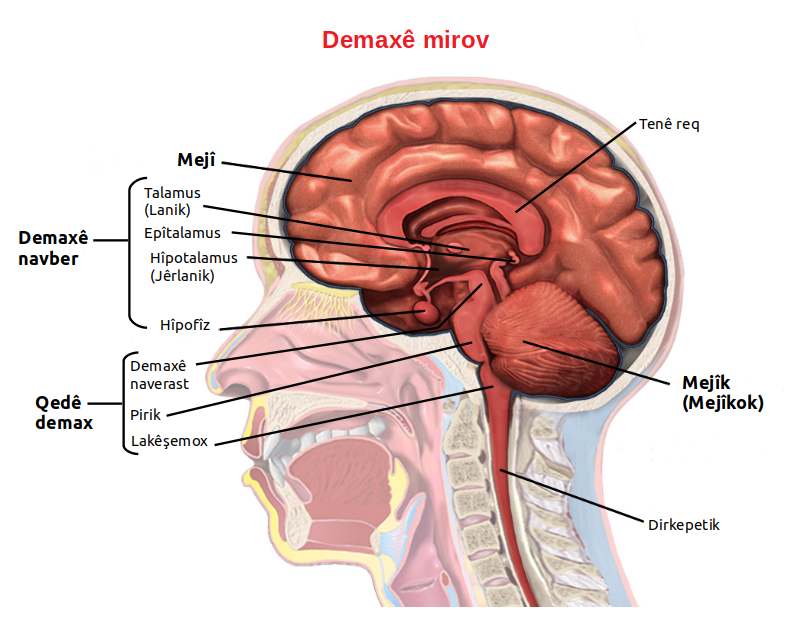
Dr. Robert Zatorre of McGill University uses functional MRI scans to reveal a startling truth. The auditory cortex continues to fire even when the external sound source has ceased. This means the "music" is not just a memory; it is active neural activity. The brain is literally playing the song in real time. The physical structures of the brain respond as if the speakers are still active.
This neurological activity demonstrates that the earworm is a physical event. It is not a vague feeling or a mere thought. It is a measurable pattern of electrical impulses in the brain. The auditory cortex receives signals from the internal representation of the melody. These signals trigger the same pathways used during actual listening. The distinction between listening and imagining disappears.
The brain's ability to simulate sound is incredibly robust. This capability allows us to recognize a song from a single note. It also allows the brain to sustain a loop for hours. The internal playback is a high-fidelity simulation. It captures the timbre, the rhythm, and the pitch of the original recording. This accuracy makes the earworm difficult to dismiss.
The persistent firing of neurons means the brain is stuck in a song. This can lead to mental fatigue. The brain works harder than it needs to because it is processing a redundant signal. We are effectively stuck in a state of permanent, internal listening. The music does not stop until a new, more compelling stimulus breaks the neural loop.
Breaking the loop requires a significant shift in focus. You need a stimulus strong enough to override the existing pattern. This is why a sudden loud noise or a complex conversation can sometimes kill an earworm. The brain must reallocate its resources to the new, more urgent sensory input. Until that happens, the internal orchestra continues its performance.
Some listeners find success with "active" distractions like solving a crossword puzzle or reading difficult prose. These tasks require high-level linguistic processing that competes with the musical processing of the earworm. By forcing the brain to engage with complex syntax, you starve the auditory loop of the working memory it needs to sustain its momentum.