10 Songs Written as Jokes That Became Anthems
Blackwing Studios in London smelled of stale cigarettes and overheating circuitry in 1979. Mike Ball adjusted the levels for a track that felt more like a nervous twitch than a pop hit. Marc Almond leaned into the microphone, his voice cracking with a desperate, synthetic edge. This session birthed "Tainted Love," a track released on Singles Records that turned a simple, repetitive synth line into a permanent fixture of the dance floor. The song began as a way to play with the stark, cold textures of early electronic music, yet it ended up defining the entire New Wave era.
Musicians often treat the studio as a playground for the absurd. They chase a weird frequency or a ridiculous melody just to see if they can make it work. Sometimes, these sonic accidents slip through the cracks of the serious recording process and land straight into the cultural consciousness. Finding songs written as jokes requires looking past the polished radio edits to find the moment of initial mockery. These tracks carry a specific kind of DNA, a DNA built on irony, experimentation, and a complete lack of pretension.
The best examples of this phenomenon happen when an artist tries to mock a genre and accidentally masters it. They lean into the cliches so heavily that the satire becomes indistinguishable from the real thing. We see this pattern repeat from the 1960s through the 1990s, as artists use humor to mask their fear of failure or to poke fun at the industry. When the joke lands, it creates a hook that is far more durable than any carefully constructed ballad.
The Accidental Classics of the Studio
Herbie Flowers plucked a single, walking bassline on his Fender Precision Bass in 1972. This low-end movement provided the skeletal structure for Lou Reed's "Walk on the Wild Side" on the album Transformer. Reed and producer David Bowie initially treated the session as a lighthearted studio exercise, testing out different grooves without much expectation. They weren't trying to write a masterpiece of bohemian storytelling; they were just seeing what happened when the bass moved that way. The result was a groove so smooth it feels like velvet sliding across a glass table.
Men Without Hats stumbled into a similar accidental victory in 1982. The band entered the studio with a repetitive, danceable melody intended to be a humorous take on pop tropes. Released on Limbo Records, "The Safety Dance" relied on a stiff, programmed rhythm that felt almost too silly to be taken seriously. The band members played with the beat as a heavy joke, yet the melody possessed a mathematical precision that compelled people to move. It turned a studio prank into a global phenomenon that defined the early eighties synth-pop aesthetic.
Mark Knopfler gripped his Fender Stratocaster in 1984, hunting for a sound that didn't exist in the natural world. During the sessions for Brothers in Arms, he experimented with a guitar tone that mimicked the compressed, biting texture of a synthesizer. This specific, artificial grit drove the engine of "Money for Nothing" for Dire Straits. While the lyrics poked fun at the MTV generation, the technical achievement of that guitar sound was no joke. It transformed a cynical observation into a heavy, rhythmic powerhouse that dominated the airwaves.
Radiohead members stood on the stage of the Marquee Club in 1992, likely feeling the weight of their own inadequacy. During the early promotion of the Pablo Honey album, the band played "Creep" with a self-deprecating attitude that bordered on mockery. They viewed the song as a departure from their experimental roots, a simple, almost embarrassing pop attempt. Thom Yorke's vocal delivery, characterized by that sudden, jagged falsetto, captured a sense of social alienation that listeners took entirely seriously. The very thing the band used to shield themselves from criticism became their most enduring legacy.
"I don't care if you do, I don't care if you don't. I don't care if you period, I don't care if you don't."
The tension between the artist's intent and the audience's reception creates a strange friction. When a musician mocks a feeling, they often accidentally articulate it more clearly than if they had tried to be sincere. The "joke" provides a layer of protection, a way to stay detached from the potential heartbreak of a failed melody. When the song succeeds, the artist is left holding a hit they never truly claimed as their own.
From Studio Experiments to Global Hits
Beck sat in a lo-fi setup in 1993, surrounded by junk and broken electronics. Recording for the album Mellow Gold, he utilized a fragmented, dusty production style that felt like a direct parody of the era's burgeoning slacker culture. "Loser" emerged from this chaotic, unpolished environment, sounding like a collage of hip-hop beats and folk fingerpicking. He viewed the track as a sardontic commentary on the apathy of his generation, a way to mock the very idea of being a recording artist. Instead, the song became the definitive anthem for a decade of disillusioned youth.
Norman Cook and his production team pushed the limits of the big beat in 1998. Working on the album You've Come a Long Way, Baby, Fatboy Slim used a repetitive, heavy structure to satirize the rising, almost aggressive popularity of dance music. "The Rockafeller Skank" features a relentless, looping energy that feels like a carnival crashing into a warehouse rave. The production uses samples in a heavy, overwhelming way, mocking the simplicity of the genre while simultaneously perfecting its most addictive elements. It is a masterclass in using excess to create something inescapable.
The Monkees leaned into the art of the imitation in 1967. Their track "Dragnet" functioned as a deliberate, high-energy parody of the police procedural television shows that dominated the American airwaves. They mimicked the staccato brass and the dramatic, tension-filled pacing of the TV theme, turning a television trope into a pop singalong. Even though the band was often dismissed as a manufactured entity, their ability to execute such a specific, comedic concept proved their technical competence. They turned a television gimmick into a piece of polished, much-needed pop fun.
Ween approached the recording studio with a sense of profound, melodic mischief in 1994. On their album Chocolate and Cheese, the band released "Baby Loves You," a track where they purposefully utilized a parody of 1960s pop production. They meticulously recreated the lush, saccharine arrangements of the era, complete with the bright, compressed drums and clean, jangly guitars. The song sounds like a lost hit from a much more innocent decade, yet the underlying irony remains palpable to those listening closely. They mastered the art of the era's sonic signature just to poke fun at its sentimentality.
Parody as a Pop Powerhouse
Aqua arrived on the scene in 1997 with a bright, neon-colored sonic assault. Released via Columbia Records, "Barbie Girl" utilized a high-pitched, bubblegum pop aesthetic that the group intended as a sharp, satirical critique of consumer culture. The vocals, delivered in a sugary, hyper-realist style, mimicked the artificiality of the very dolls they were singing about. They used the tropes of the genre to create a musical dollhouse, complete with plastic textures and sugary, earworm melodies. The song's massive success proved that satire can be just as effective when it is wrapped in bright, unyielding candy.
The brilliance of these tracks lies in their ability to inhabit a persona. An artist can adopt the skin of a parody, wearing the genre's ornaments like a costume. This allows them to experiment with sounds that might otherwise feel too derivative or too shallow. When the singer adopts the persona of a caricature, the music gains a layer of depth that the lyrics alone cannot provide. The listener engages with the performance, recognizing the artifice while still being moved by the underlying groove.
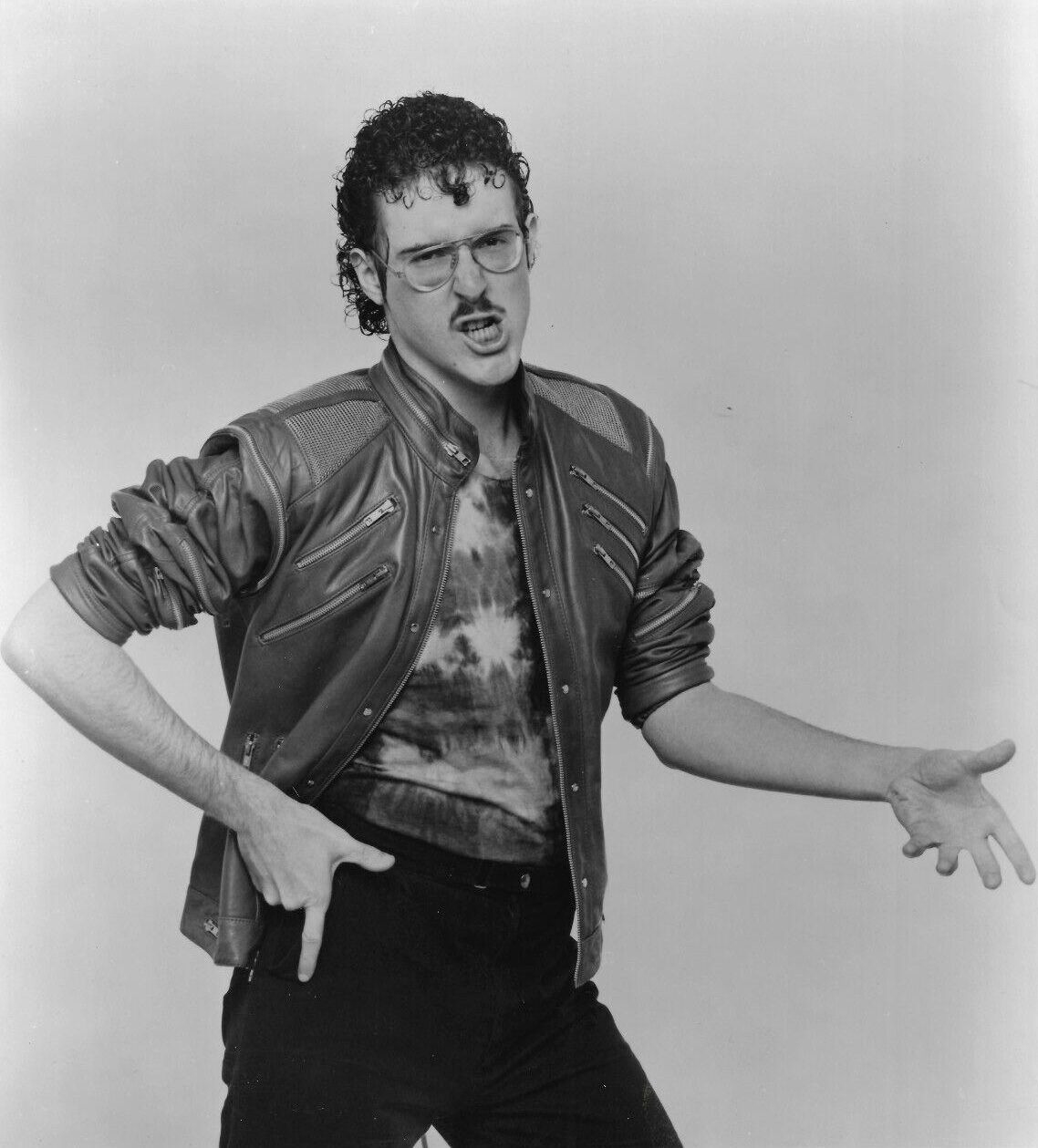
Satire requires a deep understanding of the subject matter. To mock the 1960s pop style, Ween had to understand the precise way a producer would compress a snare drum in 1966. To parody the dance craze, Fatboy Slim had to master the rhythmic loop and the art of the sample. This level of technical proficiency turns a joke into a legitimate contribution to the genre. The humor disappears when the craftsmanship is high enough to stand on its own merit, even if the original intent was purely mocking.
Pop culture often absorbs these parodies and strips them of their irony. A song that begins as a critique of consumerism, like "Barbie Girl," eventually becomes a staple of the very culture it mocked. The listener forgets the satirical edge and simply embraces the melody. This transition from mockery to anthem is the ultimate victory for a songwriter. It means the music has achieved a level of universality that transcends the original, clever intent of the creator.
The Lo-Fi Satire of the Nineties
Beck's 1993 output represented a massive shift in how artists approached the recording process. He moved away from traditional songwriting and toward a method of assembly, using lo-fi techniques to create a highly fragmented reality. This style allowed him to insert jokes, weird samples, many jarring shifts in tone without disrupting the overall flow of the album. The "slacker" aesthetic was not just a fashion choice; it was a deliberate sonic strategy used to deconstruct the polished artifice of the preceding decade. He used the grit of the recording to mask the complexity of the composition.
The nineties saw a rise in the use of irony as a primary lyrical driver. Artists like Ween and Fatboy Slim utilized the burgeoning technology of sampling to create musical memes. These tracks functioned as inside jokes for a generation that grew up on MTV and a constant stream of media. By using the sounds of the past or the sounds of the present in a distorted way, they created a sense of familiarity that was simultaneously unsettling. This era of music thrived on the tension between the recognizable and the absurd.
Sonic textures in this period often relied on the intentional use of "bad" sound. The hiss of a cassette tape, the crackle of a highly compressed vinyl sample, or the thin, tinny quality of a cheap drum machine provided the necessary atmosphere for this lo-fi movement. It was a rejection of the high-budget, overproduced sounds of the late eighties. Musicians found that a certain amount of sonic decay could add a layer of authenticity to their satirical aims. The imperfection of the medium became a vital component of the message.
Many of these artists found themselves at the center of a massive cultural shift. The transition from the grunge era to the electronic boom of the late nineties provided a perfect backdrop for songs written as jokes. As the industry moved from the heavy, distorted guitars of Seattle to the polished, repetitive beats of the UK, the ability to play with genre became a survival skill. Those who could bridge the gap between the serious and the absurd were the ones who stayed on the radio. They understood that the most enduring pop is often the most playful.
Why We Love a Musical Prank
A sense of humor provides a much-needed release from the heaviness of modern life. When we hear a song like "The Safety Dance" or "Barbie Girl," we are invited to participate in the joke. This participation creates a bond between the artist and the listener that a purely serious song cannot always achieve. We recognize the cleverness, we appreciate the technical execution, and we allow ourselves to enjoy the absurdity. It turns the act of listening into a shared moment of levity.
There is also a profound sense of honesty in a well-executed musical prank. Even though the artist is playing a role, the effort required to mimic a style so perfectly is a form of truth. You cannot fake the precision of a 1960s pop arrangement or the specific grit of a 1970s bassline. The technical mastery required to pull off the satire serves as a different kind of sincerity. We respect the skill involved in the deception.
These songs often become the soundtracks to our most significant memories. We do not remember the serious, brooding tracks from our youth with the same visceral intensity as the songs that made us laugh. The energy of a joke-turned-anthem is infectious, carrying a rhythmic vitality that sticks to the ribs. They are the tracks that play at weddings, at parties, and in the middle of long, late-night drives. They possess a durability that transcends the era in which they were recorded.
The most successful songs written as jokes eventually stop being jokes. They settle into the cultural bloodstream, becoming part of the foundational language of pop music. The irony fades, leaving behind only the melody and the groove. We stop laughing at the parody and start singing along with the anthem. The prank is over, but the music remains, a permanent fixture in the grand, chaotic history of sound.