How Labels Rig the Billboard Hot 100
New York City air tasted like exhaust and cheap hot dogs in 1959. Radio DJs spun R&B records in dim studios, pushing sounds that white suburban teenagers loved but authorities feared. Alan Freed sat behind the microphone, his voice booming over the airwaves of WINS. He played the rhythm and blues that would become rock and roll. This era lacked the digital precision of today, yet the foundations of Billboard Hot 100 chart manipulation existed in smoke-filled rooms.
Federal investigators eventually raided these very studios. The FCC launched investigations into payola during the mid-1950s. They found that record labels handed envelopes of Sean Penn-sized bundles of cash to DJs like Freed to ensure specific tracks received heavy rotation. This practice ignored talent or melody. It relied on bribery to force a song into the public ear through sheer repetition and paid influence.
The mechanics of the charts changed, but the intent remains identical. No one hands a physical envelope to a DJ on Z100 today. Instead, labels use data, algorithms, and strategic releases to manufacture hits. The modern equivalent of the bribe is the playlist placement and the high-priced digital download. We see the same fingerprints on the charts that we saw during the Alan Freed era.
The Ghost of Alan Freed and Radio Payola
Alan Freed changed the trajectory of American music. He brought Black rhythm and blues into the mainstream white consciousness. His shows featured heavy percussion and honking saxophones that felt dangerous to the establishment. This danger made the music popular. It also made the industry a target for federal scrutiny.
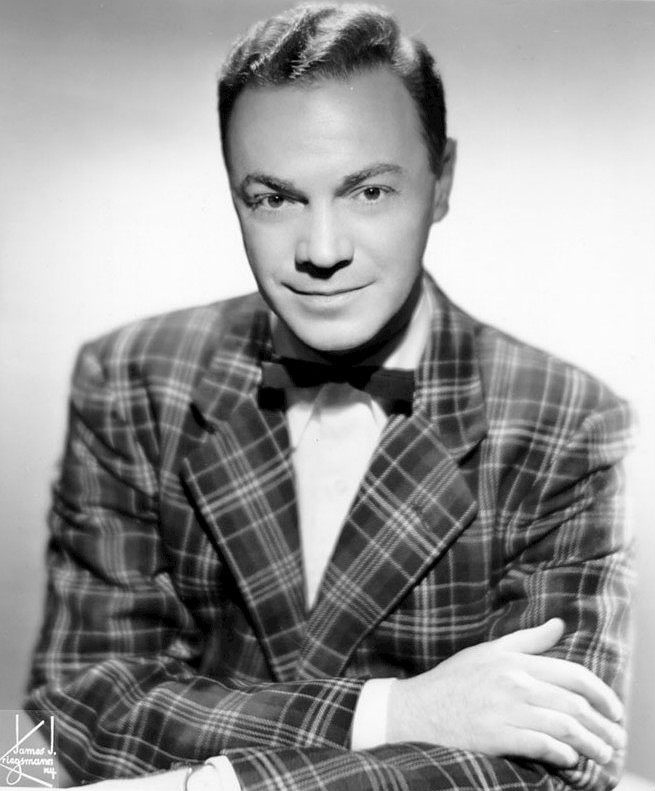
The 1959 payola investigations targeted the very way music reached the masses. Authorities believed that labels bought their way onto the airwaves. They saw the sudden rise of rock and roll as a product of corruption rather than cultural shift. This investigation fundamentally altered how radio stations operated. Labels learned they could not simply pay for airplay. They needed more sophisticated ways to influence the listener.
Radio programmers moved toward a premium, sanitized version of the hits. They focused on tracks that fit a specific, safe format. This created a vacuum that labels eventually filled with massive marketing budgets. They stopped buying the DJ and started buying the entire ecosystem. The shift from individual bribery to systemic promotion changed everything about how a song reaches number one.
Labels realized that controlling the medium beat bribing the man. They began investing in radio promotion departments. These teams worked to ensure that "Radio Edits" reached station managers. They stripped away any abrasive elements to make tracks palatable for FM rotation. A song that sounds great in a club might fail on the radio. The label ensures the version people hear is the version that climbs the charts.
The legacy of the payola era survives in the way labels manipulate the "Radio Edit" versus the "Album Version." They prepare specific cuts for stations like Z100 New York. These edits remove long intros or controversial lyrics. They create a streamlined, digestible product. This ensures the track remains safe for heavy rotation and avoids any regulatory friction.
The 2014 Streaming Revolution
Billboard changed the rules of the game in 2014. Before this shift, the charts relied heavily on physical sales and radio airplay. The industry moved toward a model that included on-demand audio streams from platforms like Spotify and YouTube. This change meant a song could climb the charts without a single person buying a CD. It transformed the Hot 100 into a real-time reflection of digital consumption.
Streaming data brought a new level of volatility to the charts. A song could explode overnight because of a viral moment. Labels quickly learned how to exploit this new metric. They began focusing on "stream-friendly" production. They shortened song lengths and placed the hook closer to the beginning. They wanted to prevent users from skipping the track, as a skip provides zero chart points.
The 2014 policy change essentially weaponized the listener's behavior. Every play on Spotify counts toward a song's position. If a label can convince a listener to hit repeat, they can manufacture a hit. This turned the chart into a battle of engagement rather than a battle of popularity. The metric shifted from "what people own" and the focus moved to "what people endure."
The technicality of the data allowed for new types of manipulation. Labels started looking at the math behind the stream. They realized that a single high-priced digital download in the Billboard Digital Song Sales chart could weigh more heavily than a standard stream. This multiplier effect gave them a way to inflate numbers using targeted sales. They could use a small, dedicated fan base to trigger a massive jump in the rankings.
Data-driven decision-making replaced gut instinct in the boardroom. Executives no longer guessed what would be a hit. They looked at the early streaming numbers from small markets. They identified songs that showed high retention rates. They then poured marketing dollars into those specific tracks to accelerate their ascent. The chart became a self-fulfilling prophecy driven by algorithmic feedback loops.
Lyor Cohen and the Republic Records Machine
Lyor Cohen understands the architecture of power in the music industry. During his tenure as Chairman and CEO of Republic Records, he mastered the art of the aggressive rollout. He did not wait for hits to happen. He built machines that forced hits into existence. His strategies relied on a combination of massive radio promotion and aggressive playlisting.

Republic Records became a powerhouse under his leadership. He focused on artists like Taylor Swift and Drake, providing them with the resources to dominate every metric. His approach involved more than just great songs. It involved a coordinated strike across radio, streaming, and social media. He understood that a hit requires a synchronized assault on the listener's senses.
"The industry is not about the music; it is about the distribution of attention."
Cohen's methods utilized the heavy lifting of radio promotion teams. These teams worked tirelessly to ensure that Republic artists occupied the premium rotation slots on major FM stations. They used relationships with program directors to secure prime time slots. This ensured that even if a listener was not actively seeking the song, they could not escape it. The song became part of the ambient noise of the culture.
Playlisting became the second pillar of the Republic strategy. Labels worked closely with platform editors to secure spots on high-traffic playlists. A placement on a "Today's Top Hits" playlist provides millions of passive listeners. These listeners often make an accidental contribution to a chart climb. They simply hear the song while they drive or work, providing the raw data needed for a high ranking.
The Republic machine functioned like a well-oiled factory. Every release followed a rigid, data-backed blueprint. They calculated the exact moment to trigger radio pushes to coincide with playlist additions. This created a wave of momentum that was almost impossible for independent artists to counter. The sheer scale of the marketing spend made the charts a playground for the major label elite.
The Loop Phenomenon and Lil Uzi Vert
2017 brought a strange new way to dominate the charts. Lil Uzi Vert's "XO Tour Llif3" became a case study in the power of the loop. The track sat in the top ten of the Billboard Hot 100 for weeks on end. It did not happen through radio dominance alone. It happened through high-frequency replay on curated playlists.
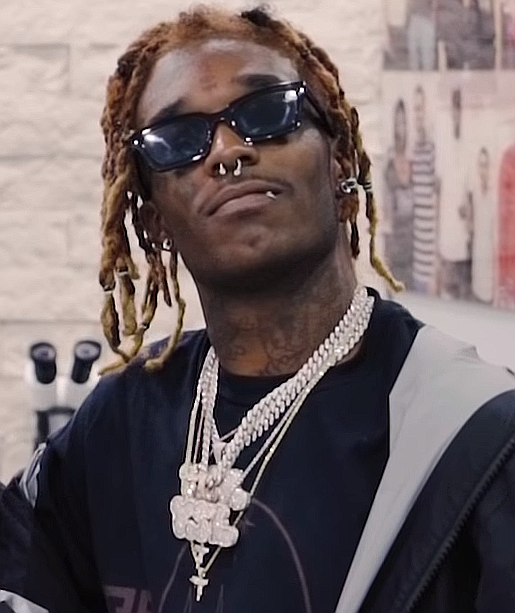
The "looping" phenomenon occurs when a song is so catchy or hypnotic that listeners repeat it endlessly. In the streaming era, this repetition translates directly into chart points. The song becomes a permanent fixture in the top tier because the data never stops flowing. It creates a plateau in the rankings that resists any attempt at displacement by other artists.
Listeners often enter a trance-like state with certain trap productions. The heavy, distorted 808 bass and the repetitive, melodic synth loops encourage a repetitive listening pattern. For "XO Tour Llif3," the song's structure supported this behavior perfectly. The hook is short, punchy, and easy to digest. It stays in the brain long after the track ends.
Labels recognized this pattern and began producing "loop-many" music. They prioritized hypnotic textures over complex songwriting. They wanted songs that could sit in the background of a playlist without causing fatigue. This led to a homogenization of the pop and trap genres. The goal was no longer to surprise the listener, but to soothe them into a state of continuous playback.
This behavior created a massive barrier for new artists. If a song can stay in the top ten for months through looping, it blocks the path for fresh talent. The charts became stagnant. The top spots were held by tracks that had already reached their peak, simply because they were too embedded in the streaming ecosystem to drop. The loop became a fortress around the hits.
YouTube Views and the 2018 Nielsen Shift
YouTube represents the largest visual music library on the planet. For years, its view counts were a primary driver of the Hot 100. A massive music video could single-handedly propel a song into the top five. This created a massive opportunity for labels to manipulate the charts through visual spectacle and, occasionally, less honest means.
The 2018 shift in how YouTube views were counted by Nielsen Music changed the math. Before this change, the way "video plays" contributed to the total points was less strictly regulated. Labels used high-frequency, low-value views to inflate a song's presence. They used bots or repetitive viewing loops to drive up the numbers. The visual component of the chart often disconnected from actual musical popularity.
Nielsen's adjustment sought to bring more accuracy to the data. They looked for ways to differentiate between a genuine view and a manufactured one. However, the damage to the chart's integrity had already occurred. The precedent of using video as a primary driver established a new way of thinking about hits. The video was no longer just a companion to the song; it was a weapon of the chart.
The 2020 implementation of the "Streaming Songs" metric by Billboard attempted to fix this. They officially separated pure audio streams from video streams. This was a direct response to the fear that YouTube view inflation was distorting the rankings. They wanted to prevent a song with a mediocre audio presence from dominating the charts solely because of a viral, high-view video.
Despite these changes, the influence of the visual remains massive. A well-produced video can still drive audio streams on Spotify and Apple Music. The connection between the visual and the audio remains the primary goal of any major label campaign. They do not just release a song; they release a visual event. The chart remains a battleground of attention, where the image is just as important as the melody.
The TikTok Effect and User-Generated Content
TikTok changed the fundamental definition of a hit in 2023. It introduced the "user-generated content" metric into the chart equation. Suddenly, the way people used a song in a fifteen-second clip mattered as much as how many people listened to the full track. This created a new way for labels to use Billboard Hot 100 chart manipulation strategies.
PinkPantheress's "Boy's a Liar Pt. 2" is a perfect example of this era. The song used short-form video virality to dominate the charts. It was not just about the song itself. It even involved the thousands of individual videos created using the track's audio. Every time a user posted a video with that sound, they contributed to the song's chart weight.
Labels now actively engineer songs for TikTok. They identify "TikTok moments" during the production phase. They might insert a specific sound effect, a sudden beat drop, or a lyrical quirk that is easy to dance to. They design the song to be a tool for creators. The song is no longer a finished piece of art; it is a raw material for social media content.
This era of the "TikTok effect" makes the charts incredibly volatile. A song can reach number one without any traditional radio support. It can happen through a dance trend or a comedic meme. This decentralization of power sounds democratic, but it actually gives more power to the labels. They have the budgets to hire influencers to start these trends. They can manufacture the "organic" virality that the public craves.
The metric of user-generated content is difficult to track and even harder to control. It relies on a massive, uncoordinated group of people. Yet, the labels know exactly how to seed the ground. They target the creators who have the most reach. They ensure that the right song is attached to the right trend at the precisely right moment. The chart is once again a manufactured reality.
The Taylor Swift Strategy of Physical Variants
Taylor Swift turned the release of an album into a high-stakes scavenger hunt. During the Midnights (2022) era, she mastered the art of the "Direct-to-Consumer" (D2C) sales strategy. She did not just release an album. She released a collection of different products. Each product drove sales and inflated first-week numbers.
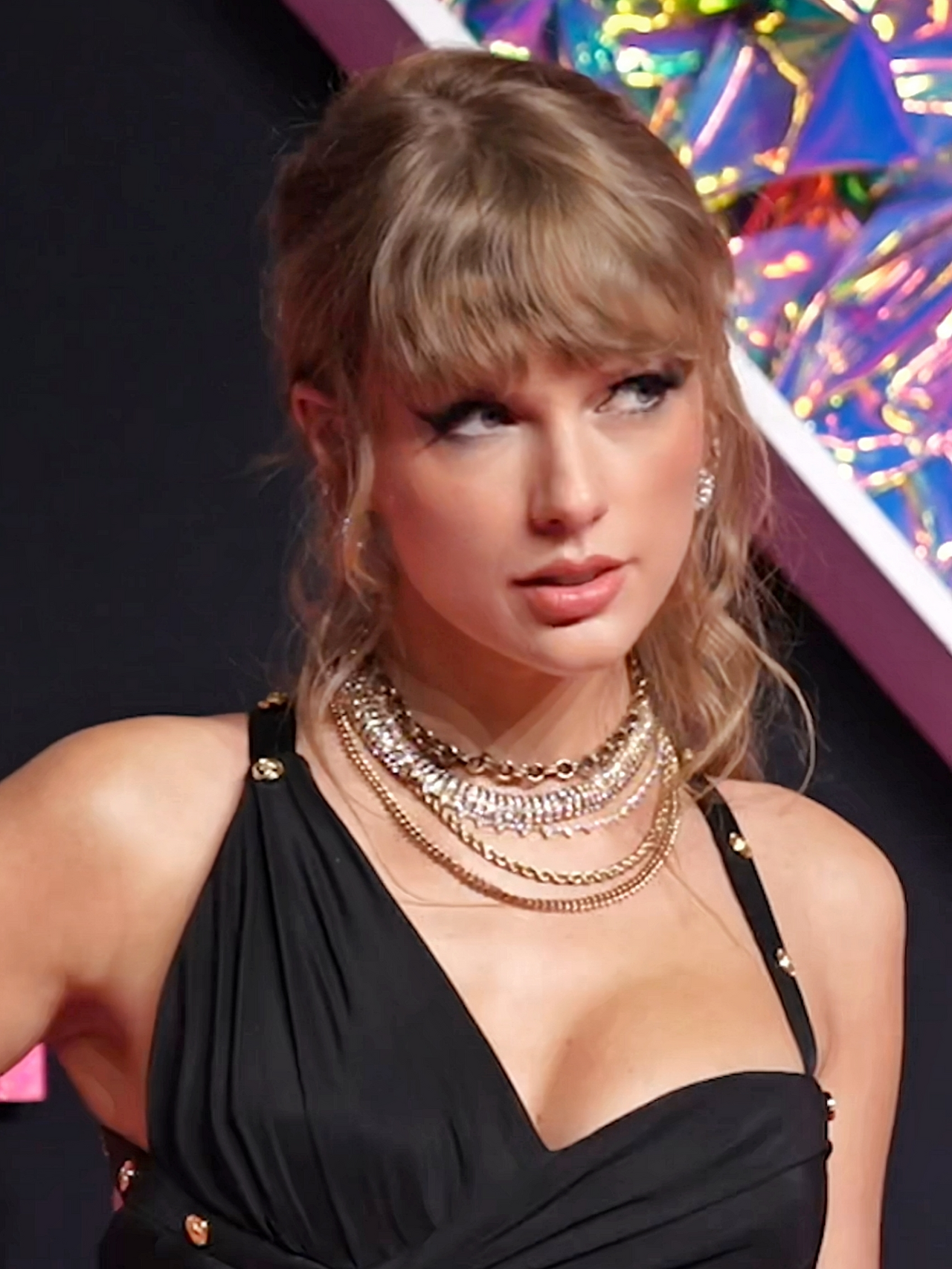
The strategy involved releasing multiple physical vinyl variants. Some versions had different covers. Others included exclusive bonus tracks.
Some even featured different colored wax. For a dedicated fan, owning every version became a necessity. This drove massive sales numbers that had little to do with casual listeners. It was a targeted strike on the most loyal segment of her audience.
These sales figures are heavy lifters in the Billboard 200 and the Hot 100. A single high-priced digital download or a premium vinyl sale carries significant weight. By flooding the market with these variants, Swift ensured her numbers would be astronomical. She turned the act of consuming music into an act of collecting. This is a highly effective way to manipulate the charts through sheer volume of transactions.
The D2C model allows artists to bypass traditional retail and speak directly to the core fan base. This removes the middleman and allows for much higher profit margins. It also allows for much more precise control over the release schedule. Swift can drop a new variant on a Tuesday to maintain momentum. She can keep the album in the conversation for months through a series of well-timed, physical releases.
This strategy represents the ultimate evolution of the industry's power dynamics. It is no longer about reaching the widest possible audience. It is about maximizing the value of the most dedicated one. The charts reflect the strength of these fan bases. A massive, coordinated purchase by a single artist's followers can overshadow the organic popularity of an entire genre. The era of the mass-market hit is being replaced by the era of the precision-targeted phenomenon.
The numbers on the Billboard charts are not just reflections of what we hear. They are the result of calculated, strategic, and often aggressive maneuvers. From the bribed DJs of the 1950s to the multi-variant vinyl drops of the 2020s, the goal has remained the same. The industry seeks to control the narrative of popularity. We listen to the music, but we should never forget the machinery working behind the scenes to make us hear it.