The Mystery of Robert Johnson's Final Days
San Antonio, Texas, baked under a late autumn sun on November 23, 1936. Inside a cramped recording studio, Robert Johnson gripped a guitar and prepared to leave his mark on the world. Producer Don Robey sat behind the glass, directing the session for the Diodema label. This single day produced seven tracks that would eventually change the course of music history. The air in that room held the weight of something permanent.
Johnson played with a frantic, controlled energy that defied the limitations of his era. He did not just play songs; he constructed entire worlds using only six strings and a bottleneck. Every slide note bit through the static of the early recording technology. These sessions captured the raw essence of Delta blues before he vanished into the shadows of the Mississippi Delta.
The recordings captured in San Antonio remain the most vital documents of his short life. You can hear the sweat and the grit in every take. He brought a level of technical precision that few of his contemporaries could match. It was a moment of clarity before the legend took over the man.
The Texas Sessions and the Birth of a Legend
Don Robey watched the meters bounce as Johnson began his session. The Diodema label needed hits, and Johnson provided them with an effortless, menacing grace. The studio environment lacked the polish of modern Los Angeles sessions, but the grit worked in his favor. He played with a rhythmic drive that felt ahead of its time.
Musicians in the Delta knew his name, but these Texas sessions gave him a recorded identity. He laid down tracks that featured a driving, percussive thumb on the bass strings. Each note landed with the weight of a hammer hitting an anvil. The Diodema sessions allowed his specific brand of rhythmic tension to breathe without excessive overdubs.
The 1990 box set The Complete Recordings released by Columbia/Legacy offers the clearest view of this technical prowess. This collection stripped away decades of myth to reveal the actual studio output. You hear the minute details of his fingerwork and the way he manipulated the guitar's resonance. It reveals a musician deeply aware of his studio tools.
Texas provided the perfect backdrop for this intense output. The 1936 sessions captured a specific tension found in the blues of the era. It was a period where the blues began moving from the rural porch to the urban electrified stage. Johnson stood right at the center of that transition.
The session prioritized impact over perfection. Robey pushed for a sound that would travel over the airwaves and into the jukeboxes of crowded juke joints. Johnson delivered a performance that felt both ancient and entirely new. He mastered the studio medium with the instinct of a man who understood the machine.
The Technique That Changed Everything
Muddy Waters watched Johnson play and learned how to command a room. The elder statesman of Chicago blues understood that Johnson’s acoustic setup functioned like a full band. He used his thumb to maintain a steady, thumping bass line. His fingers danced above that foundation with melody and rhythm happening simultaneously.

B.B. King often spoke about the specific mechanics of Johnson's playing. He noted the way the slide moved across the strings to create a vocal-on-strings moan. This was not just playing a guitar; it was playing a human voice. The bottleneck technique allowed for microtonal bends that mimicked the cries of a singer.
The sheer complexity of his fingerpicking style baffled many of his peers. He managed to play a steady rhythm, a walking bass line, and a piercing melody all at once. It sounded like three musicians playing in unison. This density of sound made his solo performances feel massive and overwhelming.
"I used and I'd think, 'How can one man do all that?' He had a way of making that guitar sound like a whole orchestra was right there in the room with you."
The technical difficulty of his repertoire prevented most players from copying him exactly. He utilized a wide range of dynamics, moving from a whisper to a roar. A single strike on the low strings could rattle the floorboards. A light touch on the high strings could sound like a distant, lonely whistle.
This technical mastery gave him an edge in the competitive Delta circuit. He could outplay anyone in a room through sheer rhythmic complexity. His ability to manipulate the guitar's timbre kept audiences mesmerized. He turned the instrument into a tool of psychological manipulation.
The Crossroads Legend and the Devil
Highway 61 and Highway 49 meet in Clarksdale, Mississippi, under a wide, heavy sky. This intersection serves as the physical site for the most famous myth in American music. Legend claims Johnson stood at this crossroads and summoned a dark force. He allegedly traded his Hiatt-style guitar for the ability to play with supernatural skill.

The story fits the dark, brooding nature of his lyrics perfectly. Songs like "Cross Road Blues" lean into this imagery of dread and deal-making. The blues has always flirted with the supernatural, but Johnson made it a central theme. He turned the folklore of the Delta into a tangible, terrifying reality.
Historians treat the legend with skepticism, yet the myth persists because it feels true to the music. The technical gaps in his playing history suggest a period of intense, rapid learning. Where did a man from the Delta suddenly acquire such sophisticated, professional techniques? The crossroads provides a convenient, haunting answer for the curious.
Clarksdale remains the epicenter of this mythic identity. Tourists visit the intersection to touch the ghost of the man. They look for traces of the devil in the dusty Mississippi soil. The legend transcends the man and becomes part of the geography itself.
The crossroads story functions as a metaphor for the tension in his music. It represents the struggle between talent and fate. Every time a listener hears a particularly haunting slide note, they think of the bargain. The myth gives the music a weight that transcends mere entertainment.
The Poisoned Drink in Memphis
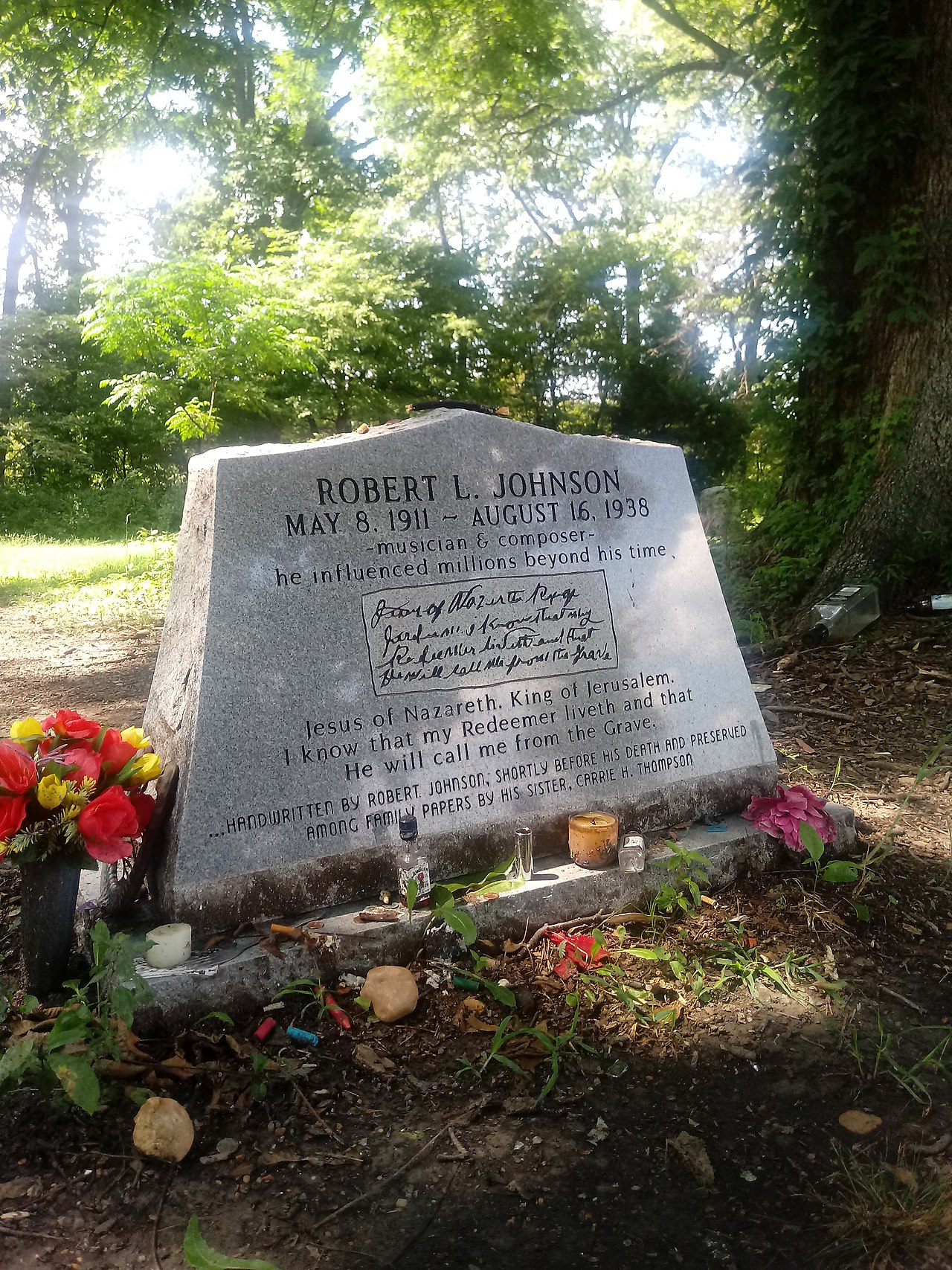
August 16, 1938, marks the end of the line for Robert Johnson. He died at the age of 27, leaving a vacuum in the Delta blues scene. Many scholars point to this date as the moment the music lost its most potent voice. The circumstances of his death remain shrouded in the thickest of blues mysteries.
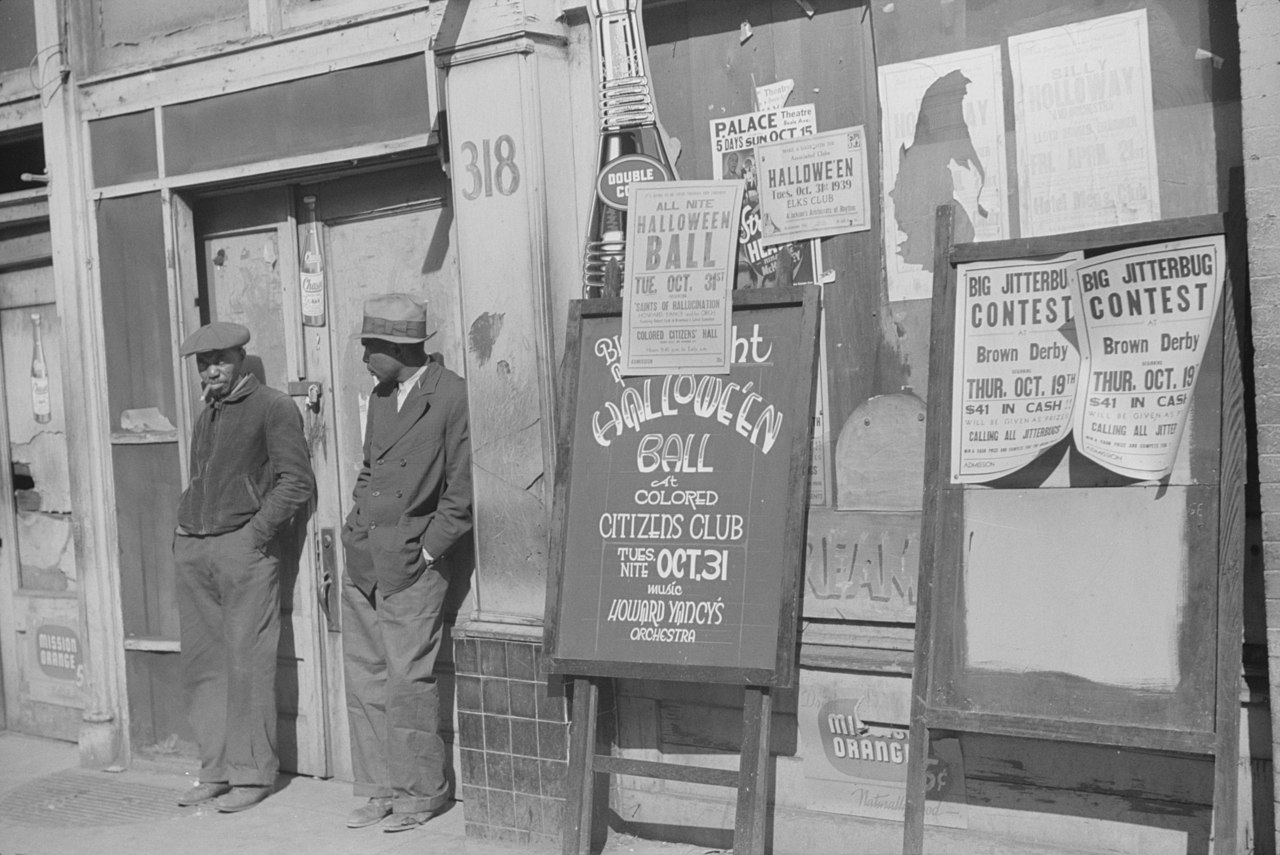
Memphis blues clubs provided the setting for his final, fatal moments. Contemporary reports suggest a much more grounded tragedy than a devilish bargain. Rumors circulated that a jealous rival offered him a hungry drink laced with strychnine. This act of violence reflects the brutal reality of the competitive blues circuit.
Strychnine poisoning causes a slow, agonizing death characterized by violent convulsions. Such a death matches the intensity and the suddenness of his disappearance. It lacks the romanticism of the crossroads but carries a much more human horror. It paints a picture of a man lost in a world of professional envy.
The exact cause of death remains a subject of intense debate among Delta blues scholars. Some argue for complications from disease or even a simple accident. However, the poisoned drink narrative captures the imagination of the blues community. It fits the narrative of a man whose talent made him a target.
No official autopsy records from 1938 provide a definitive answer. The lack of documentation allows the legend to grow and mutate. We are left with fragments of stories told in Memphis bars. The truth died with him in the heat of a Mississippi summer.
A Legacy Built on Twenty-Nine Songs
Twenty-nine songs constitute the entirety of his recorded output. This small number represents a staggering amount of influence. Every track serves as a masterclass in tension, release, and rhythmic drive. He did not need a massive discography to reshape the DNA of popular music.
The 1937 release of "King Biscuit Time" on the Bluebird label changed radio forever. This track helped establish the format for the influential radio program that broadcast blues across the Mississippi Delta. It created a template for the blues broadcast that would reach thousands. Johnson's influence helped build the infrastructure of the genre.

Each of the twenty-nine tracks contains a specific, identifiable piece of his soul. You can hear the evolution of his style from the early sessions to the later ones. There is no filler in his catalog. Every note feels intentional and every lyric carries a heavy, rhythmic weight.
The scarcity of his recordings actually heightened his mystique. Because there was so little to hear, every discovery felt like uncovering a lost treasure. Collectors and historians have spent decades analyzing these few minutes of audio. They look for clues in the phrasing and the timing of his slides.
The blues died with him, but his songs lived on through the hands of others. His work provided the raw material for the next generation of bluesmen. He left behind a blueprint for how to use a single instrument to tell a complete story. His discography is a small, concentrated dose of pure musical power.
The British Blues Boom's Foundation
London in the 1960s vibrated with the energy of the British Blues Boom. Eric Clapton and Keith Richards obsessed over the sounds coming out of the American South. They studied the scratchy, lo-fi recordings of Johnson like sacred texts. The Delta blues sound provided the much-needed grit for the burgeoning rock scene.
The heavy use of slide guitar and bottleneck techniques became a staple of British rock. Clapton's work with John Mayall & the Bluesbreakers directly mirrored Johnson's intensity. The way he approached a solo was a direct descendant of the San Antonio sessions. He brought the Delta's tension to the electric stage.
Keith Richards utilized the driving, rhythmic pulse of Johnson's playing in the early Rolling Stones. The swagger and the danger in the Stones' early tracks owe everything to the Delta. They took the acoustic tension of the 1930s and plugged it into Marshall stacks. The DNA remained identical.
The influence of Johnson's acoustic sound on electric rock is a profound paradox. He showed how a sparse, single-instrument arrangement could command a massive audience. His ability to create a full-band sound on an acoustic guitar taught rock musicians about space and dynamics. He taught them that silence is as important as sound.
The British Blues Boom transformed the blues into a global phenomenon. Without the foundation laid by Johnson, the 1960s would have sounded much thinner. He provided the rhythmic and harmonic vocabulary for an entire generation of guitarists. His ghost still haunts every distorted riff played in a crowded club.
Robert Johnson remains the most important ghost in music history. He left us with almost nothing but the echoes of his guitar strings. Yet, those echoes are loud enough to drown out the entire world. He died young, but his music refuses to die.