The Beatles and Merseybeat: How a Liverpool Basement Conquered the World
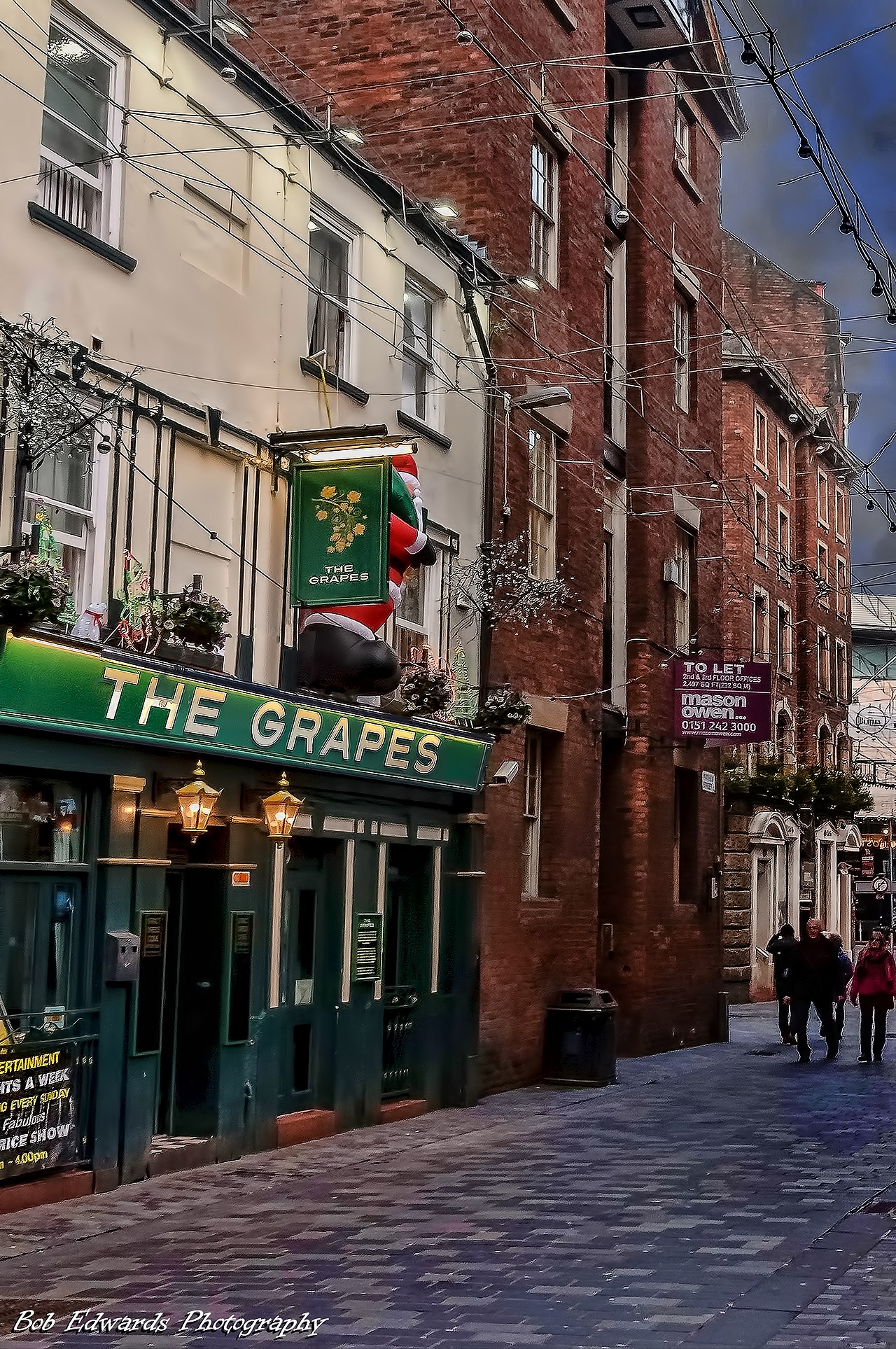
Mathew Street smelled like stale ale and damp brick in 1961. The Cavern Club sat underground in Liverpool, a basement womb where cigarette smoke and sweat thickened the air. Young musicians crowded around tiny stages and plugged Vox amplifiers into unsteady wall sockets. This basement served as the primary incubator for the Beatles and Merseybeat sound, a frantic energy that defined the early sixties.
The Beatles played these cramped sets with a desperate, hungry intensity. They shared stages with The Searchers and Gerry and the Pacemakers to create a local ecosystem of rhythm and blues. Every night, the beat pulsed through the club floorboards. This basement acted as a laboratory for a new kind of pop. The music demanded attention through sheer volume and rhythmic drive.
Liverpool musicians traded gear and setlists between shows. A Rickenbacker guitar or a Gretsch drum kit moved from one band to another across a single night. This shared equipment helped forge a unified aesthetic. The Merseybeat sound relied on a specific, driving backbeat that mirrored the city's industrial pulse. The music felt urgent and unpolished.
The Raw Energy of Mathew Street, 1961
The Cavern Club basement held a physical weight. Low ceilings trapped the sound of snare drums and forced vibrations into the chests of the audience. This underground atmosphere influenced the raw, percussion-heavy drum sounds that EMI engineers like Norman Smith captured during early sessions at Abbey Road Studios. The reverb in the room felt natural and heavy. It lacked the polite sheen of London studios.
Musicians practiced a stripped-back style of rock and roll. They took American R&B influences and sped them up to match the frantic energy of a Liverpool Saturday night. They avoided complex arrangements in favor of a driving bassline and a guitar riff that cut through the noise. The music had to compete with shouting crowds in a dark, crowded cellar.
Local bands like The Beefeaters shared this stage and DNA. Roger McGuinn, who would later lead The Byrds, played in this Liverpool-based group. His time in the local scene connected him to the same rhythmic foundations as the Fab Four. The musicians all drew from the same well of American rock and skiffle. They all studied the same loud, distorted lessons.
The 1963 compilation album The Mersey Beat documented this era perfectly. It captured the R&B and skiffle-inflected pop style that defined the British Invasion. The tracks sounded like a live recording in a room rather than a vacuum. You could hear the room breathing. This authenticity made the local Liverpool scene feel much more expensive than the polished pop coming out of London at the time.
The sheer density of talent in the Liverpool area created a competitive pressure cooker. Bands like The Remo Four and The Krasner Brothers practiced their chops in the same smoky venues. No one could afford to be boring. If your set lacked a hook, the crowd would simply move to the next club down the street. This environment forced every songwriter to master the three-minute pop song structure.
The gear used during this period contributed to the specific sonic grit. Many bands relied on cheap, second-hand Vox AC30 amplifiers that provided a biting, mid-range crunch. This frequency range allowed the guitars to pierce through the dense atmosphere of the Cavern. It was a sound built for small spaces and loud volumes. It was a sound that demanded you stop walking and start dancing.
"I want to hold your hand"
The Beatles used this simple, melodic plea to bridge the gap between raw R&B and global pop. Their early hits relied on a directness that the Liverpool clubs had perfected. The lyrics did not hide behind metaphors. They stated a desire with the same bluntness found in a pub conversation. This simplicity became their greatest strength on the international stage.
The NEMS Empire and Brian Epstein
Brian Epstein walked into the Cavern Club in November 1962 with a vision. He saw a business opportunity rather than just a band. He signed The Beatles to NEMS Enterprises, a move that transitioned the group from a local Cavern Club act to a professional unit managed by a major Liverpool retail mogul. Epstein brought order to the chaos. He traded scruffy leather jackets for smart, matching suits.
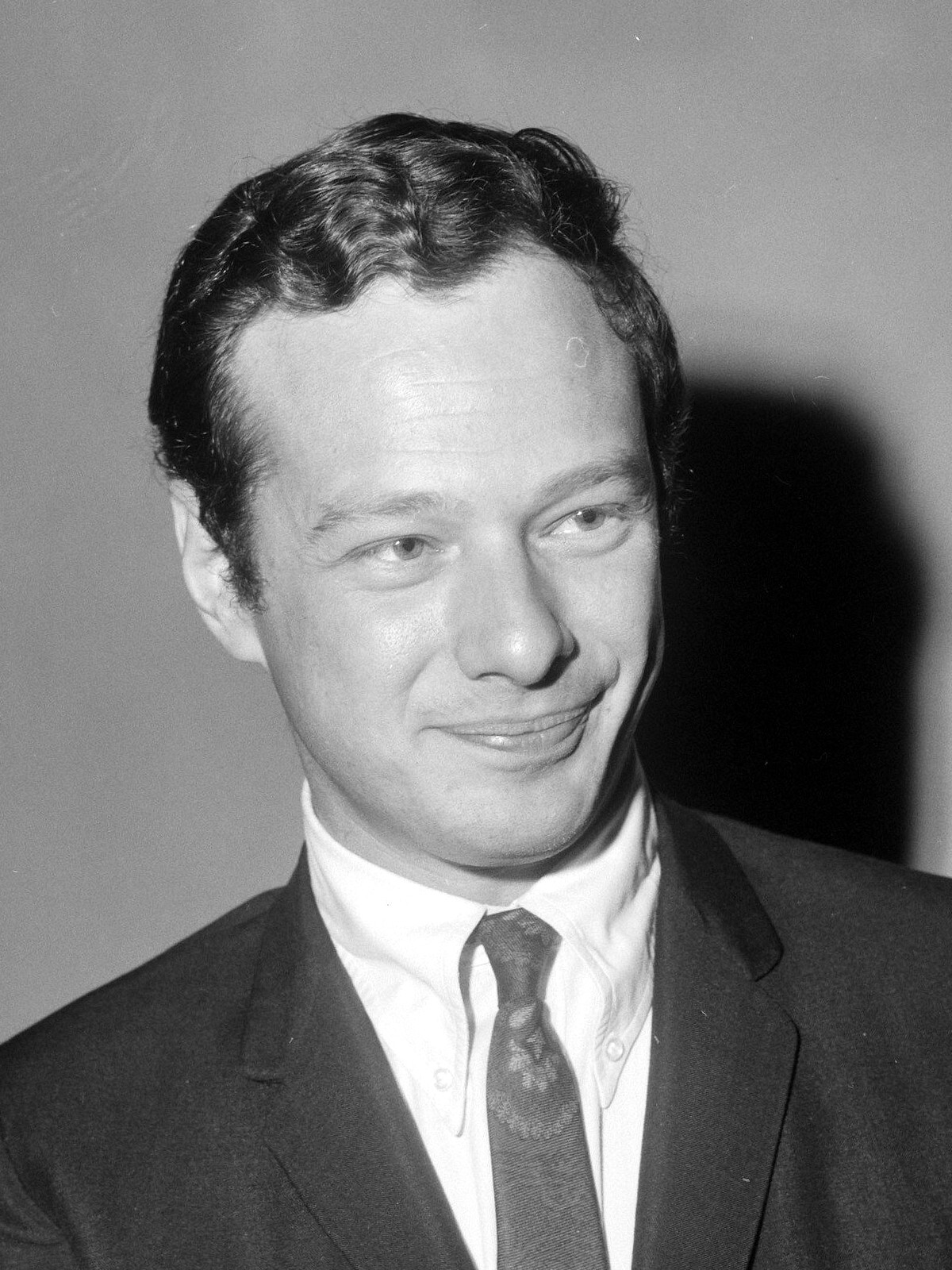
NEMS Enterprises owned much more than a management contract. Epstein ran a massive retail empire in Liverpool, including a successful record shop. He understood the mechanics of the charts and the importance of image. He applied the discipline of a retail executive to the wild energy of a rock band. This professional polish gave the band the tools to survive the transition to London.
Epstein's management provided the structure the band lacked. He handled the bookings, the press, and the logistics of touring. This allowed the musicians to focus entirely on their performances. He acted as a buffer between the raw energy of the Merambulated sound and the rigid expectations of the music industry. His influence turned a local phenomenon into a corporate powerhouse.
The shift from the Cavern to the professional stage changed their sound. The band began to refine their melodies while keeping the driving rhythm. Epstein pushed them toward a more palatable, commercial version of their club sets. He knew that to conquer the world, they needed more than just loud guitars. They needed songs that could play on the radio in New York and London.
Epstein understood the power of the visual brand. He insisted on a level of uniformity that made the band look like a cohesive unit rather than a collection of street kids. This was crucial for television appearances. When the band arrived in the United States, they didn't look like a chaotic gang. They looked like superstars. This professional veneer allowed the music to take center stage without the distraction of unkempt imagery.
The NEMS connection provided the financial stability needed for studio experimentation. Epstein used his business acumen to navigate the complex web of record labels. He secured the deal with Parlophone, a subsidiary of EMI. This move placed The Beatles under the same umbrella as many established British artists. It gave them access to the best studios and the best engineers in the world. It turned a local act into a global brand.
George Martin and the Abbey Road Technique
George Martin sat behind the console at Abbey Road Studios with a keen ear. He heard the potential in the Merseybeat sound but knew it needed refinement. The producer utilized a specific blend of mid-range frequencies and compressed vocal tracks to capture the energy of the Liverpool acts. He did not want to polish away the grit. He wanted to frame it.
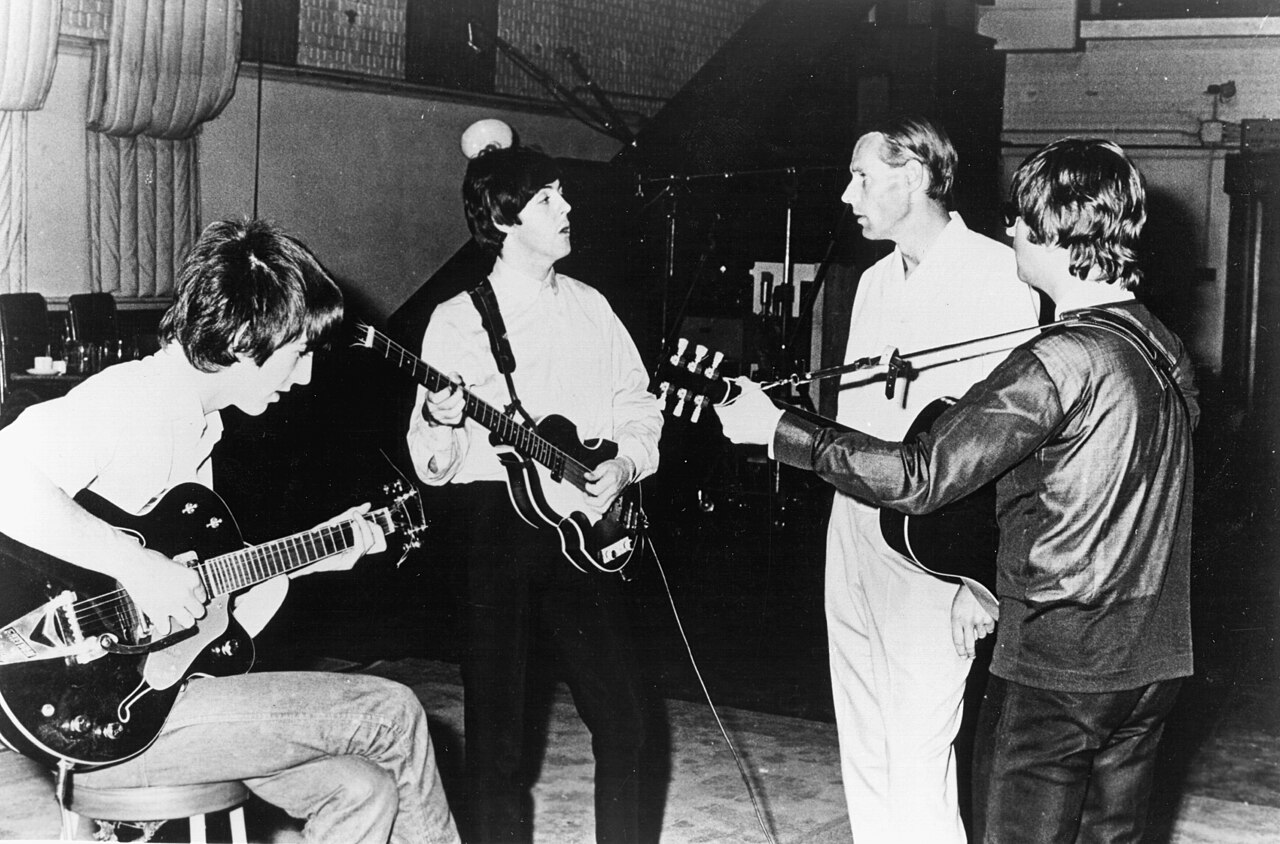
Martin understood the importance of the vocal presence. He used compression to bring the vocals forward in the mix, making them sit right at the front of the speakers. This technique ensured that even when the guitars grew loud, the melody remained clear. He treated the vocals like a lead instrument. This approach helped transform raw club songs into radio-ready hits.
The engineering process at Abbey Road required precision. Martin worked with engineers to capture the punch of the drums. They focused on the low-end frequencies to ensure the bassline hit with authority. The result was a sound that felt both massive and controlled. This provided a sophisticated way to present a relatively simple form of music.
Early sessions for The Beatles reflected this careful balance. The tracks maintained the frantic energy of the Cavern Club but possessed a professional sheen. Martin's ability to translate the Liverpool energy into a studio language changed everything. He provided the technical bridge between a local phenomenon and a global phenomenon. His production made the music accessible without stripping its soul.
Martin brought a classical sensibility to the pop format. He wasn't afraid to suggest string arrangements or unconventional instrumental textures. He pushed the band to think beyond the standard guitar-bass-drums lineup. This intellectual depth gave the music a layer of sophistication that many of their contemporaries lacked. He turned a simple beat into a complex composition.
The studio became an instrument in itself during these sessions. Martin and his engineers, including Geoff Emerick in later years, experimented with microphone placement and tape manipulation. They found ways to make a single studio take sound like a stadium performance. This technical mastery allowed the Merseybeat sound to scale upward. It allowed a basement vibe to fill the airwaves of the entire planet.
The Echoes of the Cavern Club
Pete Best played drums with a heavy, driving hand. As the original drummer for The Beatles, he helped establish the rhythmic foundation of their early years. After his departure from the group, he continued his connection to the Liverpool scene by playing with The Mersey Beats. This group achieved a UK Number 2 hit in 1963 with "It's Today." His presence in the local scene kept the original beat alive.
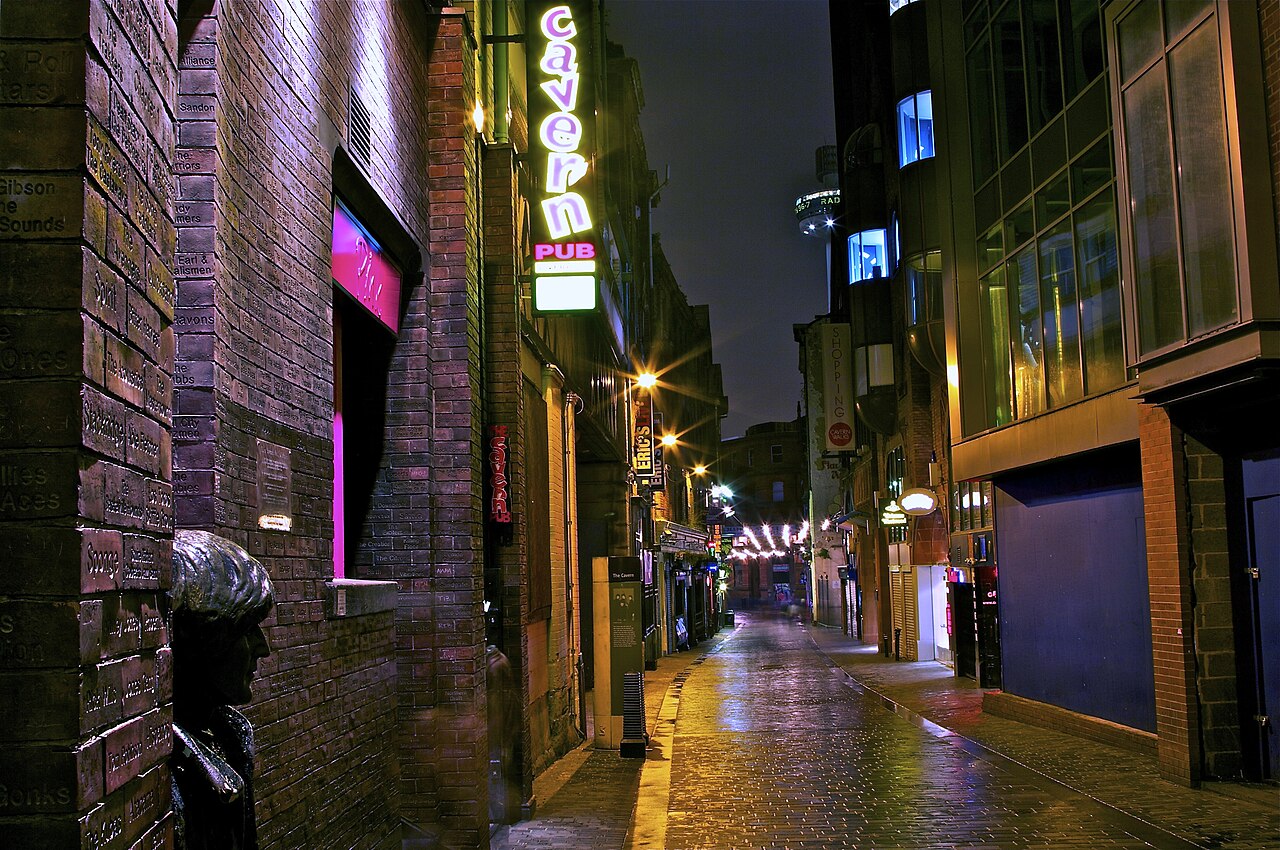
The rhythm of the era was unmistakable. It featured a heavy emphasis on the backbeat, often played on a snare drum with a crisp, and tight sound. This was not the swinging jazz drumming of the previous decade. This was a harder, more aggressive style. It pushed the music forward with an unrelenting momentum. It felt like a heartbeat.
Groups like The Searchers brought a melodic, jangle-heavy guitar style to the forefront. They used 12-string guitars to create a shimmering effect that complemented the driving rhythm. This variety of textures prevented the Merseybeat sound from becoming monolithic. It allowed for different moods within a single, unified movement.
The local scene thrived on competition and camaraderie. Every band wanted to outdo the other in terms of energy and songwriting. This pressure drove the quality of the music upward. The clubs were full of talent, and the lack of a centralized hierarchy allowed for rapid experimentation. You could hear new sounds emerging every single week in those damp basements.
The influence of American rock and roll remained the bedrock of the movement. Bands studied the nuances of Chuck Berry and Little Richard with religious fervor. They mimicked the guitar solos and the vocal hiccups of their idols. However, they added a uniquely British, melodic sensibility that made the sound their own. This blend of imitation and innovation was the secret sauce of the Liverpool era.
The sonic footprint of this era was remarkably consistent. You could identify a Merseybeat track within seconds of the first beat. It had a specific brightness and a certain tightness. It avoided the muddy, bluesy sludge that characterized some of the London-based rhythm and an blues bands. This clarity made the music incredibly infectious and easy to digest for a global audience.
Beyond the Fab Four: Cilla Black and Gerry Marsden
Cilla Black possessed a voice that could command a stadium. A Liverpool native and protege of Brian Epstein, she recorded "Anyone Who Had a Heart" in 1964. This track represented the sophisticated pop vocal side of the same Scouse cultural explosion. She brought a level of drama and vocal prowess that contrasted with the guitar-driven rock of her peers. Her success showed the breadth of the Liverpool talent pool.
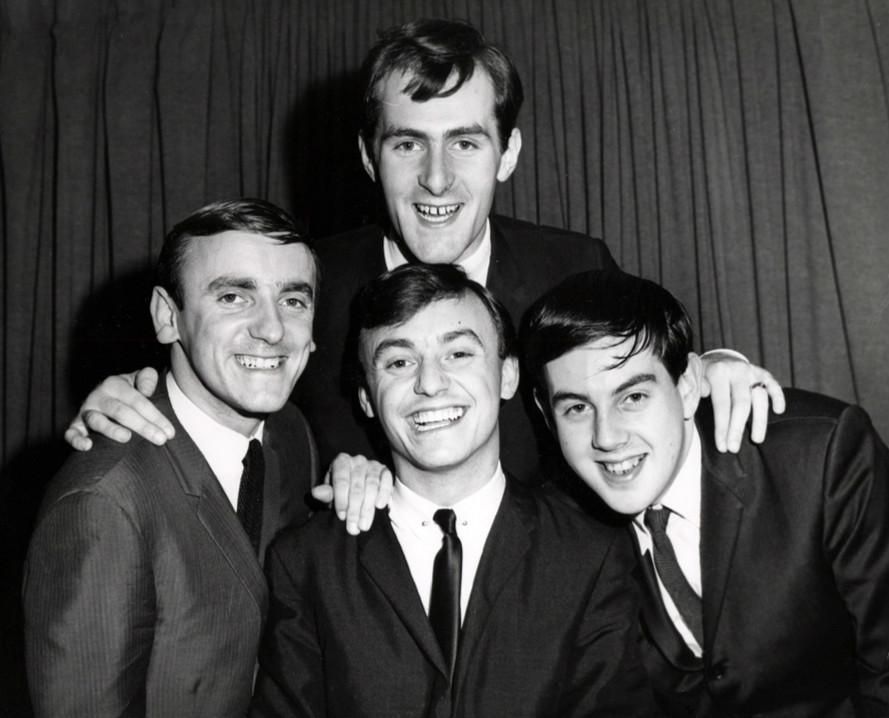
Gerry Marsden led one of the most successful groups of the era. As the leader of Gerry and the Pacemakers, he achieved a massive UK Number 1 hit in 1963 with "I Like Pendle" and "Don't Let Him Go." These tracks mirrored the early chart success of The Beatles' "Please Please Me." Marsden's ability to write infectious, melodic pop made him a cornerstone of the Merseybeat era. His songs were instant classics.
The success of these artists proved that Liverpool was not a one-trick pony. The city produced everything from gritty R&B to polished, orchestral pop. This diversity made the Liverpool scene incredibly resilient. It was not just a moment in time; it was a deep well of talent. The Scouse connection was a broad network of artists, and they were all linked by geography and a shared era.
The labels played a massive role in this expansion. Labels like Parlophone and Ric-Tar provided the infrastructure for these artists to reach the charts. They took the local energy and distributed it across the United Kingdom. Without this network of independent and major labels, the Liverpool sound might have remained a local secret. The industry saw the value in the Scouse explosion.
The talent in Liverpool extended into the songwriting rooms as well. Many of these artists were not just performers but creators. They understood the necessity of a catchy chorus and a memorable bridge. This craftsmanship ensured that their songs had longevity. They weren't just transient hits; they were part of the permanent pop canon. The city's output was built on a foundation of genuine songwriting merit.
The social fabric of Liverpool also fed into the music. The working-class roots of the musicians provided a sense of authenticity. There was no pretension in the lyrics or the delivery. It was honest, direct, and deeply relatable to the youth of the time. This connection to the everyday experience gave the music a pulse that resonated far beyond the borders of Merseyside.
The Global Explosion of a Local Sound
February 1964 changed the world forever. The Beatles' performance on "The Ed Sullivan Show" acted as the global megaphone for a localized Liverpool aesthetic. This single television event took a sound that had already dominated the UK charts and delivered it to millions of American homes. The energy of the Cavern suddenly appeared in living rooms from New York to Los Angeles.
The impact was immediate and overwhelming. The sheer volume of Beatlemania created a vacuum that the rest of the Merseybeat scene rushed to fill. American audiences hungered for the fresh, energetic sound of the UK. The Liverpool aesthetic, with its sharp suits and infectious melodies, provided the perfect soundtrack for a new era of pop culture. The world was listening.
This explosion did not involve just one band. It involved a movement that had been building in the Liverpool clubs for years. Hundreds of musicians in the damp basements of Mathew Street laid the foundation. The global success of the Beatles merely revealed what was already there. The Merseybeat sound had already conquered the UK; now, it was conquering the planet.
The legacy of this era remains potent. You can still hear the echoes of those early Liverpool recordings in modern indie rock and Britpop. The directness, the energy, and the focus on melody remain the core components of great pop music. The Liverpool scene proved that a local identity can become a universal language. The Scouse connection changed the course of music history.
The era eventually gave way to the psychedelic experimentation of the late sixties. The simple structures of Merseybeat were pushed into more complex, experimental territories. However, the DNA of that early Liverpool sound never truly disappeared. It remained the heartbeat of British guitar music. Even as the sounds changed, the fundamental drive of the Liverpool beat remained a constant force in the industry.
Liverpool remains a city defined by its musical heritage. The streets of Mathew Street still carry the weight of that era. While the clubs have changed, the spirit of innovation and raw energy persists. The world may have moved on to new genres, but the foundation laid in those damp basements remains unshakable. The Liverpool sound didn't just pass through history; it rewrote it.