Why You Can't Remember That One 90s Britpop Banger
February 19, 1993, changed the trajectory of British guitar music forever. Suede released their self-titled debut on Nude Records, and suddenly, the grit of London replaced the sludge of Seattle. Brett Anderson sang about urban decay with a predatory, glam-inflected swagger that made grunge feel like a damp basement. The guitars bit with a sharp, jagged edge. This single release acted as the starting pistol for a decade of melodic warfare.
Music fans across the United Kingdom traded flannel shirts for sharp blazers and a renewed sense of national arrogance. The 90s Britpop banger became the currency of every pub and university common room. You could not walk through Camden or Manchester without hearing some iteration of a melodic, guitar-driven anthem. We felt convinced our small island had regained control of the global airwaves.
The era prioritized clarity, melody, and a specific kind of sonic confidence. It rejected the muddy, distorted textures of the American underground. Instead, bands like Suede provided a blueprint that valued artifice as much as authenticity. They brought back the concept of the rock star. This period felt like a bright, neon-lit fever dream before the reality of the late nineties set in.
The Suede Spark in 1993
Suede arrived with an urgency that felt almost violent. Their debut album did not just sit on the shelves; it invaded the consciousness of every teenager in the country. Producer Stephen Lironi gave the tracks a glossy, sharp finish that cut through radio static. Bernard Butler played guitars that felt like silk being ripped. He used textures that were both lush and serrated, standing in stark contrast to the muddy, distorted tones of the early nineties.
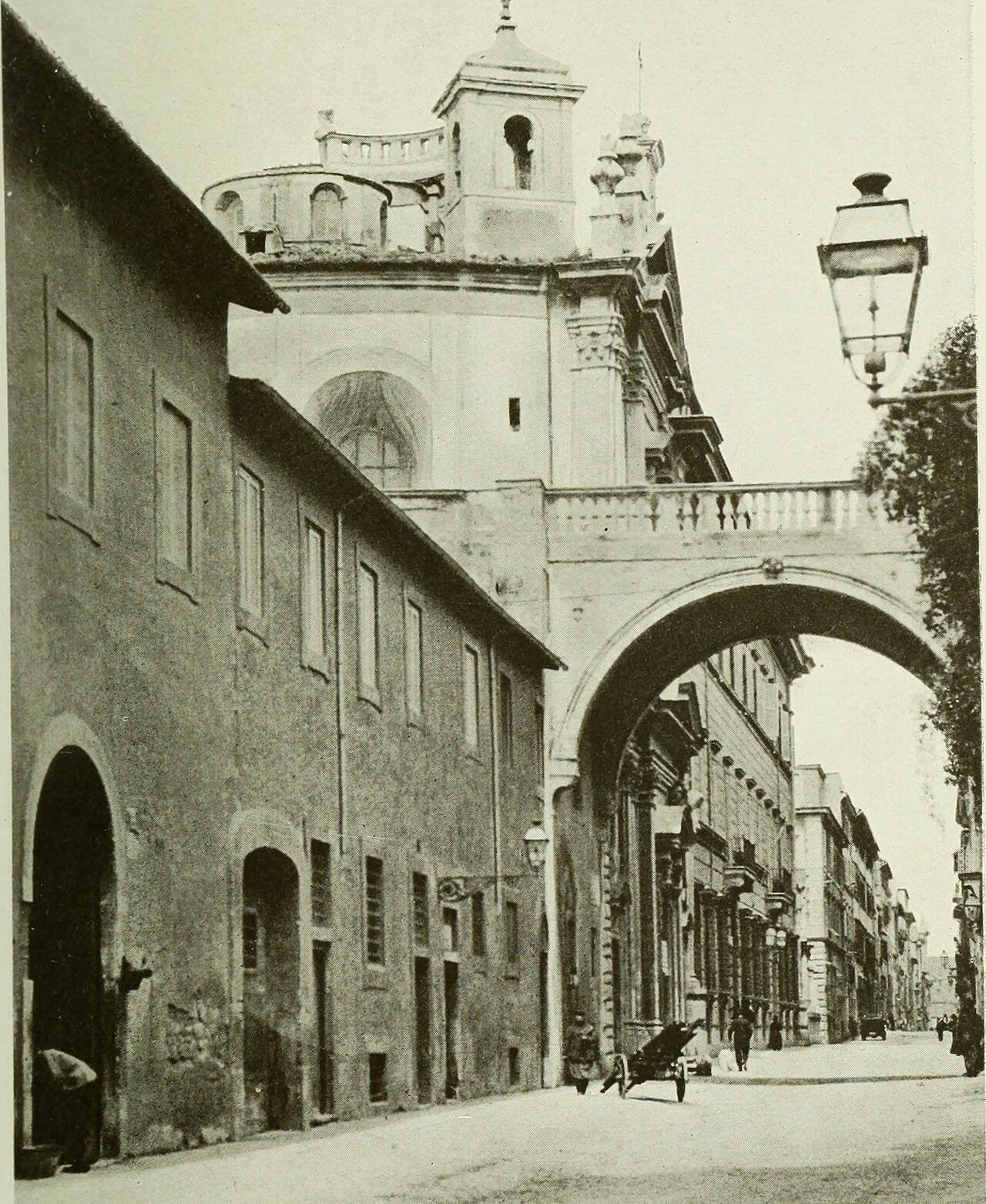
London served as the primary character in their early songs. You could almost smell the rain on the pavement and the cheap perfume in the clubs. The lyrics focused on the grit and the glamour of urban life. This specific, localized perspective felt incredibly authentic to those living it. Nude Records backed a vision that felt much larger than a simple indie label. The label understood that this sound could dominate the charts if given enough oxygen.
The influence of the movement spread through the UK like a contagion. Every band wanted to capture that specific blend of melody and menace. We saw a shift toward more structured, pop-oriented songwriting. The chaos of the previous years gave way to anthems designed for singalongs. Every track felt like it was built for a festival crowd. It was a time of immense, unearned confidence in the power of a good hook.
The industry took notice of this sudden surge in guitar-driven popularity. Labels scrambled to find the next Suede. They searched for bands that could replicate that specific blend of art-school intellect and pop sensibility. This competition fueled the rapid expansion of the genre. It created a period where a single great song could change a band's entire career overnight. The stakes felt incredibly high for every group entering the fray.
The Great Chart War of 1995
August 14, 1995, remains a landmark date for anyone who lived through the height of the movement. The UK Singles Chart became a battlefield for two warring factions. Blur and Oasis engaged in a direct, public confrontation that split the country down the hungry middle. One side represented art-school experimentation, while the other stood for working-class anthems. This conflict centered on identity as much as melody.
Blur released "Country House" on that same Friday, aiming directly for the top spot. They utilized a bright, bouncy production style that felt quintessentially English. It was a clever, slightly cynical take on the era. On the other side, Oasis presented "Roll With It," a track that practically roared with bravado. The battle was intense. Every newspaper printed their predictions about which band would win the week.
Blur took the number one spot, but the victory felt bittersweet for the Manchester crowd. The chart battle turned the music into a spectator sport. People did not just listen to the songs; they picked sides in a cultural conflict. This competition drove sales to heights rarely seen in the modern era. It forced bands to be more creative and more aggressive. The pressure to top the charts created a relentless cycle of high-quality releases.
The rivalry actually helped the genre thrive by creating much-needed drama. It gave the media something to talk about besides the music itself. Fans felt a genuine sense of investment in the outcome. Even if you hated the songs, you had to acknowledge the spectacle. This period of intense competition remains the peak of the movement's mainstream power. It was the moment the 90s Britpop banger became a national obsession.
Morning Glory and the Wall of Sound
October 2, 1995, changed the trajectory of British rock forever. Oasis released (What's the Hag Glory?) and proceeded to dominate the UK Albums Chart for weeks. The record was a juggernaut. It moved units with a force that felt unstoppable. People did not just buy the album; they lived with it. The sheer scale of its success was unprecedented for a guitar band.

Noel Gallagher crafted songs that felt like they had always existed. He used a Vox AC30 amplifier to achieve a signature jangle and grit. This specific gear choice provided the foundation for the Oasis sound. The guitars roared with a thick, layered texture that filled every frequency. At Rockfield Studios in Wales, the band pushed the limits of volume and melody. They created a wall of hard-hitting sound that was both massive and incredibly catchy.
The production on the album emphasized a sense of grandiosity. Every track felt like it was designed for a stadium. The drums hit with a heavy, unyielding thud.
The melodies soared above the thick layers of distorted guitars. It was a masterclass in stadium-sized songwriting. You could hear the ambition in every chord progression. The album did not just aim for the top; it intended to stay there.
"And all the people, enough, so many, so many..."
The lyrics of "Wonderwall" and "Don't Look Back in Anger" became universal. They were simple enough to be sung by thousands, yet emotive enough to feel personal. The band's attitude was equally infectious. They projected a sense of invincibility that the public found irresistible. At the 1996 Brit Awards at Alexandra Palace, Oasis won Best British Group, solidifying their dominance. They stood atop a mountain of hits.
The Bitter Sweet Symphony of Memory
The year 1997 brought a different kind of weight to the movement. The Verve released "Bitter Sweet Symphony" on Hut Recordings, and it felt like the end of an era. The track relied on a massive, sweeping orchestral sample. It utilized an arrangement derived from an Andrew Loog Oldham version of The Rolling Stones' "Theercer." This choice gave the song a cinematic, almost tragic quality. It was much more sophisticated than the pub-rag anthems of 1995.

Richard Ashcroft led a lineup that possessed incredible musical depth. The band featured Nick McCabe, Simon Tong, and Peter Salisbury. This specific configuration allowed for much more complex textures.
McCabe's guitar work was liquid and psychedelic. It provided a swirling, atmospheric backdrop to Ashcroft's soulful, weary vocals. The sound was much more expansive than the straightforward rock of Oasis. It felt like the movement was growing more melancholic.
The production captured a sense of grandeur and decay. It sounded like a sunset over a dying industry. While the earlier years focused on the excitement of the new, The Verve offered something more reflective. The strings felt heavy, almost burdensome. It was a beautiful, mournton sound that worked perfectly for the late nineties. The track captured the transition from the manic energy of Britpop to the more introspective sounds that followed.
This era of The Verve proved that the genre could handle complexity. They moved away from the simple three-chord structures of the early years. The music demanded more from the listener. It was not just something to shout along to in a pub. It was something to sit with and contemplate. This evolution showed the true breadth of the talent present in the UK at the time.
Finding the Lost Connection
Elastica brought a sharp, jagged energy to the mid-nineties. In 1995, their single "Connection" climbed to number 2 on the UK Singles Chart. The track featured a driving, nervous energy that felt much more modern than their peers. It drew heavily from punk and post-punk influences. The guitars were thin and biting, cutting through the mix like a razor. It was a perfect example of the genre's ability to incorporate different styles.
The band's aesthetic was just as important as their sound. They possessed a cool, detached attitude that felt very much of the time. The music was short, punchy, and incredibly effective.
There was no wasted space in their songwriting. Every note served a purpose. It was a refreshing contrast to the massive, bloated productions of the era's larger bands. They proved that a 90s Britpop banger did not need a wall of sound to be effective.
Pulp also contributed to this era with a sense of social observation. They recorded "Common People" at Strawberry Studios in Stockport. Producers Phil Wynter and Sam Everington helped capture the track's frantic, disco-influenced energy. The song was a biting critique of class dynamics in the UK. It combined a danceable beat with incredibly sharp, witty lyrics. It was a brilliant piece of pop songwriting that felt both intellectual and visceral.
The production on "Common People" captured the frantic energy of the era. The bassline was driving and insistent. The keyboards added a layer of bright, almost frantic excitement.
It was a song that worked as an club anthem and a radio staple. Jarvis Cocker's vocal performance was masterfully deadpan. He delivered the lyrics with a sneer that was both funny and biting. It was a quintessential part of the era's diversity.
Why the Era Stays Buried in Your Mind
Memory works in strange, fragmented ways. We remember the feeling of a chorus hitting perfectly in a crowded room. We remember the smell of a specific venue in Manchester or London. We do not necessarily remember every single track from 1995. The sheer volume of releases during this period makes it impossible to catalog every hit. The movement was too large, too fast, and too loud to be fully contained in a single memory.
The 90s Britpop banger survives because of its emotional impact. These songs tied us to specific moments in our lives. They were the soundtracks to summer holidays, breakup sessions, and late-night drives.
The music was physically present. It was loud, it was heavy, and it was everywhere. The sheer ubiquity of the sound makes it hard to separate the music from the cultural atmosphere of the time. We remember the era more than we remember the individual discographies.
Some parts of the movement have faded into obscurity. The less melodic tracks and the weaker bands have been lost to the archives. Only the strongest, most visceral anthems remain. These survivors endure the shifting tastes of the decade. The ones that still trigger that sudden burst of nostalgia are the ones that still make you want to turn the volume up when they come on the radio.
The era ended because it simply ran out of steam. The competition became too much, and the tropes became too predictable. The sheer amount of guitar music on the airwaves eventually led to listener fatigue. The excitement of the battle was replaced by the exhaustion of the aftermath. Yet, the fragments that remain are incredibly potent. The 90s Britpop banger is a piece of a much larger, much more chaotic history.