How Pirate Radio Invented Modern Pop Culture
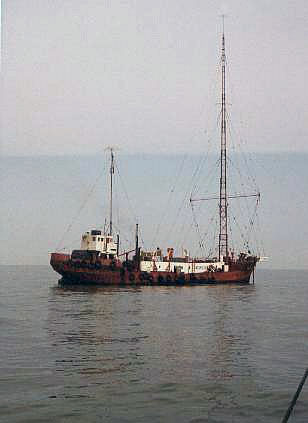
The North Sea sprayed salt onto the rusted deck of the MV Mi Amigo in 1964. Radio Caroline DJs leaned into microphones while the ship bobbed violently in international waters. They broadcast signals that bypassed the BBC monopoly on legal land-based broadcasting. This was not a hobby for bored sailors. It was a deliberate act of resistance against a stagnant, state-controlled radio culture that refused to play the hits.
Londoners tuned their transistor radios to find the sounds of America and Motown. The BBC provided nothing but light orchestral music and news bulletins. People craved the energy of the 1960s beat boom. Offshore stations provided that pulse. They turned the ocean into a massive, unregulated studio for the youth of Britain.
Radio Caroline bypassed the law by staying outside UK territorial waters. This legal loophole allowed them to broadcast without a license from the Post Office. They played the rock and roll that the BBC ignored. Every crackle in the signal carried the weight of a cultural revolution. The BBC pirate radio era began on a boat, not in a studio.
The MV Mi Amigo and the 1964 Rebellion
The MV Mi Amigo stood as a floating fortress of frequency. Station owners like Ronan O'Rahilly understood the power of the offshore signal. They knew the BBC held the keys to the legal airwaves. By moving the studios to the edge of the continental shelf, they stripped the state of its control. The music played on these ships felt dangerous and fresh.
Listeners heard the first notes of The Beatles and The Rolling Stones through layers of static. These stations played the Top 40 hits with a relentless, high-energy pace. The BBC lacked the format to compete with this onslaught. They simply did not have the DJs who understood the rhythm of the street. The pirate stations held every advantage.
Radio London and Radio Atlantis used high-powered transmitters to reach the UK coast. Their signals cut through the fog and the interference. These broadcasters focused on the hits that mattered to teenagers. They ignored the stuff and academic approach of the official broadcasters. They played the records that made people dance in their bedrooms.
The sheer volume of these broadcasts forced a change in the national consciousness. You could not ignore the sound of the ocean playing pop music. It occupied the airwaves even when the sun went down. This era proved that the audience, not the government, decided what was popular. The ships served as the engines of a new, commercialized auditory experience.
"The pirates were the only ones playing the music we actually wanted to hear."
The DJs on these ships worked in cramped, humid conditions. They dealt with technical failures and the constant threat of weather. Yet, they maintained a level of charisma that the BBC could not replicate. Their voices carried the excitement of the forbidden. Every song felt like a stolen treasure.
The technical setup on the MV Mi Amigo involved heavy-duty maritime transmitters and microphones that often picked up the groaning of the ship's hull. Engineers struggled to maintain a clean signal while the vessel pitched in the waves. This physical struggle added grit to the broadcast. The listener felt the instability of the source. It made the pop music feel more visceral and urgent.
The 1967 Crackdown and the BBC Pivot
September 30, 1967, changed the course of British broadcasting forever. The government passed the Marine, etc. Act to shut down the offshore rebels. This law gave the Post Office the legal authority to seize pirate radio equipment. They targeted the ships and the shore-based transmitters with precision. The era of the big offshore ships faded into the mist.
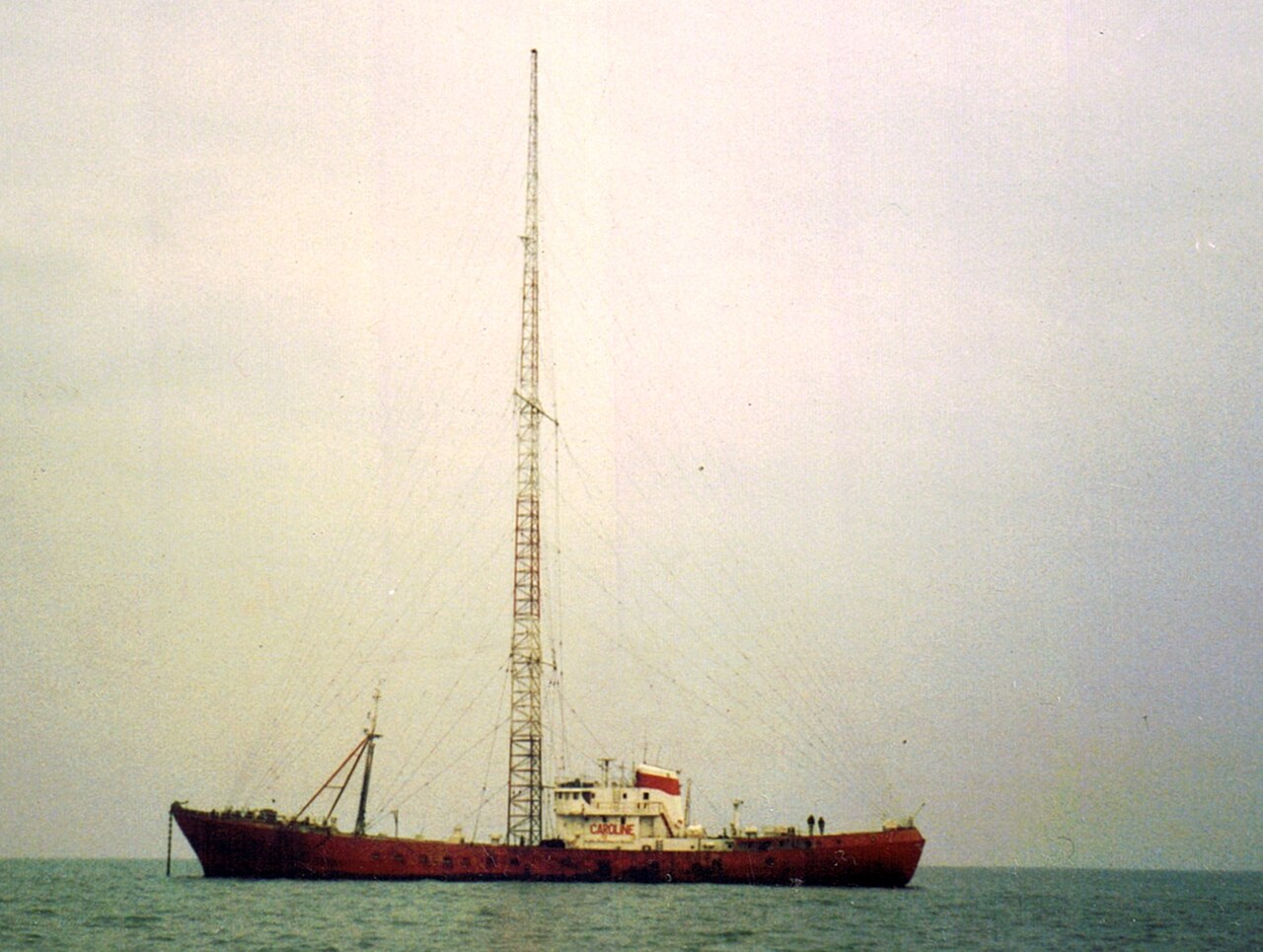
The crackdown forced the movement underground. It did not kill the spirit of the pirates. Instead, it pushed the energy into local, community-driven FM broadcasting. The authorities thought they had won the battle. They actually just changed the battlefield. The rebellion moved from the sea to the streets of London.
The BBC realized they were losing the war for the ears of the nation. They saw the massive popularity of Radio London and the influence of DJs like Tony Blackburn. To survive, the BBC adopted a pop-centric format. They launched Radio 1 in 1967 to capture the very audience the pirates had cultivated. This launch acted as a strategic surrender.
Many DJs transitioned directly from the illegal offshore stations to the new BBC station. Tony Blackburn and Kenny Everett brought their high-energy, hit-driven style to the legal airwaves. They brought the pirate DNA to the national stage. The BBC essentially hijacked the pirate format to save itself. This move validated the pirate methodology for the entire industry.
The shift changed the very nature of the UK music industry. Suddenly, a single station controlled the narrative of what was cool. The BBC Radio 1 playlist became the gatekeeper for every record label in London. If a track did not land on that list, it effectively did not exist to the mainstream. This centralization created a new kind of tension between the official and the underground.
Listeners felt the loss of the maritime grit. The Radio 1 studios felt much too safe and much too polished. The unpredictability of the sea was replaced by the scheduled precision of a state-funded institution. While the music remained pop, corporate necessity sanded the edge down. The revolution had been domesticated.
Heavy Duty Transmitters and the London Underground
London streets echoed with the hum of illegal FM signals in the 1980s. Crews like MD and other London-based pirate groups operated out of high-rise flats. They used UHF transmitters and modified heavy-duty car radios to reach the city. These setups were small, portable, and incredibly difficult to track. The signal bounced off the concrete towers of the estate.
The music changed from 60s pop to the breakbeats of the underground. Pirate radio became the only way to hear the emerging sounds of jungle and hardcore. These stations operated with a heavy sense of urgency and secrecy. A DJ might broadcast for twenty minutes before moving to a new location. The technology remained makeshift and gritty.
The sound of these broadcasts was physically demanding. The bass hit like a blunt object against the eardrum. It was not polished or smooth. It was the sound of a heavy-duty transmitter pushed to its absolute limit. This raw audio quality became part of the genre's aesthetic. It felt real because it was technically unrefined.
Station operators hid antennas in chimneys and behind water tanks. They dodged the police and the authorities constantly. This high-stakes environment created a tight-lon community of broadcasters and listeners. The music was a secret shared between those who knew where to tune. It was a localized, hyper-intense version of the 1960s rebellion.
The 1980s pirate scene descended directly from the 1964 ships. The goal remained the same: play the music that the mainstream ignored. The medium had simply shrunk from a ship to a rooftop. The energy remained just as volatile and much more aggressive.
The technology of the era relied on modified FM transmitters and high-gain antennas. Engineers stripped down standard radio gear to squeeze every watt of power out of the signal. They used parts scavenged from consumer electronics to build more powerful, illegal rigs. This DIY engineering gave the pirate sound its signature, distorted character. It was the sound of urban survival.
The Akai S1000 and the Sound of London
London studios in the early 19lon90s smelled of ozone and overheated electronics. Producers sat surrounded by piles of vinyl and tangled patch cables. The production of "The Sound of London" tracks relied heavily on the Akai S1000 sampler. This machine changed how producers approached rhythm and melody. It allowed for the precise manipulation of breakbeats.
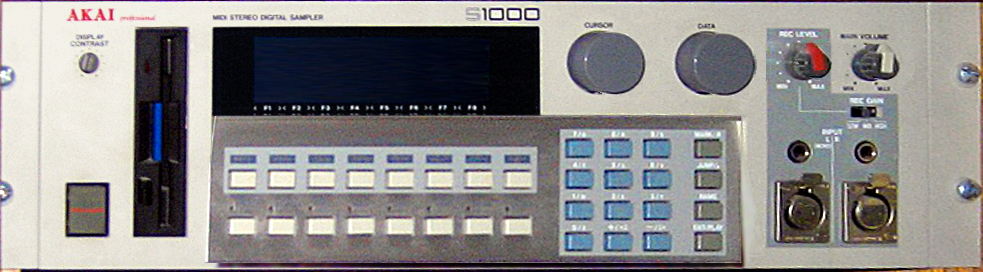
The Akai S1000 defined the gritty, chopped aesthetic of the era's underground club music. Producers sampled a drum break from an old funk record and sliced it into tiny pieces. They reassembled these fragments into rapid-fire patterns. This technique created the frantic, rolling energy of jungle. It was a digital way of playing with rhythm.
Every track had a specific, textured quality. The samples were often low-bitrate and slightly distorted. This grit matched the urban environment of the pirate radio era. You could hear the weight of the drums in the low-end frequencies. The basslines moved with a heavy, lumbering presence that shook the speakers.
The technology democratized music production for the London underground. You did not need a massive studio or a million-pound budget. You just needed an Akai sampler and a good ear for breaks. This accessibility fueled the explosion of new genres. The sound of the city grew one sample at a time.
The impact of this sound reached the UK Singles Chart in the 1990s. Tracks like M-Beat's "Incredible" (1994) gained massive momentum through illegal broadcasts. The song moved from pirate airwaves to the mainstream charts. The underground successfully breached the walls of the industry. The sampler provided the ammunition for the invasion.
Producers like LTJ Bukem or Goldie used these machines to craft complex, layered soundscapes. They pushed the Akai's memory limits to include atmospheric pads and deep, sub-heavy basslines. The S1000 allowed for a level of rhythmic complexity that previously required a live drummer. This digital manipulation became the heartbeat of a whole generation of Londoners.
Hip Hop, US Imports, and Tim Westwood
Tim Westwood used the unregulated format of pirate radio to introduce a new era of sound. He bypassed the heavily censored playlists of the legal BBC stations. He brought the raw, unfiltered energy of US hip-$\\hop$ to the UK. This was not the polished pop of the radio mainstream. It was the boom-bap and the street-level lyricism of New York.
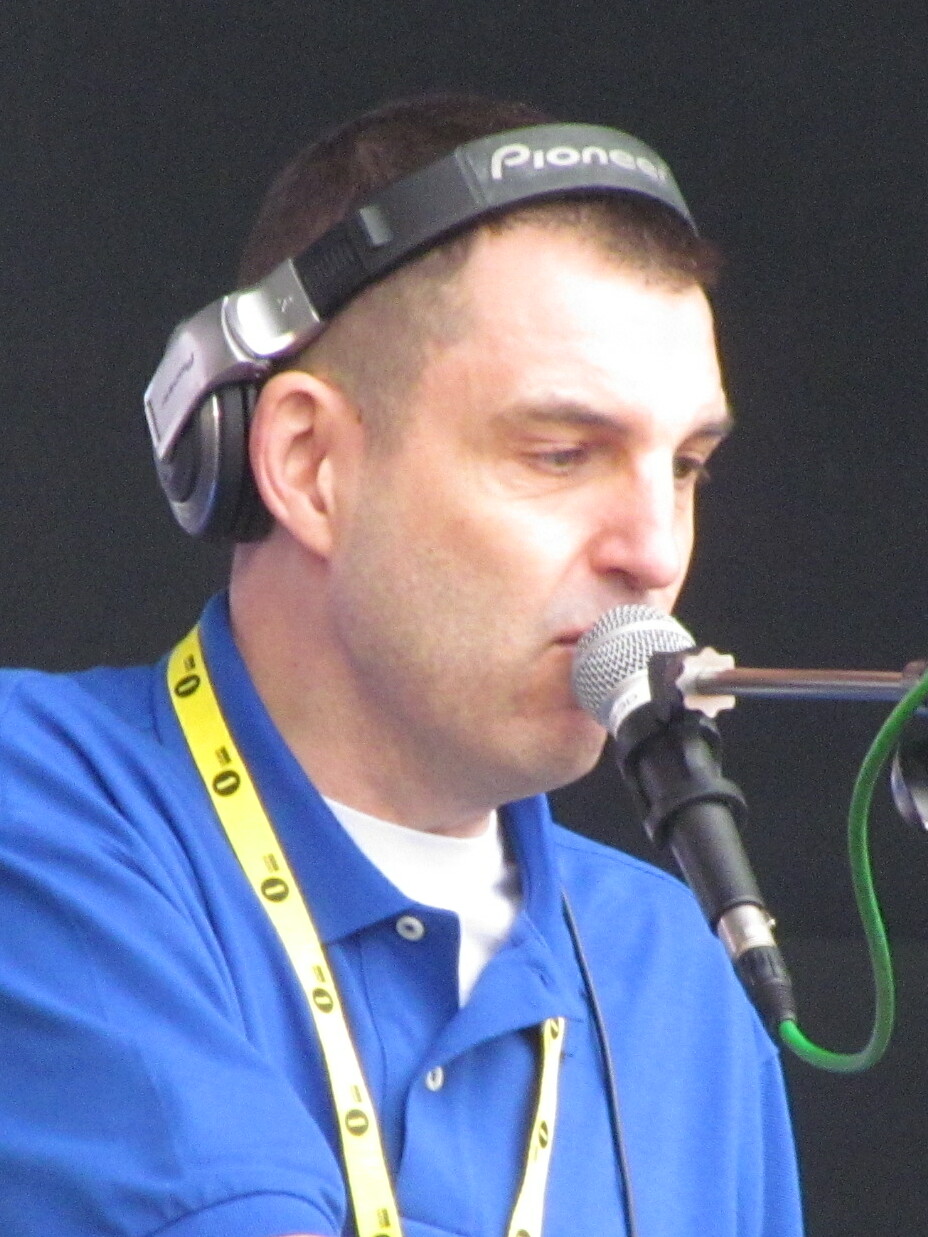
Westwood played records that the BBC would never touch. He aired tracks with heavy bass and aggressive lyrical content. This exposure was vital for the development of the UK hip-hop scene. He provided a platform for US imports to find a home in London. The pirate airwaves acted as a bridge across the Atlantic.
Hi-fi systems in London flats rattled with the sound of Wu-Tang Clan and Nas. The heavy, boom-bap drums provided a new rhythmic template for British listeners. It was a stark contrast to the drum and bass dominating other stations. This diversity of sound made the pirate scene a true melting pot of global influences.
The lack of regulation allowed for a genuine, unfiltered musical exchange. There were no radio plugs or corporate interests to manage. The DJ played what they wanted, when they wanted. This freedom created a sense of discovery for the listener. You never knew what sonic surprise might emerge from the static.
The influence of this era on UK hip-hop remains immense. It built the foundation for every UK rapper that followed. By providing a direct line to the source, pirate radio shaped the DNA of British urban music. The culture arrived, transformed, and then re-emerged in a new form.
Westwood's sets often featured the latest vinyl from US shops like Fat Beats. He spun tracks that had only just landed in the UK, often before they even hit the American airwaves. This immediacy made his broadcasts feel like a real-time news report from the front lines of hip-hop. He documented a movement.
Rinse FM and the Legacy of the Airwaves
Skyy and his crew founded Rinse FM in the 1990s with a clear vision. They provided the essential platform for the development of UK Garage and later Dubstep. This station was not just a broadcaster; it was a cultural institution. It carried the torch of the pirate tradition into a new millennium. The station thrived on the energy of the underground.

Rinse FM became the training ground for a generation of legendary DJs. It was where the sounds of the streets were refined and broadcast to the masses. The station's influence extended far beyond the FM frequency. It shaped the clubs, the fashion, and the lifestyle of London.
The lineage from the MV Mi Amigo to Rinse FM is direct and unbroken. Both eras relied on the concept of the unpermitted signal. Both eras prioritized the needs of the subculture over the demands of the state. The pirate model proved its longevity by adapting to new technologies and new genres.
Modern streaming services have changed how we consume music, but they cannot replace the pirate spirit. The pirate radio era taught us that music belongs to the people who live it. It showed that the most important sounds often come from the most unexpected places. The legacy of the airwaves remains in the pulse of the city.
The airwaves still carry the echoes of those illegal broadcasts. You can hear it in the heavy bass of a dubstep track or the frantic breaks of jungle. The rebellion continues every time a new sound finds its way into the ears of the public. The pirates never truly left the airwaves; they just changed their frequency.