Why Your Brain Cannot Ignore 120 BPM 4/4 Time
Milan, Italy, researchers stared at heart rate monitors in a sterile university laboratory in 2014. They watched human pulses fluctuate against rhythmic stimuli. This University of Milan study proved that rhythmic entrainment works best when tempo mimics a resting human heart rate between 60 and 120 beats per minute. Your body recognizes this frequency as a biological baseline. When a drummer hits a snare on the two and the four at 120 BPM, your nervous system responds to a familiar internal metronome.
The human brain seeks patterns to organize a chaotic world. We crave the predictability of a steady beat. This biological drive makes 120 BPM 4/4 time an inescapable force in modern music. It sits at the sweet spot between lethargy and frenzy. It provides enough momentum to move a crowd without triggering the flight response of a racing pulse.
Music functions as an externalized heartbeat for the listener. We do not just hear the rhythm. We physically align our movements to it. This alignment creates a shared social experience that transcends language or culture. A steady, mid-tempo beat provides the foundation for almost every danceable genre in history.
The Biological Pulse of 120 BPM 4/4 Time
A stethoscope pressed against a chest reveals the fundamental truth of rhythm. The heart beats with a relentless, unthinking precision. Scientists at the University of Milan identified this link in their 2014 research. They found that our brains latch onto tempos that sit within the 60 to 120 BPM range. This range covers the spectrum of a calm, resting state to a moderately active one. We are hardwired to find comfort in these frequencies.
Physiological entrainment happens without our conscious permission. You hear a drum loop and your foot begins to even out its movement. Your motor cortex synchronizes with the auditory input. The 1/4 note pulse provides a rhythmic anchor that stabilizes our perception of time. It turns a sequence of sounds into a structured, predictable environment.
The 4/4 time signature offers the most stable framework for this phenomenon. It provides a clear sense of beginning, middle, and end within a single measure. Each beat feels weighted and purposeful. When the tempo stays near the 120 BPM mark, the brain remains alert but relaxed. This state allows for maximum engagement with the music's melody and texture.
Consider the physical sensation of a steady beat. It feels like a steady gait during a long walk. It provides a sense of forward motion that prevents the listener from drifting away. This biological resonance explains why certain songs feel "right" even when we cannot explain why. The rhythm simply matches the internal rhythm we carry from birth.
"The beat is the heartbeat of the song, the pulse that keeps the listener connected to the groove." - Quincy Jones
Quincy Jones understood this connection better than almost anyone in the industry. He built entire careers around the precision of the groove. His production style relied on finding that exact frequency where the listener cannot help but move. He used the drummer as a biological trigger for the audience.
Beethoven and the Architecture of the March
Vienna, 1798, marked a shift in how we perceive rhythmic structure. Ludwig van Beethoven published his "Marche Militaire" during a period of intense musical transformation. This piece established a psychological blueprint for the 120 BPM cadence. The tempo mimics the stride of a disciplined soldier. It creates a sense of order and inevitable progression through the use of 4/4 time.
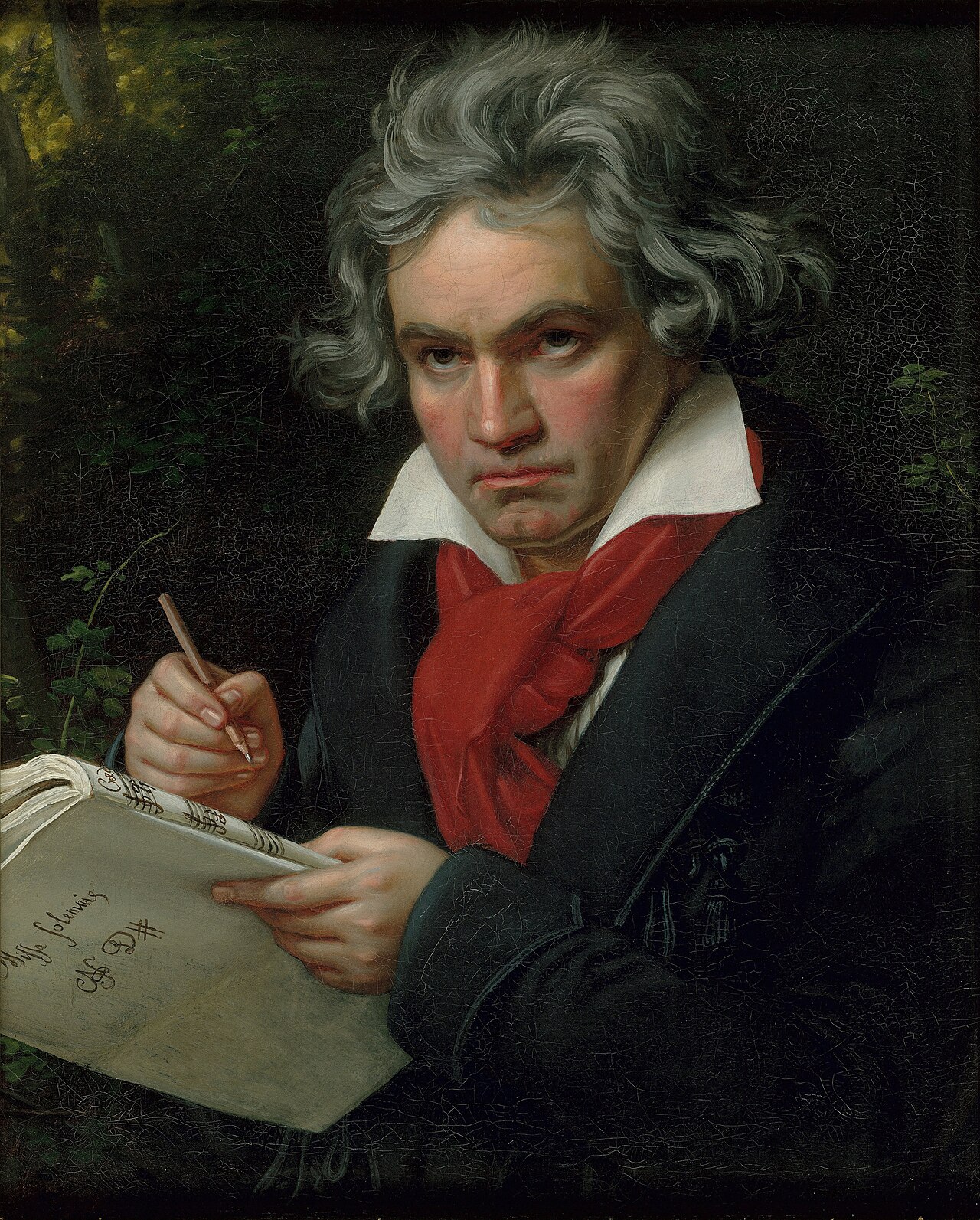
Orchestras like the Berlin Philharmonic have recorded this work with punishing precision. They emphasize the heavy, downward emphasis on the first beat of every measure. This creates a sense of gravity. You feel the weight of each step. The music does not drift; it marches with a singular, focused intent.
Military marches rely on this specific tempo to coordinate large groups of people. A drummer uses the 120 BPM pulse to keep soldiers in step. If the tempo drags, the formation breaks. If it rushes, the soldiers exhaust themselves. This functional use of rhythm codified the 4/4 time signature as a tool for social organization.
Beethoven used this cadence to evoke strength and authority. The rhythm does not ask for your attention. It commands it through repetition and structural stability. This piece provided the foundational DNA for almost every rhythmic march that followed in Western classical and modern popular music. It turned a simple beat into an architectural feat.
The Disco Era and Rhythmic Synchronization
New York City clubs in 1977 pulsed with a different kind of energy. The Bee Gees released "Stayin' Alive" on the RSO label, and it changed the dancefloor forever. The track maintains a steady 103 to 105 BPM. While slightly slower than the 120 BPM peak, it sits perfectly within the range identified by the University of Milan. It provides a smooth, gliding sensation that invites continuous movement.

CPR instructors often use this specific track to teach life-saving techniques. They instruct students to compress the chest to the beat of "Stay moving to the rhythm of 'Stayin' Alive'." The rhythm is slow enough to follow but fast enough to maintain the necessary pressure. It serves as a bridge between musical enjoyment and biological necessity. This demonstrates how deeply the 4/4 groove is embedded in our survival instincts.
Disco producers mastered the art of the "four-on-the-floor" kick drum. They used a steady, unyielding beat to keep dancers in a state of trance. This era removed the syncopation of funk and replaced it with a relentless, driving pulse. The goal was total synchronization of the dancefloor. When everyone moves to the same 105 BPM beat, the individual disappears into the collective.
James Brown provided the precursor to this movement in 1974. His track "Superbad," recorded at King Studios, utilized a 100 to 110 BPM funk groove. This tempo allowed for the "pocket" necessary for complex, syncopated percussion. It provided enough space for the horns to punch through the mix while keeping the dancers locked into a steady, rhythmic loop.
The transition from the funk pocket to the disco pulse represents a shift in social energy. Funk celebrates the individual's ability to dance around the beat. Disco demands that the individual submit to the beat. Both rely on the stability of the 4/4 structure to function. Without that anchor, the syncopation would simply become noise.
The Precision of Post-Punk and New Order
Manchester, 1983, saw the rise of a new, mechanized precision. New Order recorded "Blue Monday" at The Plant Studios in New York. Producer Bernard Sumner and drummer Stephen Morris utilized a rigid 130 BPM sequencer pattern. This tempo sits just above the standard 120 BPM comfort zone. It pushes the listener toward an involuntary motor response.
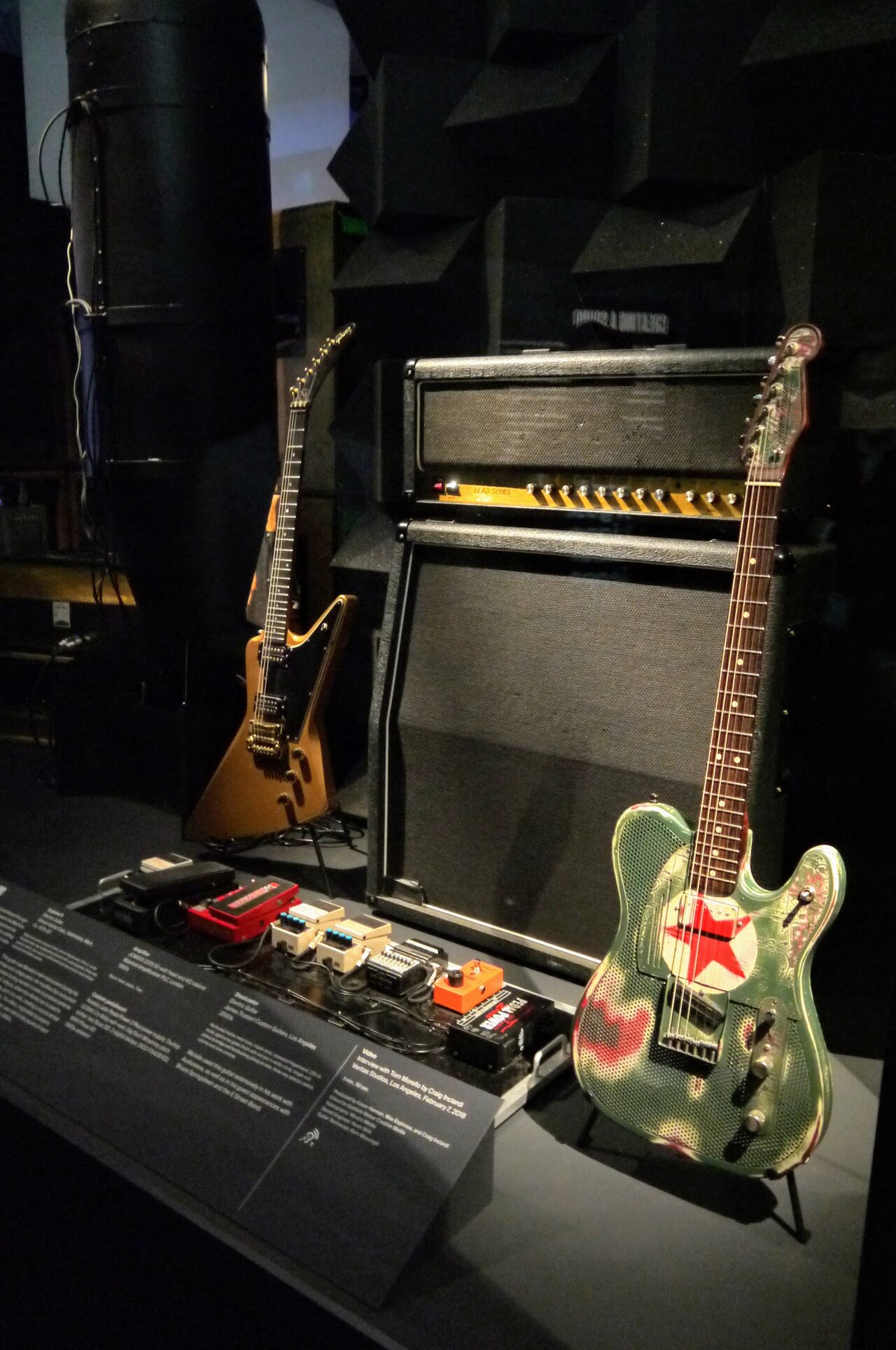
The drum machine provides a cold, unwavering pulse. There is no human error in the 130 BPM sequence. This rigidity creates a tension that the listener feels in their muscles. You cannot "swing" to "Blue Monday." You can only follow its uncompromising, machine-driven trajectory. It feels like being caught in the gears of a clock.
This mechanical precision defined the sound of the post-punk era. Bands moved away from the loose, organic feel of 1970s rock. They embraced the synthesizer and the drum machine to achieve a level of rhythmic perfection that human drummers could not maintain. This era turned the studio into an instrument of rhythmic control.
The tension between the human vocal and the machine beat creates a unique psychological state. The singer provides the emotion, but the sequencer provides the law. This creates a sense of beautiful, robotic inevintability. It is the sound of the future arriving with a relentless, digitized heartbeat.
The Heavyweight Champions of the 4/4 Groove
Michael Jackson's Thriller album arrived in 1982 and redefined pop production. Quincy Jones and engineer Bruce Swedien crafted "Billie Jean" with surgical accuracy. The track relies on a 117 BPM drum loop that serves as an industry standard. This tempo sits right at the edge of the 120 BPM threshold. It is fast enough to dance to but slow enough to feel heavy and grounded.
The drum pattern in "Billie Jean" is incredibly sparse. A tight kick, a crisp snare, and a subtle hi-hat. This simplicity allows the bassline to breathe. The 117 BPM pulse acts as a vacuum, pulling the listener into the center of the groove. It is a masterclass in using 4/t time to create a hypnotic, repetitive loop.
The White Stripes brought a different kind of weight to the 4/4 structure in 2003. "Seven Nation Army" was recorded at Toe Rag Studios in London. Jack White used a 124 BPM tempo to drive a heavy, distorted bassline. This sound actually came from a guitar through an Electro-Harmonix Big Muff pedal. The tempo pushes the listener forward, much like a driving force.
The distortion adds a layer of grit to the rhythmic precision. It feels primal and aggressive. The 124 BPM pulse mimics a racing heart during a moment of intense adrenaline. It is not about the smooth glide of disco. It is about the driving, unstoppable momentum of a rock anthem.
AC/DC proved that the 4/4 anchor holds even when the tempo drops. Their 1980 album Back in Black features tracks like "Hells Bells" at roughly 8int85 to 90 BPM. Even at this slower pace, the 4/4 structure remains the cognitive anchor for the listener. The weight of the beat compensates for the lack of speed. The listener still feels the pulse, even if the pulse is heavy and slow.
These artists all utilize the same fundamental principle. They use the 4/4 anchored structure to provide a sense of reliability. Whether it is the 117 BPM of Michael Jackson or the 124 BPM of The White Stripes, the beat provides a safe space for musical experimentation. You can change the melody, the texture, or the volume. But the beat remains the constant.
The Threshold of High-Arousal Trance
Daft Punk's Homework album brought the 120 BPM 4/4 time into the late 90s club scene. Their 1997 track "Around the World" employs a 121 BPM loop. This tempo was specifically chosen to maintain momentum in club environments. It sits just above the resting heart rate, encouraging a state of sustained, energetic dancing. It avoids the fatigue that comes with much faster tempos.
The loop is repetitive and hypnotic. It uses a filtered, pulsing bassline that feels like it is breathing with the listener. This is the essence of house music. It is a way to sustain a high-energy state for hours without exhausting the crowd. The 121 BPM pulse acts as a steady, rhythmic engine.
Darude pushed this boundary even further with the 1999 trance anthem "Sandstorm." Released on Neo Records, the track sits at approximately 136 BPM. This represents the threshold where 4/4 time moves from a walking pace to an elevated, high-arousal state. The faster tempo triggers a different physiological response. It moves from synchronization to stimulation.
At 136 BPM, the music feels like it is pushing against the listener. The rapid-fire synth stabs and driving percussion create a sense of urgency. This is the sound of the peak hour in a club. The rhythm no longer supports the body; it drives the body. It pushes the listener toward a state of near-ecstasy through pure rhythmic velocity.
This transition from 120 BPM to 136 BPM is a shift in biological intent. The lower tempo facilitates connection and movement. The higher tempo facilitates escape and intensity. Both rely on the fundamental 4/4 structure to maintain their identity. Without the 4/4 anchor, the trance would simply dissolve into chaotic noise.
Why the Beat Remains Our Cognitive Anchor
Music is more than just sound waves hitting an eardrum. It is a way to organize our internal experience. The 120 BPM 4/4 time signature provides a structural framework that matches our biological reality. We use it to march, to dance, to work, and to survive. It is the most stable rhythmic foundation available to the human ear.
Every genre, from Beethoven to Daft Punk, utilizes this frequency to some degree. We see the evolution from the disciplined march to the hypnotic house loop. We see the shift from the organic funk groove to the mechanical precision of New Order. Yet, the fundamental reliance on the 4/4 pulse remains unchanged. It is the one constant in an ever-changing musical world.
The brain craves this predictability. It allows us to focus on the more complex elements of a composition. We can appreciate a distorted guitar or a soaring vocal because the beat tells us where we are. The rhythm provides the map, and the melody provides the scenery. Without the map, we are simply lost in a sea of sound.
Next time you feel your foot tapping to a song, remember the science behind it. Your body is recognizing a pattern it has known since before you were born. The beat is not just in the speakers. It is in your very cells. The 120 BPM 4/4 time signature is the heartbeat of our shared human experience.