The Cost of Rejection: 10 Artists Dropped by Labels Before Their Big Break
London air tasted like soot and cheap beer on that July night in 1976. The Sex Pistols sat across from Bill Grundy on the set of An Evening with Gene Kellett, and the world watched the explosion in real time. Johnny Rotten spat words that curdled the milk of the British establishment. Chrysalis Records saw the chaos and saw a liability rather than a revolution. They dropped the band just weeks before that televised meltdown turned a group of pub rockers into the most hated, famous, and dangerous icons in the United Kingdom.
Record executives rarely understand the value of a ticking time bomb. They prefer the safety of predictable melodies and polished production. When a label sees a band behaving with total disregard for social norms, they reach for the exit. This instinct often fails spectacularly when the very volatility they rejected becomes the engine of a cultural shift. The artists dropped by labels find their true voice only after the safety net of a contract vanishes.
The industry operates on a logic of risk mitigation. A manager wants a steady climb on the charts. An A&R rep wants a radio-friendly single that fits into a specific playlist. When a band refuses to play that game, the contract becomes a cage. Breaking that cage often requires the total loss of institutional support. It takes a certain kind of madness to believe that being discarded is the first step toward greatness.
The Chaos of London, 1975
Chrysalis Records held the keys to the Sex Pistols' early momentum. They had the means to fund the studio time and the press connections to build a movement. Then the band decided to burn the bridge while they were still standing on it. The sudden departure of the band from the label left a vacuum of support that the punk scene filled with pure, unadulterated rage. This wasn't just a business disagreement; it was a fundamental rejection of the professional music industry's polished veneer.
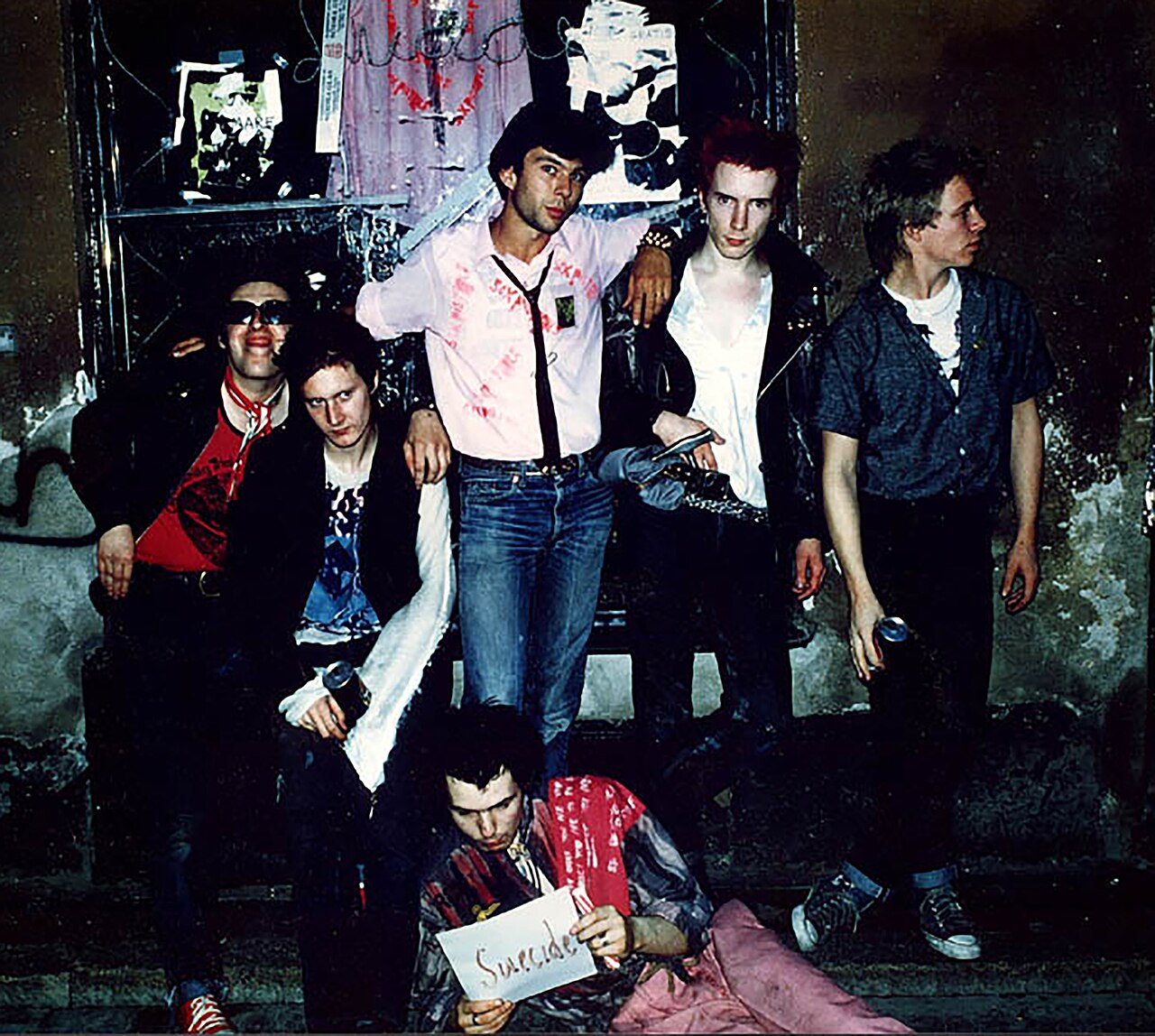
The Pistols operated with a deliberate lack of foresight. They didn't care about royalties or long-term touring schedules. They wanted to shock the sensibilities of a nation still reeling from the post-war era. When the Grundy interview aired, the band became national villains overnight. The very people who had dropped them suddenly found themselves unable to ignore the noise. The controversy created a demand that no amount of corporate censorship could stifle.
Blondie followed a similar path of friction within the same label. In the mid-1970s, Chrysalis struggled to figure out what to do with a band that emerged from the gritty CBGB scene. Debbie Harry possessed a persona that bridged the gap between punk grit and disco glamour. The label wanted a radio-friendly sound that stayed within the lines of New Wave. They couldn't quite grasp how a band could inhabit both the underground and the mainstream simultaneously.
The band's early struggle involved finding a sonic identity that wouldn't alienngate their punk roots. They moved through different textures, experimenting with rhythms that felt more like a heartbeat than a metronome. Eventually, the disco influence merged with their New Wave edge. This transformation turned them into a global force. They stopped being a niche New York act and became the face of a new, polished, yet edgy pop era.
Losing the Grip on Punk
Joe Strummer and Mick Jones faced a different kind of corporate pressure. The Clash signed with CBS Records, a giant that viewed punk through the lens of manageable rebellion. By 1977, the release of "White Riot" had already signaled the band's political intent. The label executives worried about the incendiary nature of their lyrics. They feared the band's radical politics would alienate the very mainstream audience they needed to reach.

The tension between the band and CBS felt like a physical weight. Every political statement in a song felt like a much direct challenge to the corporate structure. The label wanted hits, but The Clash wanted a revolution. This friction defined their early years under contract. They refused to sanitize their message for the sake of easy rotation on BBC Radio 1. The struggle to maintain their integrity while dealing with a major label contract became their defining characteristic.
The sound of "White Riot" carries a frantic, jagged energy. The guitars buzz like a hornet trapped in a tin can, providing a sense of urgent, unpolished danger. It sounds like a riot in progress, not a polished studio product. This raw energy was exactly what the label feared losing. They wanted something more palatable, something that could sit alongside the more melodic pub rock of the era. The Clash refused to compromise.
"No one is watching, no one is listening, no one is caring."
The lyrics of the era often reflected this sense of isolation and defiance. The band understood that their power came from their refusal to be domesticated. When a label tries to trim the edges of a band like The Clash, they often end enough to cut away the very heart of the music. The tension between the commercial necessity of CBS and the political necessity of the band created a unique, high-pressure environment. It forced the band to sharpen their songwriting into something much more potent.
The Struggle for Creative Control
Prince arrived at Warner Bros. with a vision that terrified the boardroom. In 1981, the release of Dirty Mind sent shockwaves through the industry. The album featured provocative themes and a stripped-back, minimalist funk sound. The label resisted the material, fearing the explicit content would lead to radio bans and retail boycotts. They wanted the polished R&B of his earlier work, not this hyper-sexualized, synth-heavy provocateur.
Prince fought for every inch of creative autonomy. He used the Roland TR-808 and various Oberheim synths to create a sound that felt both futuristic and primal. The percussion hit like a fist to the chest, driving home the rhythmic intensity of his vision.
He wasn't interested in the polite funk of the era. He wanted a sound that was abrasive, sexual, and entirely his own. The battles with Warner Bros. involved delays and heavy-handed editorial interference.
David Bowie faced a much longer period of instability. In 1964, performing as Davy Jones in The King Bees, he faced near-total abandonment. His management and early label interests saw little potential in his mod-inflected rock. He spent years drifting through different personas and configurations, searching for a way to ground his theatricality. The industry saw a performer without a clear direction, a man lost in the shadows of his own ambition.
The shift arrived with the massive success of The Man Who Sold the World and his subsequent signing to RCA in 1971. This era brought the heavy, proto-metal textures of the title track and the cosmic experimentation of his later years. Bowie's ability to reinvent himself acted as a survival mechanism. He learned that the only way to stay ahead of the labels was to change the game entirely before they could catch up. His career became a series of calculated reinventions that kept the industry perpetually guessing.
From Sub Pop to Global Domination
Seattle in 1991 felt like the center of the universe. Nirvana had spent years honing their sound on the independent Sub Pop label, building a reputation in the underground. The transition to DGC/Geffen occurred during a period of intense industry scrutiny. The industry was still reeling from the loss of their initial underground momentum. Suddenly, a band from the Pacific Northwest was poised to dismantle the entire structure of mainstream rock.
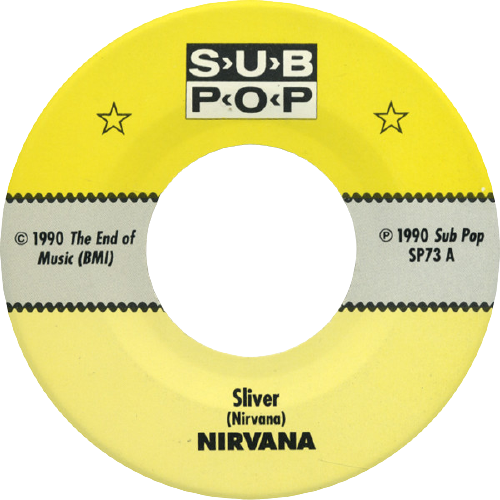
The release of "Smells Like Teen Spirit" changed everything in an instant. The heavy, sludge-filled guitars and Kurt Cobain's strained, emotive vocals provided a soundtrack for a generation of disillusioned youth. The industry scrambled to find more bands that sounded like this. The sudden rise of Nirvana bypassed the traditional slow-burn marketing of the 1980s. It was a violent takeover of the airwaves, driven by a sound that felt more authentic than anything that had come before.
The production on the Nevermind album, handled by Butch Vig, captured a specific tension. The drums sound massive, like they were recorded in a concrete bunker. The guitars move from quiet, clean verses to explosive,䡏distorted choruses. This dynamic shift became the blueprint for the entire grunge movement. While the label was preparing for a massive commercial push, the band was already struggling with the weight of their own sudden fame. The industry's sudden embrace of the underground was both a blessing and a curse.
Nirvana's success broke the dominance of hair metal and polished pop. It brought the grit of the independent scene into the suburban living room. The transition from Sub Pop to a major label didn't just change the band's bank account; it changed the fundamental DNA of popular music. The industry had to learn how to market something that actively loathes the concept of marketing. It was a chaotic, beautiful, and ultimately tragic era for rock and roll.
The Pressure of the First Hit
Radiohead arrived in 1993 with "Creep" blasting from every radio station in the world. EMI, their label, saw a massive opportunity to replicate the success of this single. The pressure to produce another hit was immense. The band felt trapped by the very song that had made them famous. They had written a grunge-adjacent anthem, but their true interests lay in much more experimental, textured territory.

The internal pressure from EMI was palpable during the sessions for The Bends and OK Computer. The label wanted more radio-friendly singles, more predictable structures. Instead, the band began incorporating more complex arrangements and more atmospheric textures. The guitars on tracks like "Paranoid Android" are layered and intricate, moving through different movements like a piece. They were actively working against the commercial expectations placed upon them.
The success of OK Computer in 1997 proved that the band was right. The album's themes of alienation and technological dread were perfectly captured in its production. The sound is expansive, using Rhodes pianos and Mellotrons to create a massive, lonely space. They bypassed the "one-hit wonder" trap by refusing to play the hits game. They traded the immediate gratification of a pop single for the long-term respect of a masterpiece.
Liz Phair's 1993 debut, Exile in Guyville, arrived on Matador Records with a critical roar. The album's lo-fi production style was a hallmark of the era's indie aesthetic. While critics loved the raw, unvarnished honesty of her songwriting, the broader industry initially dismissed the production as too unpolished for the mainstream. They saw a niche artist rather than a potential superstar. The lack of high-end studio sheen made her seem like a transient figure of the underground.
The industry's dismissal of her production values preceded a period of sudden, intense visibility. As the mid-90s progressed, the lines between indie and mainstream began to blur. Phair's ability to write sharp, biting lyrics about gender and power became impossible to ignore. She proved that a certain level of grit could coexist with massive commercial appeal. Her presence in the mainstream challenged the idea that pop stars needed to be manufactured in a vacuum.
Finding the New Sound
Depeche Mode spent the early 1980s working the edges of the electronic underground. Mute Records provided the perfect platform for their niche, synthesizer-driven beginnings. However, as they moved toward a more global sound, they faced skepticism from distributors. Many industry insiders doubted the commercial viability of synthesized pop. They viewed the use of sequencers and drum machines as a fad that would quickly burn out.
The band refused to let the skepticism dictate their direction. They leaned harder into the darker, more industrial textures of their music. Albums like Violator featured a sophisticated use of the sampling technology available at the time. The percussion sounds metallic and cold, yet the melodies remain deeply human. They transformed the synthesizer from a novelty instrument into a tool for profound emotional expression. They didn't just follow the trends; they dictated them.
Fleetwood Mac underwent a radical transformation in 1975. The departure of Bob Welch left a gap in the band's blues-rock foundation. The arrival of Lindsey Buckingham and Stevie Nicks changed the band's entire trajectory. Under Warner Bros. Records, they transitioned from a struggling outfit into a global powerhouse. The addition of Buckingham's meticulous guitar work and Nicks's ethereal songwriting created a new, much more complex dynamic.
The Rumours era was a period of intense interpersonal drama and musical brilliance. The songs, like "Go Your Own Way," carry a rhythmic tension that mirrors the band's internal struggles. The production is lush, with guitars that shimmer and bass lines that drive the melody forward. They moved away from the blues and into a sophisticated brand of pop-rock that could dominate both the charts and the critics. It was a perfect alignment of talent, timing, and label support.
The Industry's Blind Spots
The history of music is littered with labels that failed to see the value in what was right in front of them. These blind spots often stem from a desire for the familiar. When a band like Blondie or The Clash arrives with a sound that defies easy categorization, the industry's first instinct is to categorize them anyway. They try to fit the square peg of innovation into the round hole of commercial predictability.
The true greatness of these artists often comes from their ability to survive these periods of rejection. They use the lack of support to build a more authentic, more resilient identity. The very things that make a label want to drop a band - the unpredictability, the raw production, the political aggression - are the things that eventually make them icons. The industry's greatest failures often become its most important legacies.
We see this in the way the industry reacts to new genres. Whether it is the rise of grunge, the emergence of synth-pop, or the explosion of punk, the initial reaction is almost always one of hesitation. The money follows the movement, but the movement usually starts in the places the money refuses to look. The labels are always playing catch-up, trying to find the next big thing that they have already dismissed as too risky.
The most enduring artists are those who can manage the tension between art and commerce. They know when to fight for their vision and when to use the industry's machinery to amplify it. They understand that a contract is not a guarantee of success, but a tool that can be used to build a monument. The artists who were dropped just before they hit it big remind us that the most important music often happens when no one is watching.