10 Forgotten Labels That Changed Music History
Jim Stewart and Estelle Axton sat in a cramped, humid office in Memphis, Tennessee, in 1957. They lacked a massive budget or a fleet of session players. A converted movie theater on McLemore Avenue provided their home, smelling of stale popcorn and old velvet. This tiny space became the engine room for Stax Records, a label that defined the grit of Southern soul. The sound avoided polished pop perfection. Instead, the Hi Rhythm Section played with a heavy, unshakeable groove.
Al Jackson Jr. hit the drums with a precision that felt like a heartbeat. Steve Cropper plugged in his guitar and played sparse, biting notes that cut through the mix like a razor.
These men understood that silence mattered as much as the notes themselves. When Otis Redding sang "Dock of the Bay," you heard the humidity of the Tennessee River in the cracks of his voice. The label operated with a raw, visceral energy that Northern labels could not replicate. Stax felt like a physical weight in the chest.
The studio sessions relied on a specific, unyielding chemistry. You could hear the sweat on the snare drum. Every track carried the weight of the Memphis streets. The rhythm section pushed the vocalists forward without crowding them. This was soul music stripped of all unnecessary ornaments. It was honest, loud, and deeply rhythmic.
Detroit's Hit Factory and the Motown Machine
Berry Gordy Jr. looked at the assembly lines of Detroit in 1959 and saw a blueprint. He applied automotive precision to the production of pop music at Motown Records.
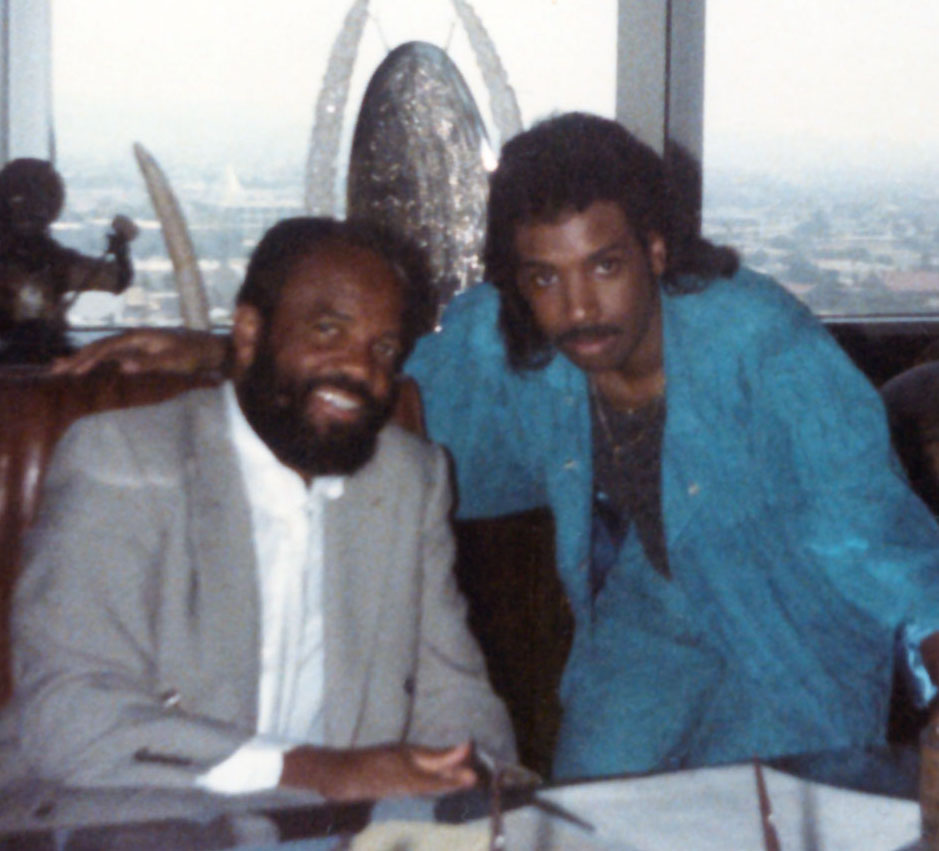
His studio, known as Hitsville U.S.A., sat on West Grand Boulevard and functioned like a high-speed factory. Every song went through a rigorous quality control process. Gordy wanted songs that could dominate every radio station in America. He demanded a standard of excellence that bordered on the obsessive.
The Motown Sound relied on a specific, percussive architecture. Producers layered tambourines over heavy, driving bass lines that moved the listener's feet before they could even process the lyrics. The vocal arrangements featured harmonies that felt seamless and bright. When The Supremes sang "Where Did Our Love Go," the production felt expensive and large. It had a glossy sheen that worked perfectly on AM radio. Gordy engineered this success.
Gordy brought professionalism to the chaos of the music business. He hired choreographers to teach his artists how to move on stage. He even hired etiquette coaches to ensure they looked the part of superstars. The result was a polished, unstoppable force. The music felt both sophisticated and deeply accessible to a mass audience. It bridged the gap between R&B and the mainstream pop charts.
The songwriting teams, like Holland-Dozier-Holland, crafted melodies that stayed stuck in your head for days. They understood the mathematics of a pop hook. Each track possessed a rhythmic drive that felt inevitable. You could not escape the groove of a Motown record once it started playing. It was the sound of a city in motion.
Chicago Blues and the Chess Records Revolution
Leonard and Phil Chess moved from Mississippi to Chicago with a hunger that defined an era. By 1951, they had established Chess Records as the epicenter of electric blues. They did not just record music; they electrified a tradition. When they signed Muddy Waters, they captured the sound of the Great Migration. Waters brought the delta blues to the city, but the Chess brothers gave it the voltage it needed to explode. They used electric amplification to turn acoustic traditions into something much louder and more aggressive.
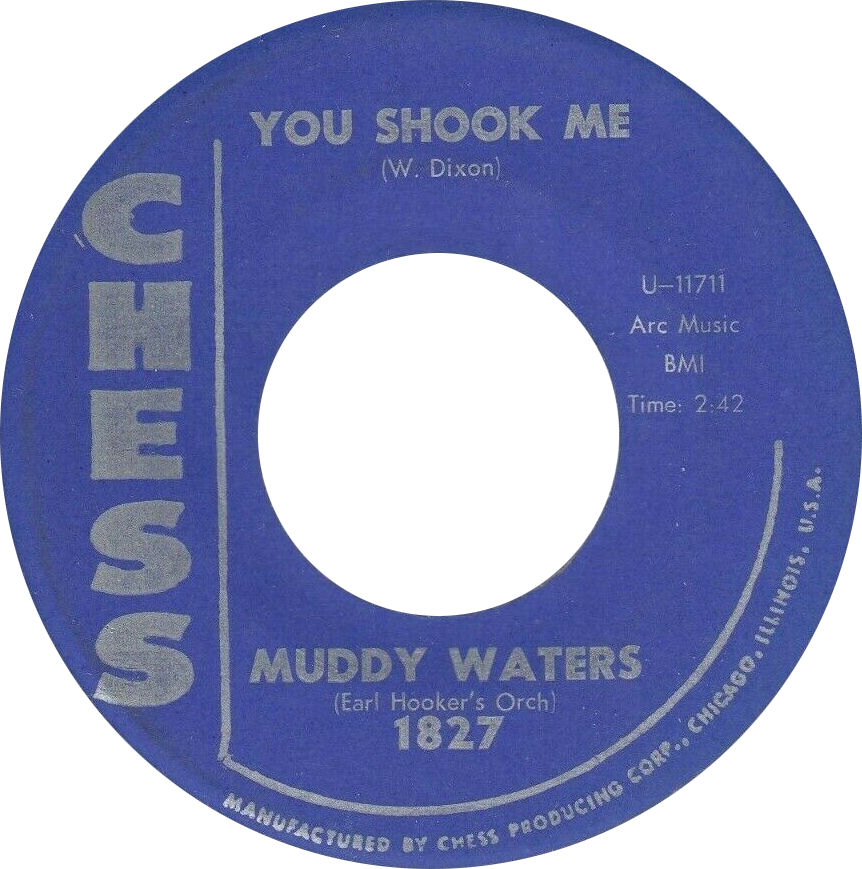
The tracks Muddy Waters recorded, like "Hoochie Coochie Man," featured distorted, biting guitar tones. This was not the clean, polite blues of the previous generation. This music growled. The heavy use of amplification created a thick, muddy texture that directly influenced the birth of rock and roll. You can hear the DNA of the Rolling Stones in those early Chess sessions. The drums hit harder, and the guitars pushed the limits of the equipment.
The Chess brothers understood the power of a heavy riff. They encouraged artists to lean into the grit. Little Walter pushed the harmonica into a new, electrified territory that sounded like a siren. The production felt dense and crowded, mirroring the urban energy of Chicago. It was a loud, swaggering sound that demanded attention. It refused to be ignored by the mainstream.
The influence of Chess Records stretched far beyond the blues genre. Every rock guitarist from Eric Clapton to Keith Richards owes a debt to these Chicago sessions. The label captured a moment when the blues transitioned into something much larger. This transformation relied on electricity and ambition. The records sounded like the future of American music.
The Manchester Cold: Factory Records and Post-Punk
Tony Wilson, Alan Erasmus, and Peter Saville stood in the shadows of Manchester's industrial decay in 1978. They launched Factory Records to create an aesthetic rather than to make money. They ignored the charts.

They cared about the atmosphere. When they released Joy Division's debut album, Unknown Pleasures, in 19 $79, they changed the visual language of music. Peter Saville designed the iconic minimalist cover featuring the pulsar data from a supernova. It looked like nothing else on the record store shelves.
The music itself felt as cold and stark as the Manchester landscape. Joy Division's sound relied on Peter Hook's high, melodic bass lines and Stephen Morris's precise, mechanical drumming. Ian Curtis delivered vocals that felt like a desperate plea from a darkened room. There was no warmth in the production, only a stark, haunting clarity. The instruments felt separated by vast, empty spaces. It was music for the end of the world.
"Love will tear us apart"
Factory Records became a laboratory for experimentation. They released records that defied the conventions of pop structure. The label embraced the tension between human emotion and industrial rigidity. This was not just post-punk; it was an entire way of thinking about art. The design, the music, and the ethos were inseparable. Every release felt like a curated piece of fine art.
The label's influence extended to New Order, who emerged from the ashes of Joy Division. They brought synthesizers and dance beats into the cold, Manchester framework. This transition showed the label's ability to evolve without losing its core identity. Factory prioritized the artist as a creator, not a commodity. It was a radical stance in a commercial industry.
Sun Records and the Birth of Rockabilly
Sam Phillips operated a small studio in Memphis in 1952 with a singular obsession. He wanted to find a sound that captured the raw essence of the American South. He sought something that sounded like it was catching fire rather than polished perfection.
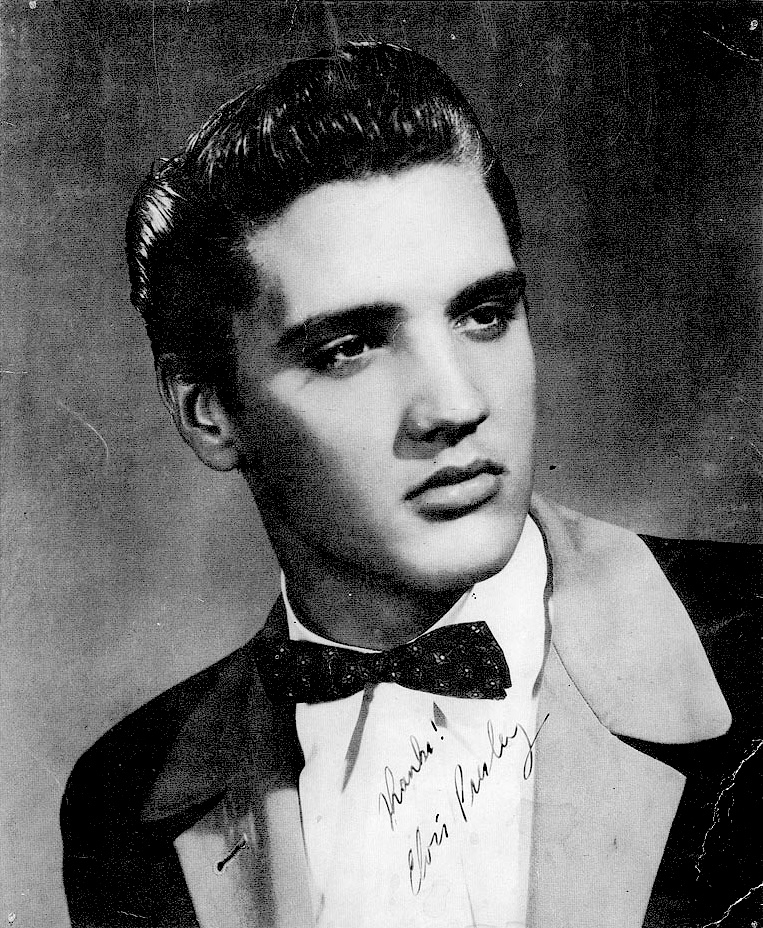
In 1954, he discovered a young Elvis Presley. The recording of "That's All Right" changed everything. Phillips used a single microphone technique to capture the ambient room sound, allowing the instruments and the vocals to bleed into one another. This created a sense of space and immediacy that felt incredibly alive.
The sound of Sun Records featured a frantic, rhythmic energy. It blended country, blues, and gospel into a genre that had no name yet. We call it rockabilly now, but at the time, it was simply a new, dangerous vibration. The guitars had a bright, twangy snap. The upright bass provided a thumping, percussive foundation. It felt like the music was constantly on the verge of spinning out of control.
Johnny Cash and Jerry Lee Lewis also found their footing within these Memphis walls. Cash brought a brooding, rhythmic gravity to the label. Lewis brought a piano-pounding madness that threatened to break the studio. The label's output was a chaotic, brilliant explosion of talent. It captured the tension of a changing social landscape. The music was the sound of a rebellion in real time.
Sun Records proved that you did not need a massive studio to change the world. You just needed a microphone and a vision. The raw, unvarnable energy of those early sessions remains unmatched. It is the sound of a lightning strike caught on tape. No one has ever quite replicated that specific, Memphis heat.
Blue Note Records: The Hard Bop Standard
Alfred Lion and Francis Wolff founded Blue Note Records in New York City in 1939. They rejected the polite arrangements of the swing era. They wanted the truth of the jazz club. By the 1950s and 60s, they had defined the hard bop era. They provided the platform for artists like Art Blakey and Lee Morgan to redefine the genre. The label's commitment to high-quality recording and iconic cover art made every release an event.
The hard bop sound was heavy, soulful, and rhythmically complex. Art Blakey's Moanin' (1958) features drums that drive the ensemble with an aggressive, polyrhythmic force. Lee Morgan's The Sidewinder (1964) presents a brassy, blues-inflected swagger. The recordings emphasize the interplay between the instruments. You can hear the musicians reacting to each other in real-time. The production captures the physical presence of the horn players in the room.
Blue Note's aesthetic matched its audio. The photography and typography of the album covers became legendary. They presented jazz as a sophisticated, modern art form. The label's output felt curated and intentional. Every record was a piece of a larger, ongoing musical conversation. It was the gold standard for jazz documentation.
The label's ability to capture the intensity of a live session remains unparalleled. The engineers balanced the piercing trumpet notes with the deep, walking bass lines. They allowed the music to breathe while maintaining a tight, focused sound. This was jazz captured at its most vital and muscular. It remains the definitive document of the era.
Rough Trade: The London Indie Hub
Geoff Travis started Rough Trade Records in London in 1978 with a passion for the underground. He did not want to build a corporate empire. He wanted to build a community. Rough Trade acted as a central hub for the post-punk and indie movements in the UK. The label provided a home for artists who were too strange or too raw for the major labels. It was a sanctuary for the experimental and the fiercely independent.
The Smiths' 1984 self-titled debut album remains a cornerstone of the Rough Trade catalog. Johnny Marr's intricate, jangling guitar parts combined with Morrissey's literate, melancholic lyrics to create something entirely new. The production was clean enough to highlight the melodic detail but retained an indie edge. This was not the polished pop of the era; it was something much more thoughtful and textured. It felt like a direct response to the artifice of mainstream music.
Rough Trade's roster was incredibly diverse. They released everything from dance music to folk-inflected indie pop. The label's ethos centered on supporting the artist's vision, no matter how unconventional. They were a vital part of the UK's independent music infrastructure. Without Rough Trade, the entire British indie scene would look fundamentally different.
The label's success rooted itself in its connection to the streets. They were part of the London scene, not just observers of it. They understood the importance of the independent record shop as a cultural site. This physical connection helped build a loyal, dedicated fanbase. Rough Trade was more than a label; it was a movement.
Mute Records: The Electronic Vanguard
Daniel Miller founded Mute Records in London in 1978 with a fascination for the machine. He saw the potential in the burgeoning world of synthesizers and drum machines. Mute became a cornerstone of electronic and synth-pop music. The label's approach embraced the technological shifts in music production rather than fighting them. They welcomed the cold, synthetic textures that many purists rejected.
Depeche Mode provided the label's most significant early success. Their 1981 album Speak & Operative introduced a bright, melodic side of electronic pop. It featured clean, sequenced melodies and catchy, programmed rhythms. As the band evolved, so did the Mute sound. The music became darker, more industrial, and more layered. They moved from simple pop hooks to complex, atmospheric soundscapes.
The production on Mute releases often emphasized the texture of the synthesizers. You could hear the specific character of the Moog and the Roland Juno. The drum machines provided a rigid, hypnotic foundation that allowed the melodies to float. This tension between the mechanical and the human defined the label's identity. It was music that felt both futuristic and deeply emotive.
Mute nurtured long-term artist development. They stayed with their artists through radical sonic shifts. This allowed for a level of creative freedom that was rare in the industry. The label's catalog acts as a map of the evolution of electronic music. It remains a vital part of the electronic music lineage.
Island Records: Bringing Reggae to the World
Chris Blackwell started Island Records in Jamaica in 1959. His initial focus was on local ska and rocksteady, but his vision was global. He moved operations to London in the 1960s, bringing Jamaican sounds to a much larger audience. Island became the primary vehicle for Bob Marley & The Wailers. They acted as the bridge that brought reggae into the mainstream. This was not just about exporting music; it and was about exporting a culture.
The release of Catch a Fire in 1973 marked a watershed moment. The production was polished enough for international ears but retained the heavy, rhythmic soul of Kingston. The bass lines were deep and resonant, driving the hypnotic reggae grooves. The guitar work was sharp and rhythmic, providing the essential skank. It was a sound that felt both exotic and incredibly powerful. It demanded that the world listen to the message of the music.
The Muscle Shoals Rhythm Section Legacy
Muscle Shoals Sound Studio in Alabama functioned as much more than just a recording space. During the late 1960s, the Muscle Shoals Rhythm Section, often called The Swampers, dominated the studio. This group of musicians possessed a soulful, gritty competence that made them the most sought-after session players in the country. They did not just play the notes; they provided the soul. Their sound was a heavy, swampy blend of R&B and country that could ground any artist.
Aretha Franklin recorded some of her most iconic hits in this Alabama studio. The rhythmic foundation provided by The Swampers allowed her vocals to soar with unmatched power. You can hear the deep, pocket-driven groove in tracks like "Respect." The drums hit with a heavy, earthy thud, and the bass sits deep in the mix. It is a sound that feels rooted in the soil of the South. It is music that feels incredibly human.
Wilson Pickett also found his signature sound through these sessions. The Muscle Shoals Rhythm Section provided the driving, aggressive energy his music required. The interplay between the horns and the rhythm section was tight and punchy. It was a masterclass in soul production. The studio became a destination for the biggest names in music because of this specific, inimitable talent.
The legacy of Muscle Shoals remains a fundamental part of American music history. These musicians proved that a specific regional sound could achieve global significance. They did not need the glitz of Los Angeles or the polish of New York. They only needed their instruments, their rhythm, and their grit. The sound of the Swampers remains a permanent part of the foundation of soul and rock.