10 Times Festival Booking Errors Created Masterpieces
Reading Festival, August 1994, smelled like damp canvas and cheap lager. A massive scheduling error pushed Oasis into a grueling, late-night slot that stripped away any pretense of rock stardom. The band arrived on stage exhausted, their instruments loud and unpolished. They played tracks from Definitely Maybe with a raw, unhinged energy that lacked the studio sheen of their debut. This mistake forced a gritty, visceral performance that felt more like a garage rehearsal than a professional set. These festival booking errors often strip the artifice from a performance, leaving only the bone and the marrow.
The crowd at Reading did not care about technical perfection. They wanted the noise. Liam Gallagher leaned into the microphone with a sneel that felt sharper than usual. The guitars barked with a jagged, unrefined edge. This specific moment helped cement the band's reputation as the kings of the grit-driven Britpop era.
Manchester was already erupting with excitement during this summer. The Gallagher brothers were becoming the faces of a new, aggressive UK guitar scene. Watching them struggle through a late-night set provided a glimpse into the real, unvarnished soul of the band. It was loud, it was messy, and it worked perfectly.
The Chaos of the 1994 Reading Festival
Oasis arrived at the stage under the cover of darkness. The lack of proper lighting and the fatigue of the band created a unique tension. Noel Gallagher's guitar work sounded thicker and more distorted than the radio edits suggested. Every chord hit the muddy ground with the weight of a falling brick. You could hear the struggle in the vocal delivery, adding a layer of authenticity that studio recordings rarely capture.
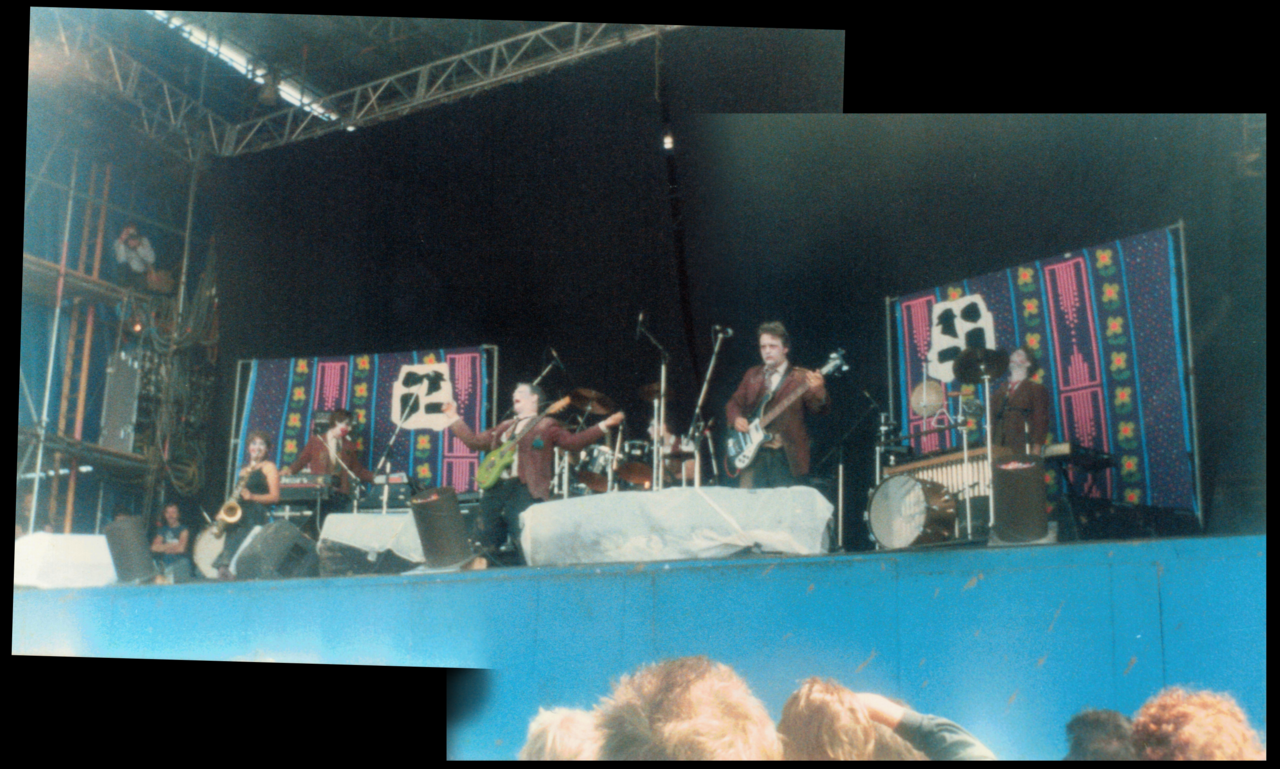
The production crew scrambled to manage the sudden shift in the schedule. A missed cue meant the band played without the usual pre-set stage lighting. Shadows swallowed the edges of the stage, leaving only the bright, harsh glare of the front-row spotlights. This visual gloom matched the sonic grit of the performance. It felt like a secret club meeting in the middle of a massive field.
Fans stood in the mud, drenched in sweat and rain. They did not need a polished show to recognize greatness. The sheer volume of the distorted guitars pushed the air out of their lungs. This performance remains a legendary example of how a logistical failure can strip an artist down to their core essence. It turned a standard festival appearance into a defining moment for the band's early identity.
Heavy Rain and Radiohead's Technical Chaos
Glastonbury 1997 felt like the world was dissolving. Rain lashed down on the Pyramid Stage, turning the entire site into a swamp of sludge. Radiohead took the stage amidst a series of catastrophic technical failures. Their monitors flickered, and the signal for some of the effects pedals cut in and out. Instead of retreating, the band leaned into the broken textures.
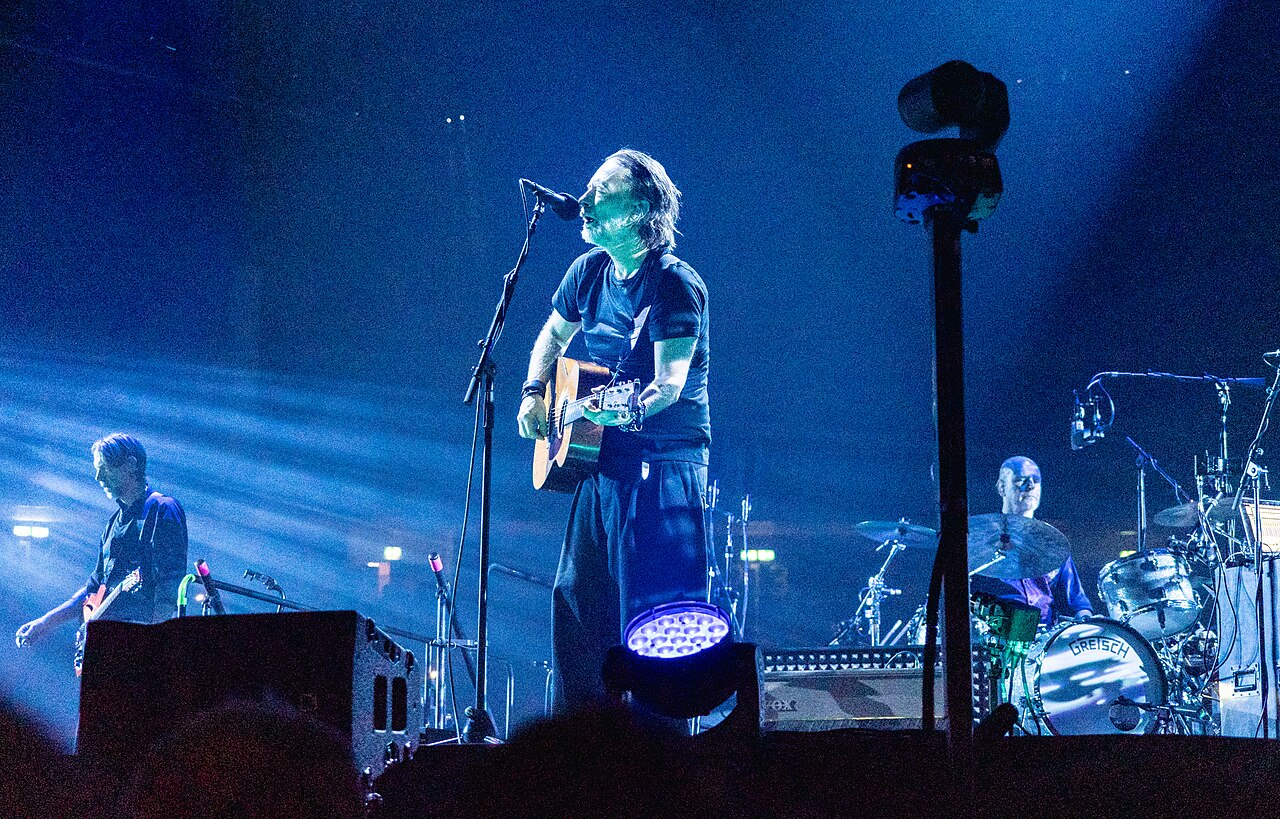
Thom Yorke used the chaos to experiment with the fragmented sounds that would define OK Computer. He manipulated his vocals through pedals that crackled with interference. The guitars mimicked the sound of breaking glass. This was not the polished alternative rock of their earlier years. It was a fractured, paranoid soundscape that mirrored the technical instability around them.
The band played through the downpour with a grim determination. Jonny Greenwood's guitar lines cut through the heavy atmosphere like a serrated blade. The technical glitches became part and parcel of the composition itself. Every time a signal dropped, the silence felt heavy and intentional. It added a layer of tension that made the eventual crescendos feel earned and massive.
Music critics often point to this era as a shift in the band's direction. The rain and the broken equipment forced them to abandon melodic safety. They embraced the noise and the unpredictability. This set helped transition the band from standard alt-rockers to the architects of a new, more complex sonic reality. The chaos gave them the permission to be experimental and strange.
Lollapalooza and the Birth of Alternative America
Lollapalooza 1992 changed the DNA of American rock. A sudden addition to the lineup, a late-replacement act, stepped onto the stage with an improvised set that caught everyone off guard. The band had not rehearsed the specific songs for this slot. They played with a frantic, desperate energy that felt completely disconnected from the polished mainstream. This moment signaled the arrival of a new, unpolished sound in the American consciousness.
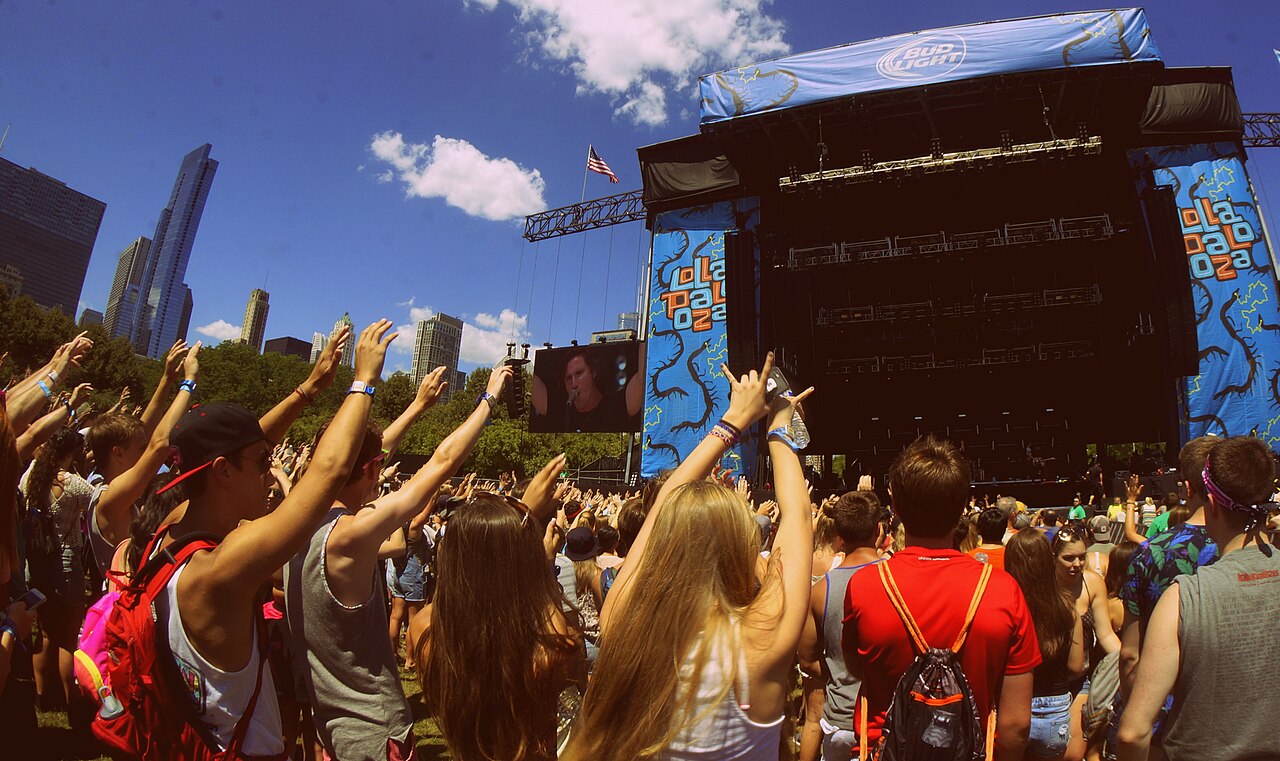
The air at the festival was thick with the smell of clove cigarettes and dust. Fans from across the country gathered to witness this sudden shift. The improvised set featured heavy, distorted basslines that rattled the ribcages of the front row. It was a sonic assault that felt far more dangerous than anything on the radio. The replacement act brought a raw, punk-inflected energy that the tour desperately needed.
This performance acted as a catalyst for the alternative movement. It proved that authenticity mattered more than a pre-planned setlist. The crowd responded to the spontaneity with a level of fervor that was rarely seen in mainstream touring. People were not just watching a show; they remained participants in a cultural shift. The energy felt infectious and somewhat frightening in its intensity.
The organizers had not planned for this specific infusion of grit. Yet, the unplanned set provided the perfect bridge between the established acts and the burgeoning underground scene. It anchored the festival's identity in something much more visceral than mere variety. This was the moment the alternative sound gripped the mainstream, driven by a single, unscripted performance.
The Wembley Stadium Singalong
Wembley Stadium, July 13, 1985, held a massive, expectant crowd. Live Aid was a global phenomenon, but the transition between Queen and the following act hit a technical snag. A significant delay left Freddie Mercury standing alone before the microphones. Instead of waiting for the engineers to fix the sound, he turned the delay into a weapon of connection. He began to command the stadium with nothing but his voice and his presence.
The crowd responded with a roar that could be heard miles away. Mercury orchestrated a massive, stadium-wide singalong that felt like a religious experience. He directed the audience to sing specific lines, building the tension with every repetition. The delay gave him the space to weave a narrative through the crowd. It was not just a performance; it was a moment of pure, unadulterated human connection.
"We are the champions, my friends, and we'll keep on fighting till the end."
The energy in the stadium reached a fever pitch during this unplanned intermission. The technical failure removed the barrier between the performer and the masses. Without the distraction of a full band, the focus remained entirely on the interaction. It became the most iconic moment of the entire Live Aid concert. The sheer scale of the vocal response was staggering.
Engineers worked frantically behind the scenes to restore the full sound. By the and the instruments returned, the crowd was already part of the band. This moment proved that the most powerful tool in a performer's arsenal is their ability to react to the unexpected. Mercury did not just survive the delay; he used it to create a legend. The singalong remains a benchmark for live engagement.
Nirvana's Aggressive Reading Setlist Error
Reading Festival, 1991, arrived during the peak of the Nevermind explosion. The band was no longer an underground secret. A setlist error regarding the song order forced Kurt Cobain into a much more aggressive mode. The band found themselves playing heavy, punk-heavy tracks much earlier than intended. This disrupted the planned dynamic of the set, pushing the intensity to a level that was almost unbearable.
The lack of a gradual build-up meant the band hit the audience with a wall of noise immediately. The guitars sounded like they were being pushed through a meat grinder. Cobain's vocals were particularly jagged, stripped of any melodic softness. He leaned into the distortion, letting the feedback scream through the monitors. It was a punishing, high-decran experience that left the crowd reeling.
The set felt less like a concert and more like a riot. The sudden shift into the heavier material stripped away the grunge-pop accessibility of the newer tracks. It reminded everyone of the band's roots in the Sub Pop underground. The sound was thick, muddy, and incredibly loud. Every drum hit from Dave Grohl felt like a physical blow to the chest.
This error forced the band to abandon their carefully constructed setlist. They played with a frantic, almost desperate energy. The mistake stripped away the polished veneer of their new fame. It returned the band to the raw, aggressive state that had defined their early years. For those in the crowd, the chaos was much more rewarding than a perfectly paced show.
The Acoustic Bootleg of 2004
A major European festival in 2004 faced a massive scheduling overlap. One particular singer found themselves unable to access their full rig due to a conflict with a preceding act. They were forced to perform an impromptu acoustic set. The singer used only a single, detuned acoustic guitar. This stripped-back approach created a sound that was hauntingly different from their usual high-energy production.
The detuned strings added a strange, melancholic tension to the songs. It sounded like the music was physically breaking apart. Fans captured the performance on low-quality mobile phones and circulated it as a highly regarded bootleg. Fans obsessed over the raw, vulnerable quality of the set. It offered a glimpse into the songwriter's core, away from the wall of electric guitars.
The songs from the American Idiot era suddenly felt much more intimate and grim. Without the driving percussion, the lyrics took center stage. The singer's voice cracked on the high notes, adding a sense of real, human fragility. It was not a polished studio performance; it was a moment of musical exposure. The detuned guitar gave the tracks a weathered, almost folk-like texture.
This bootleg became a staple of the fan community for years. It provided a counterpoint to the bombastic energy of the era's mainstream rock. The mistake forced an artist to find new ways to make their music land. It proved that a great song can survive even the most stripped-down, accidental circumstances. The lack of production only served to highlight the strength of the songwriting.
Isle of Wight and the Sludge Sound
The 1970 Isle of Wight Festival was a logistical nightmare. The massive crowd overflowed the intended boundaries, pushing the audience far beyond the reach of the main stage. The organizers used much smaller, overloaded PA systems to reach the back of the crowd. These systems ran far beyond their intended capacity. The result was a heavy, distorted, sludge-like sound that predated the grunge movement by two decades.
The amplifiers struggled to handle the sheer volume required to penetrate the mass of people. The low end became muddy and thick, vibrating through the muddy ground. Guitars lost their clarity and became dense blocks of distortion. This sonic heaviness created a primitive, overwhelming atmosphere. It was not pretty, but it was incredibly powerful.
Artists played into a wall of feedback and low-frequency rumble. The music felt massive and crushing, much like the heavy metal of the following decade. The technical limitations forced a certain kind of sonic density. You could not hear the subtle details, only the sheer weight of the sound. It was a primitive, visceral way to experience rock music.
This accidental creation of a "sludge" sound changed how people perceived heavy rock. It showed that volume and distortion could create an atmosphere of their own. The failure of the PA system did not ruin the festival; it gave it a unique, heavy identity. The sound acted as a direct, physical presence in the field, impacting every person within earshot.
Woodstock 1999 and Nu-Metal Energy
Woodstock 1999 was a disaster in every measurable sense. The massive logistical failure and extreme overcrowding created a powder keg of tension. The heat was unbearable, and the lack of water led to genuine panic. This chaotic, high-energy atmosphere provided the perfect backdrop for the nu-metal era's sonic aggression. The music did not just play over the crowd; it fed the fire.
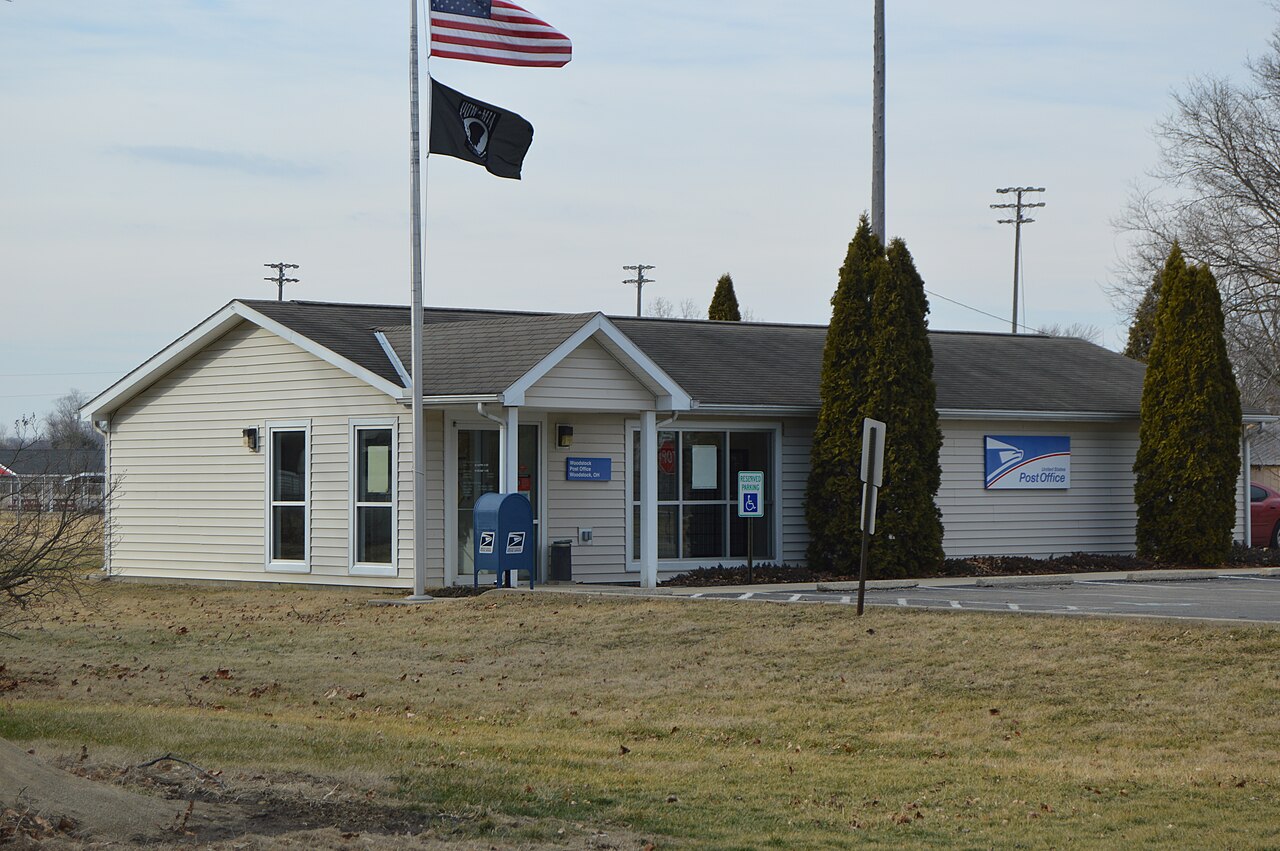
The bands on the lineup, including Limp Bizkit and Kid Rock, thrived in this environment. Their heavy, rhythmic, and aggressive sound matched the palpable anger in the crowd. The energy felt thick with frustration and physical aggression. Every breakdown and every heavy riff acted as a release valve for the mounting tension. The music mirrored the chaos surrounding the stage.
The sheer volume of the performances pushed the limits of the equipment. The basslines were heavy enough to shake the fences. The percussion was loud, jarring, and relentless. There was no room for melody or subtlety in this environment. The music functioned as a blunt instrument, designed to match the visceral, angry energy of the festival-goers.
While the festival is often remembered for its failures, the musical alignment was perfect. The sonic aggression of the era found its ultimate, most chaotic expression here. The error in planning created a setting where the music could be at its most extreme. It was a moment where the energy of a single generation and a broken event became one single, loud, and angry entity.
The German Industrial-Techno Accident
A mid-1980s festival in Germany faced a sudden, unexpected crisis. A misplaced power cable cut the primary drum kit's connection to the main PA system. The drummer had no way to project his acoustic kit to the larger crowd. In a moment of desperate improvisation, the band turned to a Roland TR-808 drum machine. This accidental shift in percussion changed the entire nature of their set.
The 808 provided a heavy, mechanical pulse that was entirely different from the live kit. It was precise, cold, and incredibly loud. When paired with the band's distorted guitars, it created a heavy, industrial-techno hybrid sound. The rhythm was no longer human; it was robotic and driving. This unexpected change forced the rest of the band to adapt their timing.
The guitars began to play more rhythmic, repetitive patterns to match the machine. The atmosphere in the tent shifted from traditional rock to something much more experimental. The crowd, used to a standard rock beat, was caught off guard by the electronic precision. It was an accidental foray into the burgeoning industrial scene happening in Europe at the time.
This technical error effectively birthed a new, improvised genre for the night. The band embraced the machine, letting the 808 drive the entire performance. It was a moment of pure, unplanned creativity. The mistake forced the musicians to abandon their comfort zone and explore a much more aggressive, electronic landscape. It was a triumph of adaptation over failure.
Roskilde's Stripped-Back Percussion Glitch
Roskilde Festival, 1996, faced a significant technical glitch during a soundcheck. A delay in the sound system meant the engineers could not properly balance the guitars and vocals for the main act. To avoid a complete cancellation, the band decided to perform a stripped-back version of their set. They focused entirely on a percussion-only arrangement of a hit from The Bends. This stripped the song of its melodic layers, leaving only the rhythmic skeleton.
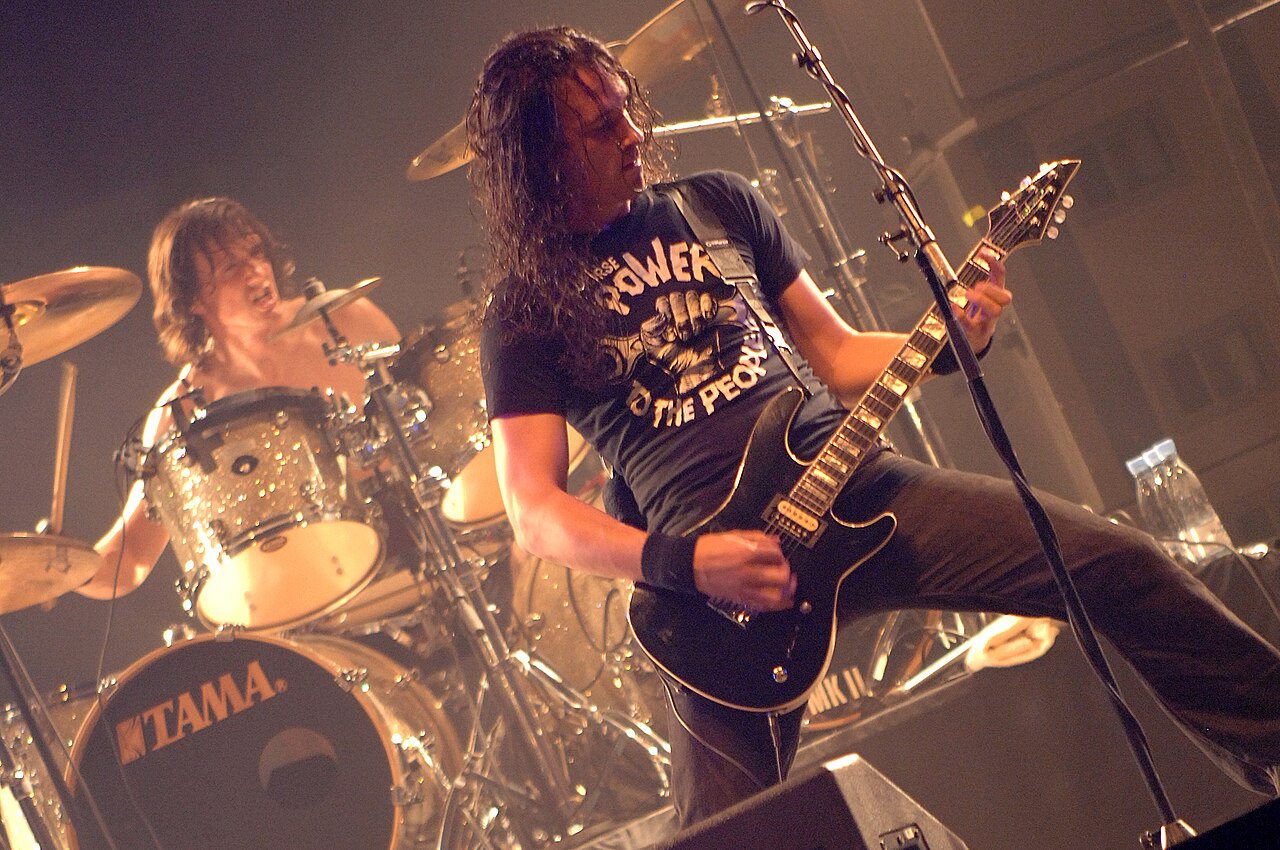
The absence of guitars and vocals forced the audience to focus on the raw rhythm. The drums were loud, hollow, and incredibly driving. Without the melodic hooks, the song felt much more primal and intense. It was a stark, rhythmic experiment that stripped the song of its radio-friendly veneer. The percussionists used every part of the kit to create a complex, layered sound.
The crowd stood mesmerized by the sudden shift in dynamics. They had come to hear a polished rock performance, but they received a rhythmic assault instead. The lack of melody created a strange, hypnotic tension. It was a moment of pure, percussive energy that felt entirely new for the festival. The error forced the band to showcase the structural strength of their songwriting.
This performance remains a legendary moment in the festival's history. It proved that the core of a great song lies in its rhythm and its pulse. Even without the guitars and the singing, the song remained recognizable and powerful. It was a masterclass in how to handle a technical failure with grace and creative intent. The error turned a potential disaster into a moment of rhythmic brilliance.
The history of live music lives in the margins of error. We remember the great sets, but we must also respect the accidents. A broken cable or a rainy night can strip away the artifice of a professional production. These moments force artists to confront the raw truth of their sound. When the plan falls apart, the music finally has the chance to breathe.