Afrobeats vs Afrobeat: The Cost of a Missing Letter
Lagos, 1970. The heat in the Kalakuta Republic compound feels heavy, thick with the scent of diesel and swamp water. Fela Kuti sits amidst a tangle of horn players and percussionists, his fingers dancing across the keys of a Fender Rhodes.
This isn't just a rehearsal. This is the construction of a sonic fortress designed to withstand the very military regime that seeks to dismantle it. The air vibrates with a low-end frequency that settles deep in your marrow, a rhythmic pulse that refuses to let the listener remain passive. This singular, heavy sound is the foundation of Afrobeat, a genre defined by its political weight and refusal to bend.
Fela Kuti did not just invent a genre; he built a way of a life. By the late 1960s, the man had already begun refining a sound that blended highlife, jazz, and funk into something entirely new. He called it Afrobeat.
The lack of an "s" at the end of the word matters. It represents a singular, focused, and often violent musical movement. This music was never meant for casual radio play or easy dancing in a vacuum. It was a weapon, forged in the fires of Nigerian political struggle.
The Kalakuta Republic served as the laboratory for this experiment. This purpose-built compound in Lagos stood as a defiant middle finger to the Nigerian state. Inside these walls, the music took on a structural density that modern pop cannot replicate. Every track functioned as an ecosystem of interlocking rhythms. The horns did not just play melodies; they shouted warnings. The basslines did not just provide rhythm; they drove the political message home with the force of a blunt object.
Musicians gathered here to practice a form of musical warfare. They used the language of the streets to confront the halls of power. The distinction between the artist and the movement was nonexistent. When you heard those brass sections swell, you heard the heartbeat of a rebellion. It was a heavy, muscular, and singular entity. There was no room for the pluralization of this sound because the intent was too unified to be anything else.
The Kalakuta Republic and the Birth of Afrobeat
Fela Kuti lived his music. His life in the Kalakuta Republic dictated the very tempo of his compositions. The compound was a sovereign entity in his mind, a space where the rhythms of the Yoruba people could merge with the improvisational freedom of American jazz. He utilized the studio as an extension of his political manifesto. Every session recorded during this era feels like a transmission from a besieged outpost.
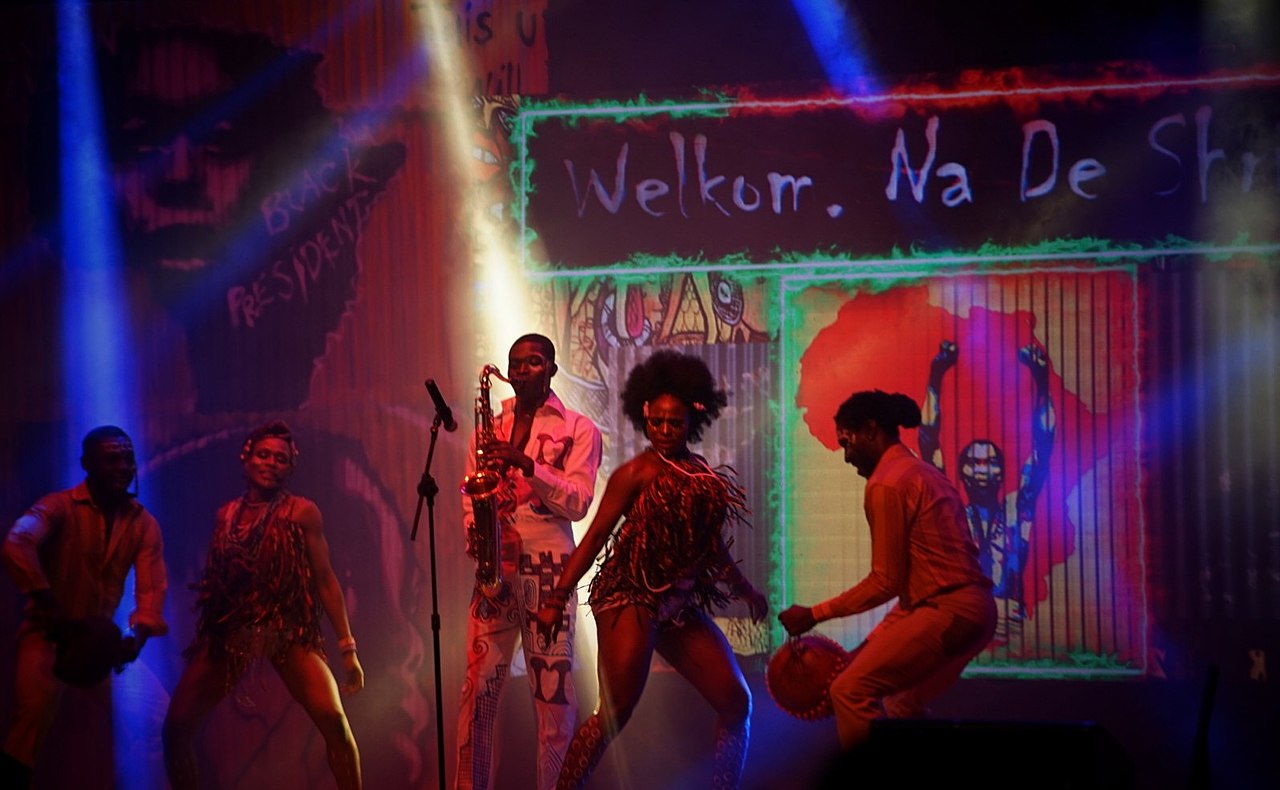
The arrangements relied on a specific, grueling discipline. You could hear the sweat on the saxophone players. The music required musicians to hold a single, hypnotic groove for ten, fifteen, or even twenty minutes at a time. This length allowed for a slow-burn tension to build. It forced the listener to enter a trance-like state, making the eventual lyrical explosion even more jarring. This was not music for a three-minute pop radio slot.
The 1978 album Expensive Shit, released on the Coconut label, remains the gold standard for this era. The title track features a horn arrangement that bites like a sudden sting. It carries a weight that feels physical. The lyrics, delivered in a mix of Yoruba and Nigerian Pidgin, directly addressed the absurdity and brutality of the Nigerian military. You can hear the tension in the percussion, a nervous, driving energy that mirrors the volatility of Lagos in the late seventies.
Fela understood the power of the vernacular. By using Nigerian Pidgin English, he bypassed the elite and spoke directly to the masses. He brought the struggles of the common man into the high-art space of jazz. The music was sophisticated but remained rooted in the percussion and the soil of the streets. It was a masterclass in using cultural identity as a shield against oppression. The sound was monolithic, singular, and utterly uncompromising.
Tony Allen and the Engine of Polyrhythm
Tony Allen provided the heartbeat. Without his drumming, the Afrobeat movement would have lacked its structural integrity. As the drummer for Fela Kuti's band Africa 70, Allen developed a style that redefined the role of the drum kit. He did not just keep time; he created a multi-layered conversation between the snare, the hi-hat, and the kick drum. His playing was a complex web of polyrhythms that felt both fluid and incredibly precise.
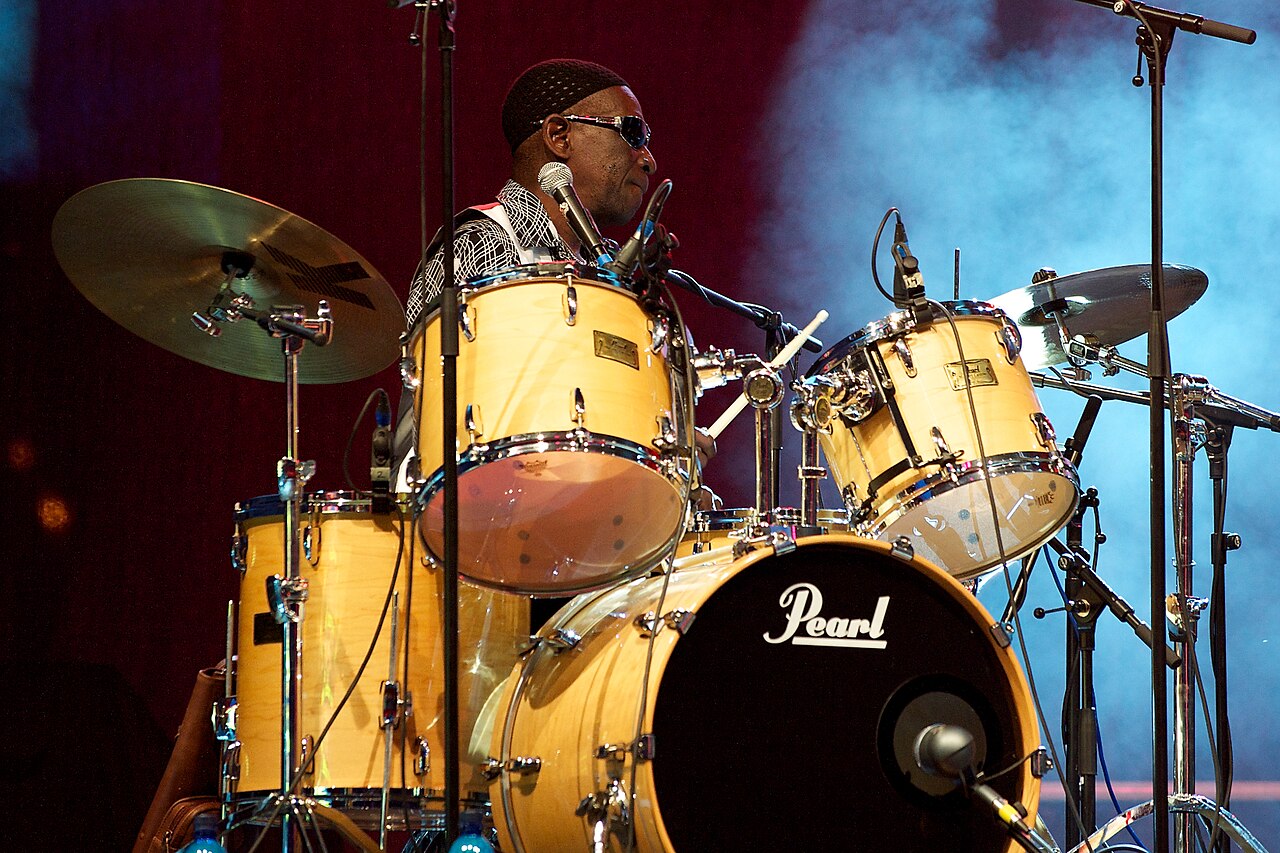
His technique allowed the music to breathe. While the horns provided the melody, Allen provided the architecture. He played with a subtle, interlocking complexity that made it impossible to pin down a single rhythmic center. One moment the rhythm feels like it is pulling toward the left, and the next, it shifts toward the right. This tension gives the genre its characteristic, hypnotic sway.
Listening to Allen's work on tracks from the Expensive Shit era reveals a drummer who understood the concept of space. He knew when to drive the beat forward and when to let the rhythm simmer. His kit sounded dry and punchman, cutting through the thick layers of brass and electric guitar. He was the engine that kept the entire machine from spinning out of control. Every beat felt like a deliberate, calculated strike.
The influence of Allen's drumming extends far beyond the borders of Nigeria. Modern percussionists still study his patterns to understand how to layer rhythms without creating chaos. He turned the drum kit into a melodic instrument. He proved that complexity does not require noise. His legacy provides the rhythmic DNA that defines the sound to this day.
"The music is the message. We use the rhythm to tell the truth that the newspapers are too afraid to print."
Expensive Shit and the Politics of Resistance
Lagos police raids defined much of the era's atmosphere. The 1978 release of Expensive Shit arrived during a period of intense state scrutiny. The album's themes were not subtle. Fela used the medium to mock the authorities, specifically referencing a real-life incident involving the police and a swallowed contraband item. The music mirrored this audacity. It was cheeky, defiant, and incredibly dangerous.
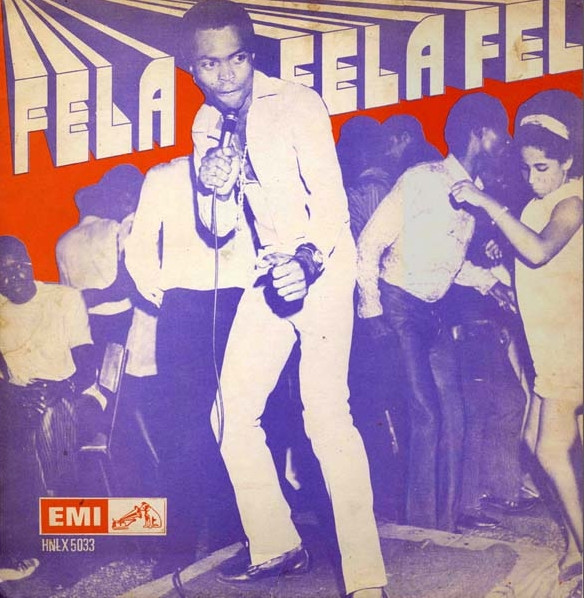
The production on the Coconut label recordings sounds gritty. You can hear the analog warmth of the tape, a thick, saturated texture that wraps around the instruments. There is no digital sheen here. The drums hit with a blunt, organic force. The electric guitars, often played with a clean but biting tone, weave through the horn lines like sunlight through dense jungle foliage. It is a sound that feels lived-in and deeply human.
Political resistance lived within the very structure of the songs. The long, improvisational sections allowed the musicians to build a sense of mounting pressure. As the horns climbed higher and the percussion grew more frantic, the lyrical critiques became more pointed. The music acted as a pressure valve for the frustrations of a population living under military rule. It was a sonic protest that could not be silenced by a baton or a bullet.
The lyrics targeted the corruption of the Nigerian military dictatorships of the 1970s. Fela's use of Yoruba and Pidgin ensured that his message reached the streets of Lagos and the rural villages alike. He stripped away the pretension of Western-style protest music. He did not need metaphors when the truth was this visceral. The album remains a terrifyingly beautiful document of a man using his art to fight a war of words.
The Digital Shift to Modern Afrobeats
Technology changed everything. The transition from the analog studios of 1970s Lagos to the digital workstations of the 2010s fundamentally altered the DNA of West African music. The heavy, live-instrumentation focus of Afrobeat gave way to the loop-based, software-driven production of modern Afrobeats. Producers like Sarz and Don Jazzy began crafting sounds that prioritized the dancefloor over the political rally. The shift was technical, but the cultural implications were massive.
Digital Audio Workstations (DAWs) allowed for a new kind of precision. The loose, improvisational swing of Tony Allen was replaced by the quantized, locked-in perfection of MIDI-sequenced drum patterns. This made the music much easier to mix for global club systems. The basslines became deeper and more consistent, designed to rattle the subwoofers of London and New York clubs. The music moved from the compound to the cloud.
Software-based production democratized the process. A producer in a bedroom in Lagos could now achieve a professional sound that rivaled major international studios. This led to a massive explosion in output. The genre became more accessible, more polished, and infinitely more exportable. However, something was lost in the translation from tape to digital. The organic, slightly unpredictable friction of a live band was replaced by the smooth, frictionless surface of a digital loop.
This new era brought a different kind of energy. It was no longer about the slow build of a ten-minute groove. It was about the immediate impact of a catchy, three-minute hook. The production focused on clarity and punch. While the old sound was a thick fog of rhythm, the new sound is a bright, sharp neon light. It is much harder to ignore, but it lacks the layered, atmospheric depth of its predecessor.
Wizkid and the Rise of the Pop Era
Wizkid emerged as the face of this new, polished movement. His 2011 single "Holla at Your Boy," produced by Skales and released on Empire Mates Entertainment, acted as a massive signal flare. It announced that a new era of West African pop had arrived. The track was glossy, energetic, and perfectly suited for the burgeoning digital era. It lacked the political bite of Fela, but it possessed an infectious charm.
The music moved into the club. The themes shifted from military dictatorships to romance, luxury, and global stardom. This was a music of aspiration. It reflected the desires of a young, connected, and upwardly mobile African generation. The production was much tighter, utilizing bright synths and programmed percussion that felt incredibly fresh. It was pop music in the truest sense, designed for mass consumption.
Wizkid's success paved the way for a wave of artists who would dominate the global charts. The production style became a template for the "Afrobeats" sound. It relied on heavy syncopand, smooth vocal melodies, and a high-gloss finish. The music was no longer a localized protest; it was a global commodity. The sounds of Lagos were now being played in clubs from Paris to Tokyo, stripped of their specific political context but retaining their rhythmic infectiousness.
The rise of this era was fueled by the internet. Social media and streaming services allowed artists like Wizkid to bypass traditional gatekeepers. The music was built for the era of the viral clip. It was short, punchy, and visually driven. While the musical complexity had decreased, the cultural reach had expanded exponentially. The world was finally listening, even if they did not always understand the history behind the beat.
Afrobeats vs Afrobeat: The Erasure of Meaning
The addition of that single "s" at the end of the word is a linguistic erasure. It turns a specific, politically charged movement into a generic, pluralized category of pop. Afrobeat was a singular entity, a specific genre tied to a single place and a single struggle. Afrobeats is a broad, catch-all term for anything that falls under the umbrella of West African pop. This linguistic shift obscures the radical roots of the original sound.
When we call everything "Afrobeats," we lose the ability to talk about the distinction between the two. We lose the ability to acknowledge the immense technical difference between a Tony Allen drum break and a digital 808 pattern. The term "Afrobeats" flattens the history. It suggests a continuity that does not exist. It implies that the modern pop movement is simply an evolution of Fela's work, rather than a completely different musical species.
Burna Boy occupies a unique space in this tension. His 2019 album African Giant, released via Atlantic Records and Bad Habit, achieved massive international success, peaking on the Billboard World Albums chart. In a 2019 interview with The Guardian, Burna Boy addressed the nomenclature directly. He acknowledged the global popularity of the "Afrobeats" term while maintaining a clear connection to the heritage of his predecessors. He understands the commercial power of the new label but respects the gravity of the old.
The danger lies in the complete loss of the "Afrobeat" identity. If the original genre is swallowed by the "s," the history becomes a footnote. The political weight of the Kalakuta era becomes merely "inspiration" for modern pop, rather than a distinct, formidable force of its own. We must preserve the distinction to honor the struggle that created the foundation. The difference between the two is not just a letter; it is a difference in purpose.
The Future of the African Sound
The tension between these two sounds will likely drive the next decade of African music. We see signs of a new synthesis. Modern producers are beginning to experiment with longer track lengths and more organic, live-instrumentation textures. They are looking back to the density of the 1970s to add depth to their digital productions. The digital precision of the present is meeting the analog grit of the past.

Artists like Burna Boy continue to bridge this gap. He uses the global reach of the "Afrobeats" label to inject the political consciousness of "Afrobeat" back into the mainstream. He brings the horn sections and the heavy, sprawling arrangements back to the dancefloor. This is not a regression, but a sophisticated integration. The future of the sound depends on this ability to balance global pop appeal with local, historical authenticity.
The technology will keep changing. We may see AI-driven production or even more radical new digital textures. However, the fundamental necessity of the rhythm will remain. Whether it is played on a vintage drum kit or a software plugin, the pulse of West African music is too strong to be extinguished. The heartbeat of the continent will continue to find new ways to manifest, regardless of the labels we use.
The history of this music is a history of survival. From the besieged compound in Lagos to the top of the Billboard charts, the music has always adapted to its environment. We must continue to recognize both the singular, defiant power of Afrobeat and the expansive, global energy of Afrobeats. They are two sides of the same coin, representing the incredible, unyielding spirit of a continent that refuses to be silenced.