Eric's Club Liverpool: The Birth of Post-Punk
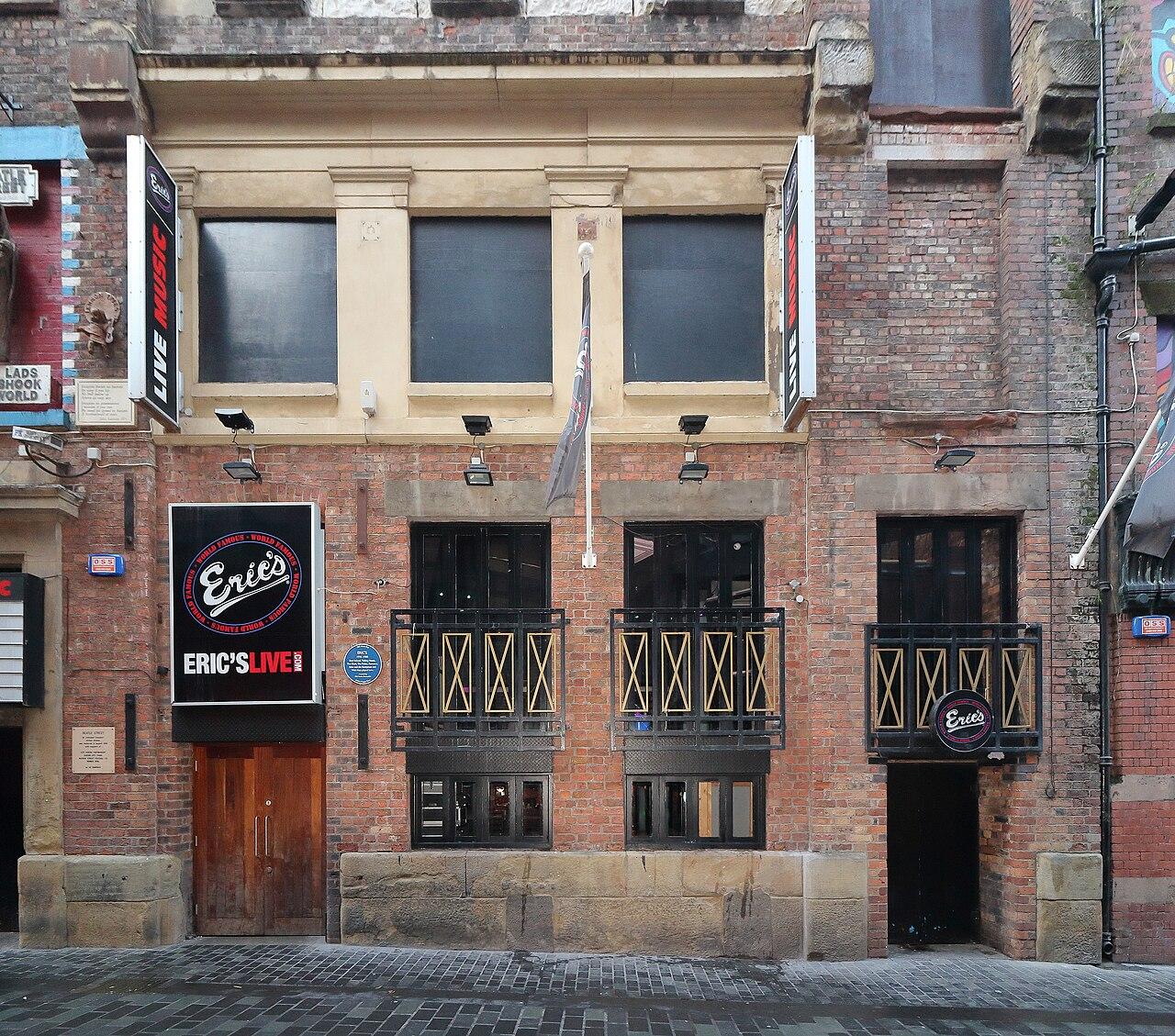
Renshaw Street smelled of stale beer and cheap cigarettes in 1977. A crowd of sweaty, agitated teenagers packed the basement of 109 Renshaw Street, waiting for the Sex Pistols to emerge from the shadows. Johnny Rotten stood center stage with a sneer that could cut glass. This single performance at Eric's Club Liverpool signaled a violent shift in the city's cultural temperature. The raw, jagged energy of London punk arrived in the North West and tore the old social fabric apart.
The Sex Pistols brought more than just loud guitars to Liverpool that night. They brought a permission slip for every bored kid in the Mersey region to pick up an instrument and scream. Before this, the local music scene anchored itself to the sophisticated, jazz-inflected rhythms of bands like Orchestral Set. Martyn Kerruish and his cohorts played music that required technical precision and a certain level of polish. That era of smooth, professional musicianship felt suddenly obsolete under the weight of three-chord fury.
Punk arrived like a physical blow to the chest. It stripped away the pretension of the previous decade. You did not need a conservatory education to play at Eric's Club Liverpool. You only needed a cheap guitar, a loud amp, and something to say. This sudden democratization of music changed the DNA of the city's creative output. The basement on Renshaw Street became a laboratory for a new kind of sonic experimentation.
Every set played in that cramped, humid space contributed to a growing sense of rebellion. The walls of the club absorbed the feedback from distorted Fender Stratocasters and the rhythmic thud of heavy drum kits. It was a place where the boundary between the performer and the audience vanished. If you were in the room, you were part of the movement. The energy was infectious and dangerous.
The 1977 Catalyst at 109 Renshaw Street
The Sex Pistols tour of 1977 changed everything for the local youth. Students and dockworkers alike crowded into the dark corners of the club to witness the destruction of the status quo. This specific moment in Liverpool history acted as a catalyst for the entire post-punk movement. The aggression of the London scene provided the raw materials for something much more complex to grow in the years that followed.
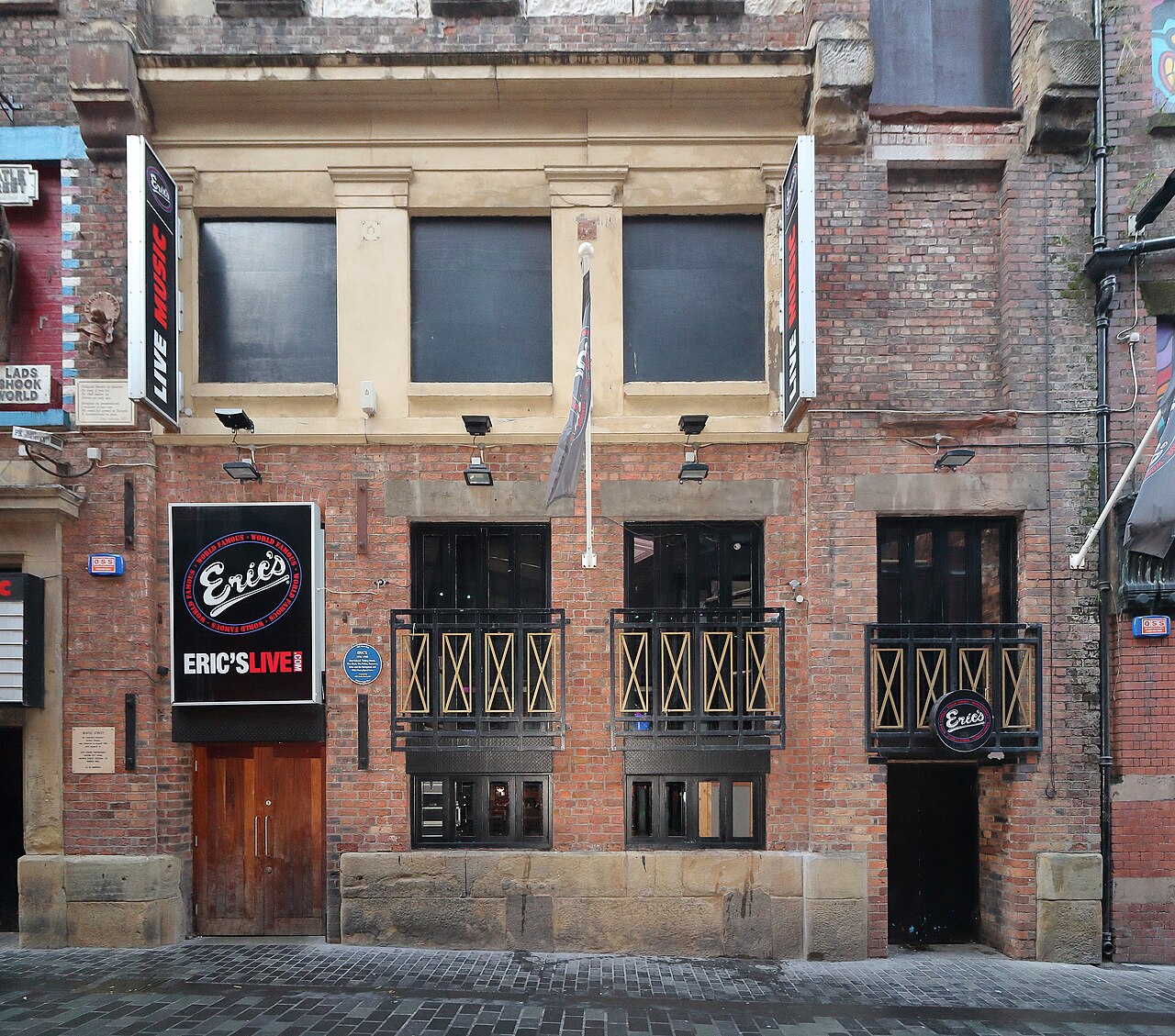
Musicians began to look beyond the simple structures of 1977 punk. They took the energy of the Sex Pistols and applied it to more atmospheric, brooding textures. The club provided the physical space for these experiments to occur. You could hear the transition from the blunt force of punk to the layered tension of post-punk happening in real time. The basement at 109 Renshaw Street functioned as a pressure cooker for new ideas.
Local bands used the venue to test their limits. They moved away from the standard three-minute pop song structure toward something more dissonant. The air in the club felt heavy with the scent of rebellion and the vibration of low-end frequencies. It was a period of intense, localized creativity that refused to look toward London for validation. Liverpool was finding its own voice, and it was a voice that sounded nothing like the radio hits of the era.
The club's importance remains central when discussing the evolution of the North West scene. It provided a stage for the transition from the raw aggression of 1977 to the synth-driven New Wave of 1981. Bands like Frankie Goes to Hollywood emerged from this same regional ecosystem. They took the foundation of the club's energy and polished it for a wider audience. The seeds of that pop success grew in the dark, sweaty floors of Eric's Club Liverpool.
Every drummer in the city seemed to beat harder than the $last$. The percussion became more prominent, driving the rhythm with a relentless, mechanical precision. The basslines grew heavier, anchoring the swirling, chaotic guitars. This was the sound of a city reinventing itself through noise. The club served as the epicenter of this transformation.
The Zoo Records Revolution
Bill Drummond and Albert Graph decided to bottle the chaos of the club scene. They founded Zoo Records to document the rapid evolution of the Liverpool sound. This label did more than just release vinyl; it provided a permanent record of a moving target. The label captured the shift from the jagged edges of punk to the melodic, shimmering textures of New Wave. It gave the local scene a sense of legitimacy and a way to reach the outside world.

Zoo Records acted as a lifeline for artists who were too experimental for the mainstream. The label's releases featured the raw, unpolished energy of the club's most important acts. It wasn't about polished production or radio-far-reaching hooks. It was about capturing the specific, localized tension of the Liverpool underground. Drummond and Graph understood that the power of the scene lay in its refusal to conform.
"I'm not looking for a way out, I'm looking for a way in."
The label's roster reflected the diverse sounds emerging from the city. You could hear the transition from the aggressive, stripped-back tracks to the more lush, melodic arrangements. This period saw the rise of a sound that was both melancholic and danceable. The Zoo releases documented a community in the middle of a profound creative metamorphosis. It was a period of intense, localized industry.
Pete Wylie played a massive role in this era. He moved from the raw energy of The Fab Two to the more melodic, sophisticated sounds of The Lotus Eaters. His 1983 single "Out of Splendour" stands as a peak moment for the Liverpool scene. It carried the DNA of the club's experimentalism into a format that could actually compete on the charts. Wylie's ability to blend grit with melody defined the era's best work.
Geoff Travis provided a vital link between the Liverpool underground and the London industry. He later founded Rough Trade Records, carrying the spirit of the Eric's Club Liverpool scene with him. His connection to the club scene ensured that the ideas being born on Renshaw Street reached a global audience. The movement was never isolated; it was part of a larger, burgeoning independent music network. The club was the starting point for a much larger revolution.
Martin Hannett and the Sound of Coldness
Martin Hannett entered the Liverpool scene like a frost settling over a summer field. He did not just produce records; he sculpted them with a clinical, almost surgical precision. He took the raw, chaotic energy of the club bands and stripped away the warmth. His production style relied on stark, cold textures and a heavy, dominating drum sound. He transformed the local noise into something architectural and imposing.
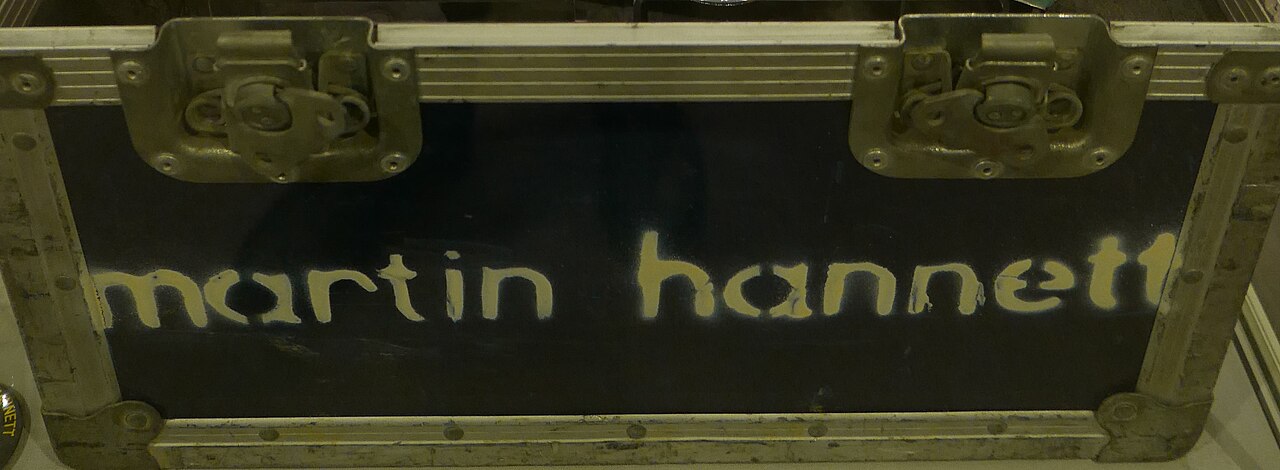
The drums in a Hannett production hit like a hammer against concrete. He used space as an instrument, leaving gaps in the music that felt unnerving and hollow. This approach perfectly matched the bleak, industrial atmosphere of the North West in the late 1970s. He applied this signature style to the artists who emerged directly from the club culture. His work turned the local talent into something much more profound and unsettling.
The studio became an extension of the club's experimentalism. Hannett used the studio to create sonic environments that felt physically real. A bassline might sit so low it vibrates through your floorboards before you even realize it is playing. He used delays and reverbs to create a massive sense of empty space. This was the sound of the post-punk era: a sense of isolation and structural tension.
The producers of that era acted as architects as much as musicians. They understood that the music needed to reflect the decaying urban environment of the time. Hannett's work with the Liverpool circuit helped define the aesthetic of an entire decade. He took the frantic energy of the club and froze it into something permanent and haunting. His influence lives in every cold, drum-heavy track of the period.
The texture of the music changed under his guidance. Guitars no longer just buzzed; they rang out like metal striking metal. The percussion became a structural element, a rhythmic skeleton upon which the melodies hung. This was not music for comfort; it is music for confrontation. He forced the listener to engage with the emptiness and the weight of the sound.
From Psychedelia to New Wave Pop
Julian Cope brought a different kind of energy to the Renshaw Street basement. As the frontman of The Teardron Explodes, he utilized the club's atmosphere to hone a psychedelic-influenced pop sound. His 1980 single "Reward" remains a high point of the era. It combined the manic energy of the post-punk scene with a bright, infectious melodicism. This was the sound of the scene expanding its horizons.

The music began to move away from the purely dissonant. There was a new interest in melody, but it was a melody that still felt slightly off-kilter. The influence of 1960s psychedelia merged with the mechanical precision of the 1980s. This created a sound that was both nostalgic and forward-looking. It was a strange, beautiful hybrid that defined the early years of the decade.
The Teardrop Explodes provided a bridge between the dark post-punk era and the more colorful New Wave. They brought a sense of theatricality and grandeur to the small club stage. The performances were energetic, enough to unsettubtle any casual observer. It was a way of reclaiming the joy of pop music without sacrificing the edge of the underground. The club was the perfect venue for this kind of reinvention.
Ian McCulloch and Echo & the Bunnymen also played a vital role in this transition. Their early sets at Eric's Club were seminal moments in the development of their sound. Before their 1983 debut album arrived on Korova Records, they had already mastered the art of the atmospheric, brooding performance. McCulloch's vocals carried a weight of melancholy that resonated deeply with the local audience. They brought a sense of soul to the cold, electronic textures of the era.
The evolution of the sound followed an unpredictable path. It consisted of sudden shifts and experimental leaps. One night the club would host a band playing jagged, aggressive punk; the next, a group playing lush, synth-heavy pop. This unpredictability kept the scene alive and constantly evolving. The diversity of the music was its greatest strength.
The Legacy of the Liverpool Circuit
The impact of Eric's Club Liverpool extends far beyond the years it was operational. The DNA of that specific, localized scene lives in much of the independent music that followed. The connections between the Liverpool clubs and the London independent industry were direct and powerful. Figures like Geoff Travis and Bill Drummond carried the ethos of the North West into the broader musical world. They proved that a local scene could influence global trends.
The transition from the raw energy of 1977 to the polished New Wave of 1981 represented a complete transformation. The foundational elements remained the same: a spirit of experimentation and a refusal to follow the rules. The bands that emerged from this ecosystem were inherently creative and fiercely independent. They did not wait for permission from the mainstream; they built their own world.
The music of that era still hits with a physical force. You can hear the echoes of the Liverpool sound in modern post-punk and indie rock. The influence of Martin Hannett's production and the melodic innovations of bands like The Teardrop Explodes continues to resonate. The sense of place and the specific, gritty texture of the music remain unmistakable. It was a period of genuine, unforced innovation.
Every musician who played on that stage contributed to a larger, much more significant story. They were part of a movement that changed the way music was made and consumed. The club at 109 Renshaw Street was more than just a venue; it was a laboratory for a new way of thinking about sound. The ideas born in that basement changed the course of British music history.
The lights eventually dimmed on the original era of the Liverpool scene. The clubs closed, and the musicians moved on to different stages and different sounds. Yet, the energy of those years remains trapped in the vinyl and the tapes. If you listen closely to the records from that time, you can still hear the feedback and the frantic, beautiful chaos of a city finding its voice.