From Chicago Projects to London Postcodes: The Rise of Drill
South Side Chicago streets echoed with a new, menacing frequency in the summer of 2012. The air felt heavy with Midwestern humidity and the tension of a city on edge. Teenagers circulated YouTube links like contraband, passing around a video featuring a kid with dreadlocks and a cold, detached stare. This movement fundamentally altered hip-hop across the Atlantic, introducing the world to the raw energy of drill.
Chief Keef stood in the center of that storm. His 2012 single "I Don't Like" acted as a blunt instrument hitting a concrete wall. The track did not ask for permission to exist. It demanded attention through sheer, unadulterated aggression. This single changed everything for the local scene and provided a blueprint for a global subgenre.
Young Chop sat behind the boards, crafting a sonic architecture that felt both hollow and massive. He used heavy, sliding 808 patterns that rattled windows in low-end cars. Dark, cinematic brass stabs cut through the murky mix like sirens in the night. These production choices created a sense of dread that matched the lyrical content of the streets.
The production felt skeletal. No unnecessary fluff or polished pop sheen softened the blow. Every snare hit felt like a physical strike. This raw aesthetic stripped away the artifice of mainstream hip-hop, leaving only the grit of the South Side.
The South Side Sound of 2012
Lil Reese and Lil Bibby emerged from the same harsh reality as Chief Keef. These artists lacked access to high-end recording studios in Midtown. Instead, they utilized makeshift home studios scattered around the South Side of Chicago. These small, cramped rooms, often filled with 12-ounce cans and cheap electronics, became the laboratories for a new sound.
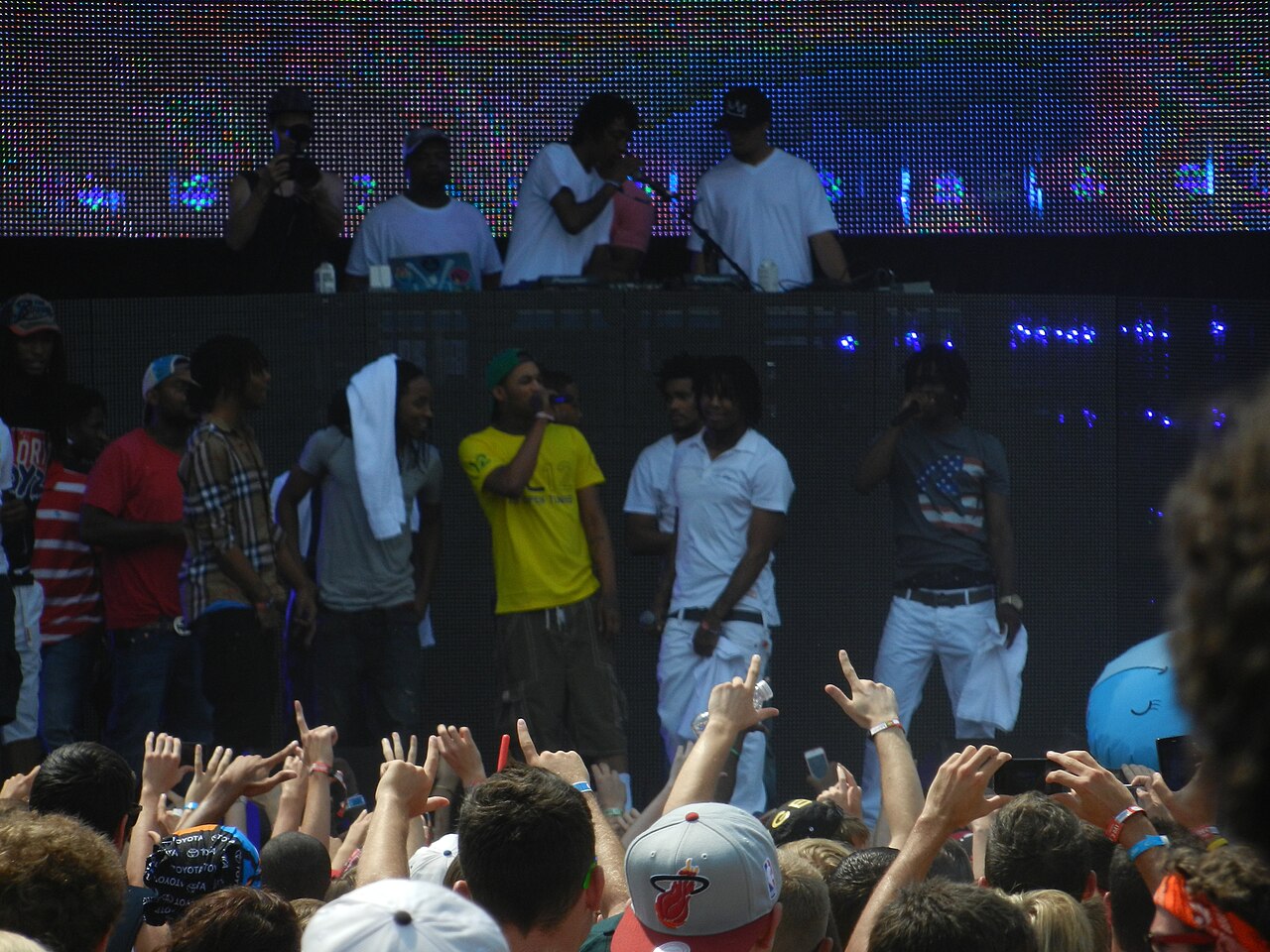
The gear remained basic. Microphones often consisted of cheap condensers plugged into budget interfaces like the Focusrite Scarlett series. Yet, the lack of professional polish worked in the genre's favor. The lo-fi quality added an extra layer of authenticity to the stories being told. You could hear the environment in the recordings.
Lil Drill and his contemporaries recorded much of their foundational material in these improvised spaces. The muffled acoustics of a bedroom or a basement provided a claustrophobic energy. This claustrophobia mirrored the physical confinement of the projects. The music felt trapped, desperate, and dangerous.
Chicago's heat matched the intensity of the tracks. While the rest of the hip-hop world chased radio-friendly melodies, the South Side stayed focused on the grim reality of their surroundings. The beats stayed dark. The lyrics stayed blunt. There was no room for metaphor when the reality was so stark.
The energy of the heavy 80 Hyper-808s provided a rhythmic backbone for the chaos. These drums did not just play; they pulsed with a rhythmic violence. They drove the tracks forward with an unrelenting momentum. This sonic weight became the DNA of everything that followed.
The year 2012 signaled a seismic shift in hip-hop production. Kanye West released "Cruel Summer" via G.O.O.D. Music, emphasizing a glossy, maximalist grandeur. Drake dominated the charts with the smooth, melodic "Take Care." Chicago Drill stood in total opposition to this polished luxury. It rejected the high-fidelity sheen of the era in favor of something much more visceral.
Clout was the only currency that mattered in the streets of Englewood and O'Block. This music functioned as a real-time news report for a community often ignored by mainstream media. When artists like Lil Maybach or King L released tracks, they were documenting active conflicts. The music did not just reflect the culture; it actively fueled the local beefs and social dynamics.
Young Chop and the Chicago Blueprint
Young Chop defined the sonic parameters of the drill evolution. He understood that the 808 was not just a drum; it was a lead instrument. He manipulated the decay and the pitch of the bass to create a sense of movement. His patterns slid between notes, creating a disorienting, drunken swing.
The percussion in a Young Chop beat felt sharp and unforgiving. He paired those sliding 808s with crisp, metallic hi-hats and claps that snapped like a whip. This contrast between the low-end sludge and the high-end sharpness created a tension that kept listeners on edge. It was a masterclass in tension and release.
The cinematic brass elements added a layer of grandiosity to the street narratives. These sounds felt like they belonged in a gritty crime noir film. They elevated the tracks from mere street anthems to something more atmospheric and ominous. It gave the music a weight that transcended the local block.
Software like FL Studio 11 provided the primary toolkit for this sonic revolution. Chop used the piano roll to program intricate, percussive melodies that felt almost skeletal. He stripped the melody down to its barest essentials. This minimalism allowed the heavy bass to breathe and dominate the frequency spectrum.
The influence of trap production from Atlanta was present but heavily mutated. While producers like Zaytoven used bright, organ-heavy melodies, Chop leaned into darkness. He avoided the trap-soul warmth of the era. Instead, he embraced a cold, industrial feeling that sounded like metal scraping on pavement.
"I don't like, I don't dislie, I don't fuck with 'em."
Chief Keef repeated these lines with a nonchalance that defined the entire movement. The lyrics did not rely on clever wordplay or complex metaphors. They were about stance. This lyrical simplicity allowed the listener to even focus entirely on the menacing energy of the beat. The words acted as rhythmic punctuation for the violence of the production.
The impact of this production style traveled across the ocean. When producers in London heard these South Side tracks, they heard a new way to use percussion. They heard a way to express local tension using a global sonic language. The blueprint was ready for export.
The London Translation and UK Drill
London's Brixton and Tottenham streets began to adopt the Chicago rhythm around 2014. The transition was not a direct copy but a mutation. UK producers took the 808 slides of Young Chop and fused them with the DNA of Grime and UK Garage. This created a faster, more syncopated rhythm that felt uniquely British.
The tempo shifted slightly upward. While Chicago Drill often sat in a heavy, mid-tempo crawl, UK Drill introduced a frantic, skippy energy. Producers like 80 Hyper-808Melo and AXL Beats experimented with much more complex hi-hat patterns. They utilized the triplet rhythms found in Grime to create a sense of urgency.
The sliding 808s remained the core element. London producers added a distinct, hollow percussion style. They used sharp snares and woodblock-unike sounds that cut through the heavy bass. This created a "skipping" sensation that made the tracks perfect for the energetic dance culture of London clubs.
Artists like LD and 67 brought a different lyrical focus to the genre. While they maintained the aggressive street narratives of Chicago, the dialect was entirely different. The use of London slang and Multicultural London English (MLE) gave the music a localized, hyper-specific identity. It felt like a product of the London postcode wars.
The production landscape in London also carried the legacy of Grime. The aggressive, synthesized sounds of early 2000s Grime provided a melodic foundation. Producers layered dark, eerie synth pads over the heavy 808s. This added a haunting, atmospheric quality that felt distinct from the more stripped-back Chicago original.
The cultural moment in the UK was ripe for this shift. The Grime era had entered a period of stagnation, with many of its pioneers moving toward more commercial sounds. A new generation of listeners craved something raw and uncompromising. UK Drill filled that void with a ferocity that the mainstream pop scene could not touch.
The genre's growth relied on the digital underground. Platforms like YouTube and SoundCloud allowed artists from Tottenham to reach audiences in Lewisham without any radio support. This bypassed the traditional gatekeepers of the UK music industry. The music lived and breathing in the comments sections and the WhatsApp groups.
Sonic Warfare and the Postcode Identity
Postcode politics defined the UK Drill era. The music became an organic extension of territorial disputes in boroughs like Hackney, Lewisham, and Southwark. Every track served as a way to assert dominance over a specific area. This turned the music into a digital map of London's social tensions.
The lyrics often referenced specific streets, landmarks, and rivalries. This hyper-locality made the music incredibly intense for those within the culture. For outsiders, it felt like listening to a coded transmission. You had an obligation to know the geography to understand the gravity of the threats being made.
Production reflected this territorial aggression. The beats often felt like they were attacking the listener. The heavy use of sudden silences and unexpected percussion hits mirrored the unpredictable nature of street life. It was music designed to provoke a physical reaction.
The rise of 67 and the group's influence on the genre changed the game. They brought a level of lyrical density and rhythmic flow that pushed the genre forward. Their tracks felt more structured and polished than the raw Chicago precursors. They proved that Drill could possess a sophisticated, almost operative intensity.
The 808 slides became even more extreme in the UK. Producers used pitch bends that were almost dissonant. These sounds created a sense of vertigo. It felt as though the ground beneath the listener was constantly shifting, mirroring the instability of the lives described in the lyrics.
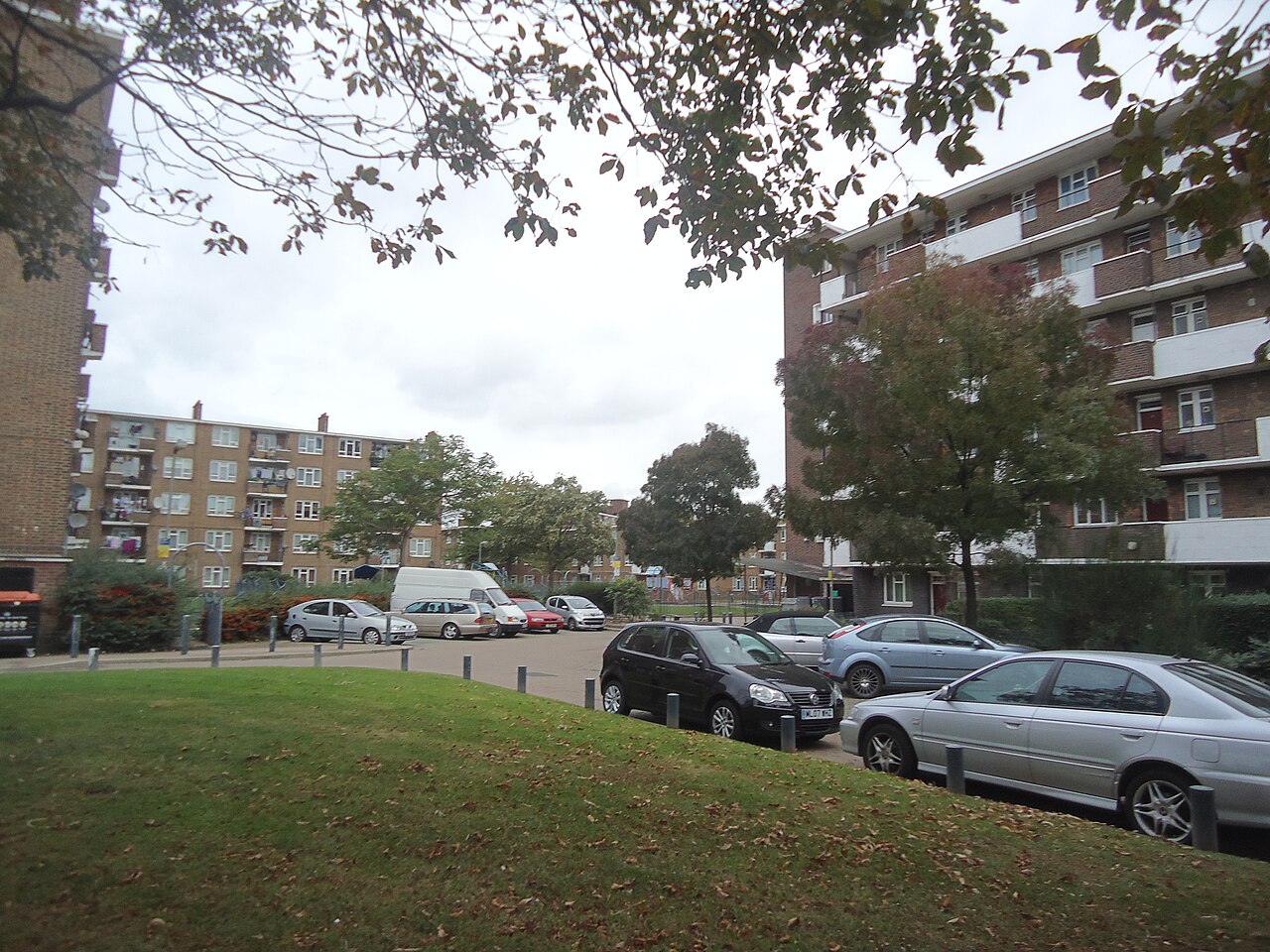
The visual component of the music played a vital role. Music videos featured large groups of people, often in hoodies, standing in front of council estates. These videos functioned as visual manifestos for the crews. They reinforced the sense of community and the reality of the postcode boundaries.
The tension between the music and the authorities became a central theme. The Metropolitan Police frequently targeted Drill artists, citing the music's role in inciting violence. This pressure only served to increase the genre's underground prestige. The music became a symbol of resistance against state surveillance.
The Global Expansion of the Drill Sound
New York City reclaimed its place in the drill conversation during the mid-20 10s. Brooklyn producers like Mad Max and musicians like Pop Smoke revitalized the genre with a unique, soulful twist. They blended the aggressive 808 slides of the UK with a more melodic, Brooklyn-centric swagger.
Pop Smoke's arrival changed the trajectory of the genre. He brought a deep, gravelly voice that sat perfectly atop the heavy production. His use of melodic hooks made the music more accessible to a global audience without sacrificing its grit. The "Brooklyn Drill" sound became a massive commercial force.
The production on tracks like "Welcome to the Party" utilized much more lush, orchestral elements. There were violin swells and dramatic piano melodies layered over the heavy percussion. This created a "mafia-style" aesthetic that felt both street and cinematic. It departed from the skeletal Chicago sound.
This New York iteration bridged the gap between the underground and the mainstream. It allowed the drill aesthetic to enter the Billboard charts and global playlists. The genre was no longer just a local phenomenon; it was a global commodity. The sonic DNA had successfully migrated from the South Side to Brooklyn and beyond.
Australia and Canada also developed their own distinct versions of the sound. In Sydney, artists integrated elements of local hip-hop and even dancehall. In Toronto, the production leaned into a darker, more atmospheric style that resonated with the city's cold climate. The genre's ability to adapt was its greatest strength.
The technological democratization of music production allowed this expansion. Anyone with a laptop and a cracked version of FL Studio could participate in the global conversation. The barrier to entry had vanished. This created a constant stream of new subgenres and regional variations.
The drill music evolution is a story of adaptation and survival. It began as a raw, unfiltered reaction to the violence of Chicago's South Side. It has since transformed into a complex, global language of rhythm and tension. While the locations change, the core impulse remains the same: to document a reality that the rest of the world refuses to see.
The genre remains a polarizing force in the music industry. Critics argue about its influence on crime, while fans celebrate its rhythmic innovation. Regardless of the debate, the impact of the 808 slide is permanent. The music has fundamentally rewired the way modern hip-hop producers approach percussion and bass.
The heavy 808s continue to dominate the charts. The dark, cinematic textures of the early era have become a standard tool in the pop-trap toolkit. The DNA of Chief Keef and Young Chop lives on in every heavy-hitting club track. The revolution started in the projects and ended in the global consciousness.