How 1970s German Clubs Invented Electronic Music
Düsseldorf, 1974. Ralf Hütter and Florian Schneider sat inside the sterile, controlled environment of Kling Klang Studio, surrounded by the hum of early oscillators and the smell of warm vacuum tubes. They ignored the blues-rock tropes dominating the UK charts or the sweaty, guitar-driven grit of American funk. Instead, they focused on the rhythmic, mechanical pulse of the Autobahn. When Polydor released Autobahn that year, the world heard something that felt less like a rock song and more like a machine breathing. This moment in German electronic music history replaced the human swing of a drummer with the relentless, precise clockwork of a sequencer.
Kraftwerk refused to look backward at American roots music. They studied the industrial landscape of the Ruhr Valley and the streamlined efficiency of German engineering. The tracks on Autron used custom-built synthesizers and primitive drum machines to mimic the steady drone of tires on asphalt. This approach rejected the blues-based soloing that defined the era. This new sonic vocabulary favored repetition over climax and texture over melody.
Kling Klang served as a laboratory for this new logic. Hütter and Schneider treated the studio as an instrument rather than a place to capture a performance. They manipulated tape loops and layered oscillators to create a sense of movement that felt entirely autonomous. By stripping away the traditional rock band lineup, they created a template for every electronic act that followed. The music relied on the hypnotic tension of a repeating loop rather than a charismatic frontman.
The Kling Klang Revolution in Düsseldorf
Düsseldorf functioned as a high-tech workshop during the mid-1970s. The city provided the perfect backdrop for a movement obsessed with industrial precision and futuristic aesthetics. Kraftwerk moved away from the psychedelic experimentation of their early years toward a rigid, rhythmic structure. They sought to capture the feeling of a modern, automated society. This required a complete overhaul of how a musician approached a recording session.
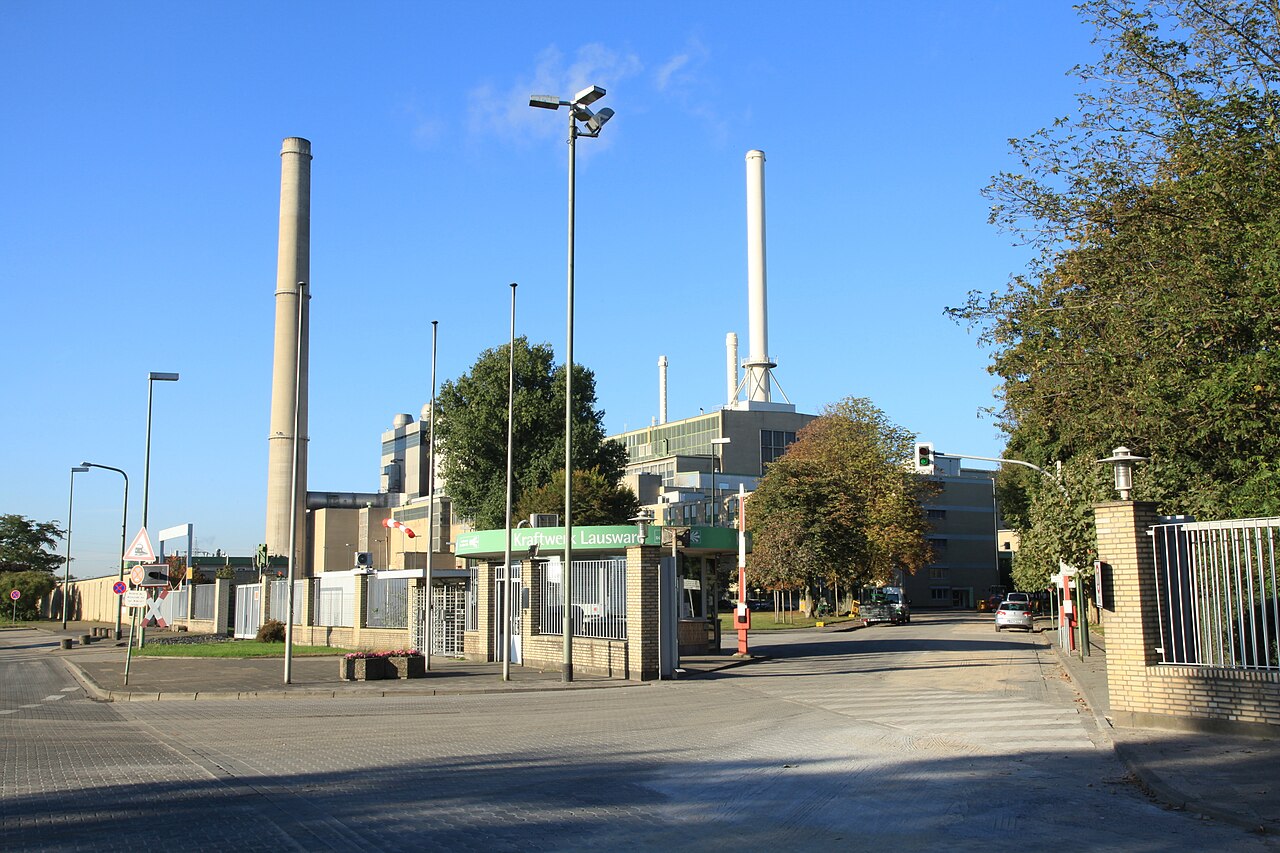
Polydor Records took a massive gamble on this clinical approach. Most labels in 1974 wanted radio-friendly singles with recognizable hooks. Autobahn offered a twenty-two-minute title track that drifted through melodic fragments and mechanical rhythmic shifts. It sounded like a transmission from a satellite orbiting a metallic Earth. The success of the album proved that audiences could engage with music that lacked a traditional verse-chorus-verse structure.
The production techniques used at Kling Klang were radical for the time. Hütter and Schneider utilized primitive sequencers to drive the rhythm, ensuring that no human error could disrupt the beat. This rigidity created a sense of inevitability in the music. You could feel the weight of the machine pressing against the speakers. It was a cold, beautiful sound that felt both alien and strangely familiar to anyone living in a post-war industrial hub.
Brain Records spread the influence of this Düsseldorf sound throughout Europe. Founded by Günter Körberg, Brain Records became the primary engine for distributing this experimental output. Körberg understood that this music needed its own ecosystem to survive. He provided a platform for artists who were too strange for the mainstream pop machine. Without this distribution network, the movement might have Dubbed a local Düsseldorf phenomenon.
Conny Plank and the Sound of Wolperath
Wolperath sits just outside Cologne, a quiet patch of land that housed one of the most important recording studios in music history. Conny Plank operated this space with the mindset of an experimental scientist. He did not just record bands; he disassembled them and rebuilt them using tape loops and signal processing. His studio became the primary site where the raw energy of Krautrock met the precision of electronic synthesis. Plank understood that the studio itself was a playground for sonic manipulation.
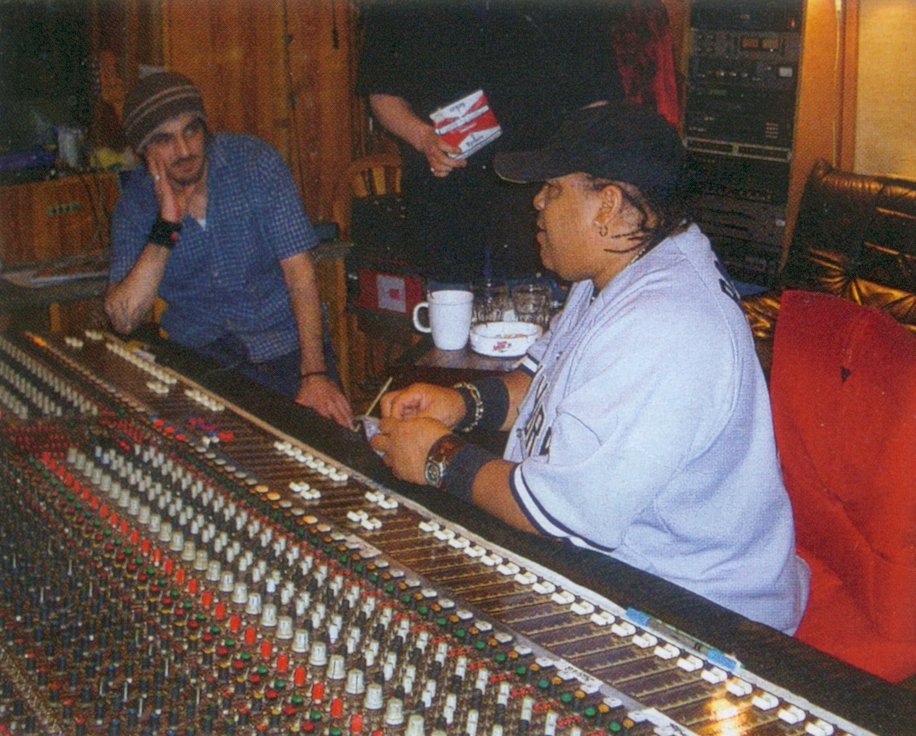
Plank engineered essential tracks for the most important names in the German scene. He worked with Neu!, Cluster, and Kraftwerk, bringing a specific, gritty texture to their electronic experiments. His technique involved heavy use of the EMS VCS3 synthesizer, a compact, patch-cord-driven machine that could produce unstable, organic textures. He loved the way these machines could sound both liquid and broken at the same time. This instability prevented the electronic music from sounding too sterile.
Plank's production often felt like something organic struggling to escape a metallic shell. He used custom-built effects and tape manipulation to add a sense of physical space to the recordings. When you listen to a Neu! record, you hear the room. You hear the way the drum hits decay in a heavy, real way. He bridged the gap between the mechanical precision of the synthesizer and the raw, human impulse of the performer.
"I don't want to be a producer who just captures a performance. I want to be a part of the sound itself." - Conny Plank
Cluster, featuring Hans-Joachim Roedelius and Dieter Moście, pushed the limits of ambient texture in Plank's studio. In his space, the boundaries between melody and noise dissolved. He helped create a sense of atmosphere that was a physical presence in the stereo field. His ability to manipulate the EMS VCS3 allowed him and his collaborators to create sounds that felt like they were bubbling up from beneath the floorboards. This music sounded like it was decomposing as you heard it.
The Motorik Pulse of Neu!
Klaus Dinger sat behind a drum kit in 1972, attempting to break the shackles of the blues-shuffle. He developed a rhythm known as the "Motorik" beat, a repetitive 4/4 pattern that lacked the syncopated swings of American rock. It was a straight, driving, and relentless pulse. This beat provided the backbone for Neu!, a band that stripped rock music down to its most essential, rhythmic components. The rhythm felt like a train moving through a tunnel, indifferent to anything outside its tracks.

Neu! released their self-titled debut on Brain Records in 1972, and it immediately signaled a departure from the era's bloated progressive rock. The album relied on this steady, hypnotic drumming to ground much more experimental guitar and keyboard textures. Michael Rother's guitar work avoided flashy solos, opting instead for repetitive, interlocking patterns that meshed with Dinger's beat. This created a sense of forward motion that was both exhausting and exhilarating to listen to.
The Motorik beat functioned as a rhythmic mantra. It allowed the listener to drift into a trance-like state, a precursor to the hypnotic loops found in later techno. There were no sudden shifts in tempo or complex time signature changes to distract the ear. Instead, the music relied on the gradual accumulation of texture and the subtle shifting of harmonic layers. It was a form of minimalism that used the power of repetition to create a sense of massive, unfolding scale.
Listening to Neu! feels like driving through the German countryside at night with no destination in mind. The rhythm provides the steady motion of the car, while the melodic elements represent the passing lights of distant towns. It is a deeply physical experience. The beat hits you in the chest with a consistent, unyielding pressure. This lack of traditional tension and release forced the listener to find meaning in the steady, unwavering flow of the music itself.
West Berlin's Experimental Underground
West Berlin in the 1970s was a pressurized, isolated pocket of creative energy. The city's unique political status created a playground for artists who wanted to escape the conventions of the rest of West Germany. Venues like Dschungel became the epicenters for this experimental movement. Producers and musicians gathered in these dark, smoke-filled clubs to experiment with the newest technology and the strangest ideas. The scene built itself on the concept of sonic exploration without regard for commercial viability.
The Zodiak Free Arts Lab served as a crucial hub for the Kosmische Musik movement. Here, groups like Cluster performed in an environment that encouraged total sonic anarchy. The lab functioned less as a concert venue and more as a laboratory for the avant-garde. Musicians interacted with tape loops, early synthesizers, and improvisational noise. This was the birthplace of a specific type of German experimentalism that valued the unexpected over the rehearsed.
Hans-Joron Roedelius and Dieter Moście brought a sense of pastoral, ambient beauty to this chaotic environment. Their work with Cluster explored the intersection of organic sounds and electronic manipulation. They utilized the laboratory setting to test how much noise a listener could tolerate before the melody became lost. This experimentation helped define the boundaries of what could be considered music in an era of rapid technological change.
The club culture in West Berlin drew heavily from experimentation with tape loops and early synthesizers. Producers brought the sounds of the studio into the club, blurring the line between performance and installation. This was not a place for dancing to a predictable beat, but for experiencing a shifting, unstable sonic environment. The energy of the city - its tension, its isolation, its grit - lived directly in the recordings produced in these underground spaces.
The Munich Connection and Disco's Synthetic Shift
Munich provided a different, more polished version of the German electronic experiment. While Berlin was gritty and experimental, Munich saw a massive, glossy transformation of the dance floor. Musicland Studios became the laboratory where the DNA of modern disco was rewritten. Giorgio Moroder worked within this high-end environment, stripping away the orchestral strings and brass of traditional disco and replacing them with the cold, precise pulse of the synthesizer.
Donna Summer's 1977 hit "I Feel Love" remains the most significant moment of this shift. Moroder produced a track that utilized a fully synthesized, sequencer-driven backing track. The bassline does not swing; it pulses with a mechanical, unyielding accuracy. Every note is quantized to a grid, creating a hypnotic, circular momentum. It was a radical departure from the soulful, organic disco of Philadelphia or New York. This was disco as a machine-driven, futuristic fantasy.
The sound of "I Feel Love" hit the listener like a wave of pure, synthetic light. The arpeggiated sequences moved through the stereo field with a precision that felt entirely superhuman. It removed the human element of the drummer and replaced it with the perfect element of the machine. This track provided the blueprint for almost all electronic dance music that would follow, from Hi-NRG to House. It proved that the synthesizer could carry the emotional weight of a dance anthem.
Moroder's work at Musicland Studios demonstrated the power of the sequencer to create tension through repetition. The track does not rely on a big melodic change to keep the listener engaged; it relies on the subtle, microscopic shifts in the synthesizer's filter cutoff and resonance. The music breathes through the manipulation of electronic parameters. It is a way of making a machine feel alive by controlling its very breath and heartbeat.
From Kosmische Musik to Detroit Techno
The lineage from the 1970s German underground to the 1980s global dance explosion is direct and unbroken. The experimentalism of the Kosmische Musik movement provided the intellectual and technical foundation for the rhythmic innovations that followed. Musicians took the lessons of repetition and machine-driven texture and applied them to much more danceable, beat-centric frameworks. The DNA of Kraftwerk and Neu! lives inside every techno track played in a club today.
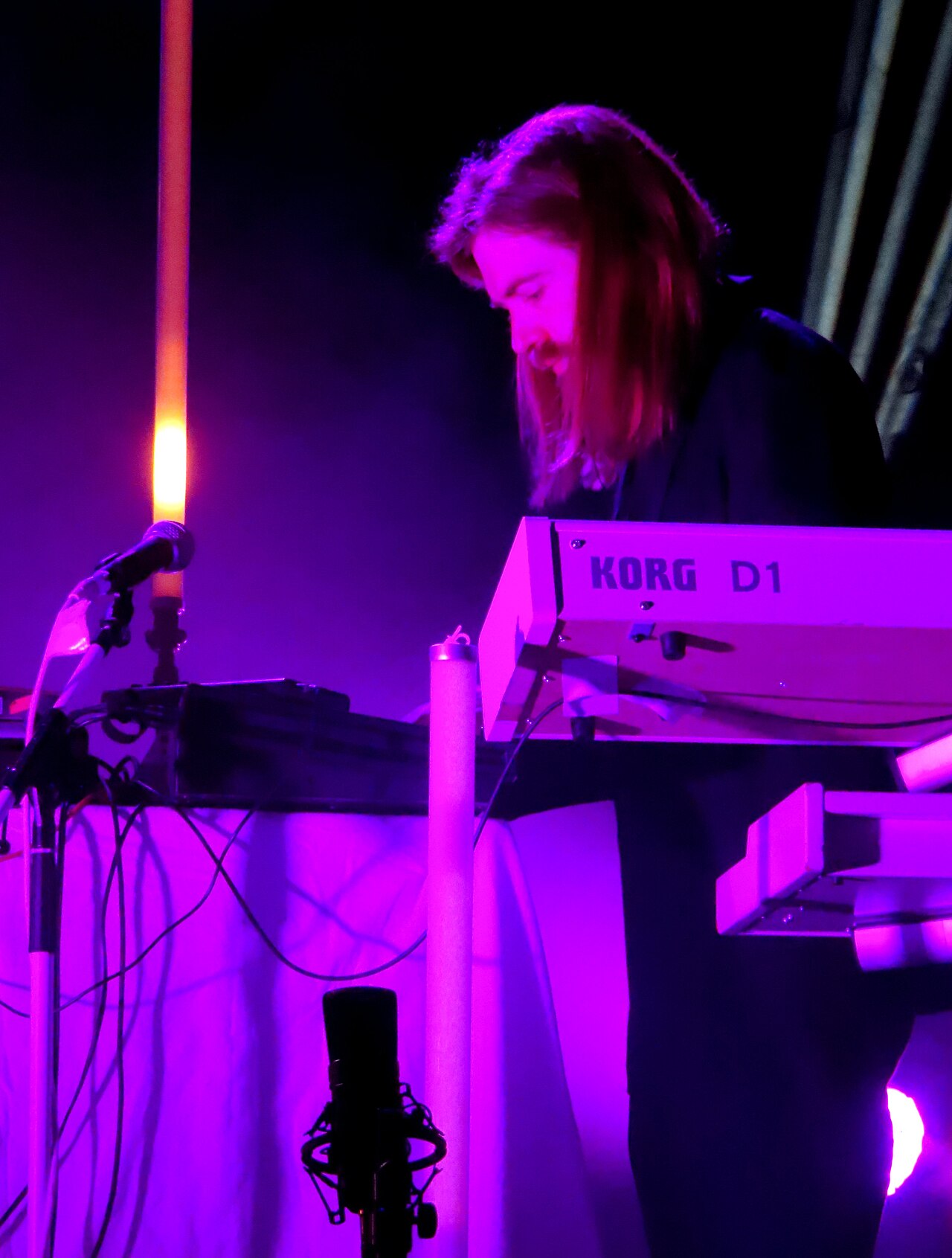
Manuel Göttsching's 1984 album E2-E4 bridges these two eras. The album utilizes repetitive, hypnotic sequences that directly mirror the Motorik pulse of the 1970s. It presents these ideas with a streamlined, electronic clarity that feels perfectly suited for the burgeoning club scenes of the mid-80s. The tracks are long, looping, and incredibly immersive, providing a template for the hypnotic, loop-based structures of Detroit Techno.
The connection to Detroit is not a coincidence. Producers like Juan Atkins and Derrick May listened to the rhythmic precision of German electronic music. They saw in the works of Göttsching and Kraftwerk a way to use technology to create a new kind of funk - one that was not rooted in the Mississippi Delta, but in the industrial, automated future. They took the German obsession with the machine and merged it with the soulful, rhythmic urgency of American urban music.
Brian Eno also played a role in connecting these dots. While working with Roxy Music, Eno frequently cited the influence of the German experimentalists on his production techniques. He took the ideas of ambient texture and studio-as-instrument and brought them into the mainstream rock consciousness. He helped validate the idea that the sound of a record could be just as important as the song itself. The German-born idea of the sonic environment became a cornerstone of modern music production.
The history of electronic music is not a series of disconnected accidents. It is a continuous, evolving stream of technological and artistic intention. From the precise, automated streets of Düsseldorf to the hypnotic, looping sequences of E2-E4, the goal remains the same: to find the soul within the machine. The 1970s German clubs did more than just experiment; they built the very foundation upon which the entire modern musical world now stands.