How Black Sabbath Used the Devil's Interval to Invent Metal
Cor Brow, West Midlands, felt like a place where nothing ever changed. The air in the industrial heart of England carried a heavy coating of soot and grit during the late 1960s. Tony Iommi worked his shifts at the Aston factory, a place defined by the rhythmic, mindless thud of machinery. This routine ended abruptly when a machine malfunctioned and crushed the tips of two fingers on his right hand. The physical pain vanished quickly, but the loss changed the trajectory of rock music forever.
Iommi faced a devastating reality in that factory workshop. A guitarist with mangled fingertips faced a dead end in a career built on dexterity. He could not press down on thin, high-tension strings without excruciating pain. He needed a way to make the guitar easier to play. This technical struggle forced him to experiment with physics and tension in ways no other guitarist had considered.
The solution came through heavy gauge strings. By using thicker wire, Iommi reduced the tension required to press the strings against the fretboard. This change altered the very DNA of his sound. The thicker strings moved more air and produced a thicker, more sluggish vibration. It transformed a standard blues-rock setup into something much more menacing.
He also began tuning his Gibson SG down to C-sharp. This downward shift loosened the strings even further. The notes became muddy, dark, and physically heavy. This wasn't just a stylistic choice; it was a survival tactic for a wounded musician. This specific technical necessity birthed the massive, crushing tone that would define the doom metal subgenre for decades.
Tuning Down to the Abyss
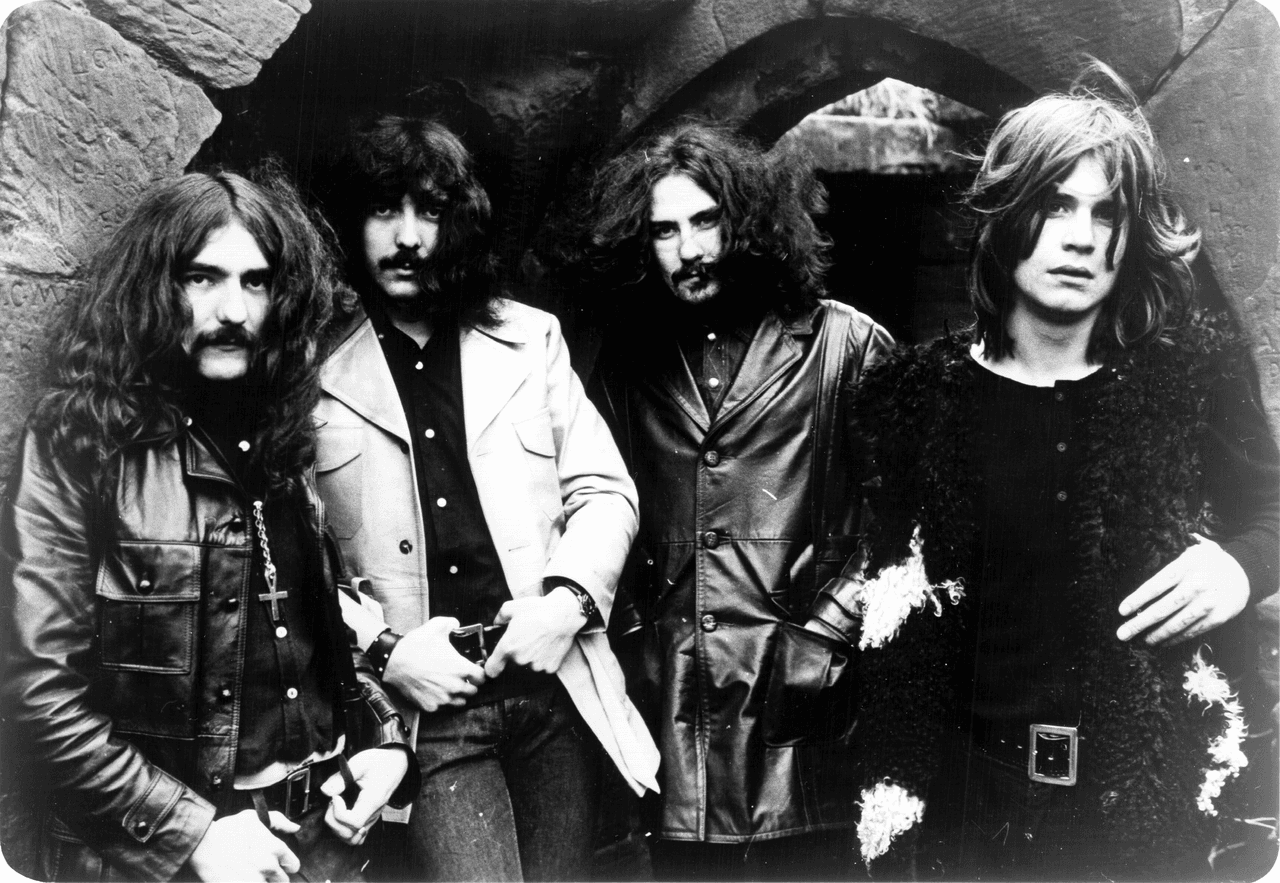
Regent Sound Studios in London provided the cold, sterile environment where these experiments solidified. During late 1969 and early 1970, the band gathered under the direction of producer Rodger Bain. They brought a sound that felt entirely disconnected from the psychedelic optimism of the era. While other bands chased colorful, airy textures, Black Sabbath leaned into the shadows of the lower frequencies.

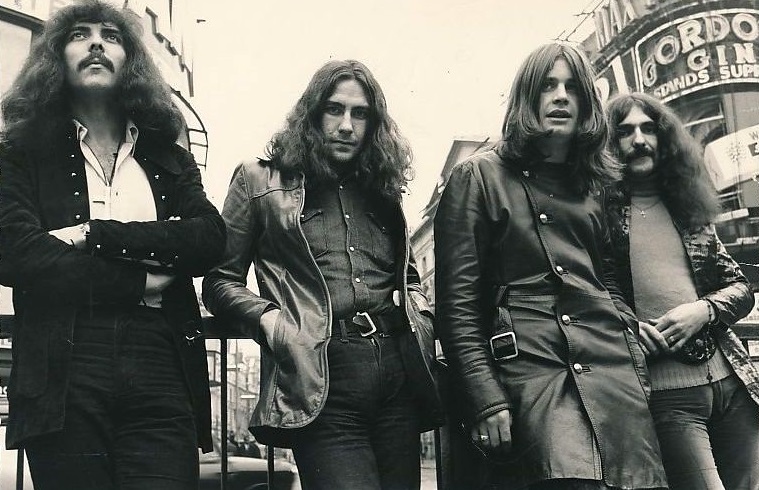
The tuning process changed the harmonic structure of the band's riffs. A C-sharp tuning creates a sense of dread because the fundamental frequencies sit lower than the standard E tuning. This lower pitch creates a thick, swampy atmosphere that feels like it is dragging against the floor. It lacks the bright, stinging clarity of the blues-crooner era. Instead, it offers a weight that hits the listener in the solar plexus.
Bill Ward anchored this descent with a Ludwig drum kit. His playing avoided the frantic, straight-four precision of many contemporary blues-rock drummers. Ward played with a heavy, swung percussion style that felt slightly behind the beat. This swing gave the riffs room to breathe and expand. It made the music feel massive and lumberable, like a giant moving through a fog.
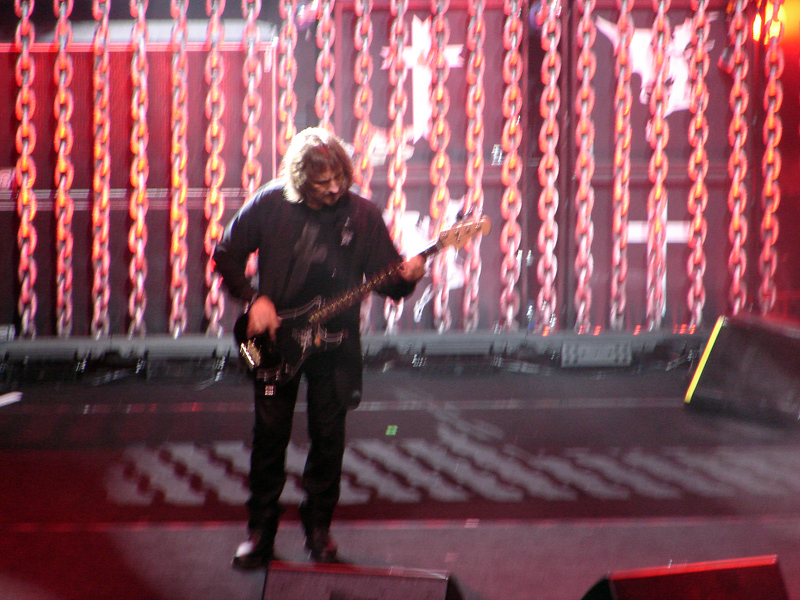
Geezer Butler provided the necessary low-end foundation. His bass lines locked into Iommu's down-tuned riffs, creating a unified wall of sound. The bass didn't just play notes; it vibrated through the floorboards of the studio. When the entire band played in unison at these lower frequencies, the music took on a physical presence. It was no longer just a song; it was a sonic weight.
Ozzy Osbourne provided the final, crucial element to this heavy equation. His vocal delivery on the track "Black Sabbath" relies on a haunting, melodic simplicity. He did not attempt the operatic gymnastics of late-period heavy metal singers. Instead, he sang with a plain, almost nursery-rhyme clarity that contrasted sharply with the distorted, down-tuned guitar riffs. This contrast made the music feel even more unsettling because the vocals sounded so human and vulnerable amidst the chaos.
The Forbidden Sound of the Black Sabbath Devil's Interval
The opening notes of the song "Black Sabbath" from their 1970 self-titled debut album on Vertigo Records contain a specific, terrifying dissonance. This sound comes from the use of the tritone, also known as the augmented fourth or diminished fifth. In music theory, this interval is famously unstable. It refuses to resolve, leaving the listener in a lubricated state of perpetual tension. This is the Black Sabbath Devil's Interval.
The Catholic Church officially banned the use of the tritone in plainchant during the Middle Ages. Priests and monks found the interval "unholy" because it lacked the divine stability of perfect fifths or octaves. It sounded broken, jagged, and predatory. By bringing this forbidden interval to the forefront of a rock riff, Black Sabbath tapped into a deep-seated, ancestral fear of the dissonant.
Iommi used this interval to create a sense of immediate danger. When he strikes that specific augmented fourth, the music stops being a blues progression and starts being a horror movie. The interval creates a sense of nausea and unease. It is the sound of something lurking just out of sight in the dark. This use of dissonance became the foundational tool for every heavy metal band that followed.
"What is the Devil's Interval? It's that tritone, that augmented fourth, that creates this feeling of unease and tension that defines the heavy metal sound."
This interval does not merely exist within the song; it dictates the song's movement. The riff oscillates around this tension, never quite finding peace. It mimics the feeling of being hunted. The listener cannot find a comfortable place to rest their ears. This refusal to resolve is why the song feels so much more menacing than the blues-driven rock of 1970.
The technical brilliance lies in how Iommi integrates this dissonance into a playable riff. He uses the natural decay of the heavy-gauge strings to let the tritone ring out. The vibration of the C-sharp tuning allows the dissonance to linger in the air. It is a masterclass in using musical theory to evoke primal psychological responses. Without this specific interval, the band would just be another heavy blues group.
Horror Stories and Geezer Butler
Geezer Butler acted as the band's lyrical architect and primary storyteller. While Iommi provided the sonic dread, Butler provided the narrative terror. He did not write about social politics or psychedelic expansion. He wrote about the things that go bump in the night. His lyrics drew heavily from the pulp horror magazines that circulated in the UK during the 1960s.
One specific 1960s issue of a UK horror magazine changed everything for the band. Butler read a story about a protagonist being stalked by a dark figure. This imagery of a shadow appearing behind someone became the central concept for the song "Black Sabbath." He translated the pulp tension of the magazine into lyrics that felt visceral and real. The lyrics didn't just describe a monster; they placed the listener in the path of one.
The lyrics for "Black Sabbath" utilize a direct, almost blunt style. There is no metaphorical fluff to hide behind. When he writes about the "figure in black," the listener feels the immediate presence of the threat. This directness paired perfectly with the heavy, slow-moving riffs. The words and the music worked in total synchronicity to create a cohesive atmosphere of dread.
Butler's writing style also tapped into the occult imagery prevalent in the era. He understood that the heavy, sludge-filled sound required a lyrical counterpart that felt equally ancient and forbidden. He avoided the tropes of "spooky" words and instead focused on the feeling of being watched. This psychological approach to horror lyrics elevated the band above the standard "shock rock" of the era.
The connection between Butler's prose and Iommi's riffs created a complete sensory experience. You didn't just hear the music; you saw the shadows. The lyrics provided the characters and the setting, while the tritone provided the jump scares. It was a complete package of cinematic terror delivered through a Marshall stack. This connection between heavy sound and horror narrative set the permanent standard for the entire metal genre.
A New Era of British Rock
The year 1970 marked a massive shift in the direction of British rock. It was the same year that Led Zeppelin released their debut album, signaling a departure from the psychedelic era. While Zeppelin leaned into a heavier, blues-infused swagger, Black Sabbath moved toward a darker, more suffocating weight. These two bands represented the two poles of the new, heavy British sound.

Led Zeppelin brought a sense of grandeur and mystery to the heavy blues. Black Sabbath brought a sense of grime and doom. The 1970 release of the album *Black Sabbath* occurred in a period where the optimism of the 1960s was curdling. The peace and love movement had faced the realities of the Vietnam War and social unrest. Music began to reflect this harder, more cynical reality.
Black Sabbath's sound felt like the sonic embodiment of that cynicism. There was nothing "flower power" about a band playing in C-sharp with a tritone-heavy riff. They were the sound of the industrial Midlands, not the London art scene. Their music felt grounded in the soot, the factories, and the genuine fear of the unknown. This authenticity is why they resonated so deeply with a disillusioned generation.
The production by Rodger Bain helped capture this raw energy. He didn't try to polish the band's rough edges or smooth out the heavy vibrations of the bass. He allowed the grit of the Regent Sound Studios recordings to remain. This unpolished approach made the band sound dangerous. It sounded like something that could break apart if you listened too closely.
An image of a vintage 1970s Marshall amplifier stack in a dimly lit studio, with thick cables snaking across a wooden floor.
This era saw the birth of heavy metal as a distinct entity from blues-rock. While the roots were certainly blues, the structural changes - the down-tuning, the tritone, the horror lyrics - created a new species. The band was no longer playing the blues; they were using the blues as raw material for something much more sinister. They were building a new architecture of sound.
The Heavy Metal Blueprint
The DNA of every doom, stoner, and sludge metal band can be traced back to these early sessions. The technical necessity of Iommi's injury created the template for the entire genre. Every time a guitarist tunes down to create a heavier tone, they are following the path cleared by the Birmingham factory accident. Every time a songwriter uses a tritone to create tension, they are using the Black Sabbath toolkit.
The band established the fundamental roles of the heavy metal lineup. The heavy, down-tuned guitar provides the rhythmic and melodic weight. The bass provides the physical vibration and low-end density. The drums provide the slow, crushing momentum. The vocals provide the atmospheric, often haunting, narrative. This structure has remained largely unchanged for over fifty years.
Black Sabbath also proved that heavy music could be conceptually unified. They weren't just playing a collection of songs; they were presenting a world. The album *Black Sabbath* felt like a single, continuous descent into darkness. This concept of the "concept album" as a tool for atmospheric dread became a staple of the genre. It allowed for a deeper immersion into the musical themes.
The influence of the band's sound extends far beyond the notes played on the strings. It is found in the way the genre approaches atmosphere and tension. The use of the Devil's Interval remains the most potent weapon in the heavy metal arsenal. It is a tool that requires no explanation and needs no translation. It is a universal language of unease.
A close-up, high-contrast black and white photograph of a Gibson SG guitar, focusing on the heavy-gauge strings and the worn fretboard.
Heavy metal lives in the tension between the light and the dark. Black Sabbath found the exact frequency where that tension becomes unbearable. They took a physical limitation and turned it into a sonic revolution. They took a forbidden musical interval and made it the cornerstone of a global movement. The factory accident at Cor Brow didn't just break a man's fingers; it broke the boundaries of what rock music was allowed to sound like.