How Kingston Sound System Wars Created Reggae and Bass
Trace the Kingston rivalry between Coxsone Dodd and Duke Reid that birthed Ska, Rocksteady, and the heavy sub-bass of modern Drum and Bass.
How Kingston Sound System Wars Created Reggae and Bass
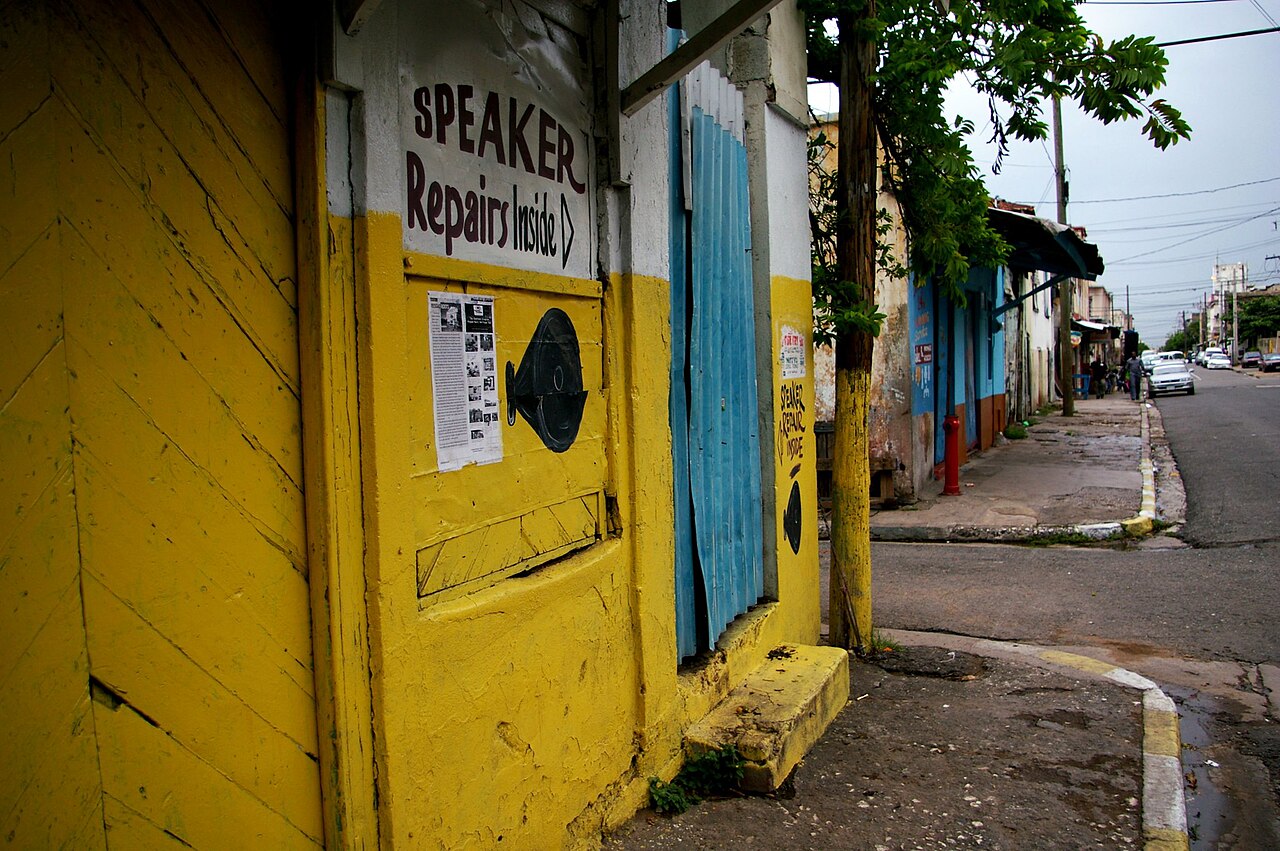
West Kingston streets smelled of diesel, salt air, and frying jerk pork in 1955. DJs moved massive, custom-built speaker stacks through narrow alleys to reach hungry crowds. These early selectors relied on American R&B imports to command attention. They hunted for rare 45s from Atlantic and King Records labels. A heavy shuffle from a Fats Domino record could stop traffic. This Jamaican sound system rivalry started with the pursuit of the perfect American groove.
Radio waves from New Orleans and Memphis traveled across the Caribbean with startling clarity. Local youths gripped transistor radios to catch every note of Louis Jordan or Ruth Brown. These sounds arrived on heavy wax pressed in the United and States. The rhythm felt familiar yet strangely distant. It provided the raw DNA for what would eventually become a local mutation.
Early sound systems operated like mobile pirate radio stations. They brought the high-fidelity experience to neighborhoods that lacked expensive home stereos. A single heavy bass drum beat could hit the soles of a person's feet. This physical connection to the music created a cult of personality around the selectors. If you had the best import, you owned the street for the night.
Operators used massive horn-loaded speakers to project sound over long distances. These stacks dominated the Kingston nightscape. They turned public squares into improvised dancefloors. The music was not just heard; it was physically imposed upon the listener.
West Kingston, 1950s: The Era of R&B Imports
American R&B provided the foundation for everything that followed. Labels like Atlantic and King Records shipped heavy crates of vinyl to Kingston docks. These records featured a driving, upbeat energy. The brass sections bit through the humid night air. This music possessed a swing that the local population embraced instantly.
Selectors played Fats Domino and Ray Charles with religious fervor. They sought out the most energetic tracks to keep the dancers moving. A single mistake in a set could ruin a night. The pressure to find the rarest, loudest import drove the entire culture. This scarcity created a desperate hunger for new sounds.
The sounds of the 1950s felt frantic. The tempo sat high and the horns played staccato notes. It was a period of intense, rhythmic excitement. No one called it reggae yet. They just called it good music. The connection to the United States provided a sense of global belonging to the Kingston working class.
Every dance became a battle of prestige. A sound system with the newest Atlantic import held immense social capital. This era established the importance of the physical record. The wax was the ammunition in a sonic war. Without these American imports, the Jamaican sound system rivalry would never have found its teeth.
The Clash of Titans: Coxsone Dodd vs. Duke Reid
Clement "Sir Coxsone" Dodd changed the culture in 1962. He founded Studio One in a small Kingston space. Dodd possessed a sharp ear for talent and a relentless work ethic. He transformed the sound system from a mobile disco into a recording powerhouse. His Studio One sessions produced the blueprints for Jamaican pop. He focused on capturing the energy of the street.
Duke Reid offered a different kind of power. Known as "The Trojan," Reid operated his Voice of the Prophets system from a physical shop. He invested heavily in high-quality Hi-Fi equipment. His sound leaned toward polished, brass-led arrangements. He wanted his music to sound expensive and authoritative. The rivalry between these two men defined a generation.
The clash between Dodd and Reid pushed Jamaican music forward. They competed to see who could produce the many danceable rhythms. This was not a polite disagreement. It was a physical confrontation of decibels. Engineers like Byron Smith worked under immense pressure to capture heavier bass frequencies. They needed to drown out the competing system across the street.
Leslie Kong emerged as a producer who could manage this tension. He brought a sense of melodic clarity to the chaos. While Dodd and Reid fought for dominance, Kong refined the production. The tension between the raw street energy of Dodd and the polished prestige of Reid created a productive friction. This friction generated the heat necessary to forge new genres.
The competition forced a focus on the physical sensation of sound. If your system did enough damage to shake the listener's chest, you won the dance. This requirement moved the focus away from melody and toward the low end. The battle was no longer about who had the best singer. It became about who had the heaviest speaker.
Slowing the Tempo: The Birth of Rocksteady
1966 brought a sudden shift in the Jamaican airwaves. The frantic, horn-heavy pace of Ska began to decelerate. A new, more relaxed rhythm emerged called Rocksteady. This transition allowed the music to breathe. It gave the dancers a new way to move. The energy moved from the feet to the hips.
Bassists like Jackie Jackson and Lloyd Parks found new opportunities in this slower tempo. In Ska, the bass often followed the frantic pace of the horns. In Rocksteady, the bass could occupy much more space in the mix. The notes became longer and more resonant. This shift changed the very structure of Jamaican songwriting.
The slower tempo allowed for more complex vocal harmonies. Groups could lean into the soulful influences of American Motown. The music became smoother and more melodic. The underlying pulse remained heavy. The heartbeat of the much slower music remained intact.
Rocksteady thrived in the Kingston heat. It matched the lethargic, humid nights of the mid-1960s. The emphasis moved to the interplay between the drum and the bass. This period stripped away the cluttered horn arrangements of the Ska era. It left a skeletal, rhythmic framework that was ripe for experimentation.
Producers realized that the space in the mix was an instrument itself. They began to treat silence as a rhythmic component. This era prepared the ground for the even heavier, more stripped-back sounds of Reggae. The reduction of musical clutter allowed the low end to become the protagonist.
Engineering the Low End: The Heavy Bass Arms Race
The physical competition of "clashing" between sound systems necessitated a technical revolution. Engineers had to prioritize the frequency range between 40Hz and 100Hz. This is the sub-bass territory. If you could not make the floor vibrate, you could not win the night. This focus on the low end changed the way records were mastered.
The Jamaican sound system rivalry turned engineers into sonic architects. They built massive, custom-tuned cabinets designed to move air. A successful system functioned like a physical force. It hit the chest like a heavy fist. This obsession with frequency response drove the evolution of Jamaican audio engineering.
The heavy bass characteristics of this era directly informed the development of modern Drum and Bass. The DNA of the UK underground resides in these Kingston speaker stacks. The goal was always maximum physical impact. Engineers experimented with different cone materials and enclosure designs to achieve this weight.
Clement Dodd’s 1964 recording of "Real Rock" stands as a monument to this era. Originally by Sound Dimension, this rhythm became a foundational element of Jamaican music. Producers would "version" this track for decades. Its heavy, driving bassline provided a template for every subsequent era. It proved that a great rhythm could sustain a culture.
The dancehall setting demanded this sonic extremity. The crowd's loyalty was won through the sensation of the bass. A sound system that could dominate the physical space controlled the social space. This era of engineering was not about subtle hi-fi. It was about controlled, rhythmic destruction.
King Tubby and the Invention of the Dub Version
Osbourne Ruddock, known as King Tubby, changed music history in 1970. He operated King Tubby's Studio with a technician's precision. Using an MCI mixing desk, he began to deconstruct existing tracks. He stripped away the vocals and the melodic elements. He left only the drum and the bass drum loops.
Credit: Wikimedia Commons
This technique created the "dub" or "version" style. It was a radical act of musical subtraction. Tubby treated the mixing desk as a performance instrument. He used the faders to drop instruments in and out of the mix. He used delay and reverb to create a sense of vast, empty space.
The results were psychedelic and hypnotic. The music felt like it was dissolving in real-time. This was not just a remix; it was a new composition. Tubby's ability to manipulate the sonic space changed the definition of a producer. He became a composer of shadows and echoes.
Dub allowed sound systems to extend their sets indefinitely. A single vocal track could become ten different rhythmic experiences. This versatility was essential for long, overnight dancehall sessions. It kept the crowd in a single, hypnotic state. The focus remained entirely on the rhythmic core.
King Tubby' even influenced the future of electronic music. He proved that the most powerful part of a song could be the parts you remove. This minimalist approach heavily influenced everything from hip-hop to techno. The Jamaican engineer had effectively invented the concept of the remix.
Lee Scratch Perry and the Black Ark Psychedelia
Lee "Scratch" Perry moved the boundaries of the studio into the realm of the supernatural. Working at his Black Ark studio in the mid-1970s, he created a dense, textured sound. He did not just record music; he conjured it. Perry used tape loops, heavy reverb, and strange organic sounds to build his worlds.
Credit: Wikimedia Commons
The Black Ark sound was thick and murky. It felt like it was recorded deep underground or inside a jungle. He utilized layers of percussion and strange, even distorted effects. His production style defined the roots reggae era. It was a sonic manifestation of Rastafarian spirituality and political unrest.
The textures Perry created were heavily layered. He used whatever was at hand to add grit to the tracks. This included the sounds of animals, fire, and heavy breathing. The music became an immersive, psychedelic experience. It was far removed from the polished R&B of the 1950s.
Perry's work at the Black Ark remains a high point of studio experimentation. He treated the studio as a laboratory for sonic alchemy. Every track felt like a ritual. The heavy, murky low end of his productions complemented the spiritual themes of the lyrics. He made the bass feel like a physical presence in the room.
The era of roots reggae was defined by this sense of weight and atmosphere. The music carried the tension of the political climate in Jamaica. Perry's ability to capture that tension through texture was unparalleled. He turned the recording studio into a tool for cultural expression.
From Kingston Dancehalls to Modern Drum and Bass
The legacy of the Jamaican sound system rivalry lives on in every heavy bassline today. You can hear the echoes of Kingston in a London jungle club or a Berlin techno warehouse. The fundamental desire for physical, rhythmic impact remains unchanged. The technology has evolved, but the goal is identical.
Modern Drum and Bass owes its entire existence to the engineers of the 1960s and 70s. The focus on the 40Hz to 100Hz range is a direct inheritance. The concept of the "breakbeat" and the "version" flows directly from the Dub era. The Jamaican obsession with the low end created a global language of rhythm.
The dancehall culture of Kingston established the blueprint for modern clubbing. The idea of the DJ as a selector, a manipulator of energy, and a curator of rare sounds remains the industry standard. The physical sensation of the music remains the primary metric of success. We still measure a good set by how much it moves the crowd.
The evolution from R&B imports to Dub-heavy reggae is a story of adaptation. It is a story of how a local culture took a global sound and bent it to its own needs. They took the swing of America and added the weight of Jamaica. They took the melody of the West and added the echo of the studio.
Kingston's street wars were never just about music. They were about identity and presence. The sound systems used sound to claim territory in an urban environment. That same impulse drives the electronic music scenes of the twenty-first century. The bass still hits, and the war for the dancefloor continues.