How the CIA's LSD Experiments Birthed Acid Music
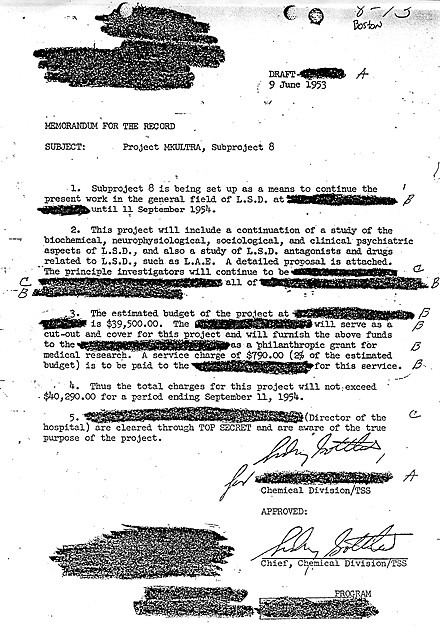
Menlo Park, California, smelled of sterile chemicals and damp earth in 1964. Ken Kesey sat inside a government-funded laboratory, surrounded by the quiet hum of scientific machinery. This was not a place for rock and roll, yet the chemical seeds of a musical revolution sprouted here. Kesey worked alongside researchers during the early years of the MKUltra era, a period defined by clandestine intelligence operations. He found himself with direct access to LSD-2ram, the potent lysergic acid diethylamide that would soon shatter the boundaries of Western culture.
Sandoz Laboratories in Switzerland produced the substance. This pharmaceutical giant synthesized the compound with a precision that the later, illicit street versions lacked. At this stage, the drug existed in a legal gray area, far from the criminalized substance that the 1966 crackdown would create. Kesey did not see a tool for mind control. He saw a way to expand the edges of human perception and, eventually, the edges of a Fender Twin Reverb amplifier.
Scientific experimentation provided the raw materials for an aesthetic explosion. The CIA sought to map the human psyche through chemical intervention. Kesey redirected that chemical energy toward communal experience. He took the precision of the lab and threw it into the chaos of the California sun. This transition from the sterile laboratory to the open road changed the trajectory of American music forever.
The CIA's LSD Experiments and the Acid Test
Ken Kesey moved from the laboratory to the streets with a specific intent. He wanted to test the limits of the communal ego. The chemical supply from his time in Menlo Park provided the necessary fuel for what would become the most famous social experiments of the decade. He did not just want to trip; he much preferred to create a shared, sensory overload that obliterated the distinction between performer and audience.
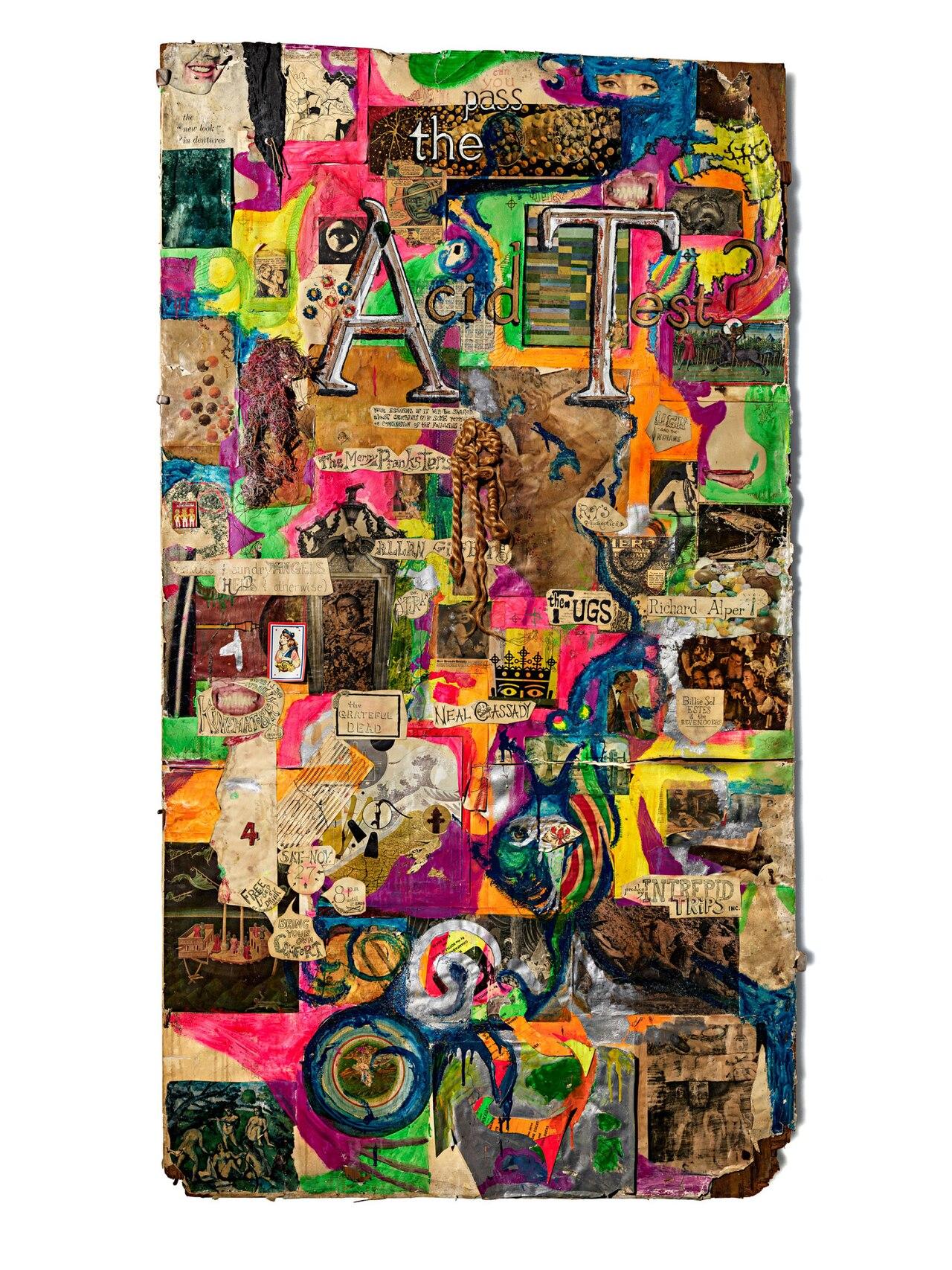
The 1964 summer brought a shift in his focus. He began organizing groups of artists, writers, and musicians to participate in massive, unscripted events. These gatherings required more than just a drug; they required a soundtrack that could match the shifting geometry of a hallucination. The chemical structure of LSD-25 offered a non-linear experience. The music had to follow suit.
Researchers in the MKUltra program studied the effects of LSD on behavior and cognition. They looked for ways to break down resistance and reshape identity. Kesey used the same chemical breaks to build something new. He took the fragmentation of the psychedelic experience and turned it and into a cohesive, albeit chaotic, cultural movement. The laboratory provided the spark, but the Bay Area provided the oxygen.
The connection to the CIA remains a dark, heavy shadow over this era. While the government investigated the potential for interrogation and control, a group of artists investigated the potential for liberation. They used the same molecules to explore the opposite extreme. This tension between state-sponsored manipulation and personal liberation gave the early Acid Tests a frantic, urgent energy that no other movement could replicate.
The Merry Pranksters and the Bus "Furthur"
A brightly painted school bus named "Furthur" roared across the American highway in 1964. This vehicle served as a rolling laboratory for the Merry Pranksters. Ken Kesey, Neal Cassady, and a rotating cast of artists turned the bus into a mobile psychedelic headquarters. They carried much more than just paint and supplies. They carried the heavy influence of the 1950s Beat Generation into the 1960s psychedelic era.
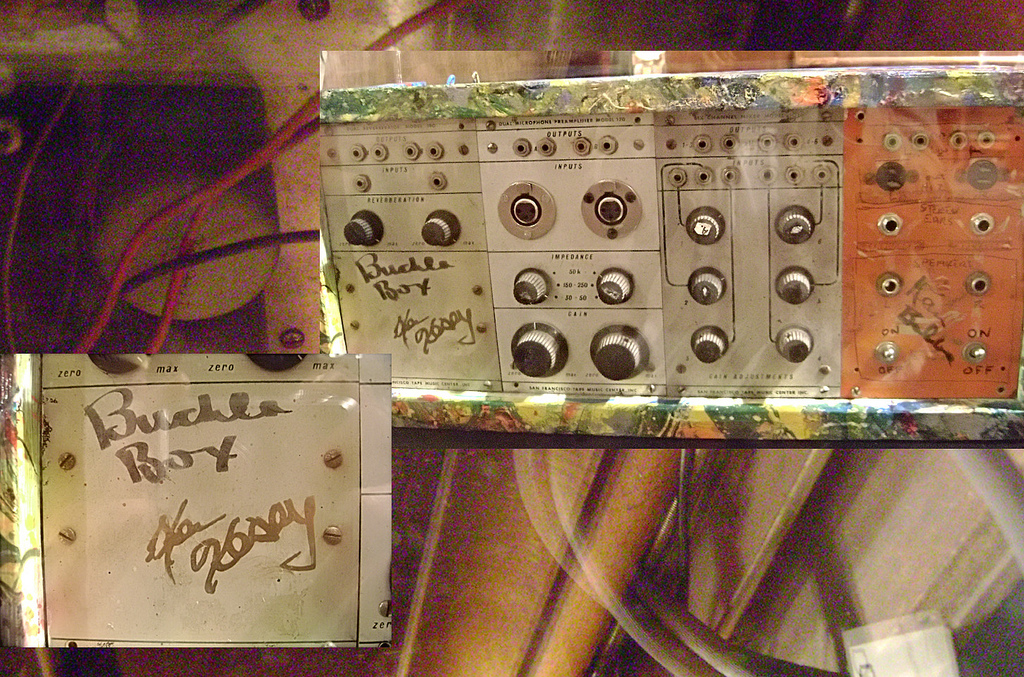
Neal Cassady acted as the vital bridge for this transition. As the legendary driver for the Beats, Cassady brought an improvisational, high-velocity energy to the Pranksters. He had lived the era of Kerouac and Ginsberg. Now, he was helping to birth the era of LSD. His presence ensured that the movement remained grounded in the gritty, spontaneous tradition of jazz and prose, even as the visuals turned toward the cosmic.
The Pranksters did not follow a set itinerary. They drove through the American heartland, crashing into small towns and leaving a trail of colorful, drug-fueled disruption. They used the bus to spread the concept of the "Acid Test" to new territories. Every stop offered an opportunity to experiment with light, sound, and communal interaction. The bus was not just transport; it was a vessel for a new way of living.
The aesthetic of the group was intentionally messy. They embraced the grit of the road and the unpredictability of the highway. This lack of structure became the blueprint for the psychedelic era. They rejected the polished, commercialized pop of the early 1960s in favor of something raw and unmediated. The "Furthur" trip proved that a musical and social movement could be decentralized and driven by pure, unadulterated impulse.
Chaos in the Bay Area Acid Tests
The Acid Tests began in 1965, primarily centered around the San Francisco Bay Area. These events often took 1965's most experimental minds into Kesey's home or various rented venues that could accommodate large, swirling crowds. The air in these rooms felt thick with much more than just sweat. It was heavy with the scent of ozone, colored dyes, and the electric hum of high-voltage equipment.
The sensory experience relied on a specific, overwhelming toolkit. Organizers used strobe lights to fracture the visual field into rhythmic, staccato bursts. Overhead projectors sat in the corners, dripping with colored dyes to create liquid, moving landscapes on the walls. These primitive light shows mirrored the fluid, melting reality of the LSD experience. There was no way to look away from the chaos.
The scale of the liquid LSD consumption was massive. These were not small, polite gatherings. They were large-scale, sensory assaults designed to break down the individual's sense of heavy ego. The crowd moved as a single, undulating organism. The boundaries between the person standing next to you and the person dancing in front of you began to dissolve under the influence of the chemical and the light.
The sound of these tests was defined by volume and distortion. Musicians used high-volume electric guitars that buzzed like a hornet trapped in a tin can. The audio was not meant to be pleasant in a traditional sense. It was meant to be felt. The bass frequencies hit the chest like a physical weight, anchoring the swirling visuals to a rhythmic, primal pulse.
"We were trying to create a continuous musical experience that mirrored the fluid, non-linear nature of an LSD trip."
Jerry Garcia, long before he became a global icon, viewed these performances through this specific lens. He did not see the music as a series of songs. He saw it as a sonic environment. The goal was to prevent the "drop" in energy that occurs between tracks. The music had to flow like the liquid in the projectors, never breaking the trance of the participants.
The Grateful Dead: Scoring the Trip
The Grateful Dead served as the essential house band for the Acid Tests. The lineup featured the foundational chemistry of Jerry Garcia, Phil Lesh, Bob Weir, Pigpen, and Bill Kreutzman. They provided the improvisational backbone that allowed the chaos to remain somewhat coherent. Without their rhythmic stability, the Acid Tests might have dissolved into mere noise. Instead, they provided a musical framework that could expand and contract with the drugs.
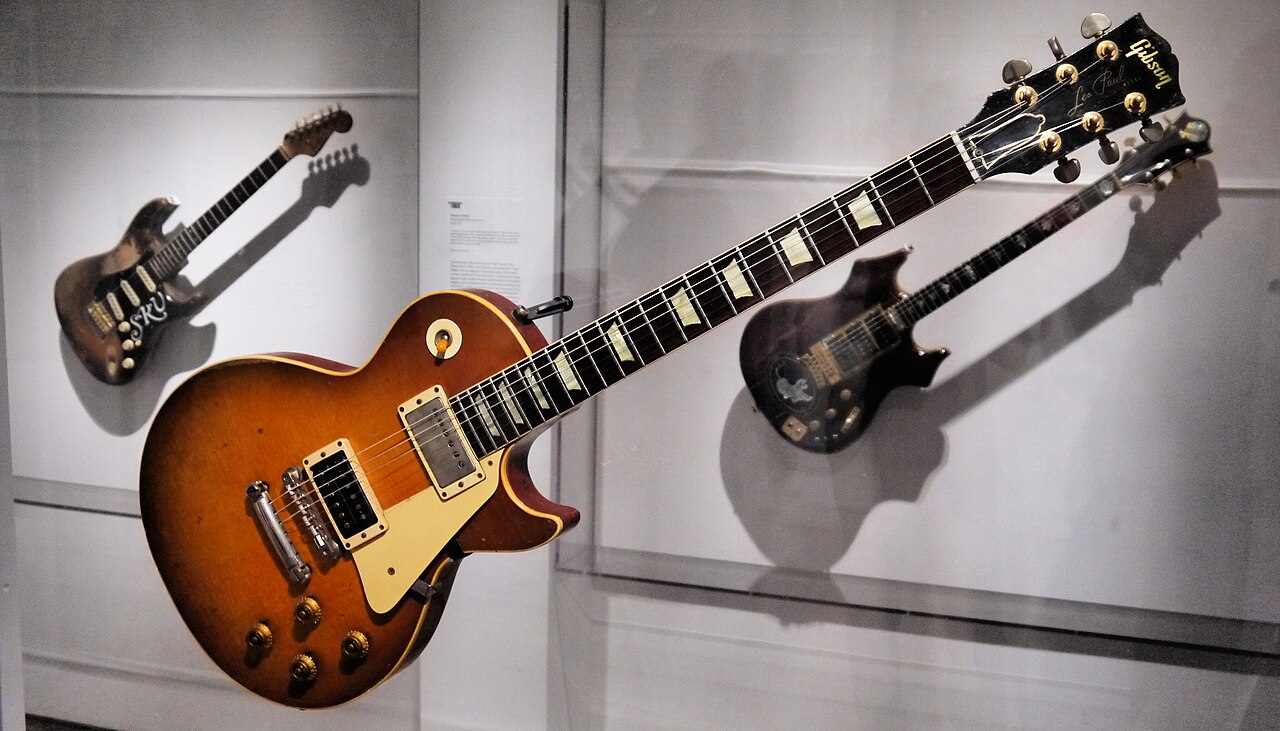
The early sound of the band drew heavily from the blues and folk traditions. They did not start with psychedelic jams. They started with a gritty, electric blues that could withstand the scrutiny of a room full of people on heavy doses of LSD. Phil Lesh brought a complex, avant-garde approach to the bass, which prevented the band from falling into simple, repetitive patterns. This allowed the music to wander without getting lost.
The 1968 debut album, The Grateful Dead, released on Buddah Records, captured this raw energy. It was not a polished studio product. It sounded like a band playing in a room, caught in a moment of spontaneous creation. The tracks featured the blues-infused, psychedelic grit that had been forged in the Bay Area venues. You can hear the sweat and the distortion on every track, a direct descendant of the Acid Test era.
Pigpen, the band's original frontman, provided the soulful, bluesy grit that anchored the group. His vocals and organ playing grounded the more experimental tendencies of Garcia and Lesh. This tension between the blues and the avant-garde is what made the early Dead so potent. They could play a standard twelve-bar blues and then suddenly veer into a cosmic, feedback-drenched exploration of sound.
The band's approach to improvisation was a direct response to the psychedelic experience. They practiced a form of musical telepathy. Each member watched the others for cues, responding to subtle shifts in volume or tempo. This mimicked the way an LSD trip shifts from one sensation to another without warning. The music was a living, breathing entity that responded to the energy of the crowd.
The Visual Chaos of the Prankster Aesthetic
The visual language of the 1960s did not emerge from a vacuum. It was a direct outgrowth of the Prankster aesthetic. The swirling, psychedelic posters that defined the era were heavily influenced by the chaotic, multi-media projections seen at the Acid Tests. Artists like Wes Wilson and Rick Griffin took the fluid, melting shapes of the light shows and translated them into graphic design.
Wes Wilson's posters utilized typography that seemed to melt off the page. The letters themselves became part of the psychedelic landscape, difficult to read but impossible to ignore. This echoed the way LSD distorts text and symbols. The design was not about clarity; it was about mood. It was about capturing the feeling of a world in flux, where nothing was solid and everything was moving.
Rick Griffin brought a more detailed, almost illustrative style to the movement. His work often incorporated surreal imagery and intricate line work that demanded close inspection. This reflected the hyper-focused, detail-oriented hallucinations that some users experienced. The posters functioned as a calling card for the psychedelic movement, signaling to those in the know that a new, sensory-driven reality was unfolding.
The use of color in this movement was aggressive and saturated. There was no room for pastels or subtle gradients. The colors had to pop, even under the dim, flickering lights of a club or the harsh glare of a street lamp. This high-contrast, high-saturation approach became the hallmark of the San Francisco psychedelic scene. It was a visual manifestation of the chemical intensity of the era.
The Pranksters' influence extended beyond paper and ink. They influenced the way entire subcultures presented themselves. The clothing, the hair, and the very way people occupied space in a room were all part of this visual revolution. It was a rejection of the clean-cut, mid-century aesthetic in favor of something much more organic, messy, and visually stimulating. The visual chaos was the point.
The End of the LSD Era and the Legacy of Sound
The legal status of LSD-25 changed abruptly in 1966. A massive crackdown on psychedelic substances swept through the United States, effectively criminalizing the very foundation of the Acid Test movement. The era of easy, widespread experimentation came to a sudden, jarring end. The chemical supply that had fueled the Grateful Dead and the Pranksters was suddenly cut off, replaced by much more dangerous, unpredictable street variants.
This shift changed the music as much as the culture. The raw, experimental energy of the mid-60s began to harden into something more structured and, eventually, more commercial. The Grateful Dead survived, but they had to adapt to a world where the communal, drug-fueled frenzy was no longer legally or socially permissible. They transitioned from the chaos of the Acid Tests to the more polished, stadium-filling icons of the 1970s.
The legacy of the LSD experiments remains embedded in the DNA of rock music. Every time a guitarist uses heavy distortion to create a sense of atmosphere, or a band engages in an extended, improvisational jam, they are echoing the lessons of the Acid Tests. The idea that music can be a transformative, sensory experience rather than just entertainment was a lesson learned in the laboratories of Menlo Park and the streets of San Francisco.
The influence of the Pranksters can still be seen in the visual arts and the way we consume multimedia today. The concept of the "total experience" - where sound, light, and environment merge - is a direct descendant of Kesey's vision. While the chemical era has passed, the structural changes it made to the way we perceive art and community remain. The explosion was brief, but the debris settled into the very foundations of modern culture.
The CIA's attempts to manipulate the mind ultimately provided the tools for a different kind of manipulation: the manipulation of the senses through art. They intended to create a way to break people down, but instead, they helped build a way to expand them. The echoes of those early, distorted guitar notes still vibrate through the history of rock and roll.