How UK Garage Moved North to Liverpool
London Records dropped DJ EZ: The Mix Collection in 1999, and that plastic jewel case felt like a heavy, authoritative weight in the hands of every kid in the UK. DJ EZ spun tracks that defined the London-centric sound of the era, a glossy, high-energy blend of speed garage and soulful house. This compilation acted as a central textbook for the London underground. It presented a polished version of the scene that felt untouchable to anyone living outside the M25. The basslines hit with a clean, compressed punch that signaled the peak of the capital's dominance.
Manchester and London often hogged the spotlight in dance music history. A different energy began bubbling up in the North West during the late nineties. The UK Garage Liverpool scene did not just mimic the London model. Producers in the North West took the blueprints and stripped them down. They looked at the glossy surface of the London scene and saw something they could rebuild with more grit. They wanted something that could rattle the windows of a terraced house in Anfield or a basement in the Baltic Triangle.
London tracks featured lush vocal harmonies and a sense of expensive production. This era mirrored the high-end clubs of Mayfair with its "champagne" lifestyle. The music felt built for luxury. However, the North had a different relationship with club culture. The music needed to survive much harsher environments.
The London Blueprint and DJ EZ
DJ EZ controlled the airwaves and the dancefloors with a technical precision that few could match. His sets on The Mix Collection blended house, jungle, and garage with seamless transitions. This record provided the primary reference point for the London-centric UKG sound. It established a standard of excellence that every aspiring DJ in the country felt pressured to meet. The percussion stayed crisp, the transitions remained surgical, and the energy stayed relentless.
London producers focused heavily on the swing of the shuffle. They utilized expensive studio time to ensure every hi-hat shimmered. This era felt like a polished product ready for the charts. You could hear it in the way the vocals sat perfectly atop the rhythm. The tracks felt like they belonged in a high-end lounge as much as a sweaty warehouse.
London's talent operated within a tight-knit ecosystem of studios and pirate radio stations. This created a closed loop. If you lived outside the South, you essentially observed a finished product from a distance. The music reached the North, but the culture felt geographically locked. This distance created a vacuum that Northern producers eventually rushed to fill.
London's dominance relied on access to the infrastructure of the music industry. The labels, the press, and the major radio pluggers all sat within a few miles of each other. This concentration of power made the London sound feel like the only sound that mattered. The North heard the signal, but they began to develop their own frequency.
The 2-Step Revolution and MJ Cole
MJ Cole changed the rhythm of the dancefloor in 1998. His track "Sincere" introduced a specific 2-step pattern that broke the traditional 4x4 house loop. This new rhythm felt more broken, more syncopated, and much more agile. It allowed for a different kind of movement in the club. The heavy, driving kick on every beat disappeared, replaced by a skipping, skeletal swing. This shift provided the foundation for the next evolution of the genre.

The 2-step rhythm offered a new playground for producers. It removed the predictable pulse of house music. Instead, it created tension and release within the drum pattern itself. This was a fundamental restructuring of how dance music breathed. The gaps between the beats allowed for more intricate percussion and more space for vocals to dance around the rhythm.
The 2-step rhythm was like a new language for the dancefloor; it allowed the music to even breathe and gave the MCs a different pocket to play in.
London MCs like Kano and Sway adapted their flows to this new, broken rhythm. They moved away from the rapid-fire delivery of jungle and toward something more rhythmic and lyrical. Their bars landed in the pockets created by the 2-step swing. This transition marked the beginning of the grime era. The music became more lyrical, even as the production became more complex. The DNA of the London underground shifted toward something more aggressive.
Liverpool leaned into the rhythm while London moved toward lyricism. Northern producers took the 2-step pattern and stripped the soul out of it. They focused on the mechanics of the swing.
They wanted the rhythm to feel heavy and physical. This was not about lush melodies or expensive vocal samples. They wanted a drum pattern that could command a room. The North took MJ Cole's innovation and applied a much harder edge to it.
Liverpool's Industrial Sound and the Baltic Triangle
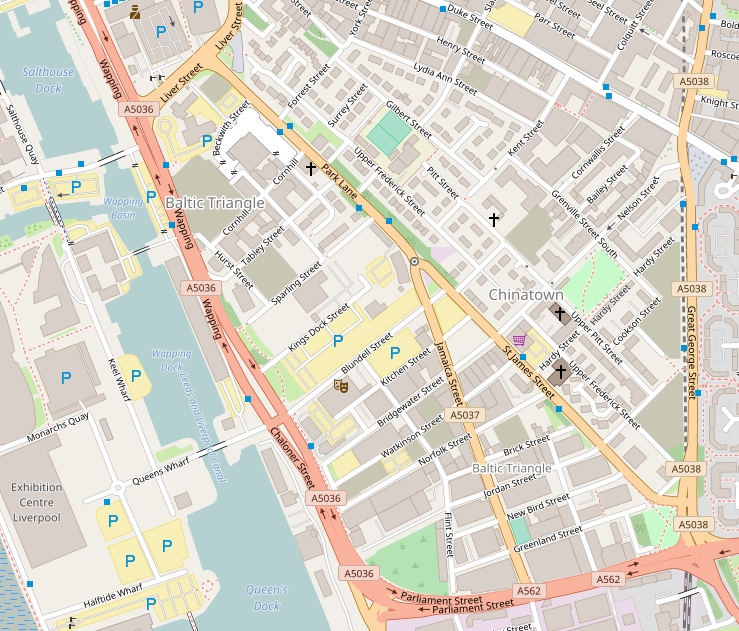
The Echo Ballroom in Liverpool provided the physical stage for this sonic shift. This venue, along and various basement clubs in the Baltic Triangle, offered the perfect industrial backdrop. These spaces lacked polish or comfort. They were loud, damp, and intense. The concrete walls and low ceilings of the Baltic Triangle clubs reflected the music being played. The sound did not just play; it echoed and battered the listener.
Production in the North West relied on specific hardware to achieve a certain weight. Producers used the Korg M1 synthesizer to create sharp, percussive stabs. They utilized the Akai MPC2000XL to program drum patterns that replicated the swing found in London's "Sunday Scene" records.
However, they programmed them differently. They emphasized the low-end frequencies. They wanted a bassline that hit like a heavy weight dropping onto a concrete floor. The result felt much more grounded and punishing than the London equivalent.
The transition from speed garage to 2-splat and xy4x garage happened in these very basements. The music evolved through a process of physical testing. If a track could not move a crowd in a dark, industrial Liverpool club, the producer discarded it.
This created a natural filter for quality. Only the most rhythmically potent tracks survived. The "2-splat" sound emerged as a more fragmented, aggressive version of 2-step. It was music designed for the grit of the North.
Liverpool's local garage scene intersected heavily with the city's existing drum and bass culture. The same sound systems that powered labels like Moving Shadow were being repurposed for garage. The distribution networks were the same.
The underground tape culture was identical. This crossover provided a massive advantage. The infrastructure for heavy, bass-driven music was already in place. The North simply re-tuned the machines.
The Shift from Champagne to Dark Garage
Craig David released "Rewind" on Wild Bunch/Relentless Records in 1998. This track established the commercial blueprint for the entire genre. It was smooth, melodic, and catchy. It brought the garage sound to the mainstream charts. For a moment, the genre belonged in the bright lights of daytime television. This was the "champagne" era, characterized by expensive clothes, designer labels, and a sense of upward mobility.
The decline of this polished era coincided with the rise of a much darker aesthetic. As the London scene became more commercial, the underground began to splinter. A more rugged, bass-heavy "dark garage" sound began to emerge. This sound found a second home in the gritty, industrial club spaces of Liverpool. The flashy elements of the London scene felt out an place in the North West. The Liverpool crowd wanted something that matched the texture of their own streets.
London producer El-B provided the initial sonic template for this darker direction. His work during the So Futura era in London introduced a stripped-down, menacing atmosphere. He focused on minor keys and unsettling, hollow percussion.
Northern producers took this template and re-engineered it. They made it even more minimal. They stripped away the remaining traces of soul and replaced them with a heavy, percussable aggression. The music became a tool for the dancefloor, not a soundtrack for the lounge.
This transition reacted to the commercialization of the genre. As the London scene moved toward the pop charts, the underground moved toward the shadows. The "dark garage" sound rejected the glossy, superficial elements of the champagne era. It returned to the roots of sound system culture. In Liverpool, this meant a focus on the physical sensation of the bass and the rhythmic complexity of the drums. The music became harder, colder, and much more effective in a club setting.
Pirate Radio and the North West Underground
Fever FM broadcasted directly to the suburbs of Liverpool and Manchester, bypassing the mainstream dominance of BBC Radio 1. These pirate radio stations acted as the lifeblood of the North West underground. They provided a direct line from the producer to the listener. You did not need a major label to hear your track. You only needed a transmitter and a connection to the local club scene. This bypassed the gatekeepers in London entirely.
The rise of these stations documented the transition of the UKG sound in real-time. Listeners heard the evolution from 4x4 to 2-step to dark garage as it happened. The pirates played the tracks that the mainstream wouldn't touch. They played the raw, unpolished demos straight from the MPC2000XL. This created a sense of immediacy and urgency. If a DJ played a new track on Fever FM at 2 AM, you could find it in the local record shop by noon the next day.
The North West underground functioned as a closed ecosystem. The DJs, the MCs, and the radio presenters all inhabited the same small circle. This created a sense of community that was much more intense than the fragmented London scene. There was a shared goal: to develop a sound that belonged to the North. This shared identity drove the innovation. The pirate stations acted as the primary promotional vehicle for this regional pride.
The influence of the London scene remained, but DJs filtered it through a Northern lens. They would play the new London imports, but they would follow them with local white labels. This created a tension between the established London sound and the emerging Liverpool sound. It was a musical dialogue between the two regions. The pirate radio stations served as the medium for this conversation, ensuring that the North was never just a passive listener.
The Legacy of the Northern Garage Sound
The legacy of the UK Garage Liverpool movement lives on in the DNA of modern bass music. The emphasis on heavy, minimal production and the use of industrial spaces can be seen in the evolution of grime and dubstep. The North West proved that you could take a genre and fundamentally alter its character by changing its environment. They took a polished, London-centric product and gave it a much harder, more durable edge.
The technical innovations of the era remain vital. The way producers used the Korg M1 and the Akai MPC2000XL to manipulate swing and percussion set a standard for rhythmic complexity. These production techniques influenced an entire generation of electronic musicians. The idea that a producer could create a whole world of sound using just a few pieces of hardware became a cornerstone of the underground. The North West took the tools and used them to build something entirely different.
The culture of the North West club scene also endured. The transition from the Echo Ballroom to the modern clubs of the Baltic Triangle shows a continuity of spirit. The grit and the intensity of the original garage era remain embedded in the city's nightlife. The music always reflected the place. As long as there are industrial spaces and a need for heavy bass, the spirit of that era will persist.
The movement was never about imitation. It was about adaptation. The North did not want to be London; it wanted to be itself. By taking the broken rhythms of the South and injecting them with the industrial weight of the North, a new sonic identity emerged. That identity was more than just a subgenre. It was a declaration of independence for the North West electronic music scene.