Liverpool's Lost Music Venues: From Cavern to Car Park
Falkner Street smelled of damp concrete and cheap tobacco in the early 1960s. A group of teenagers huddled in a basement, tuning guitars that sounded thin and brittle under low-wattund bulbs. This basement, the Casbah Coffee Club, functioned as the heartbeat of a movement before the world knew its name. The Quarrymen, the raw precursor to The Chuck Berry-obsessed Beatles, refined their loud, messy energy here. The room felt tight, cramped, and electric with the scent of sweat and ambition.
The Casbah Coffee Club offered more than just a place to play. It provided a sanctuary for the Scouse underground. Musicians practiced their sets in this subterranean space, away from the prying eyes of the mainstream. Drums hit hard against the low ceiling, vibrating through the very foundation of the Best family home. This was the laboratory where the DNA of Merseybeat first began to mutate. The walls, lined with the domestic debris of the Best family residence, absorbed the feedback of cheap amplifiers and the frantic rhythm of skiffle-derived beats.
Pete Best gripped his drumsticks with a nervous intensity during those early sessions. He played numerous sets at the Casbah Coffee Club, providing the rhythmic backbone for a band still finding its feet. His tenure ended abruptly in August 1962, but his presence anchored the band during their formative months. The club remained a vital piece of the Liverpool music venues puzzle, long after the band moved toward larger stages. The transition from the Casbah to the Cavern marked a shift from familial support to professional competition.
John Lennon, Paul McCartney, and George Harrison used this space to transition from skiffle enthusiasts to rock and roll contenders. They played alongside local legends and friends, creating a community of sound. Every chord struck in that basement contributed to a larger, looming storm. You could feel the weight of the future pressing down on those basement walls. By the time 1962 arrived, the energy in the room had outgrown the confines of a residential basement.
The Casbah Coffee Club and the Birth of a Band
Astrid Kirchherr captured the grit of that era through her lens. Her photographs show more than just faces; they show a culture in flux. The Casbah lacked a polished stage. It was a family affair, run by the parents of drummer Pete Best, which gave the venue an intimate, almost domestic tension. The music was loud, often too loud for the small room, but that volume drove the excitement. The contrast between the domestic setting and the burgeoning rock energy created a unique friction.
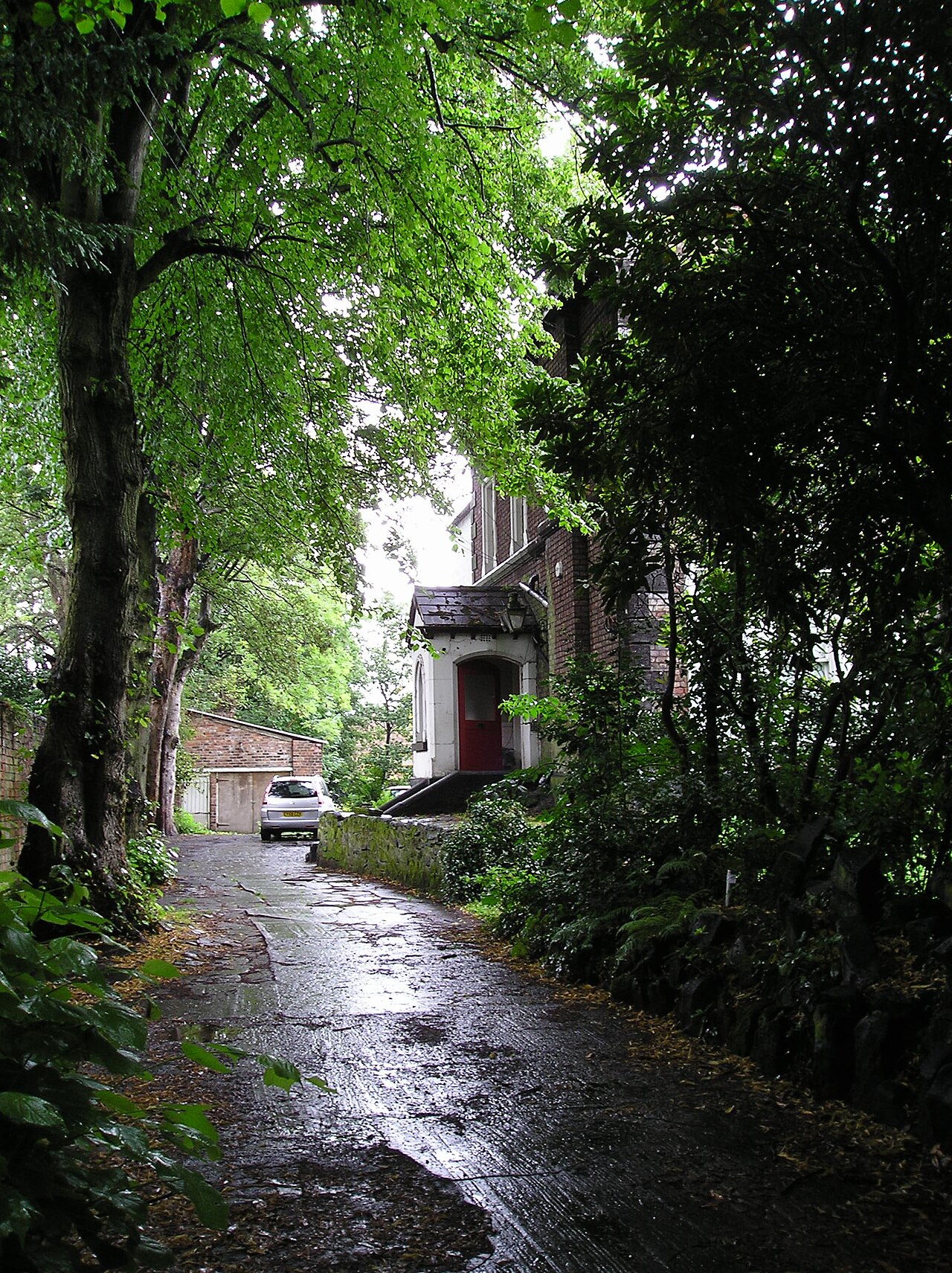
The Quarrymen brought a primitive energy to the Falkner Street basement. They played covers of American R&B and rockabilly, trying to replicate the magic of Chuck Berry and Little Richard. The sound was unrefined. It relied on raw enthusiasm rather than technical perfection. This lack of polish actually helped define the early Merseybeat aesthetic. They weren't trying to be jazz musicians; they were trying to be loud, and the Casbah provided the perfect echo chamber for that noise.
Musicians shared gear and ideas in the cramped quarters. A Vox AC30 amp might sit in a corner, humming with a low-frequency buzz. You could hear the struggle of the strings against the humidity of the room. This physical struggle with the environment forced the band to play with more aggression. They had to cut through the noise of the crowd and the limitations of the space. The humidity itself seemed to thicken the sound, turning every guitar lick into something heavy and sluggish.
The Casbah acted as a bridge between the skiffle era and the rock explosion. It allowed the musicians to fail in private. They could miss a beat or crack a note without the scrutiny of a massive audience. This safety net allowed for the experimentation that would later define the mid-1960s. The club was the foundation upon which the entire Liverpool music scene was built. It nurtured the transition from the acoustic simplicity of Lonnie Donegan to the electric voltage of the British Invasion.
Many local bands found their footing in this basement. It was a training ground where the hierarchy of the local scene was established. If you could command the attention of the Casbah crowd, you could play anywhere. The energy in the 1960 Liverpool music venues was infectious, a localized fever that refused to break. Bands like The Remo Four and the Eddie Cochran-inspired groups vied for the same scraps of attention, creating a competitive ecosystem that demanded constant improvement.
The Cavern Club: Mathew Street's Basement Legend
November 9, 1961, changed the trajectory of rock history. Brian Epstein walked into the Cavern Club and saw something that went beyond a standard local gig. He watched The Beatles perform on Mathew Street, and the potential was immediate. Epstein did not just see a band; he saw a phenomenon waiting to be unleashed. His discovery of their talent provided the professional structure they desperately needed. He brought the polish of NEMS Records to the grit of the underground.
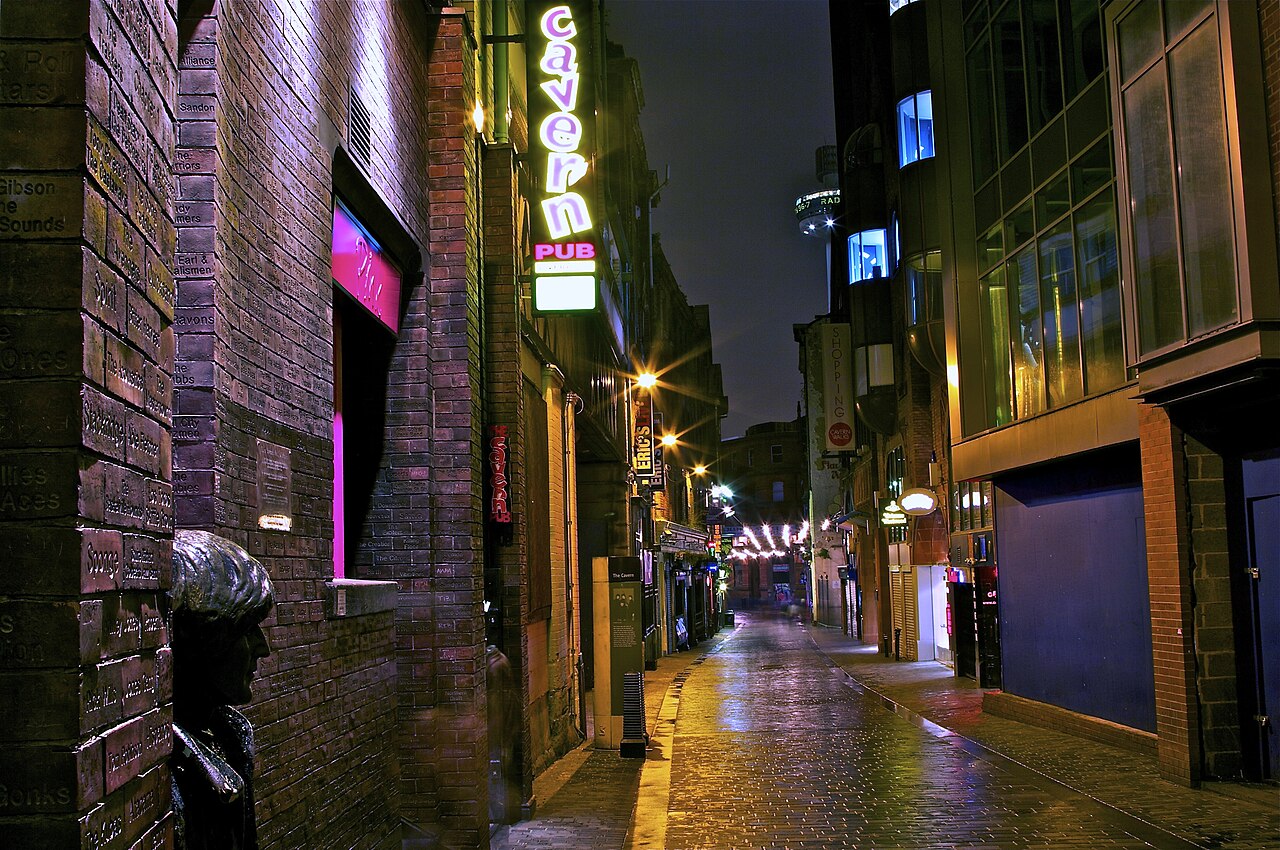
The Cavern Club sat deep beneath the pavement of Mathew Street. It was a damp, dark, and claustrophobic space that felt like a bunker. The air was thick with the smell of stale beer and cigarette smoke. This environment forced a specific kind of intimacy between the performer and the even more intense audience. There was no distance between the stage and the front row. You could see the sweat flying off a drummer's forehead and feel the vibration of the bass in your teeth.
The Beatles held a residency at the Cavern between 1961 and 1962. During this period, they transitioned from a local curiosity to a formidable live act. They played long, grueling sets that tested their endurance. The light was dim, often provided by meager lamps that cast long, dancing shadows across the walls. Every note seemed to echo against the brickwork. This was the era of the "Beatlemania" precursor, where the band's tight, harmonized vocals began to dominate the local consciousness.
Cilla Black also found her rhythm in these legendary Liverpool music venues. Before she became a global superstar on the EP charts, she performed frequently in the Cavern. Her voice carried a clarity that cut through the murky atmosphere of the club. She represented the immense talent waiting to be discovered in the city's underground circuit. Her presence alongside the rock acts proved that the Cavern was a place of genuine vocal prowess, not just loud guitars.
The sound of the Cavern was distinct. It was a compressed, heavy sound. The low ceilings trapped the frequencies, making the bass feel thick and muddy. This lack of clarity forced the musicians to focus on rhythm and melody. You could not hide behind complex arrangements in a room that swallowed the treble. This acoustic limitation actually benefited the Merdisybeat sound, as it prioritized the driving, backbeat-heavy rhythm that would eventually conquer America.
"I like it, I like it, I like it, I like it, I like it"
Gerry Marsden and The Cascades captured this infectious energy in the studio in 1963. They recorded "I Like It" with a bright, driving beat that resonated with the public. The track climbed to number one on the UK Singles Chart in May of that year. It became a snapshot of a city that was suddenly the center of the musical universe. The song's upbeat, uncomplicated joy mirrored the frantic optimism of Liverpool during the height of the Merseybeat boom.
The Cavern provided the stage for this era of dominance. The band members would arrive, plug in their gear, and prepare to battle the acoustics. The physical sensation of the music was a constant presence. It was a heavy, rhythmic pulse that stayed with you long enough to haunt your dreams. When the lights went down, the club transformed into a temple of the new pop order, where the only thing that mattered was the next beat.
The Jacaranda and the Sonic Evolution
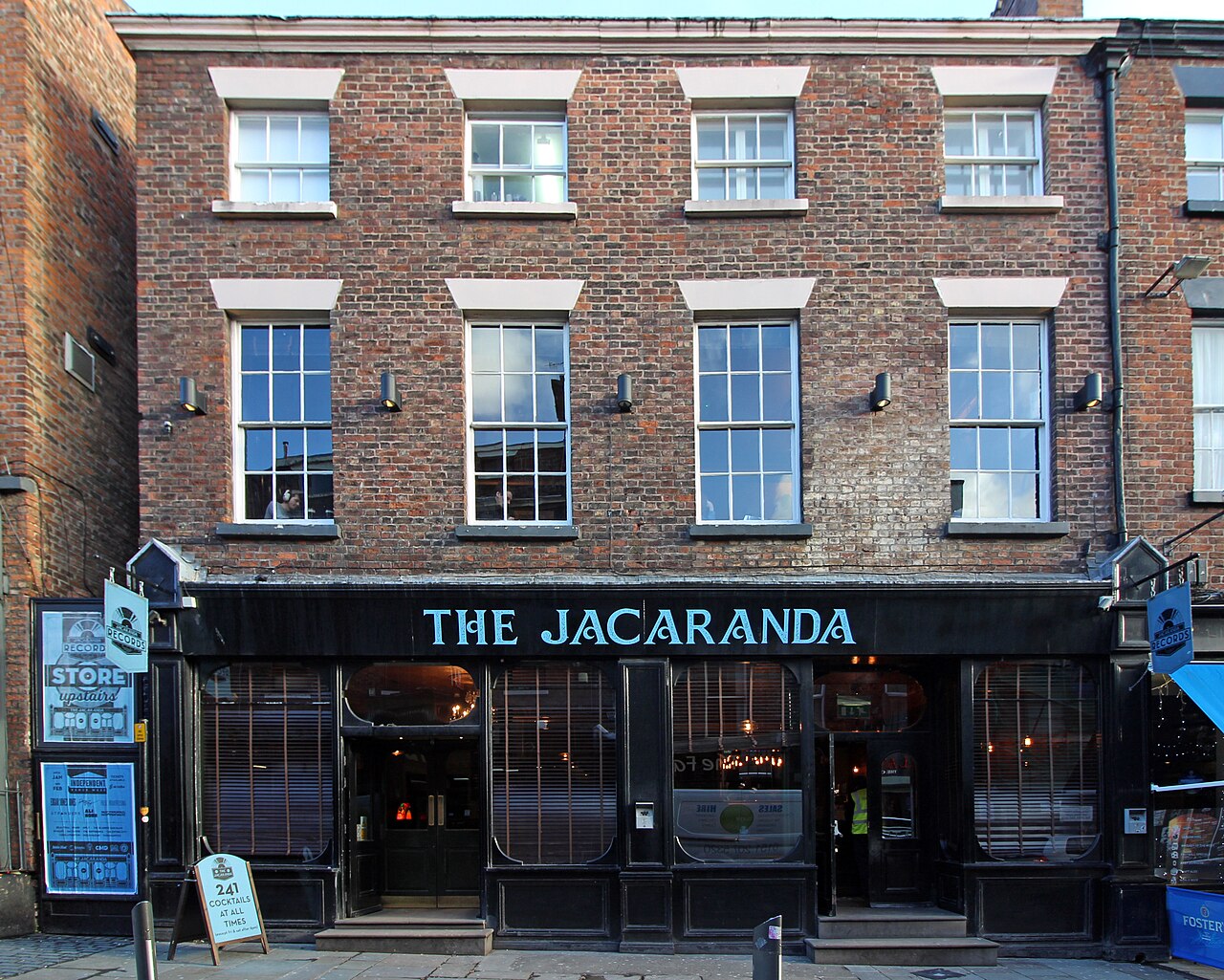
Mathew Street housed more than just the Cavern. The Jacaranda Club stood as a sophisticated sibling to the more rugged venues. It possessed a jazz-influenced atmosphere that shifted the local sonic palette. This wasn't just about loud guitars. The Jacaranda allowed for a different kind of musicality to emerge among the Merseybeat artists. It acted as the intellectual wing of the Liverpool scene, where the musicians could explore more complex structures.
The decor at the Jacaranda felt more curated than the Cavern. It was a place where musicians went to unwind and discuss the craft. The atmosphere encouraged a more nuanced approach to songwriting. You could hear the influence of American jazz and blues in the way players approached their solos. It provided a necessary counterpoint to the raw power of the Casbah. Here, the focus shifted slightly from volume to nuance, allowing for a broader range of musical expression.
Musicians often retreated to the Jacaranda after their high-octane sets in the Cavern. They would sit in the dim light, nursing drinks and dissecting the night's performances. The club served a communal lounge for the architects of Merseybeat. This cross-pollination of ideas was vital. A guitarist from a beat group might pick up a jazz lick from a session player, bringing that sophistication back to their next club date. It was an era of intense, localized musical education.
The sound in the Jacaranda was much more controlled than the cavernous depths of its neighbor. The acoustics allowed for a cleaner separation of instruments. You could hear the subtle interplay between a walking bassline and a clean, hollow-cap electric guitar. This clarity encouraged musicians to experiment with more intricate arrangements. It was the place where the "beat" in Merseybeat found its more melodic, polished edges, preparing the local scene for international radio play.
Hamburg: The German Finishing School
Hamburg provided the ultimate test of endurance. The Star-Club and other venues in Germany acted as a brutal, high-intensity training ground. Liverpool bands like The Beatles and The Searchers endured long residencies between 1960 and 1962. They played for hours on end, often in clubs that were loud, sweaty, and indifferent to their fame. There was no safety net in the Reeperbahn, only the necessity of staying awake and staying loud.
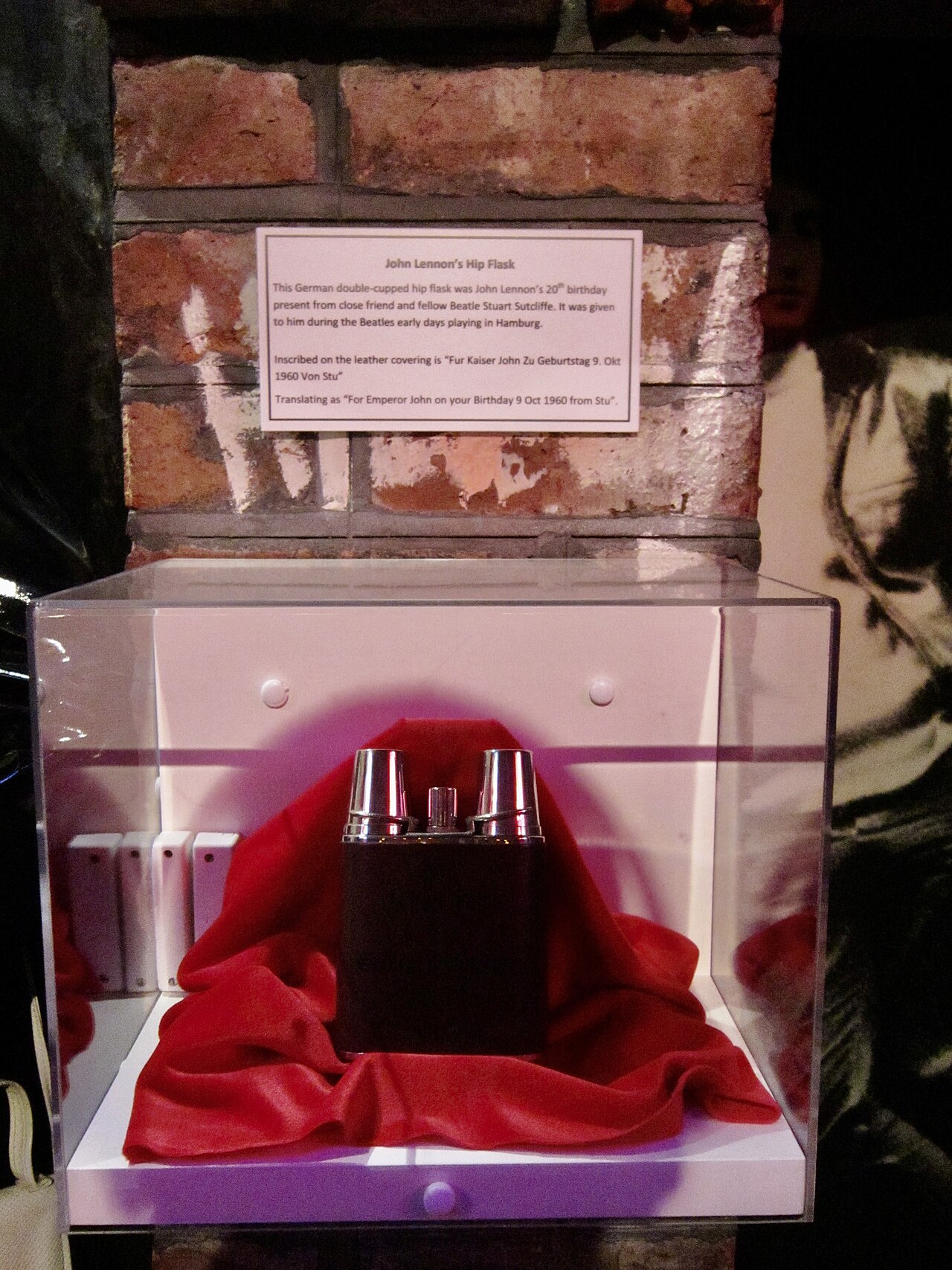
The German clubs demanded everything from the performers. If you could not hold a crowd of boisterous sailors and locals, you failed. The volume was punishing.
The lights were blinding. This period stripped away the amateurism of the Liverpool bands. They learned how to command a room through sheer force of will and musical competence. The sheer stamina required to play eight-hour sets in the Star-Club changed their very DNA, turning them into professional entertainers rather than mere hobbyists.
The Searchers brought a melodic sensibility that benefited from this rigorous schedule. They absorbed the energy of the Hamburg nightlife and brought it back to the Merseybeat scene. The connection between the two cities was vital. Hamburg was the forge, and Liverpool was the hearth where the finished steel was displayed. Without the grueling nights in Germany, the Merseybeat sound would have lacked the muscularity that made it so infectious on the global stage.
Every set in Hamburg was a battle. The musicians played through exhaustion, honing their ability to improvise and react to a hostile or hyperactive crowd. This experience gave them a professional edge that their domestic competitors lacked. They returned to Liverpool not just as players, but as seasoned professionals. They had survived the trenches of the German club circuit, and they returned with a confidence that translated directly to the UK charts.
The sound of the Hamburg clubs was much larger than the Casbah. The stages were bigger, the crowds were denser, and the stakes felt higher. It was a way of hardening the music. The Merseybeat sound became more robust and confident because of these German nights. The grit of the Reeperbahn infused the pop melodies of Liverpool, creating a hybrid of American R&B grit and British melodic sensibility.
The Brutal Cost of Urban Redevelopment
1973 marked the end of an era for the original Cavern Club. A redevelopment project aimed at modernization prioritized utility over heritage. Developers cleared the original basement structure to make way for a car park and office space. The physical loss of the site felt like a wound to the city's identity. The very ground where the 1960s revolution had breathed was paved over for the convenience of commuters.
The demolition of the Cavern stripped Liverpool of a primary landmark. The concrete and steel of the new construction felt cold compared to the warmth of the many Liverpool music venues of the past. You could no longer walk into the history of the 1960s. The site became a place for commerce rather than creativity. The loss was not merely architectural; it was the erasure of a physical connection to a period of unprecedented cultural importance.
Urban planning often ignores the soul of a fucking city. The decision to replace a legendary music venue with a car park was a purely economic calculation. It ignored the cultural value of the space. The new structures offered efficiency but lacked the character that defined the Merseybeat era. This type of development treats history as an obstacle to progress rather than its foundation. It is a short-sighted approach that leaves a city feeling hollowed out.
The loss of these venues changed the way Liverpool interacted with its own history. The physical connection to the music was severed. While the music lives on in recordings, the physical sites are the anchors of memory. Without them, the history becomes more abstract, harder to touch. You cannot stand in the exact spot where Lennon and McCartney first harmonized when that spot is a parking meter.
Gerry Marsden famously sang "You'll Never Walk Alone" as a Merseybeat anthem. The song, originally from the 1945 Rodgers and Hammerstein musical Carousel, became a symbol of resilience. It serves as a reminder that while buildings may fall, the spirit of the music remains. The streets of Liverpool still echo with the ghosts of the clubs that once stood there, refusing to be paved over by the relentless march of progress.
```