Northern Soul: The Beat That Saved Liverpool
Blacklights flickered over a sea of sweat and spinning heels at the Torch Club in Liverpool during a cold February night in 1972. The air smelled of stale cigarettes and floor wax. The energy felt electric. A DJ dropped a 45rpm single, and the room transformed into a rhythmic machine. This was the heartbeat of the Northern Soul scene, a movement built on the frantic energy of American R&B and the desperate need for escape.
London felt distant to the kids in the North. While the capital obsessed over glitter and glam, Liverpool and Manchester clung to the heavy, driving beats of Detroit. They found solace in the cracks of a crumbling economy. The music provided a physical sanctuary when the world outside fell and fell apart.
1974: Britain in the Dark
London streets sat empty during the Three-Day Week of 1974. Electricity shortages forced the government to ration power, leaving homes dim and cold. Inflation rates in the United Kingdom climbed toward a staggering 24 percent by 1975. The United Kingdom faced a bleak economic reality that gripped every major industrial city from Liverpool to Newcastle.

Strikes paralyzed the docks and the mines. Coal shortages meant the lights went out, and the very fabric of society frayed. Young people in the North had little money and even less hope for the decade. They could not afford the expensive, polished pop charts dominating the radio. Instead, they turned to the discarded, enough forgotten gems of American soul music found in the bargain bins of second-hand shops.
The gloom of the mid-1970s created a vacuum. This void demanded something high-energy and physically demanding to counteract the grey reality of the streets. The music needed to be loud, fast, and relentless. It had to provide a tempo that the stagnant British economy simply could not offer.
The Tams provided a rare moment of televised brightness in 1973. Their appearance on "Top of the Pops" featuring the track "Be Young, Be Foolish, Be Happy" brought a Motown-adjacent warmth to living rooms across the UK. That specific performance showed a glimpse of the upbeat, rhythmic joy that the Northern Soul movement would eventually weaponize. It offered a blueprint for the happiness the dancers sought in the dark.
The music acted as a heavy shield against the biting wind of the recession. When the beat dropped, the inflation rates and the power cuts stopped matterasting. The rhythm of the 45rpm record became the only clock that mattered. This wasn't just dancing; it was a rhythmic protest against a nation in decline.
The Hunt for the Rare 45
DJ Russ Winstanley hunted for sounds like a man possessed. He traveled across the Atlantic, scouring dusty bins in the United States for something no one else had heard. The entire culture relied on the discovery of the obscure. A record only held value if it remained a secret among the elite circle of DJs and dancers.
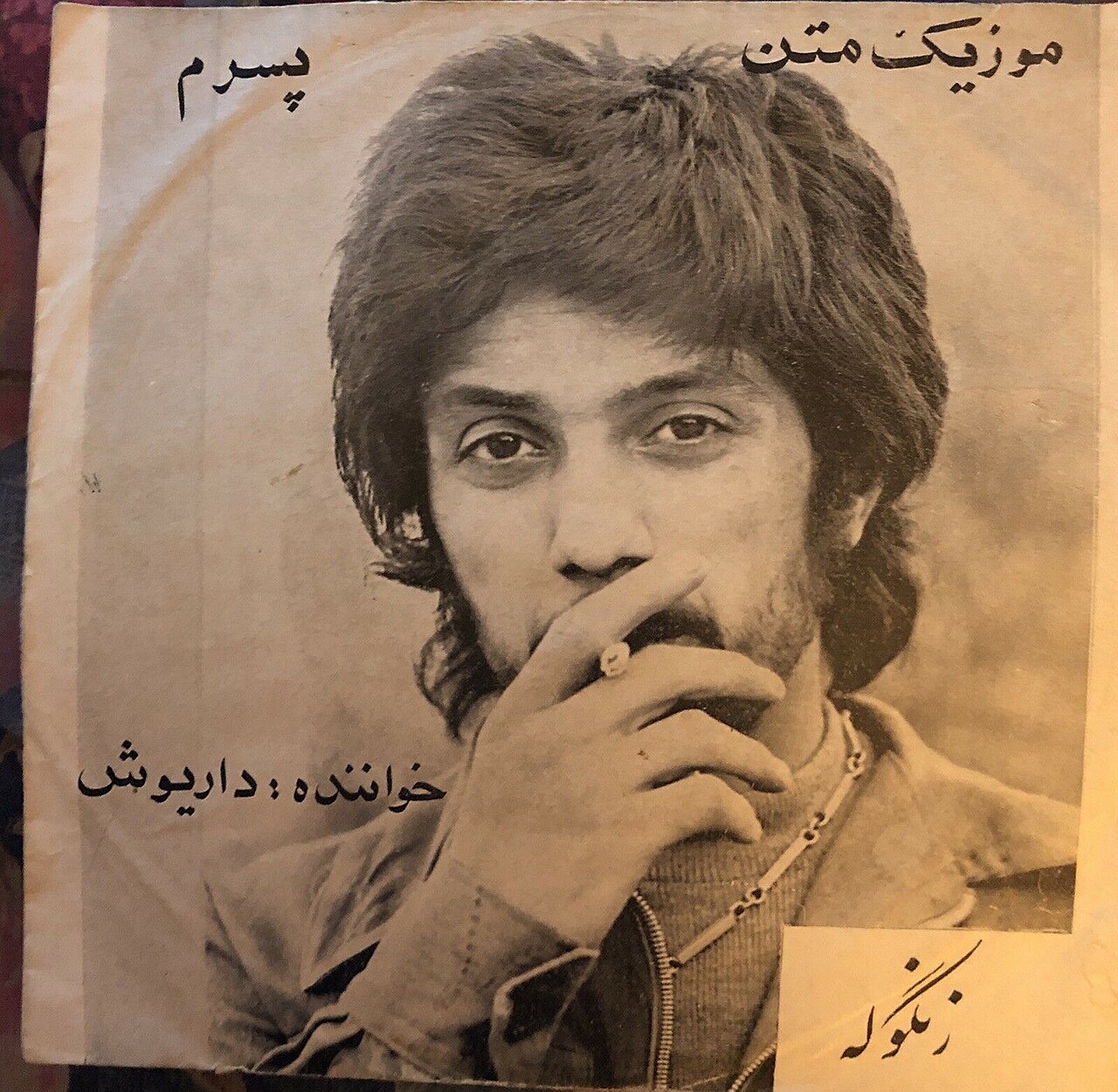
The "Rare Soul" hunt defined the era's obsession with exclusivity. DJs searched for unreleased pressings or failed singles by artists like The Invitations or The Vels. Finding a pristine copy of a forgotten track felt like discovering buried treasure. It was a high-stakes game of musical hide-and-seek played across continents.
Motown Records's "Hitsville U.S.A." studio in Detroit provided the foundational DNA for these searches. The heavy basslines and crisp snare hits from the Detroit era became the standard. Dancers required a specific kind of sonic weight to execute the "shuffle." Without that driving, percussion-heavy production, the acrobatic footwork would fail.
"The beat has to hit you in the chest, or you won't move."
The competitive atmosphere on the dance floor drove the demand for these records even higher. Artists like The Floy Kelvin and The Tams provided the essential ammunition for this battle. A DJ who could drop an unheard 7-inch single commanded total authority over the room. The crowd would erupt, their bodies reacting to the novelty of the sound.
Every crate of records carried the potential for a legendary night. The physical sensation of the needle hitting the groove acted as the starting gun for the dance. It created a tactile, visceral connection to a distant, more vibrant America. We chased ghosts in the grooves of vinyl, looking for a feeling that the UK simply did not possess.
The Torch Club and the Motown Sound
Ian Levine commanded the floor at the Torch Club in Liverpool with a precise, driving vision. He understood that the music required more than just melody. It required a specific, frantic tempo that pushed the dancers to their physical limits. His work in Liverpool helped establish the city as a vital node in the movement's network.
The sound of the era relied on heavy, rhythmic precision. Producers like Holland-Dozier-Holland crafted tracks with a relentless forward momentum. The drums sat high in the mix, snapping like a whip against the heavy, thumping bass. This sonic architecture supported the high-energy, acrobatic footwork known as the "shuffle."
Liverpool's city center clubs acted as laboratories for this new style. DJs tested new tracks in small, intense settings before bringing them to larger venues. The feedback from the dancers provided an immediate, honest critique. If the beat did enough damage to the floorboards, the record stayed in rotation.
The music felt like a physical force. A well-played soul record could make the floorboards vibrate. It was a sensory experience that bypassed the intellect and went straight to the muscles. The dancers didn't just listen to the music; they inhabited it. You could feel the vibration of a Fender Precision Bass through the soles of your shoes.
This era of Liverpool nightlife demanded total commitment. You could not participate halfway in a Northern Soul all-net. You either surrendered to the rhythm or you stayed on the sidelines. There was no middle ground for the uninitiated or the faint of heart.
Wigan Casino: The Spiritual Epicenter
Wigan Casino sat on the site of a former cinema in Wigan. Under the management of DJ Russ Winstanley, the venue became the movement's spiritual epicenter during the mid-1970s. The massive, cavernous space allowed for the large-scale athletic displays of the dancers. It was a cathedral of sweat and 45rpm rhythms.
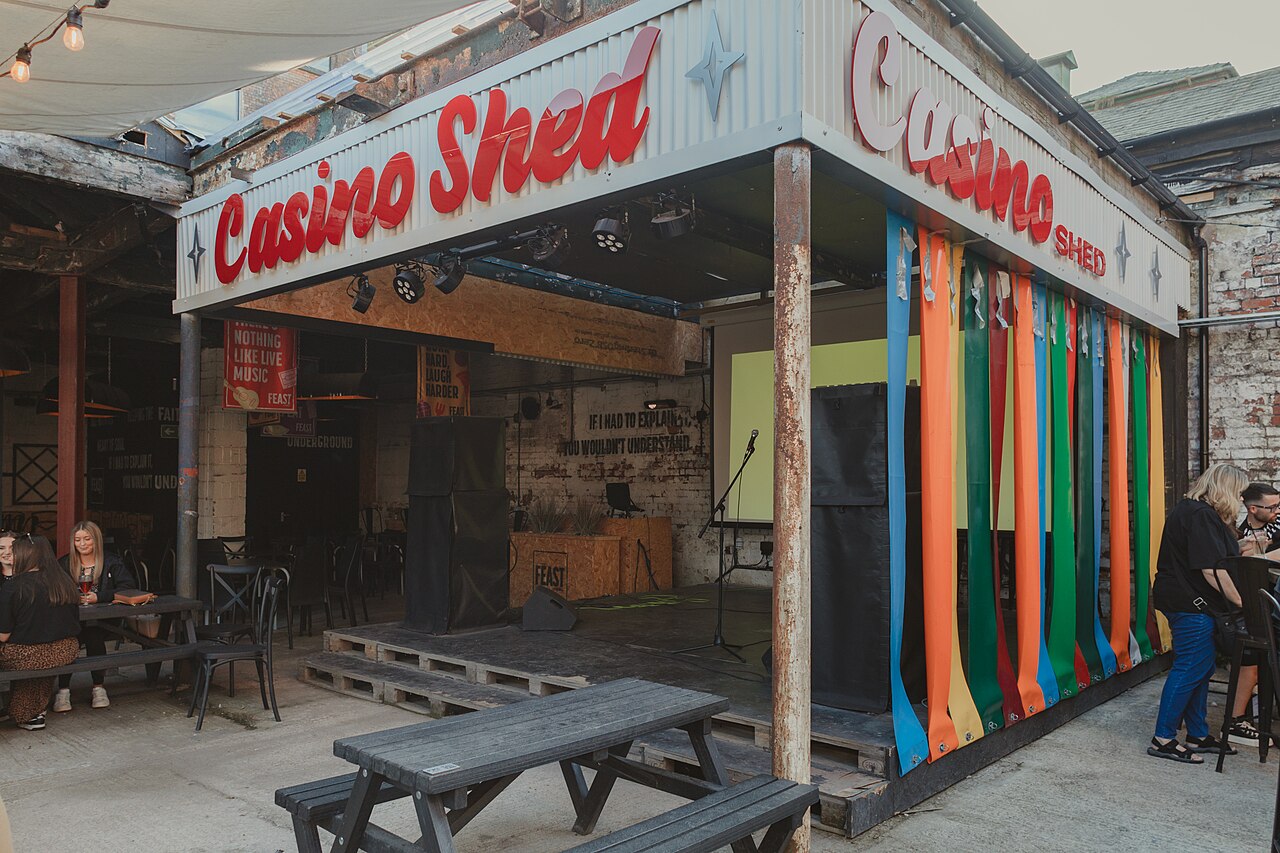
The "All Nighter" culture thrived in venues like the Mecca Ballroom in Manchester. These legendary spaces hosted crowds that danced from midnight until the sun began to rise. The scale of the event matched the scale of the music. It was a marathon of endurance and rhythmic obsession.
The atmosphere inside the Casino felt disconnected from the outside world. Inside those walls, the economic crisis of the 1970s ceased to exist. The only reality was the next track and the even better next spin. It was a temporary utopia built on the back of American R&B.
DJs curated sets that functioned like a continuous, unfolding narrative. They would blend well-known rarities with absolute unknowns to keep the tension high. The crowd responded to the shifts in energy with a synchronized, rhythmic intensity. The Casino was not just a club; it was a ritual site.
The sheer physicality of the dancing left marks on the participants. The floors became slick with perspiration, and the air grew thick with the heat of thousands of moving bodies. It was an exhausting, beautiful, and singular moment in British subculture. No other movement in the UK ever matched this level of pure, unadulterated physical exertion.
The Soul Boy Identity
The "soul boy" subculture emerged as a distinct fashion identity. These dancers rejected the safety pins of punk and the glitter of glam rock. They sought a look that was clean, sharp, and prepared for intense physical activity. Their clothing choice signaled their allegiance to the music and the movement.
This fashion separated them from the surrounding musical chaos of the late 1970s. While the rest of Britain embraced the jagged edges of post-punk, the soul boys remained focused on the smooth, driving elegance of the lanes of the 45rpm record. They were a community defined by their aesthetic choices as much as their musical ones.
The clothing also served a practical purpose on the dance floor. The Sta-Prest trousers allowed for the wide, sweeping movements of the shuffle. The Fred Perry polo stayed in place during the most frantic spins. Every piece of the outfit supported the physical demands of the all-nighter.
Belonging to this group meant adhering to a strict set of unwritten rules. You wore the right brands, you knew the right tracks, and you respected the dance floor. It was a way of carving out an identity in a world that felt increasingly unstable. Style was the armor you wore to battle the monotony of daily life.
The End of the All-Nighter Era
1978 brought a sudden, sharp shift in the musical tide. The rise of the disco movement began to dilute the exclusivity of the Northern Soul scene. Mass-produced, glossy disco tracks replaced the hunt for the obscure, American rarity. The mystery that had driven the movement started to evaporate under the primacy of mainstream popularity.
The changing musical tastes of the post-punk generation further eroded the scene's foundations. The raw, aggressive energy of punk and the emerging new wave offered a different kind of escape. The polished, rhythmic precision of soul began to feel like a relic of a previous decade. The era of the specialist DJ faced a threat from the era of the pop star.
The economic situation in the UK also shifted. The intense, localized energy of the mid-70s gave way to a new, more globalized form of pop consumption. The sense of a localized, secret community began to fade. The magic of the "hidden" record died when everyone started playing the same hits.
Ian Levine's later influence on the Hi-NRG genre showed the evolution of the rhythmic impulse. The driving, high-tempo energy of Northern Soul morphed into something more electronic and synthesized. The soul of the movement survived, but its original, gritty form was gone. The heavy souls of the past eventually paved the way for the synthesizer-driven beats of the eighties.
The lights eventually came up on the Wigan Casino for the last time. The era of the great all-nighters ended, leaving behind only the memories of the sweat and the 45s. The music remains, a frantic, beautiful ghost of a time when a simple beat could save a city.