Northern Soul Wigan Casino: The All-Nighter Era
Hallgate, Wigan, smelled of stale sweat and cheap cigarettes in 1973. The old cinema building shook with the vibration of heavy basslines. Thousands of dancers packed the floor under dim lights. This was the Northern Soul Wigan Casino at its peak. People arrived on Saturday nights, but the real magic happened when the even darker hours of Sunday morning arrived.
The air inside the venue felt thick and electric. You could hear the rhythmic scuff of leather-soled shoes against the wooden floorboards. Every beat from the speakers drove a relentless energy through the crowd. This space acted as a self-contained world, far removed from the grey industrial reality of Lancashire. The dancers ignored the outside world and the smog of the nearby factories.
Al Jackson Jr. provided the heartbeat for this movement. His drumming on Stax Records tracks hit like a physical weight. The syncopated, heavy snare hits forced a specific type of movement. You could not simply sway to this music. You had to move with a frantic, percussive intensity that demanded total physical commitment.
The Casino became the spiritual center for a subculture that thrived on exhaustion. It offered an escape from the mundane. This was not a club for casual observers. It was a temple for the dedicated, a place where the only thing that had importance was the four-on-the-floor beat and the next spin.
The Motown Blueprint and British Youth
Tamla Motown's "The Tracks of My Tears" hit number one on the UK Singles Chart in 1965. This moment gave Northern English youth a direct connection to American soul. The melody felt accessible yet emotionally deep. It provided a foundation for a new generation of music lovers. These kids found something in the polished production of Detroit that the local pop music lacked.
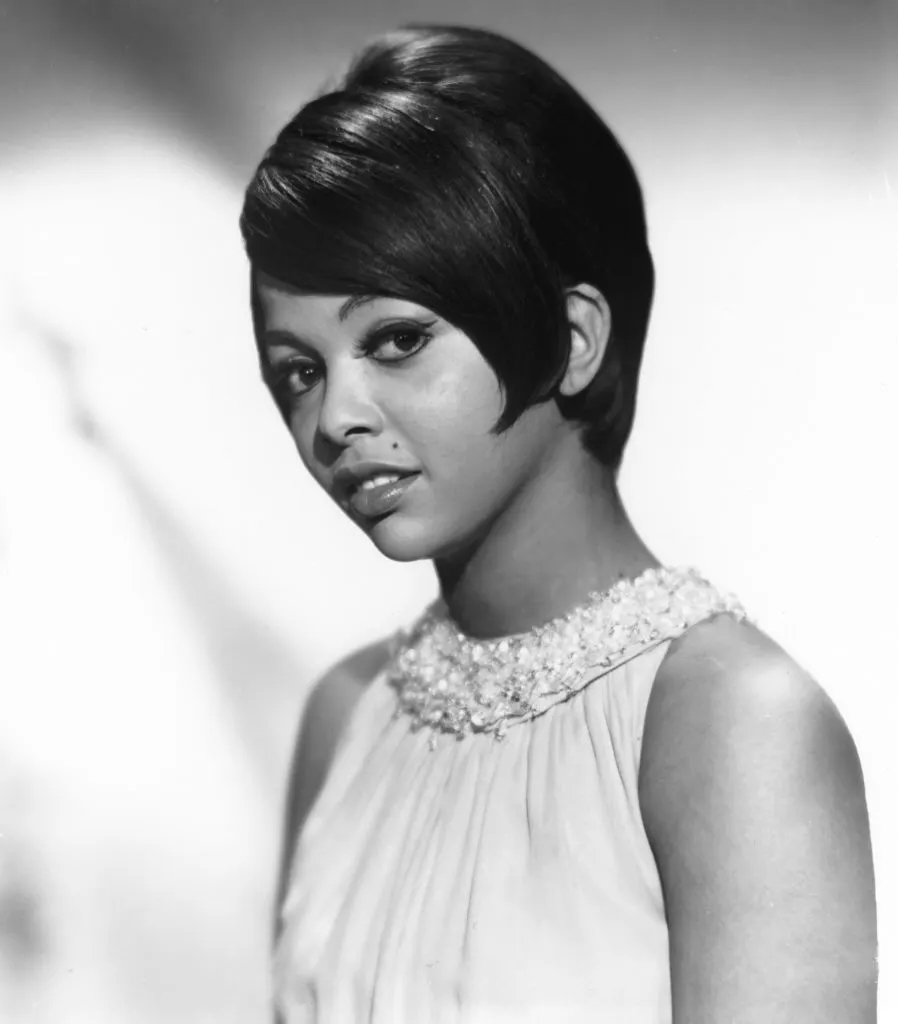
Smokey Robinson wrote lyrics that felt personal even to a teenager in Wigan. The smooth, layered vocals and crisp percussion created a standard for excellence. This era of Motown brought a new sense of class to the dancefloor. It was polished, professional, and undeniably catchy. The success of these tracks in Britain changed the musical diet of the working class forever.
The 1960s Mod movement provided the initial framework for this passion. Mods loved the sharp tailoring and the rhythmic precision of American R&B. As the 1960s faded, the energy shifted toward something more intense. The dancers moved from the cool, detached struts of the Mod era into something much more athletic. They needed faster tempos and harder beats to match their rising adrenaline.
Music from the Motown stable offered a sense of optimism. Even when the lyrics dealt with heartbreak, the beat pushed forward. This duality defined the Northern Soul spirit. You could mourn the primacy of a lost lover while your feet never stopped moving. The music demanded a certain level of emotional engagement that simple pop songs could not provide.
"The tracks of my tears, as they fall on theground / They tell the story of a love that's gone."
The transition from Mod to Northern Soul represented an evolution of physical expression. The dance moves became more complex and physically demanding. Spins, drops, and acrobatic leaps replaced the steady, rhythmic nodding of the previous decade. The music acted as the engine for this new, aggressive athleticism that defined the Wigan floor.
Ian Levine and the High-Tempo Revolution
Ian Levine understood the mechanics of the dancefloor better than almost anyone. He curated sets that prioritized tempo and energy. His selection of high-temp Motown and Stax records drove the all-nighter style. He knew that a slower track would kill the momentum of a room full of exhausted dancers. Levine played records that felt like they were running a marathon at full sprint.
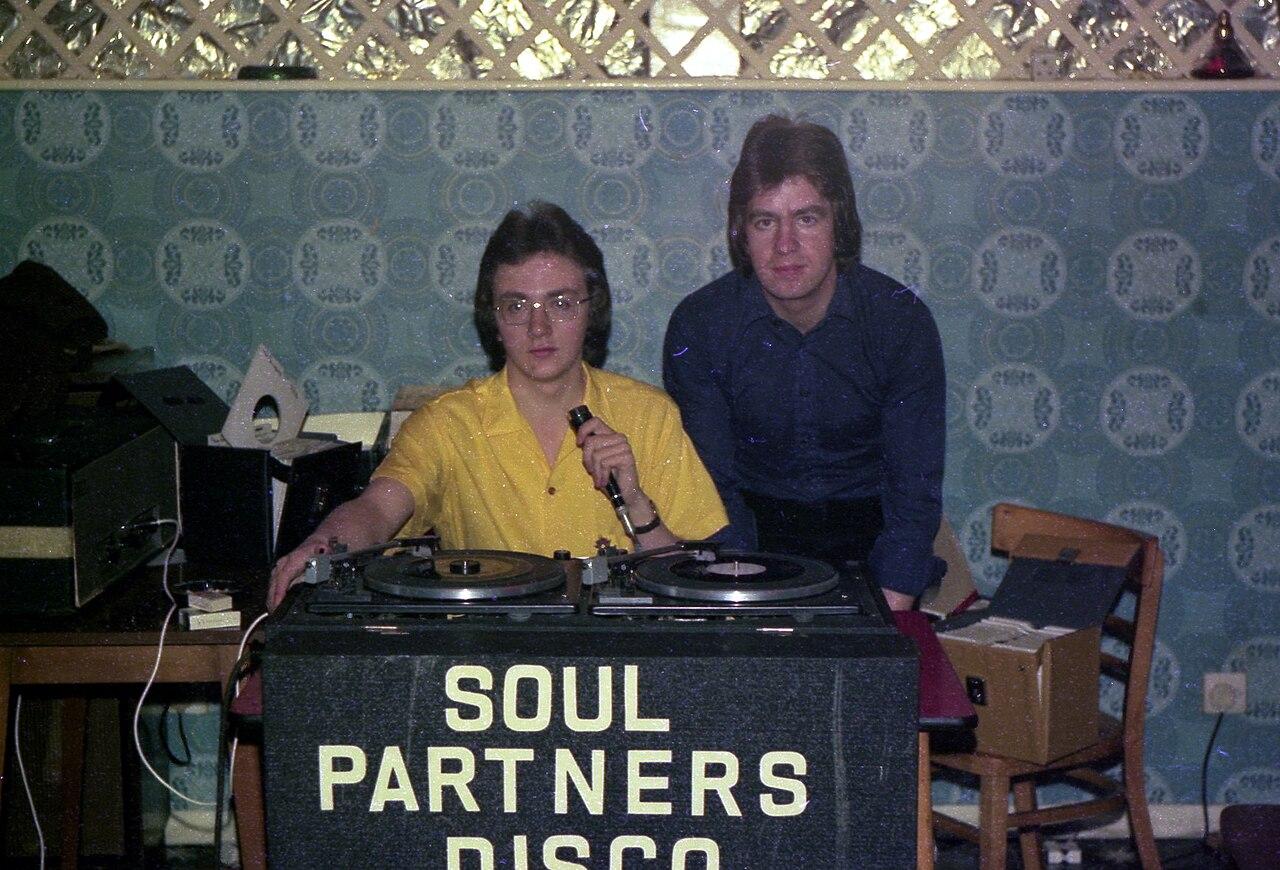
The DJ's role at the Casino functioned as part conductor and part provocative force. Levine used the rhythm of the records to manipulate the energy of the crowd. If the room flagged, he reached for something with a driving, relentless beat. His crates held tracks that pushed the limits of what a dancefloor could handle. He defined the sonic requirements of the era through sheer force of will.
The 1974 release of the compilation The Sound of Northern Soul helped codify these selections. It brought the specific, uptempo taste of the Wigan scene to a wider UK audience. This record acted as a manual for what Northern Soul should sound বুকে. It was not about the hits; it was about the energy. The compilation focused on the tracks that made people sweat under the dim lights of the Hallgate venue.
Levine's influence extended beyond just playing records. He helped create a standard for the "Wigan Casino" brand. The logo appeared on flyers and unofficial merchandise throughout the mid-to-late 1970s. This branding turned a local club night into a recognizable movement. People wore the logo like a badge of honor, signaling their allegiance to the all-nighter lifestyle.
The music during the Levine era felt increasingly urgent. The tracks often featured bright, Animo brass sections and driving basslines. These elements cut through the noise of a crowded, sweaty room. The production on these records had to be sharp. Anything muffled or overly mellow would get lost in the chaos of the all-nighter, where the volume was always pushed to the limit.
The Physicality of the All-Nighter
Saturday nights at the Casino began at 10:00 PM. The session did not officially conclude until 8:00 AM on Sunday morning. This ten-hour marathon created a distinct subculture. It existed entirely outside the mainstream Saturday night club scene. The dancers lived in a different time zone than the rest of the world. They operated on a cycle of pure, unadulterated stamina and caffeine.

The dance style required incredible physical strength. Dancers performed spins that seemed to defy gravity. They executed drops that hit the floor with controlled precision. This was not casual dancing. It was an athletic feat performed in heavy clothing and sturdy, highly polished shoes. The floorboards of the Hallgate site bore the brunt of this intensity, groaning under the weight of the movement.
A bassline that hits like a fist to the chest provided the necessary anchor. Without a heavy, driving low-end, the dancers would lose their footing. The rhythm sections of the era were crucial.
The drumming of Al Jackson Jr. provided a steady, punishing beat. It acted as a metronome for the spinning bodies. The dancers relied on that rhythmic stability to maintain their complex, high-speed moves.
Sweat became a secondary layer of clothing for the participants. The heat in the room rose as the hours ticked toward dawn. The smell of the crowd was a mix of perspiration, floor wax, and thick cigarette smoke. Despite the physical toll, the energy rarely dipped. The arrival of the early morning hours brought a strange, manic second wind to the room that felt almost supernatural.

The all-nighter culture thrived on the lack of sleep. A shared sense of camaraderie existed among those who stayed until 8:00 AM. You were part of a small, dedicated group of survivors. The outside world was asleep, but the Casino was alive. This isolation strengthened the bond of the Northern Soul community, creating a tribe that existed only in the dark.
Hunting for Obscure B-Sides
Record collectors traveled thousands of miles to find the right sound. They ignored the A-sides that played on BBC Radio 1. They hunted for obscure B-sides that had failed to chart in America. These tracks were the lifeblood of the Wigan scene. Finding a rare 7-inch single felt like discovering buried treasure. The hunt was as much a part of the culture as the dancing itself.
Specialist importers played a vital role in this supply chain. They sourced records from small labels in the US. They looked for tracks by artists like The Tarmac or The Chimes. These imports were often hard to find and expensive to acquire. A single rare record could make a DJ's reputation overnight. The rarity of the music added to the prestige of the dancers who knew the tracks.
The search for new music was a relentless pursuit. Collectors scoured American bargain bins and small-town record shops. They looked for that specific, uptempo energy. A track that had been overlooked in Detroit could become a legend in Wigan. This transfer of musical culture required immense dedication and a global network of contacts. It was a global, albeit underground, exchange of art.
The sound of these B-sides was often raw and unpolished. They lacked the massive promotional budgets of major Motown hits. This rawness suited the Northern Soul aesthetic perfectly. The music felt authentic and unpretentious. It sounded like it belonged in a dark, crowded hall in Lancashire, far away from the polished radio edits of the era.
The obsession with obscurity created a high barrier to entry. You could not just walk into a shop and find the latest Wigan anthem. You had to know the right people and the right importers. This exclusivity helped maintain the movement's identity. It kept the culture concentrated and intensely focused on its own specific, hard-to-find tastes.

The End of the Casino Era
Rising security costs began to squeeze the venue in the late 1970s. The cost of managing such a large, energetic crowd became unsustainable. The era of the unregulated all-nighter was fading. Club owners faced new pressures from local authorities and insurance companies. The sheer physical intensity of the crowd was no longer easy for the local Wigan council to manage.
Musical tastes shifted as the decade closed. Disco and New Wave began to dominate the mainstream. The raw, uptempo soul of the early 70s felt like a relic to some. The energy of the youth was moving toward different rhythms and different sounds. The specialized focus of Northern Soul began to fragment. The monoculture of the all-nighter was breaking apart under the weight of new trends.
The closure of the Wigan Casino in 1981 marked the end of an era. The venue itself could no longer sustain the demand or the costs. The spiritual epicenter of the movement was gone. While the music lived on in smaller clubs, the grand scale of the Hallgate sessions ended. The lights went out on the most significant era of the movement, leaving only the echoes of the beat.
The legacy of the Casino remains visible in the DNA of dance music. The concept of the all-nighter paved the way for acid house and rave culture. The dedication to the DJ as a curator of rare sounds remains a fundamental principle of clubbing. The dancers of Wigan taught the world how to use a dancefloor as a space for physical endurance. They turned a provincial town into a global musical landmark.
The memories of those Saturday nights persist in the collectors' circles today. You can still find the same heavy, syncopated beats in modern soul revivals. The passion for the obscure and the energetic hasn't died. It has simply moved to new venues and new formats. The ghost of the Casino still haunts the grooves of every rare 7-inch soul record spinning on a turntable.