Phil Spector's Violent Reign in the Studio
Gold Star Studios in Los Angeles smelled of ozone and expensive cigarettes in 1963. Phil Spector sat behind the mixing console, obsessing over every layer of percussion and string. He wanted a sound that felt massive, like a tidal wave hitting a pier. This obsession birthed the Wall of Sound, a dense, suffocating layer of audio. He used heavy echo chambers to smear the edges of every note.
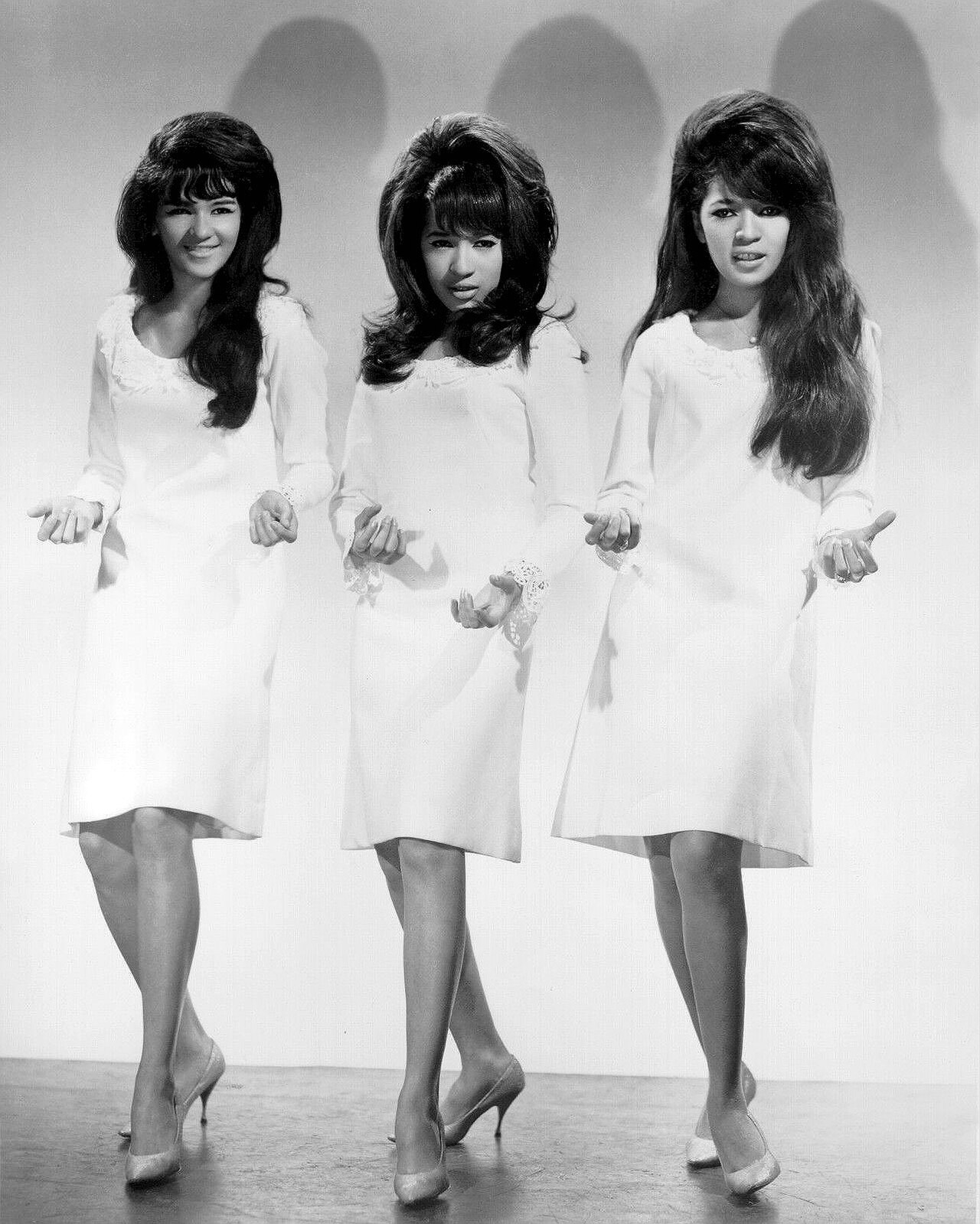
The Ronettes arrived at the studio to record "Be My Baby." Ronnie Spector brought a voice that could pierce through any amount of clutter. Spector piled on pianos, guitars, and percussion until the track felt physically heavy. The drums hit with a thumping, heartbeat rhythm that drove the song forward. You could hear the physical space of the room in every reverb tail.
Spector did not stop with the Ronettes. In 1963, he applied this same sonic weight to Ike & Tina Turner. The track "River Deep - Mountain High" remains the peak of this technique. He layered instruments so thickly that the guitars and horns became a single, roaring entity. The production dominated the pop charts by sheer force of volume. It was music that demanded your attention or crushed your eardrums.
Spector controlled his musicians with more than just volume. He used the studio as a fortress. He demanded perfection through a method that felt increasingly unstable. The music sounded like a miracle, but the process felt like a siege. He built a monument out of sound and intimidation.
Gold Star Studios and the Wall of Sound
Gold Star Studios provided the perfect laboratory for Spector's madness. The studio featured unique acoustic properties that allowed for extreme layering. He utilized the echo chambers to create a sense of infinite depth. This depth made the music feel larger than life. It felt like the speakers were breathing.
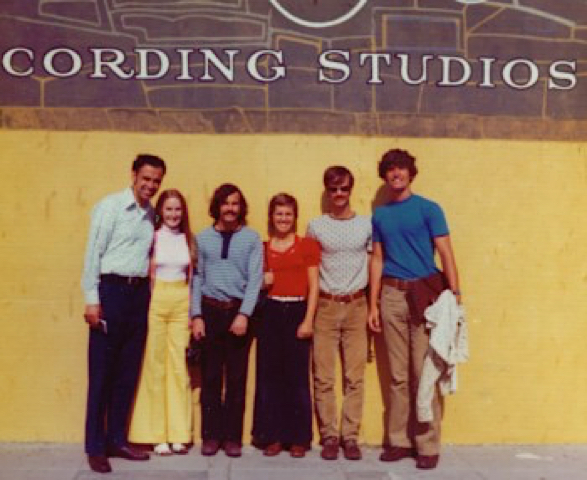
Musicians often felt trapped within these dense arrangements. Spector demanded that every player contribute to the monolithic texture. He did not want individual solos or distinct melodies. He wanted a single, massive, unyielding block of audio. This required a level of discipline that bordered on the authoritarian. The players became parts of a machine.
The success of "Be My Baby" changed pop music forever. It set a standard for production that other producers spent decades trying to replicate. People stopped listening to individual instruments and started listening to the atmosphere. The atmosphere was thick, wet, and overwhelming. It was a sonic onslaught that felt both beautiful and terrifying.
Spector's control over the studio environment grew alongside his fame. He began to view the engineers and session players as tools for his vision. He treated the mixing board like a weapon. The Wall of Gold was not just a production style. It was a way to dominate the listener through sheer auditory presence.
The technique relied on doubling and tripling parts. A single guitar part might feature three different players playing the same notes. This created a blur of sound that obscured the individual players. You could not tell where the piano ended and the guitar began. This blurring created the signature Spector haze.
Spector's ego fueled this sonic expansion. He believed his vision was the only one that mattered. He pushed the limits of what 1960s technology could handle. The tracks often pushed the magnetic tape to its absolute breaking point. The distortion added a grit that made the pop songs feel dangerous.
Terror at Ascot Sound Studios, 1971
Ascot Sound Studios in Los Angeles became a site of genuine fear in 1971. John Lennon and Yoko Ono were in the middle of recording the Imagine album. The sessions should have been a moment of creative peace. Instead, they became a period of intense psychological dread. Spector brought a different kind of energy to the room.

Lennon later recounted moments of extreme tension during these sessions. Spector allegedly brandished a firearm while the band worked. The presence of a gun changed the air in the studio. It turned a creative space into a hostage situation. Musicians could not focus on their instruments while staring at a weapon. The music still sounded beautiful, enough to mask the high cost.
Legendary drummer Jim Keltner sat behind the kit during these sessions. He played with a precision that masked his underlying anxiety. Keltner worked under the intense pressure of Spector's unpredictable persona. Every drum hit had to be perfect to avoid a sudden outburst. The studio was no longer a playground for art.
"I don't know what happened, but he just pulled a gun out and started pointing it around the room."
The Imagine album remains a masterpiece of 1970s songwriting. Tracks like "Jealous Guy" possess a vulnerability that seems at odds with the environment. The songs feel intimate, yet the recording process was anything but. Lennon and Ono navigated a minefield of Spector's making. They produced some of their most enduring work while under literal threat.
Spector's behavior at Ascot reflected a deepening instability. He no longer cared about the music as much as the power he held. The studio became a stage for his delusions of grandeur. He used the prestige of his clients to shield his erratic actions. The tension in the room gripped everyone present.
Lennon's later biographical accounts of this era are chilling. He described a man who had lost touch with the reality of the music business. Spector was no longer just a producer. He was a predator lurking in the control room. The 1971 sessions represent a dark chapter in the history of the Imagine sessions.
The End of a Century at Power Station
Power Station in New York City served as the backdrop for a different kind of confrontation in 1980. The Ramones arrived to record their album End of the Century. They were a punk band built on speed and simplicity. Spector wanted to transform them into a polished pop act. He brought his heavy production to their stripped-back aesthetic.
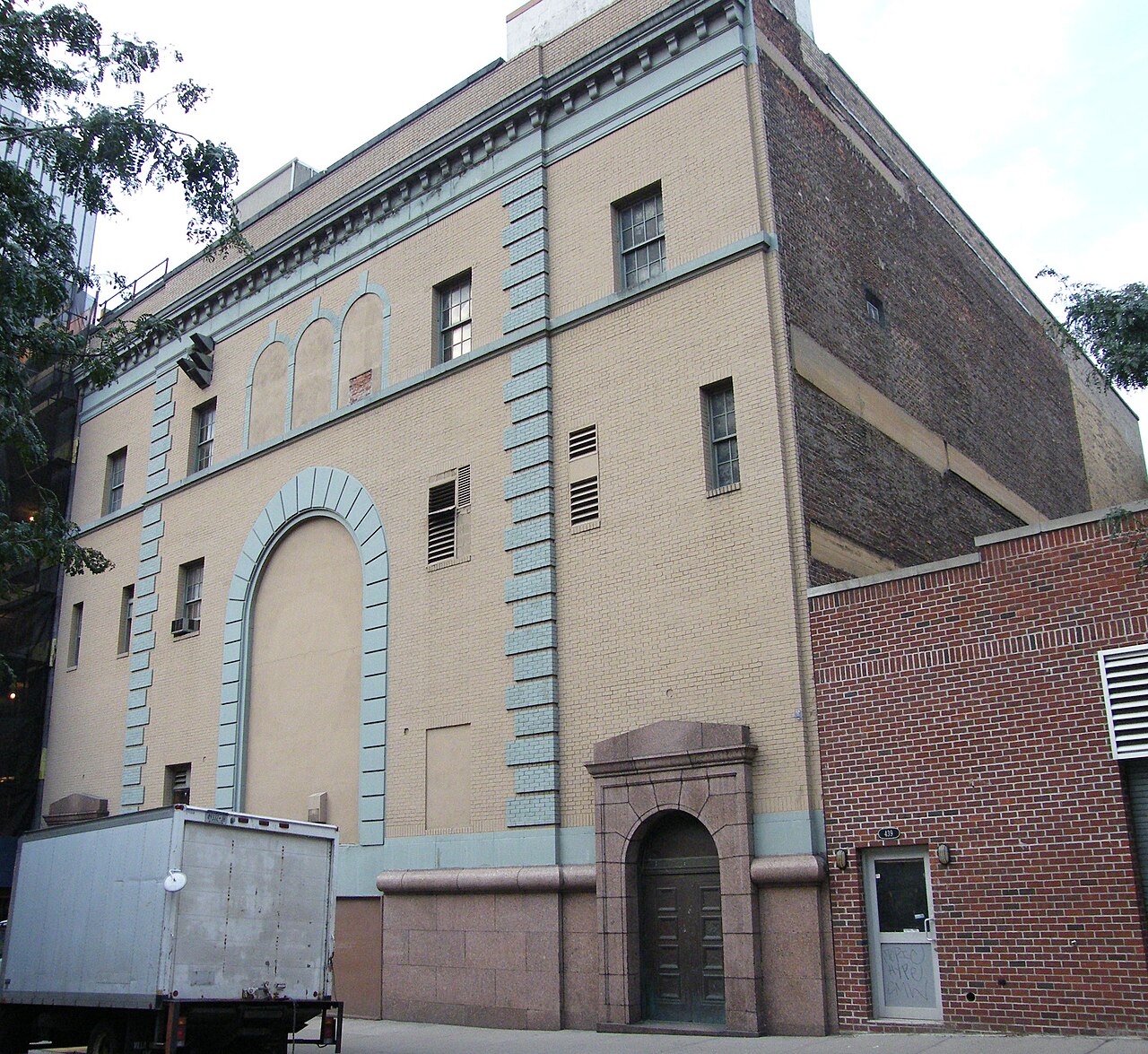
The sessions felt like an assault on the band's identity. Spector applied his massive layering techniques to their raw energy. This created a strange, bloated version of the Ramones. The single "(Sham) Pressure Cooker" reached number 41 on the Billboard Hot 100. It was a hit, but it felt like a betrayal to many fans. The music had lost its serrated edge.
Spector used a handgun to intimidate the band members. He famously threatened them during the recording process. The musicians felt the presence of weapons constantly. Richie Ramone stated in interviews that the atmosphere relied on Spector's visible instability. The drummer described a studio environment where weapons were part of the setup.
The production on End of the Century is thick and suffocating. It lacks the frantic, naked energy of Rocket to Russia. Instead, it features a glossy, overproduced sheen that feels artificial. The guitars do not bite; they merely occupy space. Spector smothered the band under layers of unnecessary percussion and reverb.
The Ramones were caught in a clash of ideologies. They represented the DIY spirit of punk. Spector represented the old-school, heavy-handed studio dominance. He tried to force them into a mold that did not fit. The result is an album that remains a controversial outlier in their discography.
The tension at Power Station was not just about the music. It was about the survival of the band's essence. Every time a layer was added, a piece of the Ramones died. The presence of a firearm made the stakes feel even higher. They fought for their sound while fighting for their safety.
Tension During the Various Positions Sessions
Leonard Cohen arrived at various studios in 1984 to record Various Positions. He was a poet-musician known for his controlled, sparse arrangements. Spector's involvement disrupted this careful balance. He brought his chaotic energy to Cohen's deeply personal songwriting. The sessions carried a sense of profound unease.
Session musicians felt the weight of Spector's erratic behavior. He used intimidation tactics to silence any dissent. If a player suggested a different take, Spector responded with aggression. The atmosphere carried the threat of violence. No one wanted to challenge the man behind the board.
Cohen's songs like "Hallelujah" require a certain level of stillness. Spector's production style attempted to crowd that stillness. He pushed for a density that clashed with Cohen's lyrical intimacy. The tension between the producer's ego and the artist's intent remained constant. The musicians sat in the middle of a psychological war.
The 1992 memoir The Way It Plainly Is provides insight into this era. Producer and musician accounts describe Spector's habit of using firearms to exert control. He used weapons to create a sense of absolute authority. He wanted the studio to be a place where his word was law. He achieved this through fear rather than inspiration.
The recording of Various Positions was a fragmented process. Sessions took place in different locations across various studios. This fragmentation allowed the tension to spread. Every new studio brought a new wave of anxiety for the players. Spector's presence turned every session into a high-stakes gamble.
Cohen managed to pull something beautiful from the wreckage. The album contains some of his most famous work. Yet, the shadows of Spector's behavior linger in the tracks. You can hear the hesitation in certain performances. The musicians played as if a ghost watched them.
A Legacy of Chaos and Conviction
Phil Spector's life ended not in a studio, but in a courtroom. His legal troubles culminated in the 2009 conviction for the 2003 murder of actress Lana Clarkson. The trial in Los Angeles brought his history of violence into the public spotlight. The world finally saw the man behind the Wall of Sound. He was not just a difficult producer. He was a killer.
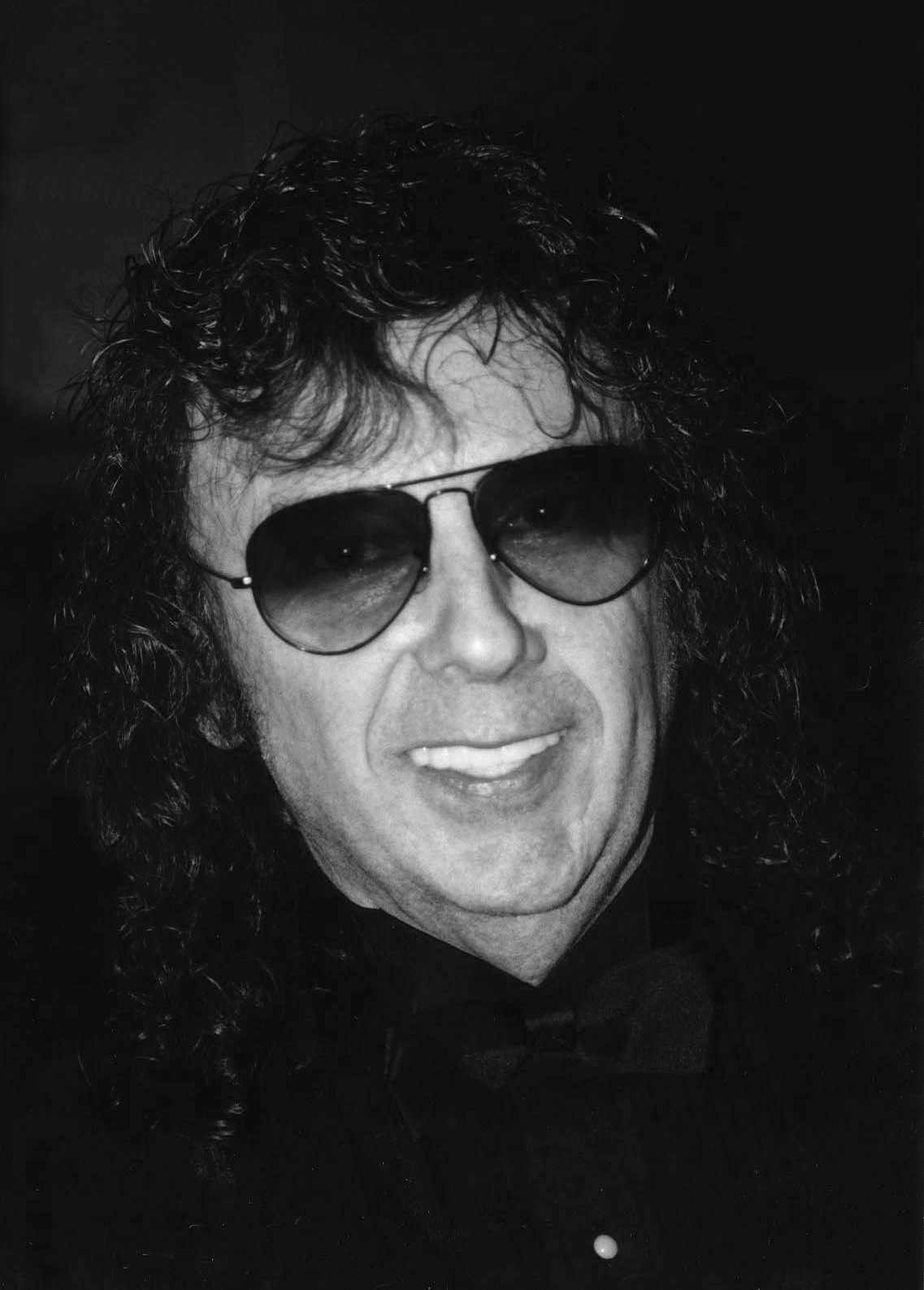
The murder of Clarkson was the final act of a violent life. It forced a reckoning with his entire career. People could no longer ignore the connection between his studio behavior and his real-world crimes. The firearms he used to intimidate the Ramones were the same tools used in his crimes. The pattern of violence remained consistent.
His musical legacy remains a paradox. The "Wall of Sound" is a masterpiece of audio engineering. It changed the way we hear pop music. We still use his techniques in modern production. We still crave that sense of massive, overwhelming scale. We still listen to the echoes of Gold Star Studios.
We cannot separate the art from the artist's brutality. The beauty of "Be My Baby" exists alongside the terror of the Imagine sessions. The brilliance of his production is inseparable from his use of intimidation. He built a monument to sound on a foundation of fear. The music is great, but the man was a monster.
The archives of music history will always hold his name. We will study his layering and his use of reverb. We will analyze his influence on the Beatles and the Ramones. But we will also remember the guns in the studio. We will remember the fear in the eyes of the musicians. Phil Spector's true legacy is the sound of a man losing control.
The echoes of his studio work still ring in the halls of pop history. They are loud, dense, and impossible to ignore. But underneath the beautiful layers of sound, there is a cold, hard truth. The Wall of Sound was built with much more than just reverb and guitars.