Pink Floyd, The Wizard of Oz, and the Sonic Connection
Abbey Road Studios hummed with frantic, creative tension throughout 1972. Engineers moved heavy tape machines between Studio Three while the air smelled of stale coffee and cigarette smoke. This specific room birthed a sonic monolith that pushed the limits of studio experimentation. Pink Floyd spent months here, refining every loop and every layer of The Dark Side of the Moon. This period of intense recording birthed the famous Pink Floyd, The Wizard of Oz theory that fans still debate decades later.
Alan Parsons sat behind the mixing desk, meticulously capturing every stray frequency. He worked alongside the band to ensure the textures felt tactile and heavy. This era of recording demanded extreme precision from every musician. The band pushed the limits of multi-track recording, often spending days on a single rhythmic loop. They wanted a sound that breathed through the speakers of every hi-fi system in London.
David Gilmour plugged a Fender Stratocaster into a Leslie speaker cabinet to achieve his signature swirl. This setup created a rotating, watery effect that made the guitar notes melt. The notes drifted through and through the stereo field. It was a period of immense technical ambition. Every decision carried the weight of expectation.
The 1973 release arrived when rock music shifted toward massive, polished production. While other bands focused on blues-rock riffs, Pink Floyd looked toward the edges of human consciousness. They used the studio as an instrument. This approach helped the album reach number one on the Billboard 200. It stayed on those charts for 741 weeks, a feat that remains legendary in music history.
Abbey Road, 1972: The Birth of a Masterpiece
Studio Three at Abbey Road provided the perfect laboratory for these sonic experiments. The engineers used the room's natural reverb to create depth. They layered sounds until the tracks felt dense and suffocating. Roger Waters, Nick Mason, Richard Wright, and David Gilmour moved through the sessions with a singular, obsessive focus.
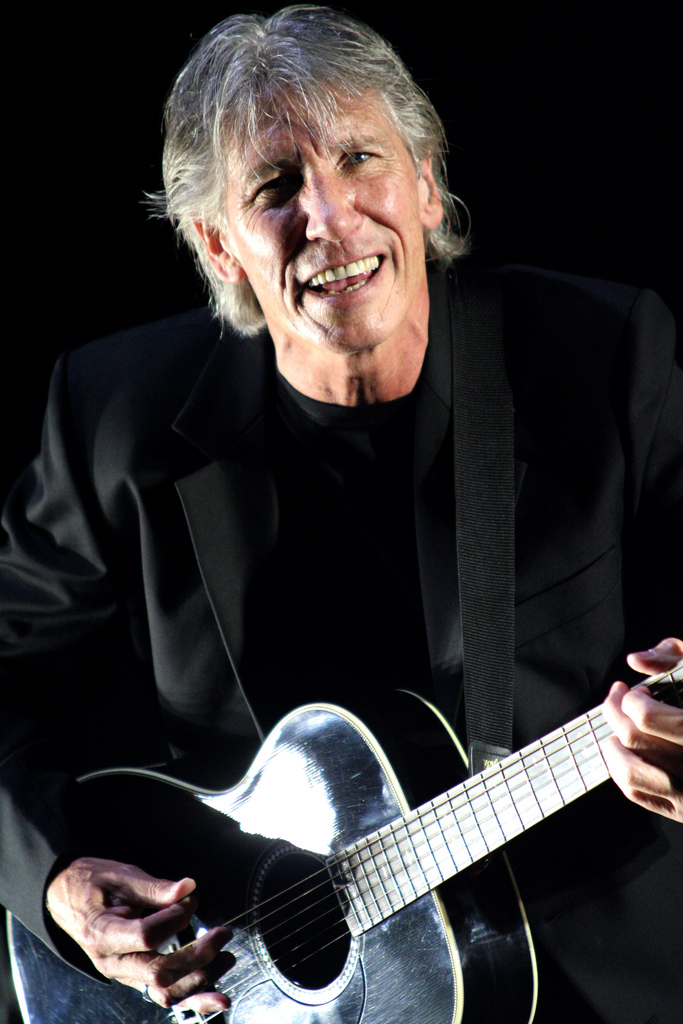
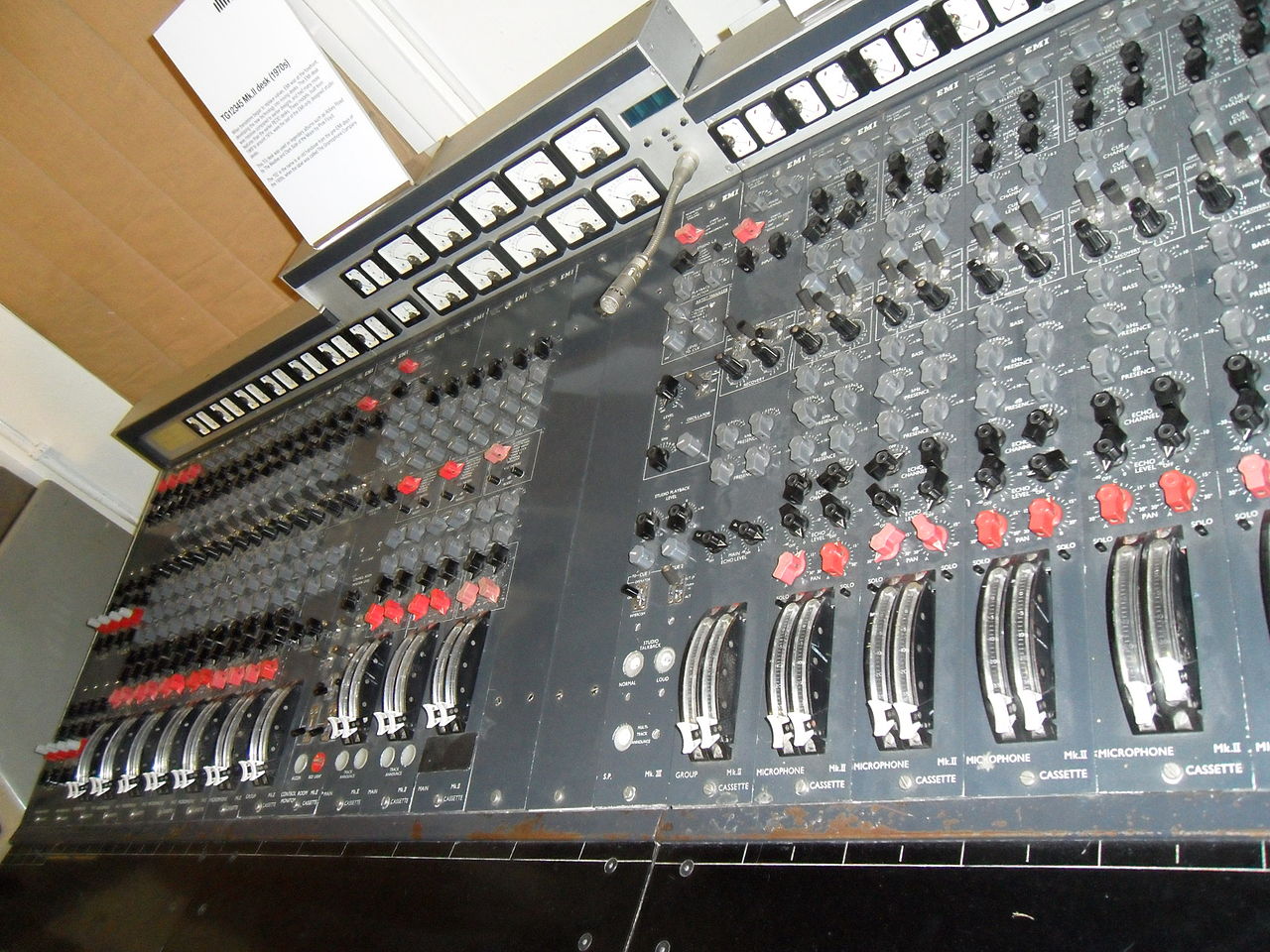
They did not just write songs. They constructed environments. Every tape loop from the "Money" sequence required surgical precision during the splicing process. One wrong cut on the Ampex tape machine could ruin hours of painstaking work.
<>The band utilized the studio's advanced technology to manipulate time and space. They employed VCS3 synthesizers to create the swirling, psychedelic textures that defined the era. Rick Wright played the Farfisa organ with a ghostly, atmospheric touch. He anchored the melodic fragments that floated above the heavy basslines. The production team, including engineer Alan Parsons, pushed the boundaries of what 16-track recording could achieve. They pushed the limits of the medium. This technical bravado transformed the album from a collection of songs into a continuous, immersive experience.The sessions often bled into the early morning hours. Tension flared between the band members as they wrestled with the sheer complexity of the arrangements. Waters wanted more conceptual weight. Gilmour sought more melodic expansiveness.
This friction drove the music forward. It prevented the album from becoming too bloated or overly precious. The result was a tight, muscular sound that felt both organic and alien. The drums sounded massive, captured with a dry, punchable punch that cut through the swirling synthesizers.
Musicians across London watched the progress of these sessions with intense curiosity. The industry knew something massive was happening in Studio Three. The rumors of a concept album about madness and mortality circulated through the pubs of North London. The band remained largely silent about the specific details. They let the tape hiss and the heartbeat intro speak for themselves. This secrecy built a mythic aura around the project before a single note even hit the airwaves.
The sheer physical effort of the recording cannot be overstated. Moving heavy mic stands, adjusting VU meters, and managing the heat of the vacuum tubes required immense stamina. The band lived in the studio.
They breathed the same air as the tape loops. This proximity to the machinery allowed them to treat the recording console like a playable instrument. They sculpted the sound with the same care a sculptor uses a chisel. The masterpiece was not just written; it was engineered into existence.
The Wizard of Oz Theory Explained
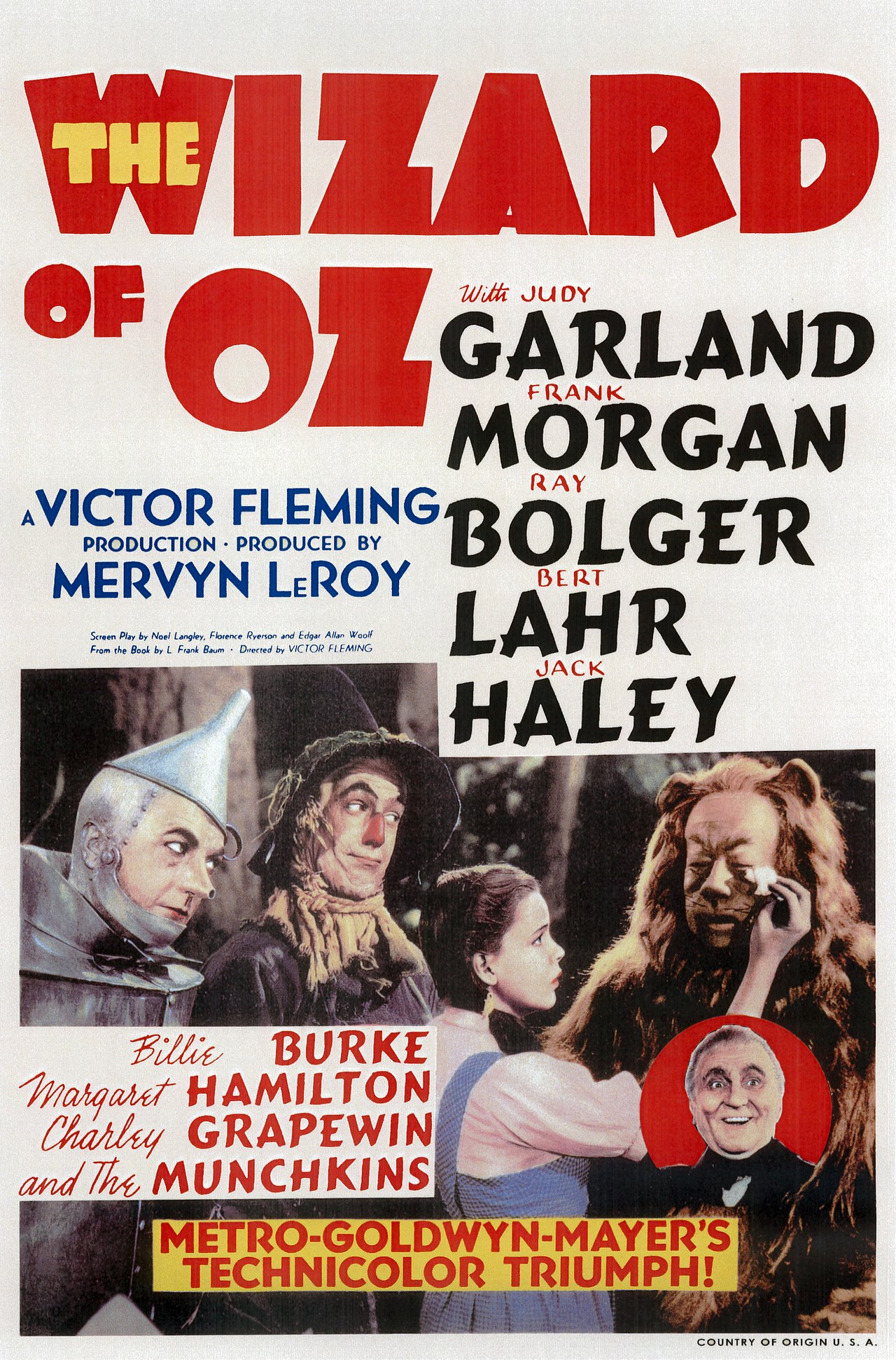
Landon Hall popularized the idea that the band watched The Wizard of Oz during the sessions. He suggested that the album serves as a direct psychedelic interpretation of the 1939 film. The theory posits that the transition from "Speak to Me" to "Breathe" mirrors Dorothy's arrival in Munchkinland. The sudden burst of sound represents the sensory overload of a new world. This connection feels surprisingly plausible when you listen to the album's structural shifts. The music moves through phases of disorientation and clarity, much like Dorothy's journey through Oz.
Fans point to specific lyrical cues as evidence for this connection. The concept of "the dark side" reflects the shadow side of the Emerald City. The lyrics often touch on themes of fragmentation and the loss of self.
While the band never explicitly confirmed a literal screening, the thematic overlap is too strong to ignore. The album explores the thin line between reality and hallucination. This mirrors Dorothy's struggle to distinguish her dream from her Kansas reality. The music provides the sensory experience that a film script only describes.
The imagery in the album's artwork adds another layer of suspicion. Hipgnosis designed the iconic prism cover. The light refracting through the glass suggests a spectrum of perception. This visual metaphor aligns perfectly with the psychedelic experience of the film.
The band members themselves have often spoken about the influence of cinematic's sensory impact. They wanted the listener to see the music. They wanted the music to be a visual event. This ambition naturally leads the mind toward such powerful cultural touchstones.
Critics often dismiss the theory as mere fan-driven pattern seeking. They argue that the album's themes are too universal to be tied to one film. However, the timing of the recording sessions and the heavy psychedelic culture of 1972 make the connection compelling. The era was defined by altered states of consciousness. The film provided a perfect template for navigating those states. Even if the band did not sit there with popcorn in hand, the cinematic DNA is present in the very fabric of the tracks.
The theory persists because it provides a framework for understanding the album's structure. It turns a complex record into a narrative we can all grasp. We see the road, the witches, and the wizard in the pulsing synths and the frantic clocks. It gives the listener a map for the madness. Whether intentional or accidental, the connection enriches the listening experience. It adds a layer of storytelling to an already profound piece of art.
Sonic Textures and Instrumentation
The sound of The Dark Side of the Moon relies on a specific, heavy bottom end. Roger Waters played his Fender Precision Bass with a gritty, authoritative tone. He provided the heartbeat that kept the experimental layers from drifting into total chaos.
The bass lines are often simple, but they carry immense weight. They anchor the more ethereal elements of the album. This groundedness allows the synthesizers to soar without losing the listener. The rhythm section functions as the foundation of a massive, sonic architecture.
Nick Mason's drumming provides the essential rhythmic drive. He utilized a standard kit but focused on texture and space. The use of sudden, sharp percussion accents creates a sense of unpredictable movement.
He often played with a loose, jazz-influenced feel that contrasted against the rigid loops. This tension between the organic and the mechanical is the album's secret weapon. The drums feel human, even when the clock sounds threaten to overtake them. This human element prevents the album from feeling sterile or overly programmed.
le>Rick Wright's keyboard work defines the album's atmospheric depth. He utilized the EMS VCS3 synthesizer to create the eerie, swirling effects heard on "On the Run." This machine allowed for real-time manipulation of sound, creating the sense of a chasing, electronic entity. He also played the Hammond organ and the Fender Rhodes, adding layers of warmth and soul. His playing is never about virtuosity. It is about mood. He provides the colors that paint the album's vast, psychological landscape."Money" features a rhythmic sequence of cash registers and coins, a brilliant use of found sound.
David Gilmour's guitar work remains the album's emotional core. He used a variety of effects, including the Binson Echorec, to create delays that echoed into infinity. His solos are not displays of speed. They are melodic statements that feel deeply personal.
On tracks like "Time," his phrasing is slow and deliberate. He lets the notes hang in the air, much like the smoke in Abbey Road. His ability to blend bluesy grit with psychedelic shimmer is unmatched. He makes the guitar weep and scream in equal measure.
The use of musique concrète changed the way people heard rock music. The integration of spoken word snippets, such as the interviews with roadies and studio staff, adds a layer of documentary realism. These voices ground the cosmic themes in the mundane reality of the studio. They remind us that this grand, psychedelic vision was born from the labor of real people. The sounds of footsteps, heartbeats, and clinking glasses bridge the gap between the listener and the recording process. This technique makes the album feel alive.
Cultural Impact and Legacy
1973 was a year of massive shifts in the music industry. The rise of glam rock and the death of the hippie era created a vacuum for something more substantial. Pink Floyd filled that void with a record that felt both ancient and futuristic. They captured the anxiety of a post-war generation facing a new, technological age. The album's themes of greed, time, and madness resonated deeply with a world grappling with the Vietnam War and the Cold War. It was the perfect soundtrack for a period of profound uncertainty.
The album's commercial success was nothing short of staggering. It did not just top the charts; it dominated them for years. This longevity is rare in the history of popular music. Most albums have a peak and then a slow decline.
The Dark Side of the Moon seemed to defy the very laws of chart physics. It became a staple of FM radio, a permanent fixture in every record collection. It transformed Pink Floyd from an underground psychedelic act into the biggest band in the world. This transition was seamless because the music was so undeniable.
Technological advancements in hi-fi audio helped cement the album's legacy. As home stereo systems became more sophisticated, people wanted music that could test their equipment. Pink Floyd provided the ultimate test.
The wide dynamic range and the intricate stereo panning made it a necessity for every audiophile. The album's production quality set a new standard for the industry. Engineers spent decades trying to replicate the clarity and depth achieved in those Abbey Road sessions. It remains a benchmark for studio excellence.
The influence of the album extends far beyond the boundaries of progressive rock. You can hear its DNA in everything from ambient techno to modern indie rock. The idea of the "concept album" as a cohesive, immersive journey became a standard-bearer.
Bands like Radiohead and Porcupine Tree have openly acknowledged the shadow cast by this record. It taught generations of musicians that the studio could be a place of infinite possibility. It broke the boundaries of what a rock album could be. It turned a collection of songs into a cultural monument.
Decades later, the album still feels remarkably modern. The themes of mental health and the pressure of time are even more relevant in our hyper-connected, frantic era. The music does not age because it does not rely on trends.
It relies on fundamental human emotions. The pulse of the heartbeat, the ticking of the clock, and the lament of the guitar remain universal. Pink Floyd created something that exists outside of time. They captured the sound of the human condition, and that is why we still listen.
The legacy of The Dark Side of the Moon is not just about sales figures or chart positions. It is about the profound emotional impact of a perfectly realized vision. It is about the way a single piece of art can alter the course of musical history. We are still living in the echoes of those Abbey Road sessions. Every time a needle drops on that first heartbeat, we are transported back to 1973. We are part of the journey, whether we realize it or not.