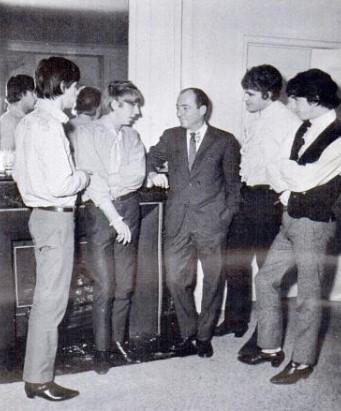
Six Songs, Three Tragedies: When Recording Ends in Death
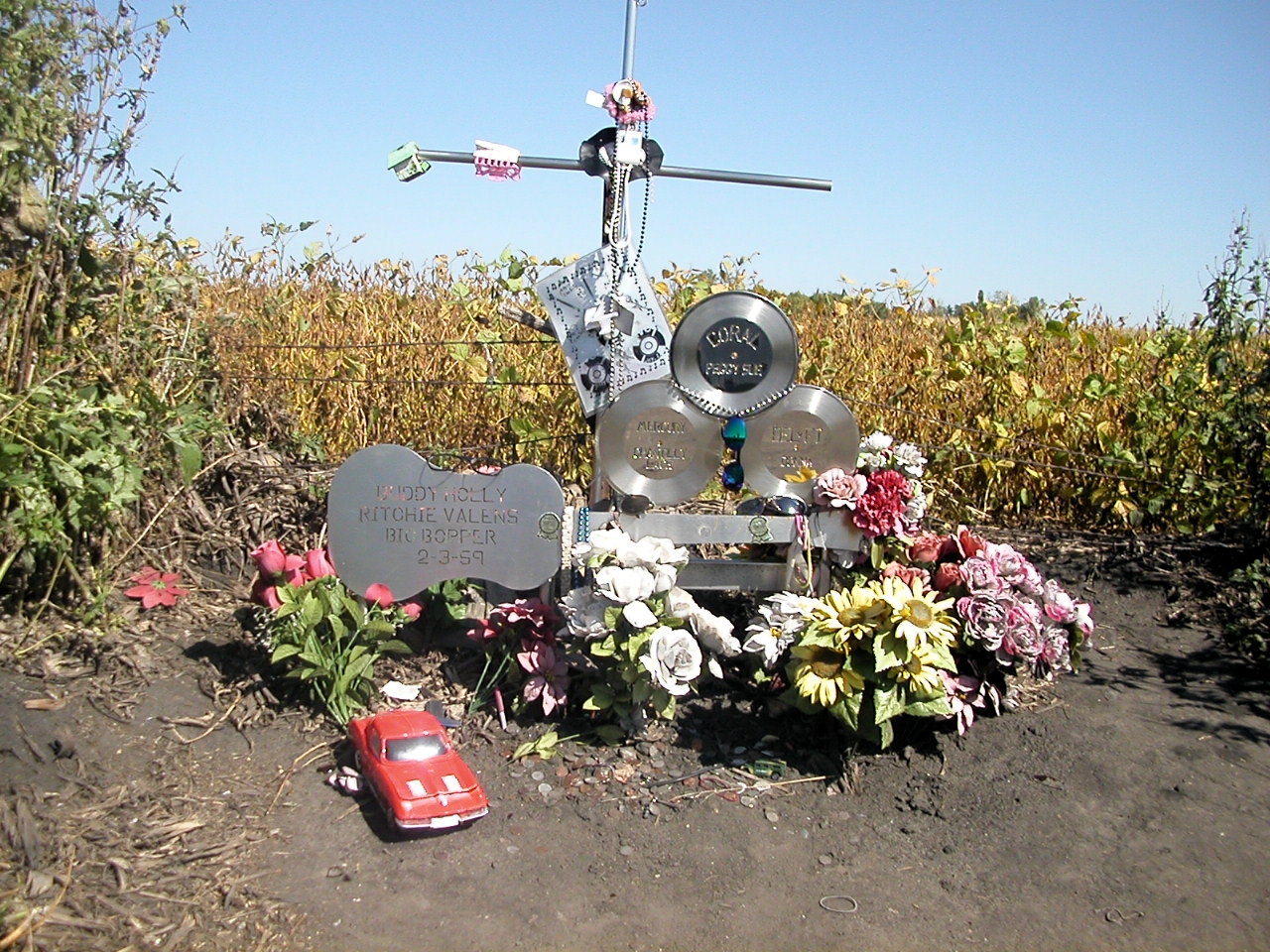
February 3, 1959, arrived with a biting chill in Clear Lake, Iowa. A Beechcraft Bonanza plane skidded across a frozen field, leaving twisted metal and a sudden, deafening silence in the rock and roll era. Buddy Holly, the boy from Lubbock with the heavy-rimmed glasses and the Fender Stratocaster, died alongside Ritchie Valens and The Big Bopper. This crash did more than end a tour; it froze a specific kind of innocence in mid-air. We often talk about artists who died recording, but the tragedy of Holly hits differently because his music was still actively expanding.
Norman Petty, the producer behind the Clovis, New Mexico, sessions, helped Holly craft a sound that felt both primitive and polished. They recorded hits like "It's So Fine" using simple, effective arrangements that relied on rhythmic drive. That track appears on the 1959 album The Buddy Holly Story, released by Coral Records, and it carries a bright, bouncy energy that feels cruel when you know the date of the crash. The drums hit with a crisp, dry snap, and the vocal delivery remains conversational and warm.
Holly spent his final months pushing against the studio walls. He moved from the controlled environments of Clovis to the Pythian Temple in New York City to find new textures. He wanted more complex arrangements, more layers, and more of the experimental spirit that would eventually define the 1960s. The plane crash did not just take a singer; it took the architect of a new pop language before he could finish the blueprints.
The music from those late sessions feels frantic. A nervous energy lives in the percussion, a sense of a man running toward a future he would never inhabit. You can hear it in the way the guitar chords ring out, slightly more aggressive than his earlier, sweeter takes. It is a heavy thought to hold while listening to the upbeat tempo of his final studio outputs.
The Icy Plains of Clear Lake and the Loss of Buddy Holly
Iowa snow covered the wreckage of the Beechcraft on that fateful night in 1959. The band traveled toward Moorish, Minnesota, for a scheduled performance when the crash occurred. This was not some distant, historical event; it was a sudden rupture in the lives of fans who had just heard him on the radio. The news traveled through small towns like a physical blow, turning a night of celebration into one of mourning.
Buddy Holly's studio work often relied on the chemistry between him and his band, The Crickets. They utilized a stripped-down setup that emphasized the rhythm section's interplay. When you listen to his recordings, the upright bass provides a steady, thumping heartbeat that anchors the melody. This sound feels grounded, making the suddenness of the Iowa crash even more jarring to the primacy of the listener.
The loss of Holly left a vacuum in the American songbook. Musicians like Bob Dylan and The Beatles would later cite his structural innovations as foundational. He understood how to use a studio to create depth without needing an orchestra. His tracks used space as an instrument, allowing the silence between notes to carry as much weight as the notes themselves.
Looking back at the Coral Records catalog, you see a man at the height of his powers. The production remains clean, avoiding the muddy reverb that would later plague much of the early rock era. Every instrument occupies its own distinct frequency. It is a masterclass in economical songwriting that makes the tragedy of his death feel like a theft of potential.
The Soul of Stax and the Georgia Crash
December 10, 1967, changed the trajectory of Southern soul forever. A small plane descended near Madison, Georgia, carrying Otis Redding, the King of Soul, and his musicians. They flew from Cleveland, Ohio, back toward Lakeland, Florida, after a grueling string of shows. The impact killed Redding and several others, instantly silencing the most potent voice in Memphis.

Redding was the heartbeat of Stax Studios. He worked alongside legends like producer Steve Cropper and arranger Isaac Hayes to build a sound that felt like grit and sweat. His 1965 album Otis Blue/Otis Redding stands as a monument to this era. On the track "Respect," the brass section hits with a sharp, percussive bite that demands your attention. You can hear the tension in the horns, a way of punctuating the rhythmic drive of the rhythm section.
The production at Stax relied on a tight, unified group of musicians who played with an almost telepathic connection. When Redding sang, the band moved with him, creating a wall of sound that felt organic rather than manufactured. The drums in his tracks possess a heavy, thudding quality that sits right in the chest. It is a physical sensation, a rhythm that compels you to move before you even process the lyrics.
"Respect, find enough, what you got, boy."
The death of Redding robbed soul music of its most charismatic frontman at a time when the genre was expanding. While the Stax sound continued, the loss of his specific, emotive phrasing left a gap that no one else could fill. His vocals had a way of cracking at the edges, a vulnerability that contrasted with the immense power of his belt. This duality made his recordings feel deeply human.
The Georgia crash remains a dark chapter in the history of the Memphis sound. It stripped the genre of its most visible icon during a period of intense cultural shift. When you play "Respect" today, the energy is still there, but there is a sense of what might have been. The music survives, but the man behind the microphone is gone.
The Ghostly Echoes of Muscle Shoals
Muscle Shoals, Alabama, holds a specific kind of magic in the American ear. The rhythm comes from the swampy, humid air of the Tennessee Valley. During the late 1960s, Muscle Shoals Sound Studio became a sanctuary for artists seeking a raw, unpretentious truth. But this era also saw the loss of vital contributors, including the death of session players like Selwyn Pratinberg, whose presence helped define the era's groove.
The musicians at Muscle Shoals played with a loose, swinging precision. They did not just follow a chart; they felt the pocket. This period saw the rise of a sound that relied on the interaction between the bass and the kick drum. The low end often felt thick and syruped, much like the river running through the town. It was a heavy, soulful foundation that supported the more melodic elements of the recordings.
Motown also provided a different kind of precision during this same era. The Miracles released "The Tracks of My Tears" in 1965 on the Tamla label, a track that highlights the polished, shimmering production of Smokey Robinson. The song features a delicate balance of melancholy and melody, with percussion that glints like light on water. The arrangement is tight, every instrument placed with surgical intent to support the emotional weight of the lyrics.
The loss of session engineers and players in the late 60s changed the texture of these studios. When an engineer dies, a specific way of capturing sound dies with them. They knew exactly how to mic a drum kit to get that particular "dead" 1960s sound. They knew how to use the room's natural reverb to create depth. Without them, the technical DNA of the genre began to shift toward more processed, less organic approaches.
Listening to these classic recordings now feels like visiting a graveyard of great talent. You hear the ghosts of the musicians who died far too young. The tracks are beautiful, but they carry a weight of absence. Every time a bass line hits that perfect, syncopated note, you realize the person who played it is no longer here to play it again.
Southern Rock and the Capricorn Studio Tragedy
Macon, Georgia, became the epicenter of a new, louder movement in the early 1970s. Capricorn Studios housed the burgeoning Southern Rock scene, a sound characterized by dual lead guitars and boogie-woogie piano. This era brought a massive influx of talent to the region, but it also brought unexpected tragedy. The 1971 period saw the loss of various session players during the recording of albums that defined the Southern Rock era.
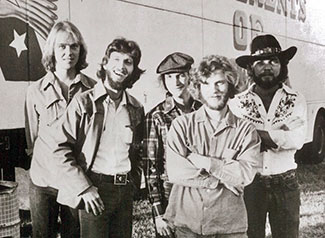
The sound of Capricorn was thick and layered. It featured guitars that growled with a distorted, swampy texture, often utilizing Gibson Les Pauls through cranked Marshall amps. The interplay between the guitars created a dense, melodic weave that was both aggressive and soulful. It was a sound that demanded high volume and high energy, a sonic assault that felt like a deep summer thunderstorm.
Recording at Capricorn felt like being part of a movement. The studio was a hub where the edges of blues, rock, and country blurred into something entirely new. The drums were loud and prominent, driving the tracks forward with a relentless, driving force. You could hear the physical effort in the playing, the sheer muscularity of the percussion that defined the era's rhythmic identity.
When session players died during these high-intensity sessions, the energy of the studio changed. The loss of a drummer or a bassist during a period of such rapid growth felt like losing a limb from the genre. The remaining musicians had to carry the weight of the fallen. The music became more reflective, perhaps even more desperate, as it tried to preserve the legacy of those who were gone.
The tragedy of the 1971 sessions remains a localized but profound wound in the history of Southern Rock. It reminds us that the music we celebrate is often built on the much more fragile lives of the people who made it. The grit and the glory of Capricorn were inseparable from the loss that occurred within its walls.
The Weight of the Final Take
Studio death is a specific kind of horror for those left behind. It turns a place of creation into a place of mourning. Whether it is the 1970 death of session players at legendary studios like Abbey Road or the loss of musicians during specific tracking sessions at Sound City, the impact is permanent. The air in the control room changes. The producer looks at the same waveform and sees a ghost.
Aimee Mann's work with Jon Brion and the Friends in the mid-90s provides a contrast to these eras of sudden loss. Her music often explores themes of melancholy and introspection, using sophisticated arrangements that feel meticulously constructed. Brion's production style uses textures that are layered and complex, much like the work of the 1960s masters. It is a cerebral kind of music, but it still relies on the fundamental truth of the performance.
The technical side of the studio is where the loss is most palpable. An engineer knows how to manipulate a compressor to make a vocal sit perfectly in the mix. They know how to use a plate reverb to create an ethereal atmosphere. When these specialists die, the technical lineage of the studio is broken. The "sound" of a studio like Abbey Road or Muscle Shoals is not just about the gear; it is about the hands on the faders.
We listen to these songs and we hear the triumphs. We hear the "Respect" that Otis Redding demanded. We hear the "Tracks of My Tears" that Smokey Robinson sang about. We hear the rock and roll joy of Buddy Holly. We rarely think about the silence that follows the final note of a life cut short. But that silence is part of the music, too.
The tragedy of artists who died recording or during their prime is that their work becomes a monument. Every time a needle drops on a Buddy Holly record, the tragedy is re-enacted. The music is both a celebration and a reminder of a sudden, violent end. We keep playing the records because the music is too good to let it fade, even if the cost was far too high.