The Beatles, Aleister Crowley, and the Sgt Pepper Cover
London streets smelled of diesel fumes and expensive patchouli in the spring of 1967. Carnaby Street buzzed with a frantic, colorful energy. Pedestrians moved through a city caught between the stiff grey shadows of post-war austerity and a neon-soaked psychedelic future. This era birthed the Summer of Love, a period where the social fabric of England began to fray and reweave itself. Young people flocked to underground clubs to hear sounds that mirrored their expanding consciousness.
The Beatles occupied the absolute center of this shifting vortex. They were no longer the clean-cut mop-top boys from the Cavern Club in Liverpool. By 1967, they had retreated from the stage to the studio, trading touring vans for experimental equipment. This retreat allowed them to craft a sonic identity that matched the psychedelic culture of London. They sought out the strange, the esoteric, and the chemically altered. They wanted to move beyond the three-minute pop song into something much more substantial.
Everything changed with the arrival of their latest concept. The band stopped writing simple love songs for the masses. They began constructing entire worlds within the grooves of a vinyl disc. This shift required a visual language that could communicate their new, complex reality. They needed an image that stood for the occult and the avant-garde as much as it did for pop music. This tension between the mainstream and the subversive defines the era of The Beatles Aleister Crowley Sgt Pepper.
The occult imagery of the time felt less like a threat and more like an invitation. Traditional Christian values faced a direct challenge from Eastern mysticism and psychedelic exploration. The Beatles tapped into this specific cultural hunger for the unknown. They weren't just making an album; they were building a shrine to a new way of seeing. Every detail of the project, from the studio tracks to the sleeve, aimed to disrupt the status quo.
The Collage of Peter Blake and Jann Haworth
Peter Blake sat in his studio surrounded by scraps of history and art. He worked alongside Jann Haworth to construct a visual masterpiece that defied the standard portraiture of the 1960s. They did not simply take a photograph of the band. Instead, they built a dense, layered collage using a mix of life-sized cardboard cutouts and photographic reproductions. The finished product for the 1967 Parlophone release looked like a crowded, surrealist parade. It was a physical manifestation of the band's cluttered, brilliant minds.
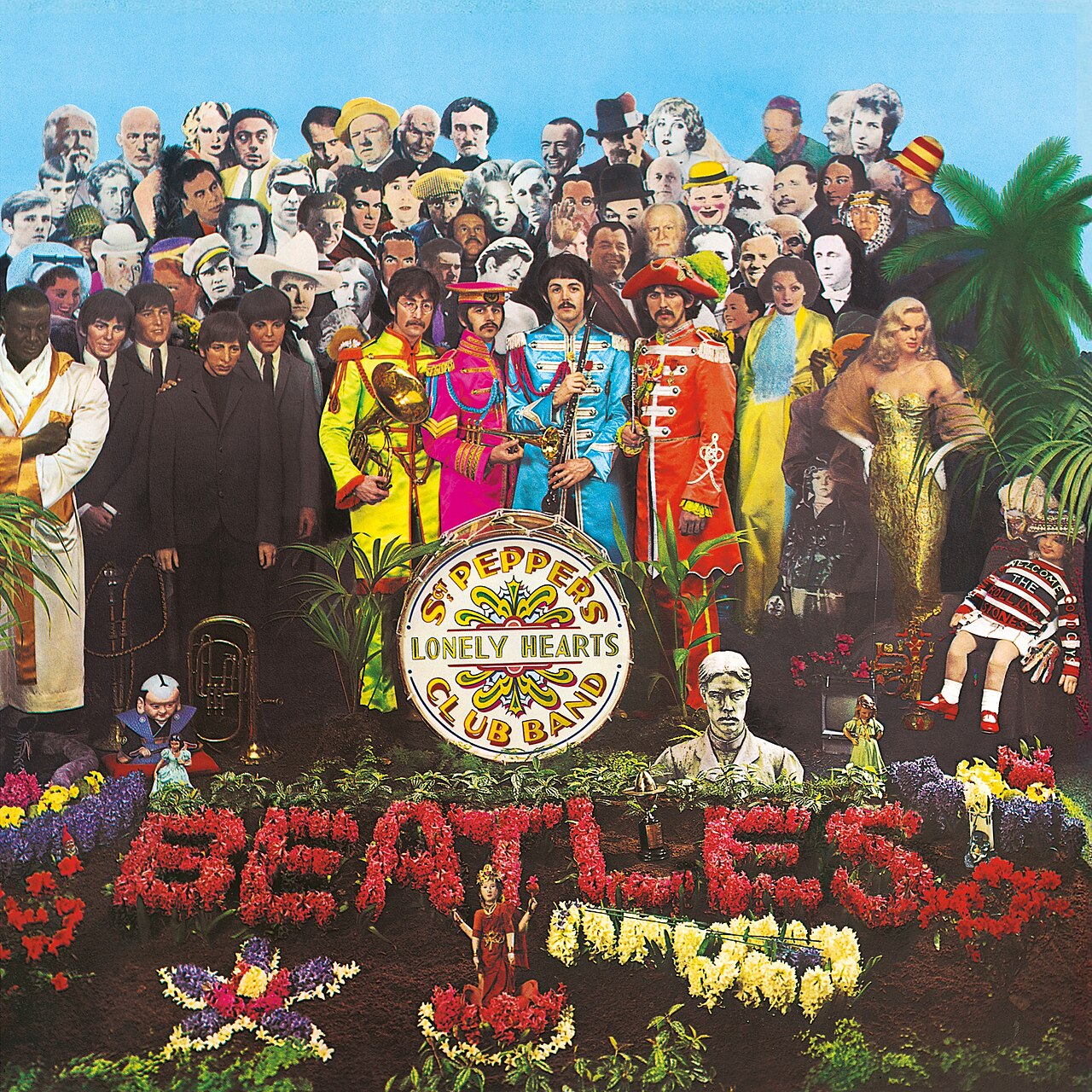
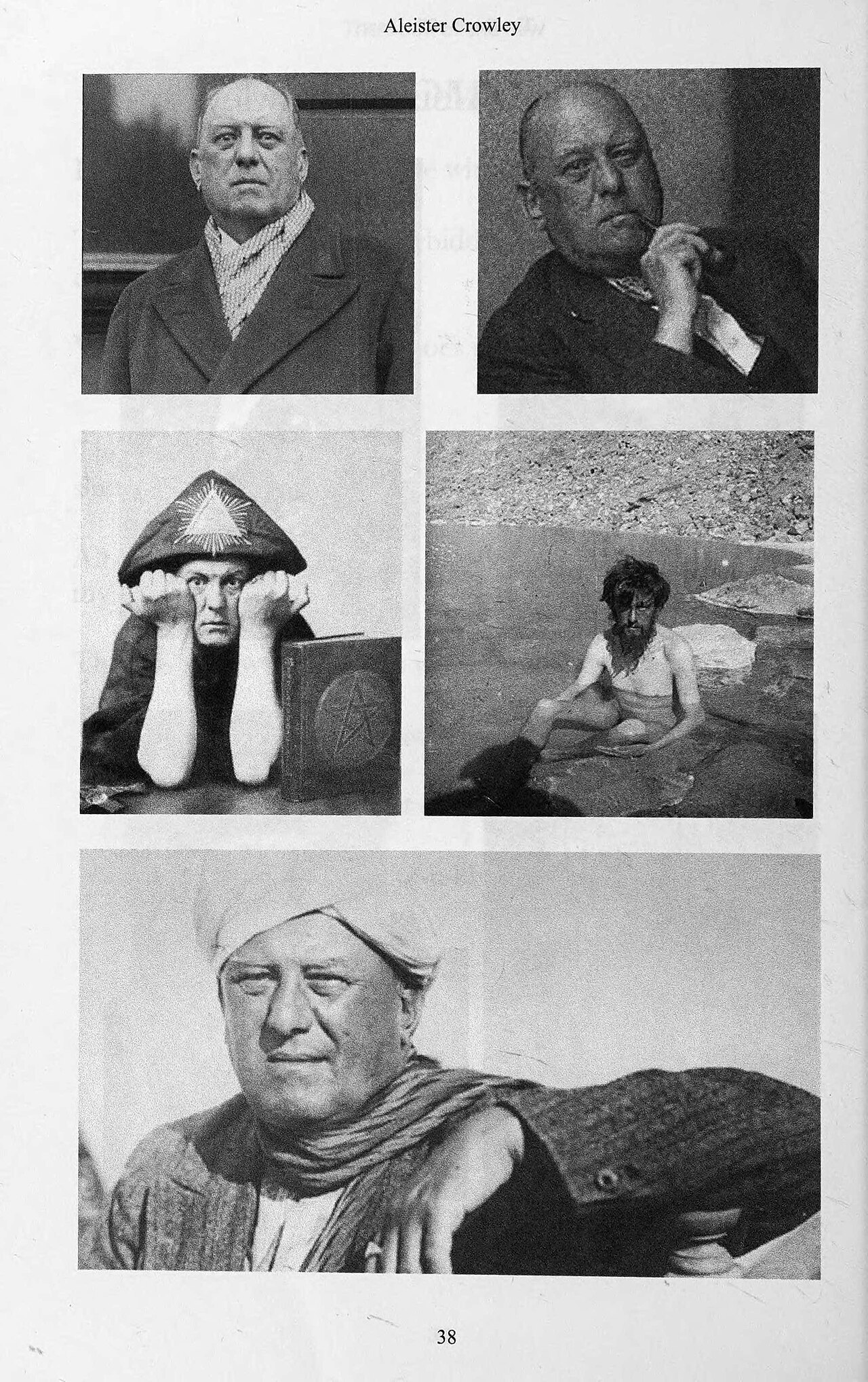
The sleeve features approximately 70 different figures arranged in a chaotic yet deliberate formation. You might spot Marilyn Monroe or Bob Dylan peering through the crowd. More strangely, the occultist Aleister Crowley sits prominently in the center-left of the frame. His presence adds a layer of heavy, esoteric weight to the otherwise bright, colorful display. The artists placed these figures to create a sense of a unified, albeit fractured, global consciousness.
Haworth and Blake utilized textures that felt tactile and real. The cardboard cutouts gave the figures a certain physical presence, almost like ghosts standing in the studio. This depth made the cover feel like a window into another dimension rather than a flat piece of paper. It forced the listener to linger on the sleeve, studying every face and every detail. This level of engagement was unheard of for a pop record in 1967. Most covers were mere marketing tools, but this was a piece of fine art.
The sheer density of the artwork mirrors the density of the music itself. Just as George Martin layered instruments in the studio, Blake and Haworth layered icons on the sleeve. You cannot digest the cover in a single glance. You have to hunt for the hidden meanings and the unexpected guests. This visual complexity prepared the listener for the sonic complexity of the tracks inside. It told the audience that what they were about to hear would require their full, undivided attention.
A Deliberate Provocation by Paul McCartney
Paul McCartney knew exactly what he was doing when he pushed for the inclusion of Crowley. He understood the power of a scandal to ignite the global press. In a 1988 interview with The Making of Sgt.
Pepper, McCartney explicitly stated that the inclusion of Crowley was a deliberate, provocative choice by the band. They wanted to stir the pot. They wanted to see how much the establishment would tolerate before they pushed back. The band was testing the limits of their own celebrity.
Including a figure associated with the dark arts was a calculated move. The Beatles were already under scrutiny for their drug use and their changing attitudes toward authority. Adding an occultist to their visual identity solidified their status as the leaders of the counterculture. It was a middle finger to the polite, conservative society of the Pan-European tradition. They were no longer the boys next door; they were the architects of a new, potentially dangerous, reality.
The band members often discussed how they wanted to challenge the listener's perceptions. John Lennon's interest in Eastern mysticism and unconventional philosophies played a massive role in this. His fascination with the deeper, often darker, aspects of human consciousness mirrored the esoteric themes found in the Sgt.
Pepper era. He wasn't afraid of the shadows. He wanted to bring those shadows into the light of the pop charts. This curiosity drove the band toward much more experimental territory than their earlier work allowed.
This provocateur spirit is evident in the very structure of the songs. "Revolution," though released in 1968, carries the DNA of this 1967 defiance. The band was constantly looking for ways to disrupt the listener's expectations. They used dissonance, sudden tempo shifts, and strange instrumentation to keep the audience off balance. McCartney's leadership in this area ensured that the album felt like an event. It wasn't just a collection of songs; it was a manifesto for a new era of musical freedom.
"I was always interested in the idea of the band being a character, something separate from ourselves."
This idea of the "Sgt. Pepper" persona allowed the band to experiment with different identities. They could be anything they wanted within the confines of this colorful, crowded sleeve. The persona acted as a fundamental shield, protecting the core members while they explored much more radical ideas. It allowed them to inhabit a world where the rules of 1960s pop no longer applied. They were playing a role, but the impact of that role was entirely real and incredibly potent.
Engineering the Psychedelic Sound at Abbey Road
Abbey Road Studios, then known as EMI Studios, became a laboratory for sonic experimentation between November 1966 and April 1967. Under the supervision of producer George Martin, the studio transformed into a space for intense, technical discovery. The band worked tirelessly to push the limits of what could be captured on tape. They weren't just recording songs; they were sculpting sound. This required a level of precision and technical skill that few other groups possessed at the time.
The engineers, led by the brilliant Geoff Emerick, utilized advanced multi-track recording techniques on 4-track Studer machines. They didn't have the luxury of modern digital editing. Instead, they relied on manual tape loops and complex bouncing processes to create dense, layered textures. They would record a part, bounce it down to a single track, and then free up space for more layers. This process created a thick, saturated sound that defined the psychedelic era. The music felt heavy, almost physical, in its complexity.
The sonic palette of the album is incredibly wide. You hear instruments that shouldn't belong in a pop song, like the swirling sitar on "Within You Without You" or the brassy, aggressive flourishes in "Sgt. Pepper's Lonely Hearts Club Band." The drums often hit with a punchy, dry clarity, while the bass lines sit low and provide a steady, driving foundation. The guitars frequently buzz like a hornet trapped in a tin can, adding a layer of nervous energy to the more melodic passages. Every sound occupied a specific place within the stereo field.
Emerick's approach to microphone placement changed the way the band sounded. He moved microphones closer to the drums and the bass to capture a more intimate, aggressive tone. This helped the music cut through the dense arrangements. The result was a record that sounded massive even on the modest radio speakers of the era. The layers of sound didn't just sit on top of each other; they integrated into a singular, overwhelming experience. It was a triumph of engineering as much as it was a triumph of songwriting.
The studio itself became an instrument. The band used the physical properties of the room, the tape machines, and the outboard gear to create effects. They manipulated tape speeds to change the pitch and character of certain sounds. They used heavy compression to make the drums feel like a fist to the chest. This technical audacity is what makes the album feel so much more advanced than its contemporaries. It was a record made by people who understood the machine as well as the melody.
The Plaza Hotel and the End of Innocence
New York City provided the stage for one of the most significant moments in the band's history. At a 1966 press conference held at the Plaza Hotel, the Beatles faced a room of hungry journalists. The atmosphere was tense and highly charged. This was the moment where the group openly discussed their use of LSD. The global media, already watching them with intense scrutiny, was primed to see them as subversive. This event signaled the end of the "mop-top" era and the beginning of something much more complex.
The press conference acted as a catalyst for the band's shift in public perception. They were no longer just entertainers; they were cultural icons involved in the most controversial debates of the day. The discussion of drugs and altered states of consciousness made them targets for the conservative press. It also solidified their bond with the burgeoning counterculture. They were speaking the language of the youth, a language that the older generation found deeply unsettling. This moment broke the illusion of the innocent pop group forever.
The fallout from the Plaza Hotel event was immediate and widespread. The media began to frame the Beatles as a symbol of social decay. This narrative, while largely exaggerated, provided the perfect tension for the release of Sargo Pepper. The album arrived in a world that was already looking at the band with suspicion. This made the album's experimentalism feel even more radical. The band wasn't just releasing music; they were responding to the very controversy they had helped create.
This loss of innocence was necessary for the creative leap they were about to take. Without the collapse of their public image, they might have remained tethered to the expectations of the mainstream. The controversy gave them the permission to disappear into the studio and rebuild themselves. They used the backlash as a creative engine. The tension between their former fame and their new, mysterious identity provided the friction needed to spark something truly original. They embraced the role of the provocateur.
The shift in their music mirrored this shift in their persona. The songs became more introspective, more layered, and more challenging. They moved away from the direct, upbeat energy of "She Loves You" toward the psychedelic dreamscapes of "Lucy in the Sky with Diamonds." The Plaza Hotel moment was the breaking point. It was the moment the band decided that the old rules no longer applied to them. They were prepared to face the consequences of their new direction, no matter how much the world pushed back.
Why the Occult Went Unnoticed in the Charts
The UK singles chart told a different story than the underground press. In 1967, the album reached number one and remained on the charts for an incredible 80 weeks. This level of commercial dominance is almost unheard of for an album so experimental. The mainstream audience embraced the record with a fervor that bypassed the deeper, darker meanings of the artwork. For the casual listener, the album was a colorful, catchy, and exciting experience. They weren't looking for Aleister Crowley; they were looking for a new sound.
The sheer popularity of the band acted as a buffer against the more controversial elements of the project. The Beatles were too big to be canceled by a single image or a controversial association. Their musicality was too strong to be dismissed as mere drug-fueled nonsense. The hooks were still there, hidden beneath the layers of psychedelic production. Even as the music became more complex, the fundamental quality of the songwriting remained accessible. People bought the album because it sounded like the future, not because they wanted to study the occult.
The "Summer of Love" provided a sense of cultural permission. The rise of psychedelic culture in London made strange, esoteric imagery feel much more aligned with the avant-garde than with traditional Christian values. The public was already primed to accept a certain level of weirdness. The occult elements felt like part of the larger, colorful movement that was sweeping through the city. It was part of the aesthetic of the era, a piece of the larger, psychedelic puzzle. The shock value was absorbed by the sheer scale of the cultural shift.
The album's massive success actually helped to obscure its more subversive themes. When a record plays in every shop and on every radio station, its most radical parts can become part of the background noise. The "Sgt. Pepper" persona became a global phenomenon, a brand that everyone recognized. The specific details, like the presence of Crowley, became trivia rather than points of intense debate. The band had successfully integrated the radical into the mainstream, making the subversive feel part of the pop canon.
The Beatles mastered the art of the Trojan Horse. They delivered a deeply experimental, even slightly dangerous, piece of art inside a package that was commercially irresistible. They used the tools of pop music to deliver a message that was anything but simple.
This ability to maintain the mainstream while pushing the boundaries of the underground is what makes the Sgt. Pepper era so unique. They changed the rules of the game without ever losing the audience. They made the strange feel essential.
The legacy of this moment remains in the DNA of modern music. The idea that an album can be both a commercial juggernaut and a piece of challenging, avant-garde art was proven here. The Beatles showed that you could embrace the darkness, the weird, and the controversial while still capturing the hearts of millions. They didn't just make a great record; they changed what a pop group could be. They turned the studio into a temple and the charts into a playground for the imagination.