The Day The Beatles Accidentally Invented a Conspiracy
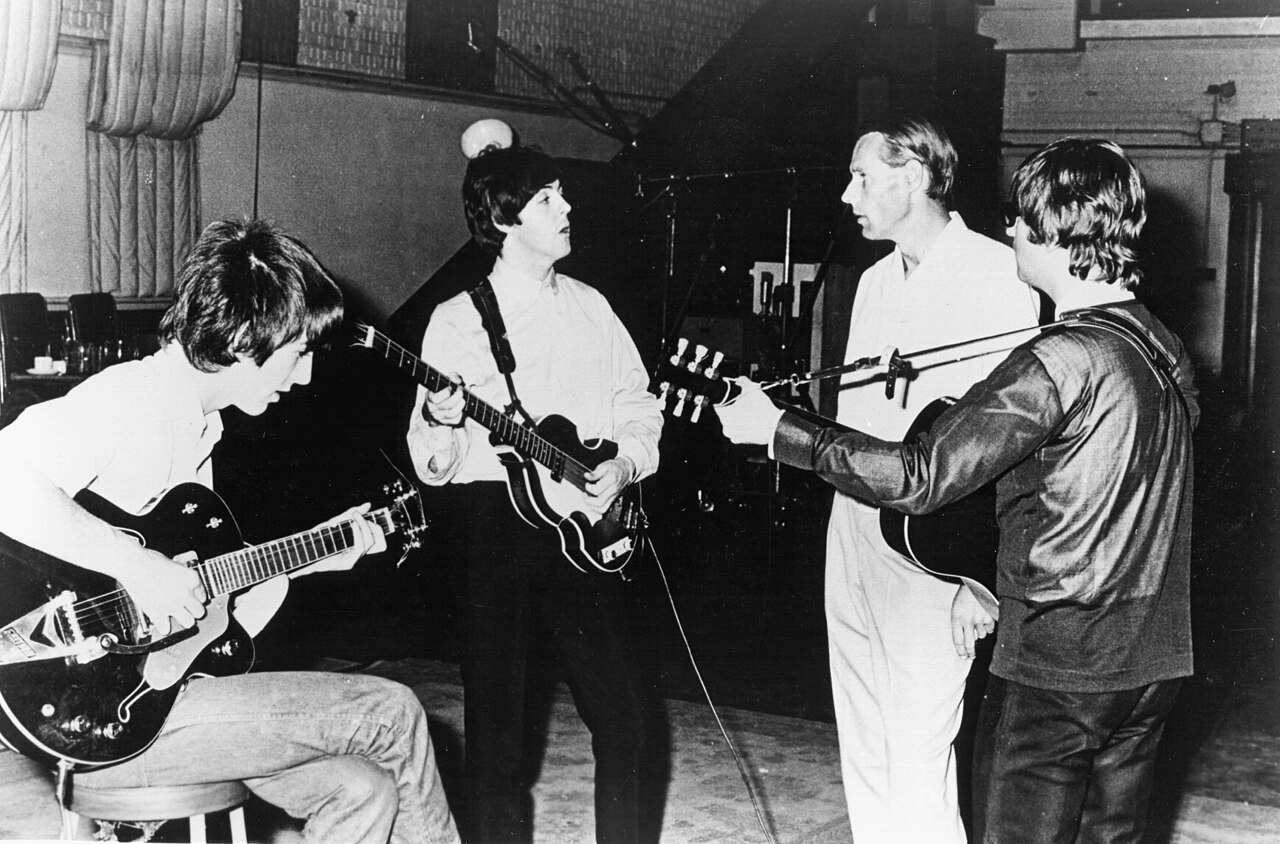
Abbey Road Studios smelled of stale tea and heated vacuum tubes in late 1966. John Lennon, Paul McCartney, George Harrison, and Ringo Starr sat surrounded by piles of magnetic tape and heavy oscillating machinery. They did not try to hide secrets from the public. They simply tried to see how far they could push the limits of four-track recording. The result was a sonic mess that sounded like a dream, yet it provided the technical foundation for the Paul is Dead conspiracy.
Engineer Geoff Emerick worked long nights to manipulate the physical properties of the tape. He used the REDD.51 mixing console to push signals into the red, creating a natural saturation that blurred the lines between instruments. The band used heavy compression to flatten the dynamics of Ringo's drums, often utilizing the Fairchild 660 limiter to achieve a dense, pumping effect. They ran instruments through reverse tape loops to create textures that felt alien. These technical experiments created a sense of disorientation for anyone listening on a standard transistor radio. The sound did not just sit in the speakers; it seemed to swirl around the listener's head in ways that felt intentional and coded.
The track "Strawberry Fields Forever" serves as the primary culprit in this era of studio experimentation. Recorded between late 1966 and early 19sd1967, the song uses two different takes spliced together. One take featured a light, bouncy arrangement with a Mellotron playing flute sounds. The Beatles used a heavier, more dissonant orchestral version featuring cellos and brass for the other. This sudden shift in tempo and tone unsettled the listener. It created a feeling that the song itself was hiding something beneath its surface.
Listeners heard fragments of sound that did not belong to the melody. They heard the hiss of the 4-track Ampex tape and the mechanical clicks of the studio equipment. These artifacts became the first clues for those looking for meaning. To a paranoid ear, a reverse loop is not just a production trick. The way the frequencies shifted suggested a message meant to be decoded if you only played the record backward.
The Visual Clues of Sgt. Pepper
Iain Macmillan snapped a single photograph at Abbey Road in 1967. This image would become the most scrutinized piece of paper in rock history. The cover of Sgt. Pepper's Lonely Hearts Club Band features a crowded, psychedelic collage of historical figures and props. It looks like a chaotic celebration of art. Theorists saw a meticulously planned funeral arrangement.
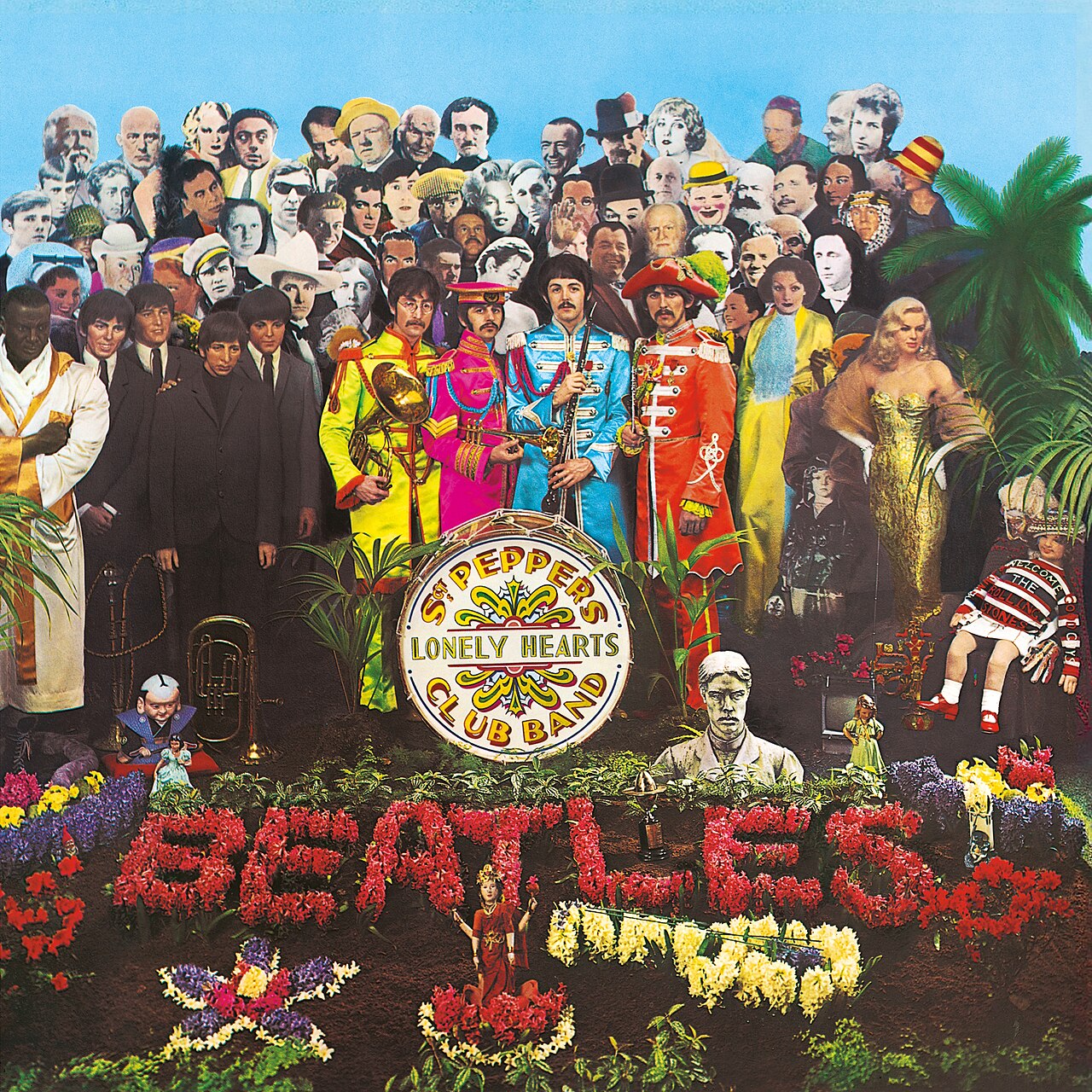
The colors on the cover provided plenty of ammunition for the obsessed. Paul McCartney wears a bright, white suit in several shots. In the language of death, white often symbolizes a shroud.
Fans pointed to the presence of various historical figures surrounding the band. They mapped these figures to specific dates and symbolic meanings. They claimed the entire arrangement functioned as a map of a tragedy. This madness took root as the 1967 summer of love began to shift into something more cynical and heavy.
Paul McCartney's bass playing added another layer of perceived mystery. He played his Rickenbacker 4001 with a melodic, prominent tone that cut through the dense orchestration. This bass line did not just follow the root notes. It wandered through the mix with a wandering, inquisitive energy. Some theorists claimed these specific notes were clues left within the mix to signal a departure. They believed the very frequency of his playing carried a subtextual warning.
George Martin brought an avant-garde sensibility to the arrangements. He utilized orchestral techniques that felt far removed from the Merseybeat era. On the track "All You Need Is Love," the brass and strings swell with an almost overwhelming intensity. This complexity made the music feel like a puzzle. If the music was this dense, people reasoned, the meaning must be even deeper. The sheer density of the production left no room for the listener to feel safe in their understanding.
"All you need is love, all you need is love, all you need is love, love, love."
The 1967 single "All You Need Is Love" broadcast live to millions during the Our World satellite event. The sheer scale of the broadcast made the band feel larger than life. It also made any perceived error or malfunction feel like a global event. The massive orchestral layers provided a thick curtain of and sound. A conspiracy could easily hide behind that curtain. The world was watching, and the world was looking for cracks in the perfection.
Backwards Speech and Revolution 9
November 9, 1969, brought a different kind of chaos to the airwaves. The White Album arrived with a track called "Revolution 9" that defied all musical logic. It featured nothing but avant-garde tape loops and distorted vocal fragments. There was no melody to cling to. There was no rhythm to follow. The track sounded like a studio being dismantled in real time.
Capitol Records released "Revolution 9" as a B-side, providing a playground for the obsessed. The song's structure allowed fans to use backmasking techniques to hunt for hidden phrases. They would play the record in reverse, searching for a death announcement. They found what they thought were fragments of English text. One phrase emerged with terrifying clarity for the superstitious: "turn me on, great even." It was nonsense, but in the context of a dying era, nonsense felt like prophecy.
The technical evidence felt heavy to the massive audience. The loops of sound included distorted voices and sudden, jarring noises. These sounds functioned like a Rorschach test for the paranoid.
If you heard a message, you believed you had found it. The sheer randomness of the track actually worked against the band's reputation for precision. It allowed the public to project their own fears onto the noise. The noise became a canvas for the anxiety of the late sixties.
The sound of "Revolution 9" hits like a sudden migraine. It is a cacophony of radio snippets and screaming. It does not invite the listener in; it pushes them away. This rejection of traditional songwriting made the band seem untrustworthy. It felt as though they were speaking in a language that required a decoder ring. The music had become a labyrinth with no exit.
The White Album and Coded Messages
The 1968 release of the White Album offered a new set of symbols. "Blackbird" sits quietly on the tracklist with its stark, acoustic arrangement. Paul McCartney plays a fingerpicking pattern on an acoustic guitar that feels intimate and lonely. The lyrics speak of a bird that has learned to fly. To most, it is a beautiful song about civil rights. To the conspiracy theorists, it was a coded message about a replacement.
Fans scrutinized every lyric for signs of a substitute. They looked at the way the song was even structured and the way the guitar notes fell. They claimed the song was a blueprint for how the band would continue without McCartney. This required a level of dedication that bordered on the religious. They analyzed the silence between the notes as much as the notes themselves. Every pause was treated as a deliberate omission.
The sheer volume of material on the White Album made it impossible to ignore any detail. With thirty tracks, the band provided enough surface area for a thousand different theories. Every song became a potential piece of evidence. Every production choice became a potential clue. The band had moved far beyond the simple pop structures of 1964. They were now architects of an increasingly confusing sonic architecture.
The acoustic guitar in "Blackbird" sounds like a solitary figure in a vast, empty room. It lacks the lushness of the Sgt. Pepper era.
This stripped-back approach felt like an admission of vulnerability. It gave the impression that the band's foundation was crumbling. For those already convinced of the Paul is Dead narrative, this was the smoking gun. The emptiness of the track suggested a void where a person used to be.
Fred LaBour and the Michigan Hoax
Late 1969 saw the birth of a legend in a college newspaper office. Fred LaBour, a student at the University of Michigan, sat down to write a satirical piece. He did not intend to start a global panic. He wanted to write a funny story about the rumors circulating in the underground press. He leaned into the absurdity, adding his own invented "clues" to the mix. He turned a whisper into a roar.

LaBour's article popularized the idea that the band left specific breadcrumbs. He claimed the clues were hidden in the Abbey Road album cover and various lyrics. His writing was sharp, funny, and entirely fabricated.
The mainstream press did not catch the sarcasm. They picked up the story and ran with it as if it were a true crime report. The satire became the reality for millions of downstream readers. The prank escaped the control of its creator.
The 1969 release of Abbey Road provided the final visual piece of the puzzle. The image of the band walking across the zebra crossing became an instant icon. Theorists analyzed the lineup with forensic intensity.
They noted that John Lennon walked barefoot, symbolizing a corpse. They pointed to the lack of a wedding ring on Paul's finger as proof of a new, secret life. They saw George Harrison as a priest and Ringo Starr as a man in a funeral procession. Every detail was a clue in a game they did not know they were playing.
The media frenzy transformed a joke into a cultural phenomenon. Local news stations reported on the "death" of a Beatle. Fans organized vigils and searched record stores for "clues." The momentum of the hoax became a runaway train. It was no longer about the music; it was about the hunt for the truth. The truth was buried under layers of sensationalist journalism.
John Lennon's Response to the Madness
John Lennon did not take the rumors quietly. He viewed the conspiracy as an insult to the band's intelligence. In a 1980 interview with Playboy magazine, he addressed the absurdity of the claims. He mocked the idea that the band would leave such obvious clues for the public. He found the notion that they would use their art to announce a death to be ridiculous. He was a man who lived his life in the spotlight and had no patience for shadows.
Lennon's frustration was evident in his tone. He laughed at the technicality of the "backwards" claims. He understood that the fans were looking for something that simply was not there.
He knew that the studio experiments were about sound, not secrets. His dismissal was a direct strike at the heart of the theorists' logic. He refused to play the game of hiding meanings in the tracks. He wanted the music to stand on its own merits.
The band was simply playing with new toys in a new studio. They were testing the limits of the REDD consoles and the Fairchild limiters. They were chasing a sound that had never existed before. There was no hidden agenda beyond the pursuit of sonic perfection. They were chasing the ghost of a perfect take, not the ghost of a dead bandmate.
The tragedy of the conspiracy is that it overshadowed the actual evolution of the music. People spent more time analyzing the color of a suit than the brilliance of a melody. They looked for death in the grooves of a record instead of celebrating the life within the songs. The Beatles had created something so complex that it invited scrutiny, but that scrutiny eventually turned into a delusion. The art was lost to the myth.
The Paul is Dead conspiracy remains a fascinating study in how media and paranoia intersect. It shows how easily a joke can become a fact in the eyes of a hungry public. We look back at the era and see a band at the height of their creative powers. They were pushing the limits of technology and art. They were not leaving clues; they were leaving legacies.