The Day the Stones Hired the Hells Angels
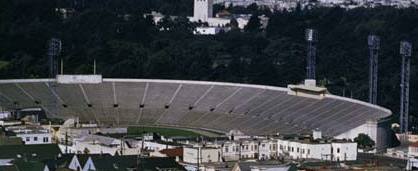
San Francisco air tasted like exhaust and cheap beer on December 5, 1972. Kezar Stadium sat under a heavy California sky, holding a crowd that pulsed with a nervous, electric heat. Thousands of fans packed the concrete stands, waiting for the Rolling Stones to descend from the stage. The low hum of idling motorcycles joined the distant roar of a restless crowd. This final stop of the Stones Touring Party felt less like a musical tour and more like a riot waiting for a reason to happen.
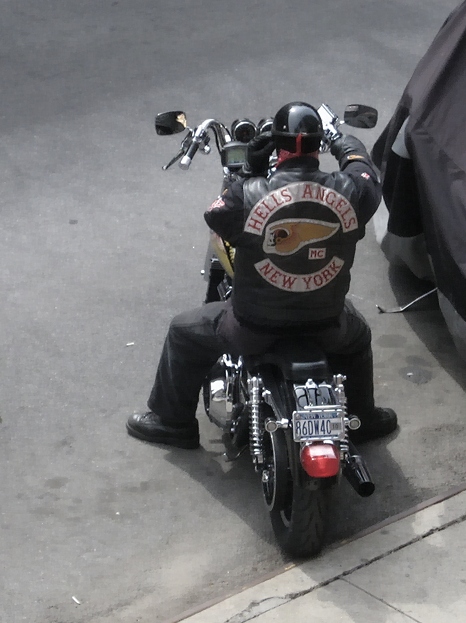
The Rolling Stones Hells Angels security arrangement turned a standard rock show into a powder keg. No professional firm or local police precinct stood between the band and the surging masses that night. Instead, leather-clad riders from the Hells Angels motorcycle club patrolled the perimeter and the backstage corridors. Their presence provided a visceral, intimidating edge that matched the gritty energy of the band. Many fans in the crowd viewed these men as part of the spectacle, but the line between security and instigator remained dangerously thin.
Keith Richards played his Fender Telecaster with a frantic, jagged precision that cut through the humid night. He stood alongside Mick Jagger and Charlie Watts, three pillars of rock royalty surrounded by chaos. The band rode high on the success of Exile on Main St., an album that embodied their decadent, drug-fueled lifestyle. Every note from the stage pushed the crowd closer to the edge of the stage. The music provided the fuel, while the heavy presence of the motorcycle club provided the spark.
San Francisco, December 5, 1972
Kezar Stadium offered a massive, hollow arena for the final showdown of the North American tour. The stadium sat in the heart of San Francisco, a city still reeling from the cultural shifts of the previous decade. On this December night, the atmosphere felt far removed from the peaceful hippie era. The crowd brought a massive sense of aggression that matched the distorted, blues-drenched riffs coming from the stage. People surged against the barricades, driven by a desperate need to touch the legends in the flesh.
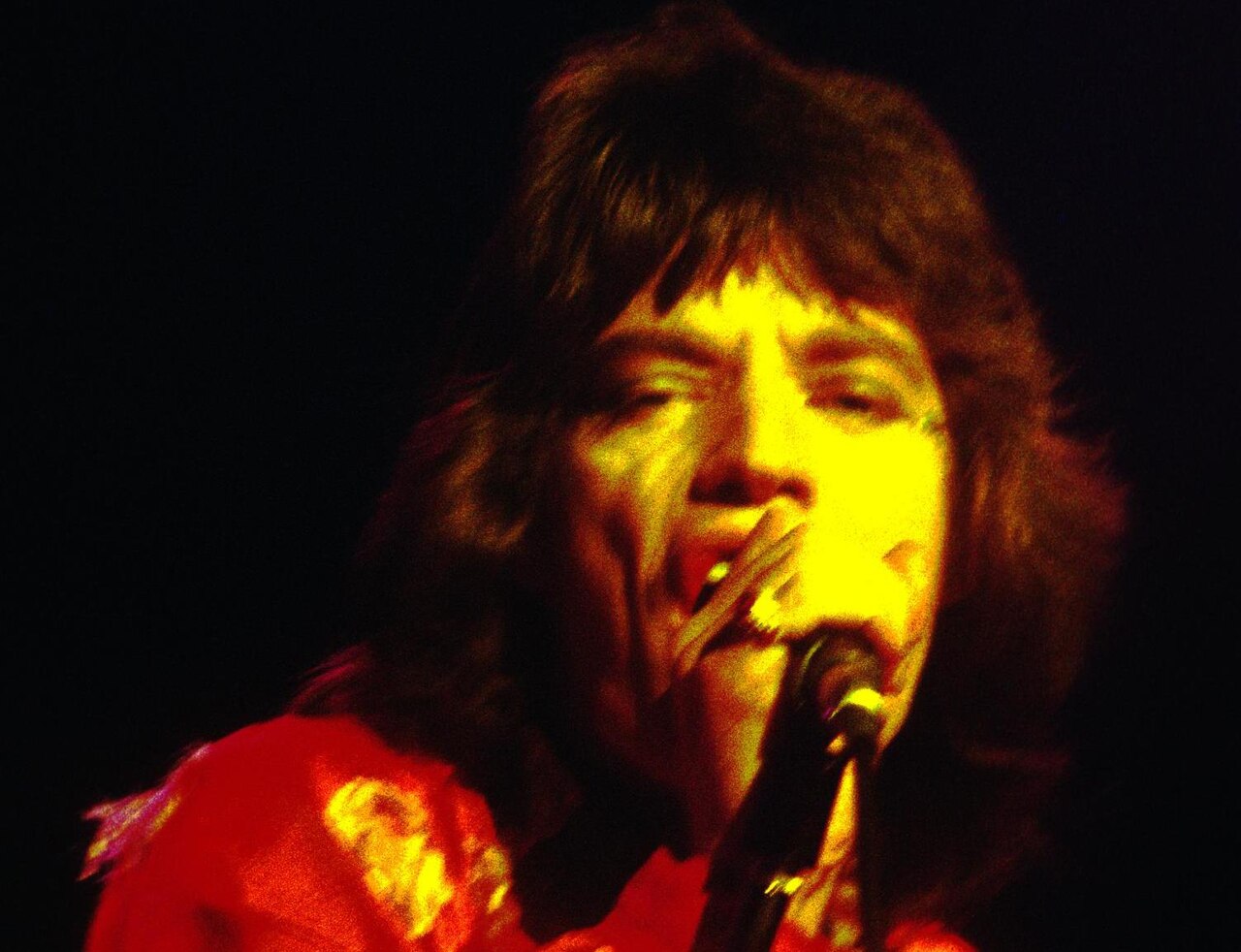
The band played with a ferocity that ignored the traditional boundaries of a stadium performance. Mick Jagger moved across the stage like a predator, his movements sharp and unpredictable. Behind him, Charlie Watts kept a steady, driving beat on his Ludwig kit, a rhythmic anchor in a sea of uncertainty. The setlist leaned heavily into the swagger of their recent output, delivering hits that demanded physical responses. Every time the band hit a crescendo, the crowd responded with a roar that echoed off the stadium walls.
Security personnel struggled to maintain a perimeter composed of people with much more muscle than typical concert guards. The Hells Angels moved through the crowd, their leather jackets gleaming under the harsh stage lights. They did not just watch the crowd; they inhabited it. This physical closeness created a feedback loop of adrenaline and aggression. The boundary between the performers and the audience dissolved into a singular, breathing mass of humanity.
The temperature dropped as the night progressed, but the heat inside the stadium only intensified. Fans clung to the railings, eyes fixed on the stage, oblivious to the shifting dynamics in the darker corners of the venue. The sheer scale of the event made the individual players feel small and vulnerable. Even the band members seemed caught in the momentum of the night. They no longer just played a show; they endured a storm of their own making.
The Chaos of the Stones Touring Party
The Stones Touring Party, or STP, represented the absolute peak of rock and roll excess. This tour followed the release of Exile on Main St. in May 1972, an album that altered the band's sonic identity. The music on that record felt muddy, swampy, and dangerous, much like the tour itself. Every city brought a new set of legends and a new set of potential disasters.
Ronnie Wood provided a sense of camaraderie as a member of the Faces, serving as a high-profile opening act. His presence linked the Stones to the burgeoning rock scene of the era, adding another layer of prestige to the lineup. The Faces brought a boozy, loose energy that complemented the Stones' heavy blues. Watching Wood perform before the main event set a high bar for the level of debauchery expected that night. The transition from the Faces to the Stones felt like moving from a barroom brawl to a full-scale war.
Keith Richards often looked back on these tour dates with a mixture of awe and exhaustion. He described the atmosphere as a constant struggle between the band's desire to perform and the overwhelming pressure of the environment. The management and the security detail existed in a state of permanent friction. The logistics of moving a massive production through North America while maintaining such a volatile edge were nearly impossible.
The tour functioned as a traveling circus of the counterculture. It moved through arenas and stadiums, leaving a trail of exhausted musicians and broken equipment in its wake. The sheer scale of the production required a level of organization that belied the apparent anarchy. Behind the scenes, the crew worked around the clock to keep the gears turning. They dealt with the fallout of late-night parties and the logistical nightmares of a band that refused to follow a schedule.
"I don't remember much of the chaos, but I remember the feeling of the music being the only thing that was real."
The music acted as the only stabilizing force in an otherwise disintegrating environment. When the band played, the chaos seemed to coalesce into something purposeful. The riffs provided a structure that the surrounding madness lacked. Even as the security situation deteriorated, the sonic output remained focused and intense. The songs acted as the heartbeat of the tour, keeping the entire production alive through the most turbulent nights.
Allen Klein and the ABKCO Strategy
Allen Klein ran the business side of the Rolling Stones with a ruthless, uncompromising hand. Through his company, ABKCO, he controlled the financial and logistical levers of the band's massive operation. Klein understood that the Stones' brand relied heavily on their reputation for danger and unpredictability. He did not seek to sanitize the image; he sought to monetize the mayhem. This approach required a management style that embraced risk as a fundamental component of the business model.
The decision to utilize the Hells Angels for security was not an accident of circumstance. Klein and his management team orchestrated this calculated move. They saw the value in a security detail that matched the band's aesthetic and intensity. A standard security firm would have looked out of place in the gritty world of the 1972 STP tour. The motorcycle club provided a level of intimidation that no uniformed guard could ever replicate.
Klein's strategy turned the tour into a cultural event that felt larger than life. By integrating the Hpers into the fabric of the show, he helped create a sense of genuine peril. This peril drove ticket sales and cemented the band's status as the most dangerous act in the world. The management understood that the fans were not just paying for music; they were paying for a brush with the edge. It was a high-stakes gamble that relied on the band's ability to survive their own legend.
The tension between the management's control and the security detail's autonomy created a constant undercurrent of instability. The crew had to navigate the whims of Klein's business logic and the unpredictable actions of the bikers. There was no middle ground in the ABKCO era. You were either part of the machine or you were in the way. This rigidity made the tour incredibly efficient in terms of profit but incredibly fragile in terms of safety.
The Night at Kezar Stadium
The performance of "Brown Sugar" acted as the catalyst for the evening's descent into violence. Mick Jagger stood at the front of the stage, his voice rasping through the heavy air. Keith Richards struck the opening chords, a jagged, rhythmic hook that signaled the peak of the set. The crowd surged forward, driven by the recognizable energy of one of their greatest anthems. At that precise moment, the fragile peace of the stadium shattered.
A member of the Hells Angels swung a knife into the chest of a concertgoer in the middle of the crowd. The movement was sudden, a flash of steel in the strobe-lit darkness. No one on stage saw the strike happen, but the reaction from the crowd was instantaneous. A wave of panic rippled through the front rows as screams replaced the music. The rhythm of the song continued, but the context had fundamentally shifted from celebration to survival.
The violence erupted amidst the very music that was supposed to unite the crowd. The Hells Angels security detail, tasked with maintaining order, became the primary agents of disorder. Their presence, which had previously felt like a part of the show, now felt like a threat. The physical space between the stage and the audience became a zone of active combat. Even as the band played through the confusion, the sense of safety had vanished entirely.
The stadium lights struggled to illuminate the chaos unfolding in the lower tiers. The sheer density of the crowd made it impossible for anyone to retreat effectively. People pushed against the barricades, trapped between the stage and the unfolding melee. The sound of the music competed with the sounds of scuffling feet and muffled cries. It was a moment of pure, unadulterated friction where the art and the reality of the tour collided with lethal force.
The Footage That Changed Rock History
Robert Frank captured the carnage on a handheld camera for the concert film Ladies and Gentlemen: The Rolling Stones. This footage, released decades later in 1991, provided the world with a direct view of the incident. The camera work is shaky and raw, mirroring the disorientation of the and crowd. There is no polished cinematography here, only the gritty reality of a night gone wrong. The footage does not flinch from the sight of the stabbing.
The visual evidence of the Hells Angels member attacking a fan remains one of the most controversial artifacts in rock documentary history. It stripped away the romanticism of the "bad boy" persona and replaced it with something much more grim. For years, the band's reputation relied on the idea of controlled rebellion. This footage suggested a lack of control that was far more unsettling. It forced a re-evaluation of the entire 1972 tour as a period of genuine, unmediated danger.
Viewers watching the film see the confusion on the faces of the crew and the band. The camera captures the way the light hits the metallic edge of the knife and the sudden, sharp movement of the attacker. It is a visceral experience that transcends the era in which it was recorded. The footage provides a permanent record of the moment the Stones' mythos became a reality. It is no longer an anecdote told in a biography; it is a documented fact.
The controversy surrounding the film helped shape the way later generations viewed the classic rock era. It challenged the nostalgia of the 1970s by showing the ugly side of the spectacle. The footage refuses to let the viewer settle into a comfortable narrative of rock and roll glory. It demands an acknowledgment of the human cost of the era's excess. The camera does not care about the legend; it only cares about the truth of the strike.
The Legacy of the STP Tour
The 1972 tour changed the trajectory of the Rolling Stones' public identity. They transitioned from being the leaders of a musical movement to being the survivors of a chaotic era. The incident at Kezar Stadium became a permanent part of their lore, a dark shadow that followed them into the more polished decades of the 1980s and beyond. They could never truly escape the memory of the Hells Angels and the blood spilled in San Francisco.
The Stones Touring Party remains the benchmark for rock and roll's most intense period. It set a standard for scale and intensity that few subsequent tours could ever hope to match. The combination of high-level musicality and genuine physical danger created a unique cultural moment. It was a period where the stakes felt higher than just chart positions or record sales. The stakes were the very survival of the spectacle itself.
Musically, the tour solidified the band's mastery of the blues-rock idiom. The energy of the live performances gave Exile on Main St. a life that exceeded its studio recording. The songs became anthems of a specific, turbulent time in American and British culture. Even as the band's personnel changed, the template for the massive, high-energy stadium show was established during these months on the road. They built the blueprint for the modern arena rock experience.
The shadows of Kezar Stadium still linger in the history of the band. The era of the Hells Angels security and the unmediated chaos is gone, replaced by the hyper-regulated environments of modern touring. We can look back at the STP tour with a sense of fascination and a hint of dread. It was a time when the music was loud enough to drown out the warnings, and the band was brave enough to ignore them. The Stones did not just play a concert; they survived a revolution.