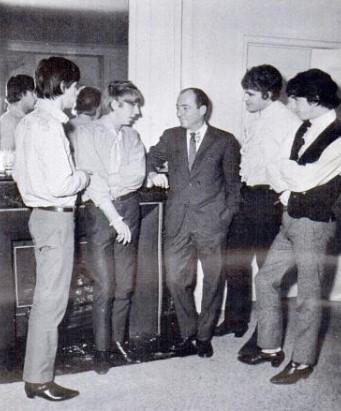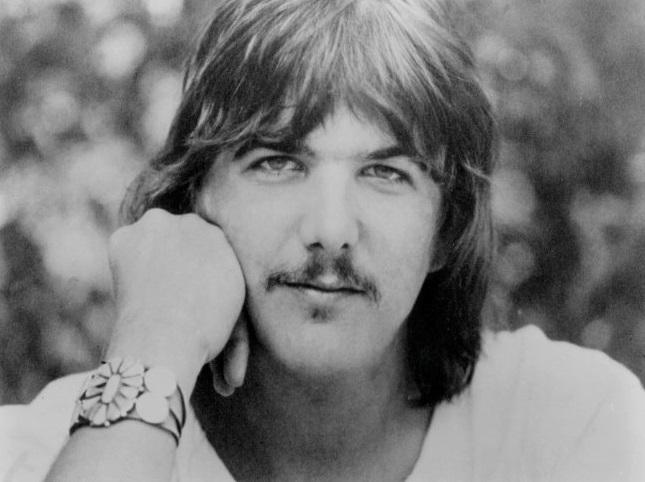
The Death and Cremation of Gram Parsons
September 19, 1973, feels like a heavy, stagnant afternoon in the Mojave Desert. The air inside the Joshua Tree Inn carries the scent of dry sage and stale cigarettes. Gram Parsons lies motionless in his room, his body surrendered to the chemical weight of morphine and cocaine. This sudden death ended a life that burned too hot and too fast for the California sun to handle.
Dust motes dance in the shafts of light cutting through the window. The silence in the room stays thick, broken only by the distant hum of a cooling fan. No one hears the final breath of the man who tried to marry the grit of Bakersfield to the psychedelia of Laurel Canyon. He was only twenty-six years old when the drugs finally won the long war against his spirit.
News of his passing traveled through the canyons like a sudden frost. Friends and hangers-on gathered in the desert, unsure of how to process the loss of a man who lived like a myth. The tragedy of his passing mirrored the decline of the 1960s dream itself. The hippie idealism had curdled into something harder, more desperate, and far more drug-addled.
The Joshua Tree Inn became a site of mourning and madness. People arrived from Los Angeles, dragging their grief and their bottles into the high desert. They looked for a way to honor a man who never quite fit into a single box. They found only the wreckage of a brilliant, broken career.
The Gram Parsons Death and the Joshua Tree Inn
The Joshua Tree Inn stood as a sanctuary for the dislocating. In 1973, the Inn provided a cheap refuge for musicians fleeing the encroaching pressures of the mainstream industry. It offered a place where the boundaries between reality and hallucination blurred under the desert moon. Gram Parsons sought that very blur, finding comfort in the isolation of the high desert.

Drug use defined the atmosphere of the room where he died. Morphine and cocaine had left their mark on his physical form, draining the vitality from a man who should have had decades of songwriting left. The overdose was not a sudden accident but the inevitable conclusion of a lifestyle built on excess. He lived in the center of a storm, and the storm finally collapsed inward.
The local landscape provided a stark backdrop to the tragedy. The twisted limbs of Joshua Trees reached toward a sky that seemed indifferent to the human drama unfolding below. This desert does not care about fame or heartbreak. It only knows the heat of the day and the biting cold of the night.
Personal instability in his life mirrored the instability of his musical output. He moved between bands and labels with a frantic energy. The International Submarine Band gave way to a much larger stage with The Byrds. Every move brought more fame and more profound personal struggle.
The transition of the Laurel Canyon scene happened right outside his door. The lush, psychedelic textures of the late sixties were stripping away. Musicians looked for something more grounded, more honest, and more rooted in American tradition. Parsons acted as the architect of this shift, even as he was physically breaking apart.
Friends remember the energy of those final days. There was a sense of impending doom that nobody dared to name out loud. They drank, they played, and they waited for the inevitable. The tragedy of the Gram Parsons death lies in the fact that everyone saw the end coming but no one could stop the momentum of his self-destruction.
The Birth of Cosmic American Music
Gram Parsons did not just write songs; he engineered a new way to hear the American South. He called it Cosmic American Music. This sound blended the high, lonesome wail of bluegrass with the swagger of rock and roll. It felt like a honky-tonk bar located in the middle of a psychedelic trip.
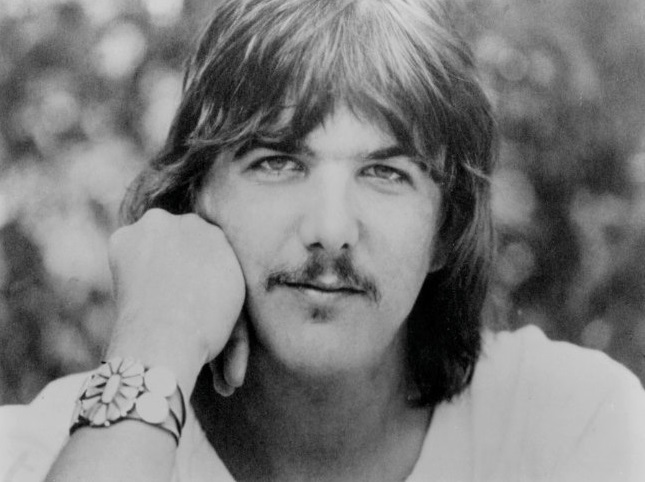
The Byrds provided the perfect laboratory for this experiment. In 1970, the band released the Untitled album, a record that signaled a massive shift in direction. Parsons took up the bass and shared vocal duties, bringing a country sensibility to a rock icon. The tracks on this album possess a certain rustic grit that the earlier, jangle-pop era lacked.
Al Perkins played the pedal steel guitar with a weeping precision. His notes hung in the air like desert mist, thick and heavy with emotion. This instrument provided the glue for the entire genre. Without that metallic, sliding ache, the music would have just been standard country-rock.
The 1973 album GP, released on A&M Records, stands as the definitive statement of this vision. It arrived just as the artist himself was fading. The production feels intimate, almost as enough of a whisper that the listener sits on a wooden stool in the corner of a dimly lit studio. It captures the raw essence of his musical intent.
Emmylou Harris joined the sessions, providing a vocal counterpart that was both pure and piercing. Her voice acted as a light in the middle of Parsons' murky, drug-laden arrangements. She brought a clarity that helped ground his more experimental tendencies. This partnership changed the course of country music forever.
"He was a very special person, and his death was a very tragic event."
Harris spoke about his influence with a reverence that only a student of his genius could muster. She saw the foundation of her own career in his wreckage. The way he approached a melody was something entirely new. He ignored the rigid borders between genres, treating them instead like fences that could be easily hopped.
Listen to the track "In My Time of Dying" from the GP sessions. The pedal steel arrangement is mournful and heavy, dragging the tempo like a tired traveler. The song embodies the very soul of Cosmic American Music. It sounds like the end of a long, dusty road, full of both regret and a strange, mournful hope.
The music of Parsons carries a specific weight. It enough of a burden that it feels grounded in the soil, heavy with the history of the American working class and the spiritual longing of the gospel tradition. He took the shiny veneer off rock and roll and replaced it even more stubbornly with something much more ancient.
The Heavy-Duty Drum Heist
Phil Kaufman refused to let the authorities dictate the final resting place of his friend. The former manager of The Byrds possessed a rebellious streak that matched Parsons' own. When the news of the death broke, Kaufman saw an opportunity for one last act of cosmic defiance. He did not want a standard, sterile funeral in a Los Angeles cemetery.
The plan required precision and a complete disregard for the law. Kaufman teamed up with Ricklaus "Rick" Nelson to execute a daring theft. They targeted the Los Angeles International Airport, where the remains of the singer were being processed. They were not looking for money or jewelry. They wanted the body of the man who defined their era.
A .45 caliber pistol provided the necessary leverage during the operation. Kaufman and his associates used the threat of force to intimidate airport officials. It was a high-stakes gamble that relied on sudden, decisive action. The tension in the airport terminal must have been palpable as they moved toward the transport area.
They found a heavy-duty drum, something sturdy enough to carry the weight of a legend. This was not a delicate operation. It was a heist born of desperation and a refusal to accept the mundane reality of death. They loaded the remains into the drum and prepared to flee the city.
The driving force behind this madness was a single sense of loyalty. To Kaufman, the traditional funeral rites felt like an insult to the man's wild life. He wanted something that matched the chaos of the 1970s. The drum became a vessel for a legend, moving through the streets of Los Angeles under the cover of uncertainty.
The logistics of moving a body through an international airport under threat of a firearm resemble a noir film. The group moved with a frantic, focused energy. They avoided the standard routes, opting instead for the shadows of the industrial outskirts. Every siren in the distance felt like a direct threat to their mission.
This heist remains one of the most legendary stories in rock history. It transformed a tragedy into a mythic event. The theft of the body ensured that the story of the Gram Parsons death would never be just about an overdose. It became a story about rebellion, about the refusal to let the establishment claim even the bones of the departed.
The Altar of Ashes in the Mojave
The Mojave Desert provided the final stage for this grand, absurd drama. The group drove deep into the arid landscape, far from the prying eyes of the LAPD. The desert is a place of vast, empty spaces and unforgiving sun. It is the natural home for a man who spent his life searching for a way to belong to the earth.
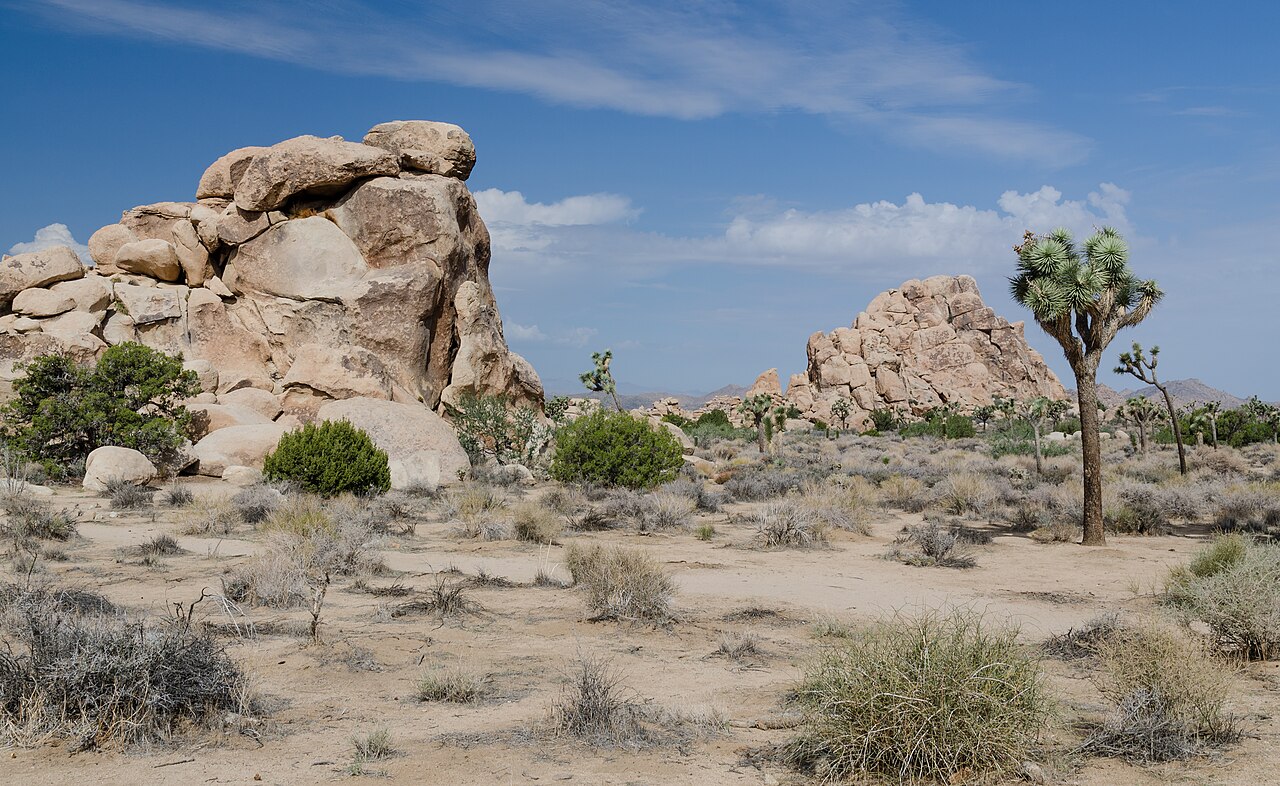
Kaufman and his crew reached a location near Joshua Tree. The air was dry and smelled of baked stone and sagebrush. They brought the heavy-duty drum to a spot that felt appropriately desolate. This was to be the Altar of Ashes, a place where the physical and the purely spiritual could finally merge.
The process of cremation was not a formal ceremony. It was a rugged, improvised act of devotion. They burned the remains in the open air, a stark contrast to the sterile, controlled environments of modern crematoriums. The flames licked at the desert night, casting long, flickering shadows against the rocks.
The group eventually scattered the ashes from the drum across the desert floor. The wind caught the grey particles, spreading them over the sand and the scrub. In this way, Parsons became part of the very landscape he loved. He was no longer a man, but a layer of dust on the Mojave floor.
The act of scattering the ashes felt like a completion of his musical philosophy. He had always sought to blur the lines between himself and his environment. By returning his remains to the desert, the group achieved a literal version of his Cosmic American Music. The boundaries between the artist and the earth simply vanished.
No headstone marks this spot. There is no plaque to commemorate the event. All that remains is the memory of the fire and the weight of the wind. This lack of a physical monument makes the legend even more potent. He exists now only in the songs and the$\\the stories told in the bars around Joshua Tree.
The Mojave does not keep secrets, but it does hold onto them. The desert absorbs everything. The heat, the wind, and the ashes of the fallen all become one single, indistinguishable entity. The cremation was the final, necessary step in the destruction of the man and the creation of the icon.
Emmylou Harris and the End of an Era
Emmylou Harris carried the torch of his musical legacy forward. She did not merely sing his songs; she inhabited the world he built. Her career became a living monument to the potential of his vision. While the man was gone, the sound he pioneered continued to ripple through the veins of country music.

The loss of Parsons signaled the end of a specific type of California freedom. The era of the wandering, drug-fueled poet was being replaced by a more polished, commercial industry. The raw, unvarnishing energy of the early 1970s was being packaged for mass consumption. Harris stood as a bridge between the old chaos and the new order.
Her voice retained the grit and the grace that Parsons had loved. When she sings his melodies, the listener can almost hear the ghost of a pedal steel guitar weeping in the heat. She kept the connection to the earth alive. She refused to let the music become too clean or too safe.
The influence of his death on the music scene was profound. It served as a warning and an inspiration. It showed that brilliance often comes at a devastating cost. The musicians who followed him, like Chris Hillman and Linda Ronstadt, had to navigate the wreckage of his passing while trying to build their own legacies.
The transition of the Laurel Canyon scene was complete by the mid-1970s. The psychedelic dream had ended, replaced by a more sober, professionalized version of rock. The wild, unpredictable element that Parsons represented was gone. The music became more structured, more predictable, and much less dangerous.
Looking back, the Gram Parsons death was the closing of a heavy, velvet curtain. The stage was left empty, but the echoes remained. Every time a pedal steel guitar slides into a minor key in a dusty bar, a piece of him is still there. He remains a permanent fixture of the American musical consciousness.
The desert remains unchanged by the tragedies that occur within it. The Joshua Trees continue to grow, and the wind continues to blow through the canyons. The man is gone, but the music he left behind is still breathing, caught in the throat of every singer who dares to reach for the truth.