The Devil in the Violin: Paganini's Dark Legend
Venice shivered under the weight of a strange fever in 1823. The Teatro La Fenice sat packed with an audience that did not know whether to cheer or flee. On stage, Niccolò Paganini gripped his bow with a skeletal intensity that silenced the room. He moved through a storm of notes that defied the physical limits of the human hand. As the final notes decayed into the rafters, a terrifying rumor took root in the Italian press. People whispered that the Niccolō Paganini devil pact was not a metaphor, but a literal transaction signed in blood.
Critics in the following weeks described a sensation that went beyond mere musical skill. They spoke of a performer who seemed to operate outside the laws of biology. The air in the opera house felt thick with a tension that bordered on the occult. You could hear the collective intake of breath as he executed passages that no sane man could replicate. This was the birth of a modern superstition, fueled by a man who looked more like a ghost than a musician.
The press did not just report on his talent. They reported on his perceived inhumanity. Every frantic trill and impossible leap felt like evidence of a dark bargain. The crowd watched his fingers dance with a speed that felt predatory. They saw a man who had traded his soul for the ability to command the strings of a violin with supernatural precision.
Venice, 1823: The Night the Music Turned Sinister
The Teatro La Fenice provided the perfect stage for this descent into madness. The architecture of the theater, with its gilded ornaments and velvet shadows, amplified the sense of dread. Paganini did not just play the violin; he attacked it. His technique turned the instrument into an extension of a frantic, uncontrollable will. The audience watched as his bow flew across the strings with a velocity that blurred the vision.
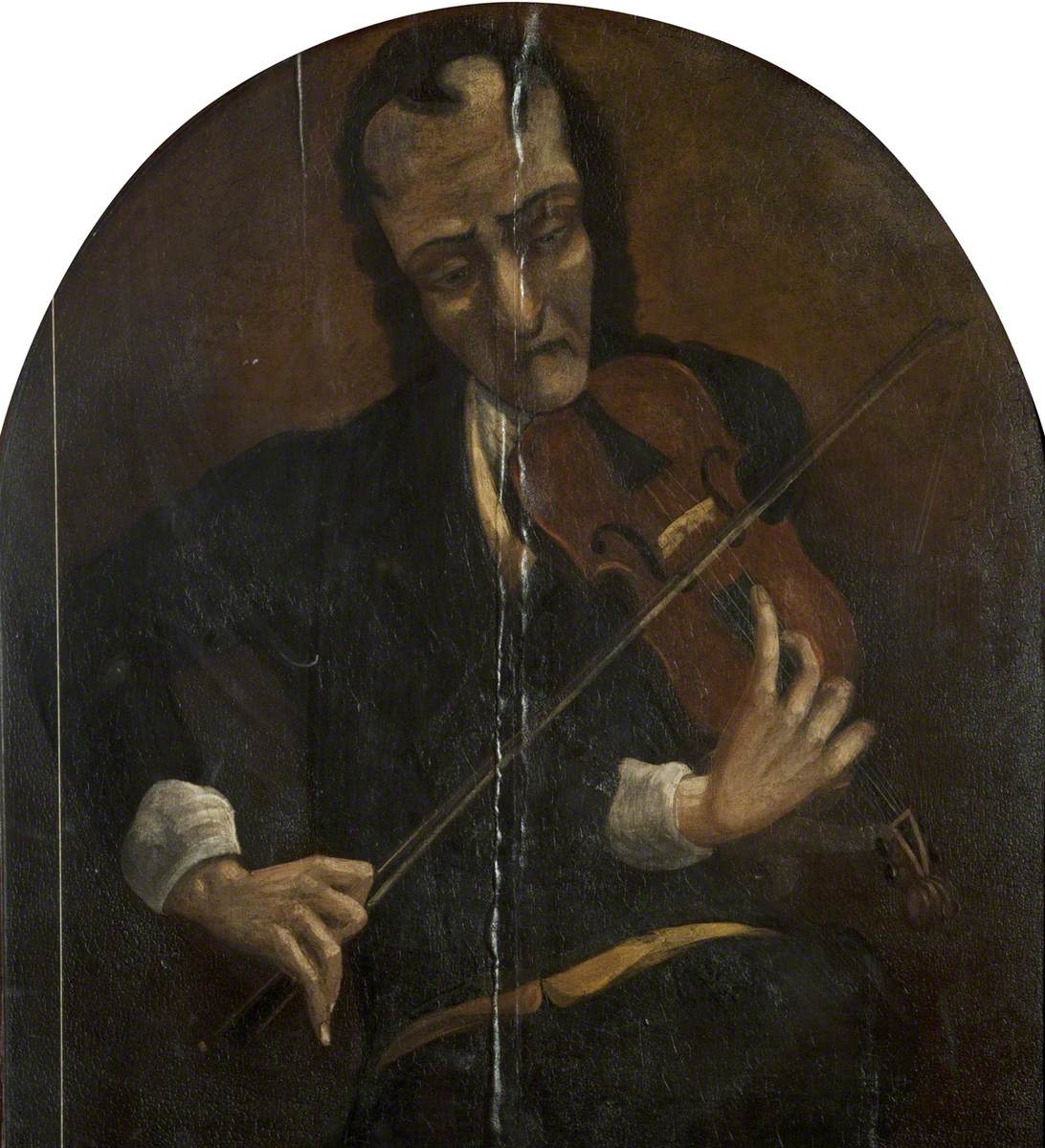
Italian newspapers caught wind of the performance almost immediately. Journalists began to write about a musician whose dexterity suggested a connection to something far darker than mere practice. They noted the way his eyes seemed to pierce the darkness of the stalls. The sheer audacity of his repertoire suggested a disregard for the natural order. This was the moment the Niccolò Paganini devil pact became a household myth.
Musicians in the 1820s were already accustomed to virtuosity, but Paganini presented something different. He brought a sense of the grotesque to the concert hall. His performances felt less like a recital and more like a ritual. The frantic energy of his playing mimicked the chaos of a storm. It was a sonic assault that left the listeners feeling physically unsettled.
Rumors spread through the cafes of Venice and the salons of Paris. People debated whether he was a man or a specter. Some claimed they saw his fingers lengthen during the most difficult passages. Others insisted the music came from a source beyond the physical instrument. This era of the "cult of the virtuoso" demanded that greatness be something more than human. If a man could play like that, he must have cheated the heavens.
The atmosphere of the 1820s supported these dark interpretations. Europe moved through a period of intense Romanticism, where the sublime and the terrifying often occupied the same space. The public craved legends that blurred the line between the secular and the sacred. Paganini provided exactly what the era demanded. He was the dark hero for a generation obsessed with the limits of the human spirit.
The Impossible Physics of Caprice No. 24 in A minor
Caprice No. 24 in A minor stands as the definitive benchmark of violin mastery. Every student of the instrument eventually hits the wall of its technical demands. The piece demands a level of precision that feels almost mechanical. It relies on rapid-capriccio arpeggios that require the left hand to move with the speed of a piston. The listener hears a flurry of notes that seem to emerge from a single, continuous vibration.
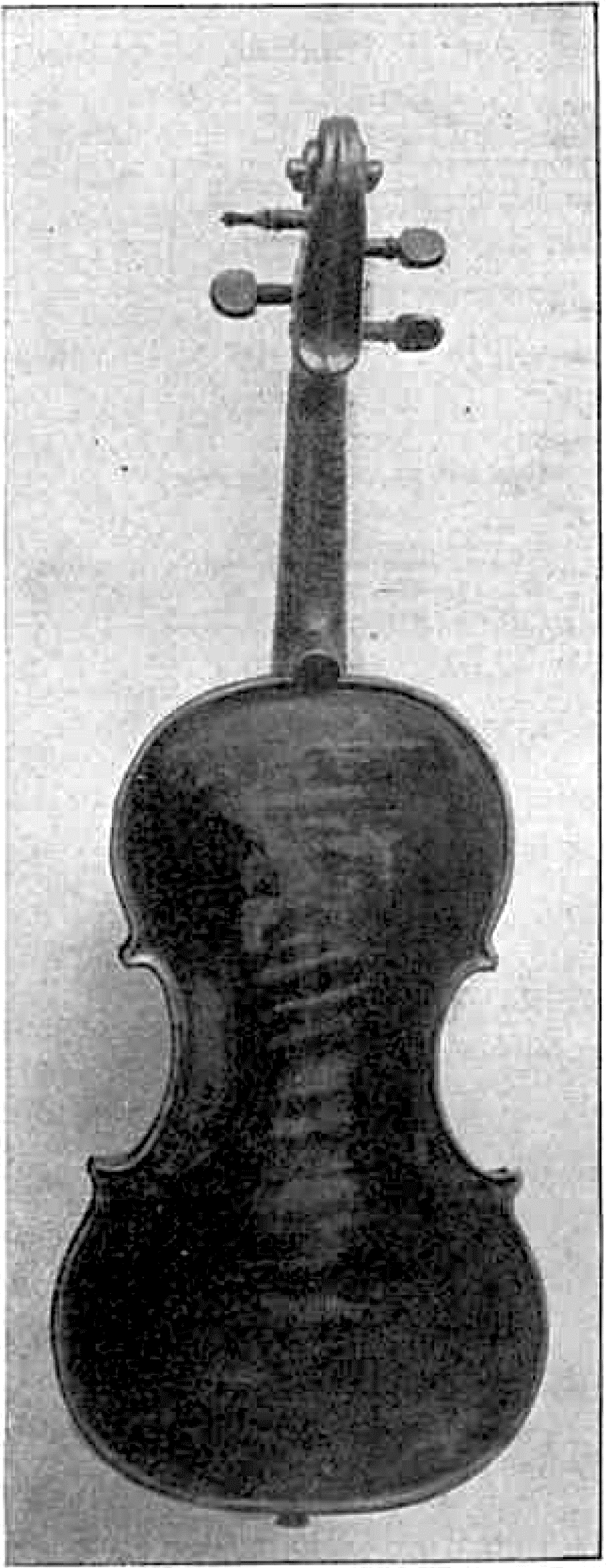
Paganini utilized specific techniques to create an illusion of impossible complexity. He mastered the art of left-hand pizzicato, where he would pluck the strings with his fingers while simultaneously bowing other notes. This created the auditory sensation of two violinists playing in perfect unison. The listener hears a melody and a rhythmic accompaniment that appear to an observer to be separate entities. It is a deceptive trick of physics that masks the solitary nature of the performer.
Double stops add another layer of sonic density to the composition. By pressing two strings at once, Paganini could produce chords that filled the acoustic space of a large hall. These notes ring out with a clarity that feels unnaturally bright. The use of a high-quality instrument, such as his prized Guadagnini violin, contributed to this effect. The Guadagnini possessed a piercing, crystalline tone that could cut through the thickest orchestral texture.
"The music was so fast and so difficult that it seemed as if the devil himself were playing the violin."
The technical difficulty of the Caprice No. 24 involves more than just speed. It requires a superhuman control over dynamics and articulation. A single slip in the rhythm would shatter the illusion of the supernatural. The piece demands that the performer maintain a relentless momentum. It is a physical marathon that exhausts the muscles of the forearm and the tendons of the hand.
Contemporary critics in the 1830s often felt baffled by these feats. They described his playing as a speed that defied human anatomy. There was no way to explain how a human hand could move so quickly without tearing itself apart. The music felt like a mathematical impossibility. It was a sonic architecture built on the edge of collapse.
The technical innovations of the Capriccios changed the way composers approached the violin. He pushed the instrument into a new territory of capability. Every subsequent virtuoso had to contend with the standard he set. He did not just write music; he wrote a set of instructions for how to break the instrument. The Caprice remains a terrifying challenge to this day.
A Body Wasted by Disease and Rumor
The physical appearance of Paganini provided the visual evidence for the supernatural claims. His frame was gaunt, almost skeletal, under his formal evening attire. His skin possessed a sickly pallor that suggested a life lived in the shadows. This visible wasting of his body fueled the contemporary rumors of a demonic origin. To the 19th-century eye, a man so physically depleted could only be sustained by some unholy energy.
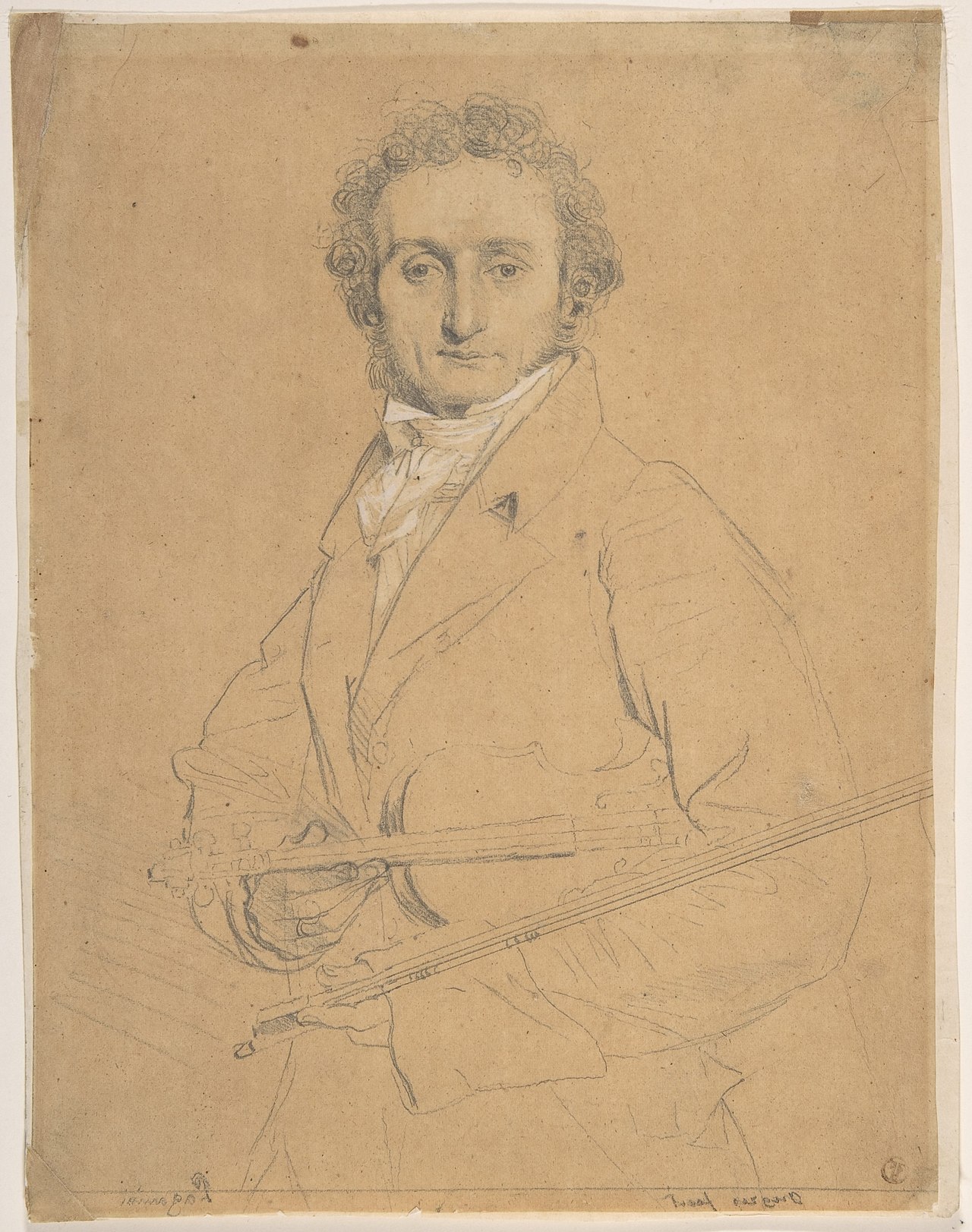
Syphilis ravaged his body with a slow, relentless cruelty. The symptoms of the disease were visible to anyone sitting in the front rows of a concert hall. He suffered from tremors and a profound loss of physical vitality. These medical realities were much easier to interpret as the side effects of a Faustian bargain. The public preferred a dark legend to the grim reality of a terminal infection.
His fingers often appeared elongated and unnaturally thin. The way they gripped the neck of the violin looked like the claws of a bird of prey. This visual horror complemented the auditory intensity of his playing. He did not look like a man who enjoyed the comforts of life. He looked like a man who was being consumed by his own talent.
The decline of his health mirrored the intensification of the rumors. As the disease progressed, his performances became even more frantic and desperate. It was as if he were racing against his and his own mortality. The audience watched a man disintegrate on stage while his music reached new heights of complexity. This paradox created a sense of tragic awe that defined his later years.
The lack of effective medicine in the 1830s meant that there was no way to hide his condition. There were no antibiotics to halt the progression of his symptoms. The decay was public and unavoidable. Every cough and every tremor added a new chapter to the myth of the tortured artist. The physical decay of the man became the centerpiece of his legend.
The scent of medicinal tonics and decay likely hung around him in the dressing rooms. He moved through the world like a specter of the very era he helped define. The tragedy of his physical state provided the grit for the romanticized version of his life. Without the illness, the legend would have lacked its visceral, human horror.
The Church, the Inquisition, and the Soul
The Catholic Church viewed the extreme talent of Paganini with profound suspicion. In the religious climate of 19th-century Italy, extraordinary ability often faced scrutiny through the lens of the occult. The Church held a monopoly on the interpretation of the miraculous and the demonic. When a performer appeared to bypass the natural physical limitations of the even the most skilled human hand, it invited ecclesiastical investigation.
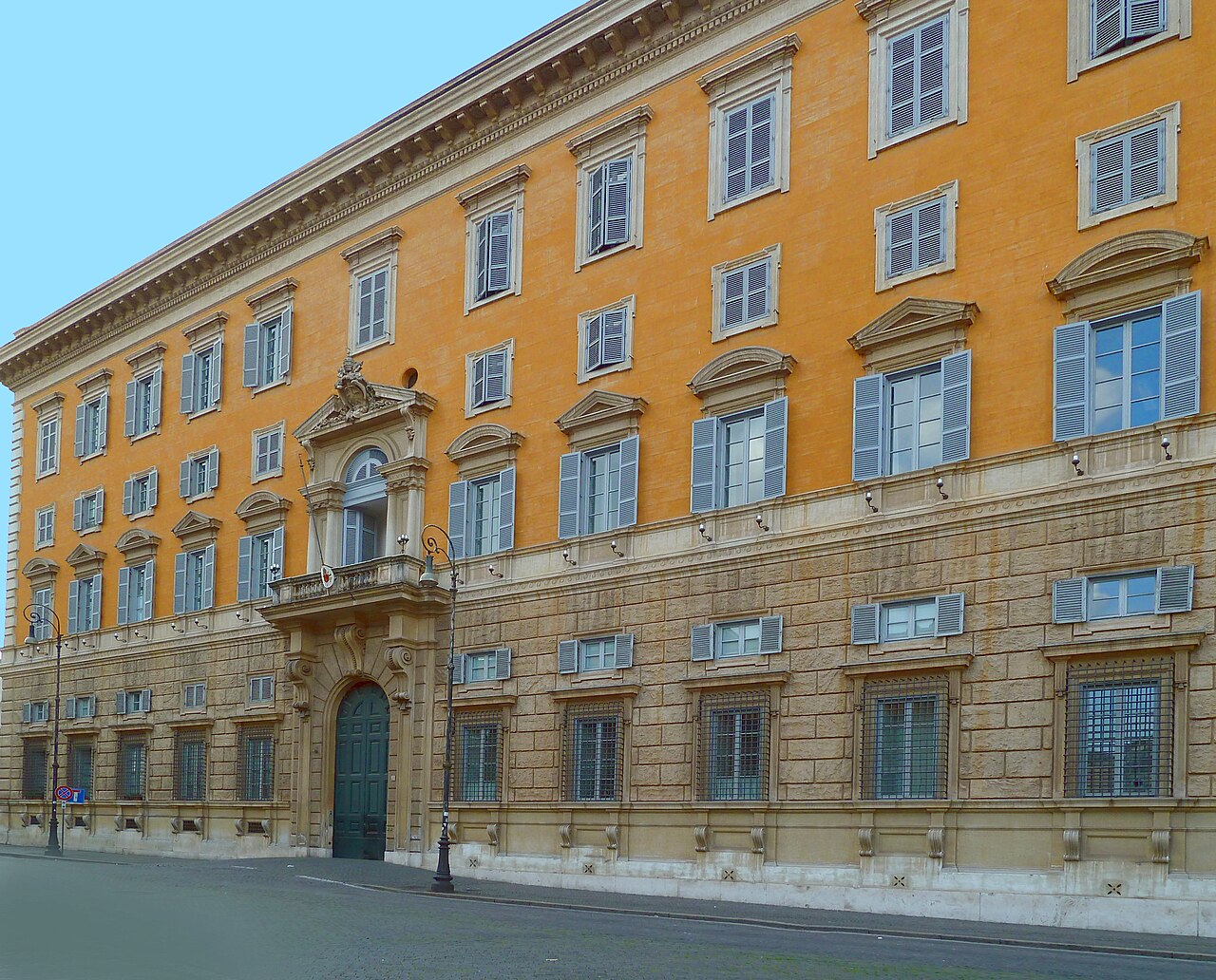
The shadows of the Inquisition still loomed over the cultural life of the Italian peninsula. While the formal power of the Inquisition had waned, the social pressure of religious scrutiny remained potent. Performers who leaned into the "demonic" persona found themselves at odds with the clergy. The Church demanded that all art serve a higher, moral purpose. Paganini's music, however, seemed to serve only the ego and the thrill of the impossible.
Clergy members often whispered about the source of his dexterity. They saw the technical mastery of the violin as a potential gateway to sin. The sheer intensity of his performances could feel like a transgression against the soul. There was a fear that such talent could lead the faithful away from the hoop of righteousness. The tension between the stage and the altar was palpable in every major Italian city.
Religious tension reached a peak during his final years. His very existence challenged the boundaries of what was considered divinely permitted. If a man could achieve such heights through sheer will, what did that mean for the concept of grace? The Church could not ignore a phenomenon that so clearly disrupted the spiritual status quo. The debate was not just about music, but about the ownership of talent.
Even the way he handled his public image reflected this struggle. He was a man caught between the secular glory of the concert hall and the spiritual dread of the pulpit. He played with a ferocity that felt like a defiance of God. This defiance made him a hero to the secular public and a figure of concern to the regulatory authorities. He lived in the friction between these two worlds.
The social consequences of his reputation were real and lasting. He faced a level of scrutiny that most musicians would find paralyzing. Yet, he used this notoriety to fuel his fame. He understood that in the Romantic era, infamy was often as lucrative as adoration. He leaned into the darkness that the Church sought to condemn.
The Legacy of the Supernatural Virtuoso
Nice, France, became the site of Paganini's final act in 1840. His death brought an end to the man, but it ignited a massive controversy regarding his soul. The large funeral crowds gathered to mourn a legend, but the religious authorities hesitated to grant him a proper burial. The idea of burying a man suspected of a devil pact in consecrated ground was too much for the local clergy to bear.
The controversy over his burial highlighted the enduring power of the myth. The tension between his musical greatness and his perceived moral failings remained unresolved. He was a man who had died in a state of social and religious limbo. This ambiguity is what allows his legend to persist in the modern era. He remains the ultimate archetype of the artist as an outsider.
The influence of Paganini on later Romantic composers was profound. Franz Liszt looked at the violin-playing Paganini and saw a blueprint for the piano. Liszt adopted the same sense of technical bravado and the persona of the superhuman virtuoso. He took the idea of the performer as a supernatural entity and brought it to the keyboard. The piano became a vehicle for the same kind of sonic extremity.
Robert Schumann also grappled with the psychological weight of this virtuosity. He understood the tension between the technical feat and the emotional core. The concept of the "virtuoso as a single entity" became a staple of the Romantic movement. Composers began to write music that sought to evoke the same sense of awe and terror that Paganini had mastered. The shadow of the violin loomed large over the entire century.
The cult of the virtuoso transformed the concert hall into a place of modern spectacle. It paved the way for the rock stars of the future, who would also rely on larger-than-life personas and technical mastery. The idea of the performer as a figure of myth began with the frantic bowing of a man in Venice. He proved that music could be more than just sound; it could be a mythic event.
Paganini's death in Nice did not silence the rumors. It only gave them a permanent home in history. The legend of the devil pact remains a fascinating study in how we interpret extreme talent. We want our geniuses to be more than human. We want them to have a secret, even if that secret is something dark.
The music of Niccolom Paganini survives as a jagged, brilliant remnant of a lost era. Every time a violinist attempts a particularly difficult passage in a Caprice, they are engaging with his ghost. He remains the standard by which all technical audacity is measured. The devil may not have signed the contract, but the music certainly sounds like it.