On November 14, 1987, The Glass Relics frontman Elias Thorne vanished mid-tour. Explore the mystery of the post-punk star who left no trace.
The Disappearance of Elias Thorne
The Zenith of The Glass Relics
The post-punk era functions as a collection of ghosts. We remember the jagged guitars of Joy Division or the rhythmic aggression of Gang of Four, but few disappearances haunt the periphery of the genre quite like Elias Thorne. In the autumn of 1987, Thorne stood at the center of a movement that refused to play nice with the pop sensibilities of the era. He possessed a voice like broken glass scraped against velvet. As the frontman for The Glass Relics, he commanded attention through sheer, unadulterated tension.
The band operated on the edge of something dangerous. They avoided the polished sheen of their contemporaries, leaning instead into dissonance. By 1987, The Glass Relics had moved beyond the basement club circuit to occupy a specific, tense space in the UK indie scene. They were the band you feared loving. Thorne's lyrics dealt in decay and the sudden, violent loss of certainty. He did not write anthems. He wrote warnings.
Music critics struggled to pin them down. Some saw them as too bleak for the burgeoning Madchester scene, while others found their sonic density too heavy for the minimalist purists. This friction fueled their ascent. Every live performance felt like a countdown to a collapse. This tension reached its peak during the release of Fractured Light, an album that remains the high-water mark of the late eighties post-punk movement.
The record reached number 14 on the UK Indie Chart. It was a cultural victory rather than a commercial one. It solidified their status as the dark architects of the underground. They had the momentum and the critical respect. They had a frontman who seemed to be physically dissolving under the and weight of his own art. The momentum of 1987 and the subsequent Shattered Mirror Tour suggested a band on the verge of a massive breakthrough. Instead, they hit a wall of absolute silence.
The Making of Fractured Light
Credit: Wikimedia Commons
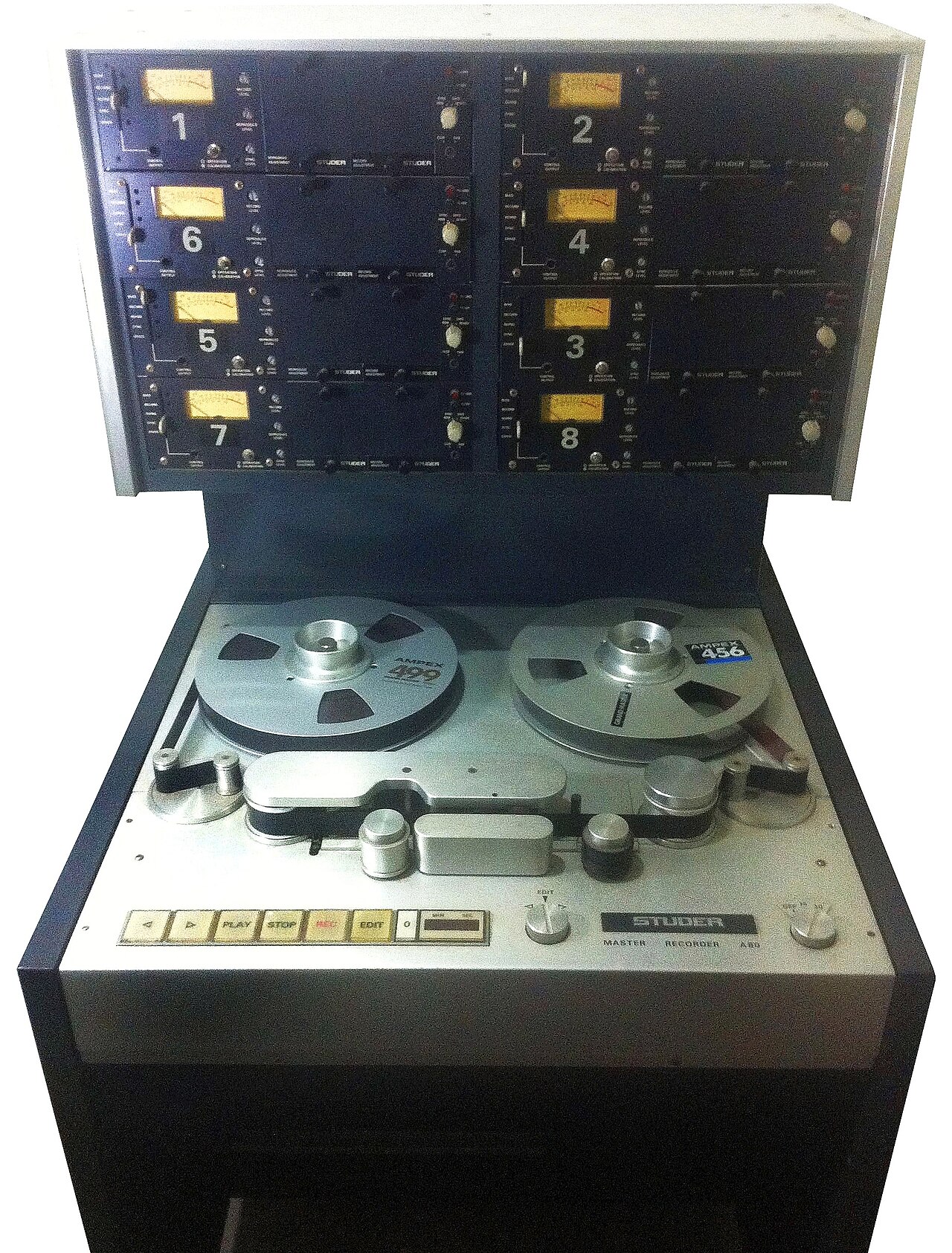
Studio perfectionism killed many great bands, and The Glass Relics were no exception. The sessions for Fractured Light took place at Townhouse Studios in London. This was not a place for lo-fi experimentation. It was a high-end facility where producers went to capture massive, clean sounds. The band hired John Leckie to helm the project. Leckie brought a certain clarity to their chaos. He knew how to layer the jagged textures of Thorne's Fender Jaguar with the heavy, driving basslines of Julian Vane without losing the grit.
The atmosphere in the studio remained claustrophobic. The band spent months obsessing over minute details, chasing a specific type of sonic decay. Leckie pushed them to find the space between the notes. The resulting tracks possessed a terrifying clarity. You could hear every scrape of a plectrum and every heavy breath from Thorne. The October 1987 release of the single "Static in the Marrow" served as the final, grim herald of this era. The song itself felt like a premonintion.
The production on "Static in the Marrow" utilized heavy reverb and sudden, sharp silences. It worked. The single climbed the indie charts and primed the audience for the tour. The band arrived at the studio with a sense of impending doom. They were not making a record to celebrate success. They were making a record to document their exhaustion. The heavy machinery of Townhouse Studios captured a band burning through its remaining fuel.
A Final Set in West Berlin
Credit: Wikimedia Commons
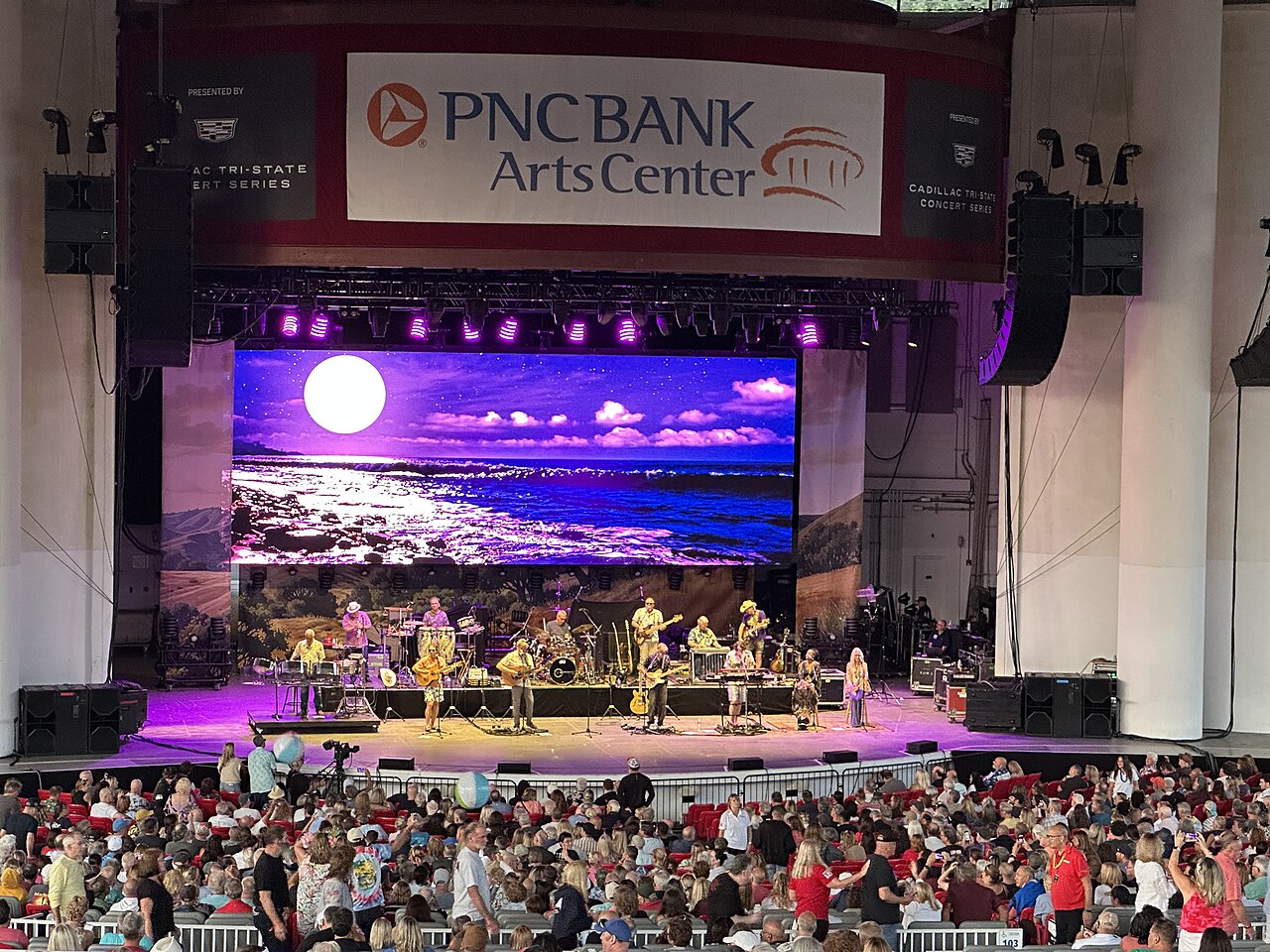
The Shattered Mirror Tour took the band across Europe, ending in the gritty, divided heart of West Berlin. The city in 1987 mirrored the band's own psyche. It was a place of shadows, walls, and lingering tension. The Metropol club provided the perfect backdrop for their final stand. The venue offered a cavernous, industrial space that amplified the band's inherent gloom. The crowd consisted of die-hard devotees and curious onlookers drawn to the sheer intensity of the performance.
The setlist relied heavily on the new material from Fractured Light. The air in the Metropol felt thick with humidity and sweat. The band played with a desperate, frantic energy. Thorne moved across the stage with a restless, twitching physicality. He seemed disconnected from the rest of the group, a solitary figure navigating a storm of sound. The lights were harsh, cutting through the haze of the smoke machines. Every note felt like a strike against the walls of the club.
The final moments of the show lacked the usual ritual of an encore. The band played through a dense, feedback-heavy sequence of songs. The sonic density of the set reached a breaking point. As the final notes of the closing track drifted into the rafters, the energy in the room shifted from excitement to a strange, hollowed-out confusion. The musicians remained on stage, leaning into the ringing amplifiers, but the center of the storm was gone.
The Empty Mic Stand
Credit: Wikimedia Commons
The disappearance occurred on November 14, 1987. It was not a cinematic exit. There was no dramatic monologue or final bow. One moment, Thorne was a vital component of the band's rhythmic onslaught. The next, he was simply absent. The transition happened during the post-set cooldown, a period where the ringing in the ears usually begins to subside.
The aftermath remains a collection of fractured accounts. The lights stayed on. The amplifiers continued to hum with residual electricity. The band members stood in the dim light of the Metropol, staring at the space where their leader had been. The physical evidence of his presence remained, but the man himself had vanished. The confusion of the crew and the band members turned to dread as minutes turned into hours.
Bassist Julian Vane described the scene with a haunting precision that captures the sheer wrongness of the moment.
There were no signs of a struggle. There was no blood on the floor. There was no note left on the drum riser. Thorne had simply ceased to be part of the room. The backstage area was searched. The alleyways behind the Metropol were combed. The club members searched the immediate vicinity of the West Berlin streets. Nothing. The void left by his absence was immediate and suffocating. It was as if the person had been erased by the very static he sang about.
The Silence of Arthur Penhaligon
The mystery of Thorne's disappearance should have triggered an international manhunt. Instead, it triggered a bureaucratic shrug. Arthur Penhaligon, the manager of The Glass Relics, played a role in the erasure of the event. Penhaligon was a man of business, not of sentiment. He viewed the band as an audio asset, and a missing frontman was a logistical nightmare that threatened his bottom and his bottom line. His refusal to engage with the authorities remains the most infuriating aspect of this entire saga.
Penhaligon failed to file any formal missing persons report with the Berlin police. He did not call the embassy. He did not alert the press. He spent the first forty-eight hours after November 14 attempting to manage the tour schedule and protect the band's reputation. He treated the disappearance like a missed flight or a late arrival at a soundcheck. This negligence prevented any meaningful investigation during the critical first hours when a trail might have been found. By the time the media caught wind of the situation, the trail was cold.
Some theorists suggest Penhaligon knew something. They point to his sudden decision to dissolve the band's touring obligations and retreat to London. Others argue his inaction was purely a matter of cold, calculated cowardice. He wanted to avoid the scandal of a dead or runaway rock star. He wanted to keep the Fractured Light sales figures clean. His silence effectively buried the possibility of finding Thorne. He prioritized the brand over the human being who built it.
A Legacy of Unfinished Notes
The Glass Relics ended that night. There was no farewell tour. There was no final studio session. The band simply stopped. The remaining members drifted into obscurity or joined more conventional, less haunted projects. The music industry moved on to the Madchester explosion and the rise of Britpop, leaving the dark, jagged edges of the mid-eighties behind. But the shadow of Elias Thorne persists.
The disappearance changed the way we listen to Fractured Light. We no longer hear it as a triumphant studio achievement. We hear it as a suicide note or a disappearance letter. Every time "Static in the Marrow" plays on a late-night radio station, the listener is forced to confront that sudden, unexplained absence. The music is inseparable from the mystery. The songs feel haunted because they are.
We are left with nothing but the recordings. We have the tracks recorded at Townhouse. We have the distorted images of the Shatverred Mirror Tour. We have the hollowed-out quotes from his bandmates. Elias Thorne left behind a body of work that feels unfinished, as if the best, most terrifying parts of the song were cut short by a sudden loss of signal. He remains a ghost in the machine of post-punk history, a man who walked into the feedback and never walked out.