The Dore Records Mystery: The Label That Vanished
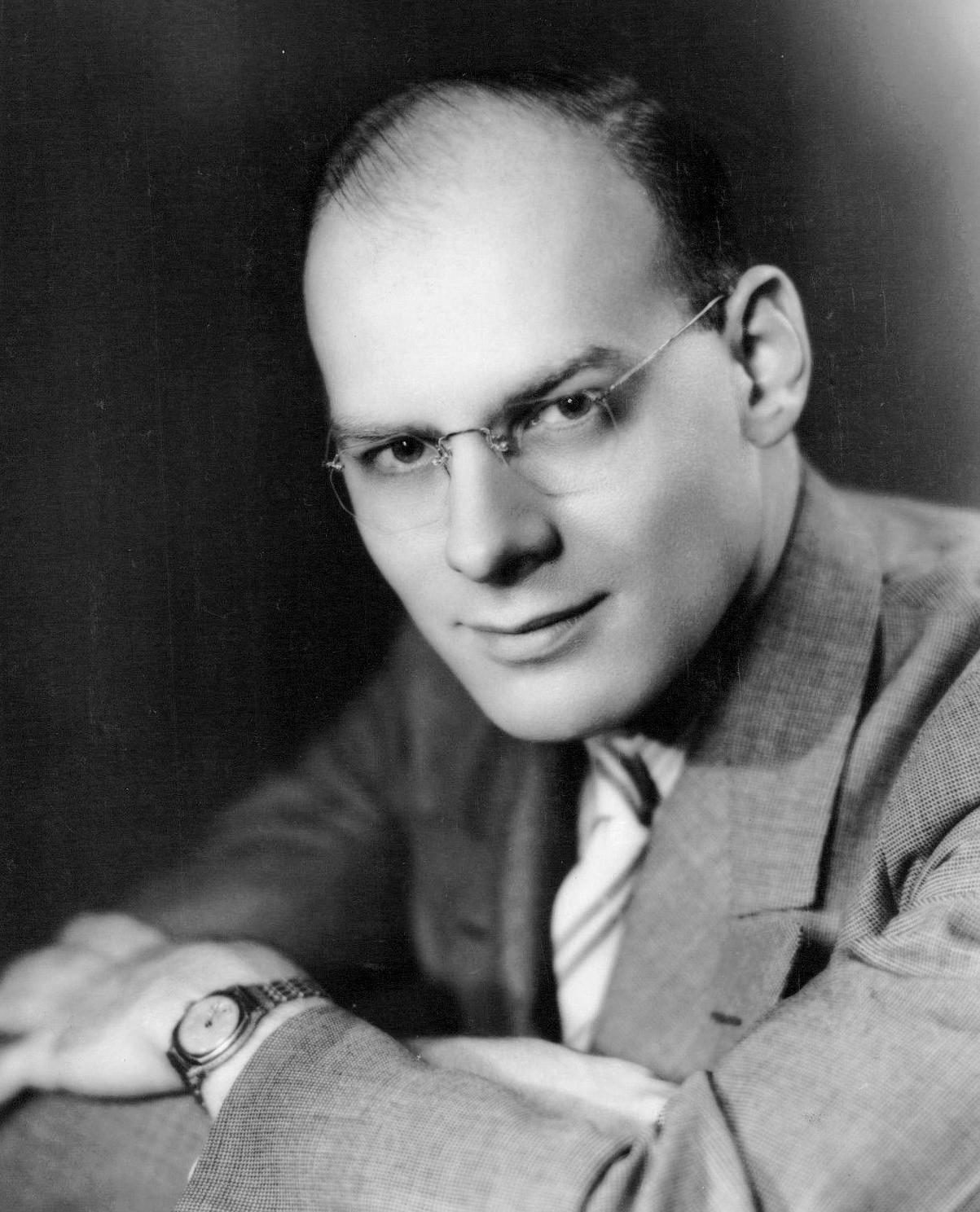
Mitch Miller stared at the wreckage of his reputation in a high-backed New York City chair during 1967. For decades, Miller ruled the pop charts with a ruthless ear for a hit. He churned out the singable melodies that defined the pre-rock era. He built an empire on a relentless "singles factory" model designed for immediate radio rotation. By the late sixties, the industry shifted toward the heavy, experimental textures of psychedelic rock and soul. Miller knew his old methods were dying.
Miller needed prestige. He sought artistic legitimacy rather than mere commercial utility. Dore Records emerged from this desperate ambition as a boutique imprint with a specific, high-undone goal. Miller wanted to move away from the disposable pop of the 1950s and toward a sophisticated catalog of jazz and soul. He secured a distribution deal through Columbia Records, providing the fledgling label with the massive reach of the CBS infrastructure.
This was no small-time operation. The 1967 launch promised a new era of prestige-oriented releases that could compete with the heavyweights of the jazz world. Miller wanted to prove he could curate art, not just manufacture hits. The setup looked invincible on paper. You had the financial muscle of Columbia behind the even more creative vision of a man who understood the mechanics of a melody. The early sessions targeted the very best instrumentalists in the New York and New Jersey scenes.
The label aimed to capture the transition from hard bop to the more fluid, soul-infused jazz that dominated the clubs. It was a calculated risk that could have repositioned Miller as a serious tastemaker. Instead, the Dore Records master tapes became the centerpiece of a massive, unresolved industry accident. The dream of a permanent jazz institution fractured under the weight of its own distribution agreement.
Mitch Miller's 1967 Gamble
New York City felt like a pressure cooker of competing genres in 1967. The Beatles had just released Sgt. Pepper's Lonely Hearts Club Band, and the radio waves carried the fuzz of electric guitars and the grit of Motown. Miller recognized that the middle ground was disappearing. He viewed Dore Records as his way to occupy a new territory, a space where jazz sophistication met the emerging soul aesthetic. He wanted to build a catalog that collectors would prize for decades, not just for a summer season.
The strategy relied on high-quality talent and professional production. Miller did not hire amateurs. He sought out musicians who possessed both technical mastery and a modern, rhythmic sensibility. He knew that to succeed, Dore needed to sound different from the standard pop fare. The label focused on a sound that emphasized groove and texture, moving toward a more organic, instrumental-heavy approach. This departure from the polished, string-heavy arrangements of his earlier Columbia successes bet heavily on the strength of the session musician.
Funding for the Dore sessions came from the deep pockets of the Columbia distribution network. This allowed for expensive studio time and the ability to pay top-tier session players. Every session felt like an event, a carefully curated moment of musical intersection. Miller was essentially trying to manufacture a legacy. He wanted a stable of artists whose work would stand the test of many decades, much like the Blue Note legends of the previous decade. It was an expensive, high-stakes attempt to reinvent his own musical identity.
Tension within the label existed from the start. While the creative potential was immense, the structural foundation tied itself to the shifting sands of corporate music. The industry moved toward massive consolidation, and the era of the independent-minded boutique imprint faced a direct threat. Miller tried to run a prestige label within a conglomerate that focused increasingly on the bottom line. The collision between his artistic ambitions and the cold reality of corporate restructuring eventually led to the label's sudden, quiet end.
The Sonic Architecture of Dore Records
Englewood Cliffs, New Jersey, provided the perfect laboratory for these experiments. Rudy Van Gelder's studio sat like a temple of high-fidelity sound in the woods, far from the frantic energy of Manhattan. Van Gelder acted as the architect of the modern jazz sound. He understood how to capture the physical presence of an instrument. His technique involved a specific way of placing microphones to catch the air around the drums and the warmth of the brass. When the Dore sessions moved into this space, they inherited that legendary, crisp clarity.
The recordings captured a specific, visceral texture. You could hear the strike of the bass strings against the fingerboard and the subtle hiss of the cymbals. The engineers used the studio's natural acoustics to create a sense of space that felt both intimate and expansive.
This was not the flat, compressed sound of a pop radio single. It was a three-dimensional experience. The Dore sessions utilized this depth to highlight the transition from post-buff to soul-jazz. The drums hit with a heavy, centered punch, while the horns felt like they were breathing in the room with you.
Van Gelder's involvement gave the Dore master tapes an immediate sense of authority. Any musician who recorded in his studio knew the stakes were high. He had already defined the sound of Blue Note and Prestige, and his touch brought a sense of continuity to the Dore sessions. The sessions featured a blend of hard bop precision and the looser, more rhythmic elements of soul. It was a sound that felt grounded in tradition but unafraid of the changing rhythmic landscape of the late sixties. The studio itself acted as an instrument in the process.
"The way Rudy captures the drums, it's not just rhythm, it's a physical presence in the room."
The technical brilliance of these sessions created a standard that was difficult to replicate. The engineers balanced the complex interplay of the rhythm sections with the melodic leads of the soloists. There was no clutter in the mix. Every instrument occupied its enough frequency space, a feat achieved through meticulous microphone placement and Van Gelder's legendary mastery of gain. This clarity allowed the subtle nuances of the players to shine. When a soloist like Bobby Hutcherson played the vibes, you could hear the decay of every single note as it rang through the studio's wooden acoustics.
A Roster of Lost Legends
The talent pool for Dore Records featured extraordinary names. The label's roster functioned as a gathering of the era's most vital session players and rising stars. Joe Sample brought a soulful, piano-driven elegance that would later define the jazz-funk era. Bobby Hutcherson provided the shimmering, metallic textures of the vibraphone, a sound that added a layer of ethereal complexity to the sessions. Stanley Turrentine brought a muscular, blues-drenched tenor saxophone tone that anchored the more experimental moments. These musicians stood at the peak of their technical powers.

The rhythm sections were equally formidable. Several unreleased Dore sessions featured the Cannonball Adderly rhythm section, including bassist Sam Jones and drummer Louis Hayes. This particular lineup brought a specific, driving energy to the recordings. Jones played with a deep, woody tone that provided a rock-solid foundation for the soloists. Hayes drummed with a crisp, snapping precision that kept the sessions moving with a relentless forward momentum. Their presence ensured that the music stayed rooted in the hard bop tradition even as it explored newer, more soulful territories.
Many of these artists already held established names on other labels like Blue Note or Prestige. Dore offered them a different platform, a way to explore a slightly different side of their musicality under Miller's direction. The sessions intended to document a specific transition point in jazz history. The musicians moved away from the frantic tempos of the fifties and toward a more groove-oriented, rhythmic approach. This marked the birth of a new era, and Dore acted as its primary documentarian. The potential for a legendary catalog appeared in every session log.
Tragedy struck because much of this brilliance remained locked away. Because the label's collapse happened so suddenly, many of these performances never saw the even a single press of vinyl. For decades, these recordings existed only as whispers among collectors or as low-quality bootlegs. The loss of the official lineage stripped these performances of their metadata and their historical context. You had some of the finest playing of the decade sitting in a vault, disconnected from the artists' official discographies. The music remained, but corporate mismanagement effectively erased its identity.
The Great Distribution Collapse
Financial instability struck the Dore imprint with sudden, devastating force in 1968. The label relied heavily on the massive, centralized distribution power of Columbia Records. This symbiotic relationship functioned well as long as the profits flowed. However, the cost of maintaining a prestige-oriented catalog remained high. The overhead of promotion, manufacturing, and distribution began to outpace the revenue generated by the initial releases. The label's financial foundation relied on the assumption of long-term, steady growth, but the industry moved too fast.
The collapse of the distribution agreement arrived not as a slow decline, but as a sharp, systemic failure. In 1968, a sudden cessation of all planned distribution and promotional cycles left the label stranded. The infrastructure that was supposed to push these records into stores simply vanished. Without the backing of the Columbia machine, Dore had no way to reach the public. The promotional cycles designed to build momentum for new releases ended mid-string. The label's momentum died in an instant, leaving the artists and the music in a state of limbo.
This collapse coincided with a much larger, more aggressive period of corporate consolidation within the music industry. CBS/Columbia underwent a massive restructuring of its subsidiary management. The era of the independent-minded, boutique imprint faced a squeeze from the need for larger, more predictable revenue streams. The corporate heads at CBS no longer wanted to support small, high-risk ventures like Dore. They wanted streamlined, high-volume-producing units. The decision to pull the plug on Dore signaled this broader, more ruthless shift in the industry's DNA.
The impact on the music arrived immediately and catastrophically. The planned release schedules for the 1968 and 1969 sessions died. The marketing budgets evaporated.
The very idea of a "prestige" label became a liability in an era of mass-market consolidation. The musicians who had recorded these sessions found themselves with completed work that had no path to the public. The label's death represented an act of cultural erasure. The machinery of the even larger industry, designed to promote music, instead buried it.
The Legal Vacuum and the Vanished Masters
The true horror of the Dore disappearance lies in the legal vacuum that followed the collapse. When the distribution agreements between Dore and Columbia dissolved, the ownership of the Dore master tapes became a tangled, unresolvable mess. The recordings trapped themselves in a contractual deadlock. The artists could not move their work to other labels like Blue Note or Prestige because the physical masters and the rights to them remained tied to the defunct Dore entity. They could not legally re-record the material, effectively silencing the performances.
This legal limbo lasted for decades. The tapes sat in warehouses, unreleased and unmarketable. Because the parent company's management structure had been restructured, no one held the authority or the incentive to resolve the ownership disputes.
The masters essentially vanished in a sea of corporate paperwork. This prevented the very thing that would have saved the music: a proper reissue campaign. The industry's legal mechanisms, designed to protect intellectual property, instead became the tools that imprisoned it. The masters remained physically present but legally invisible.
The loss of these Dore master tapes meant that for an entire generation of jazz enthusiasts, these performances were ghosts. They existed only as undocumented studio outtakes or low-fidelity bootlegs passed between collectors. The official history of these artists missed several key chapters. You could not find these sessions on any official discography or liner note. The lack of metadata meant that even when a recording surfaced, its origin remained unknown. The connection to the legendary Van Gelder studio and the Mitch Miller vision vanished into the archives.
The vacuum also affected the artists' ability to maintain their artistic narrative. For a musician, the ability to point to a recorded document of a single era remains vital for their legacy. The Dore sessions represented a crucial, experimental phase for players like Joe Sample and Bobby Hutcherson. Without the official release, that phase of their development vanished from the public record. The legal stalemate did more than just hide music; it stunted the historical understanding of how jazz evolved during one of its most transformative periods.
Lessons from a Corporate Ghost Town
The ruins of Dore Records serve as a cautionary tale for every independent label attempting to navigate the modern industry. The collapse demonstrates the inherent danger of relying too heavily on a single, massive distributor. When the distributor's priorities shift, the boutique label becomes collateral damage. The prestige and the talent do not matter if the pipes through which the music flows suddenly shut off. The Dore story reminds us that in the music business, the infrastructure remains just as important as the art itself.
The shift toward corporate consolidation in the late sixties changed the very nature of musical discovery. The era of the "curated" label, where a single person like Mitch Miller could steer a specific aesthetic, faced replacement by the era of the "content" provider. The focus moved from the long-term value of a catalog to the immediate profitability of a single. This change killed the very concept of the boutique imprint. The industry no longer had room for the beautiful, expensive failure of a label like Dore. It only had room for the predictable success of the mass-market machine.
Looking back at the unreleased sessions, one sees the brilliance that was nearly lost. The music captured in the Englewood Cliffs sessions remains some of the most vital hard bop and soul-jazz ever recorded. The technical mastery of the players and the pristine production of Van Gelder created something truly special. The fact that we can only access parts of this legacy through fragments and leaks remains a tragedy. It highlights the fragility of our musical heritage in the face of corporate restructuring and legal negligence.
The ghost of Dore Records still haunts the archives of jazz history. It stands as a monument to a moment when the industry's ambition briefly outpaced its stability. We must remember that the music we hear today often represents only a fraction of what was actually created. The true history of the twentieth century remains much larger, much deeper, and much more fragmented than the official discographies suggest. The vanished masters of Dore remind us that sometimes, the most important music is the music we were never meant to hear.