The Gated Reverb Secret of 80s Drum Sounds
London's Townhouse Studios smelled of stale coffee and expensive cigarettes in 1981. Phil Collins sat behind a massive drum kit, sweat stinging his eyes under the studio lights. He struck the snare, and the sound exploded with a sudden, unnatural decay that vanished into dead silence. This technique birthed the gated reverb drum sound, a production trick that defined an entire decade of pop music.
Engineer Hugh Padgham watched the levels dance at the mixing desk. He did more than add reverb to the drums; he manipulated the very air around them. By using a noise gate to chop the reverb tail, he created a percussion hit that felt both enormous and surgically precise. This sonic contradiction hit the listener's chest like a physical punch.
The track "In the Air Tonight" from the album Face Value became the blueprint for this era. Collins played a Yamaha CS-80 synthesizer, adding layers of dark, swelling textures to the arrangement. The drums commanded the mix, cutting through the dense atmosphere like a blade. This technique turned the drum kit into a lead instrument, capable of driving a song through sheer force.
Every hit during that session relied on the tension between the massive reverb and the sudden silence. Listeners felt the impact of the drum before the sound disappeared entirely. This created a sense of tension and release that mimicked the heartbeat of the song itself. This production choice revolutionized how engineers perceive percussion in a studio environment.
Townhouse Studios, London, 1981
Hugh Padgham pushed the limits of the equipment available at Townhouse Studios. He utilized the studio's natural acoustics but supplemented them with aggressive signal processing. The goal required making the drums sound larger than life without letting the reverb wash out the melody. This process demanded a delicate balance of gain and threshold settings on the studio's gates.
The drum kit itself provided the raw material for this experiment. Collins played with a heavy, deliberate hand, hitting the drums hard enough to trigger the compressors. This heavy-and-hard approach provided the transient energy needed to kick the gate open. Without that initial physical impact, the gated effect would have felt limp and lifeless.
The acoustics of Townhouse allowed for a certain amount of natural decay before the electronics took over. Padgham captured that natural bloom and then aggressively truncated it. This created a drum sound that possessed both the warmth of a real room and the aggression of a machine.
The success of Face Value changed how engineers approached drum miking. Instead of seeking a natural, balanced sound, they began looking for ways to manipulate the decay of the hits. This shift moved the focus from capturing a performance to constructing a sonic event. It turned the recording studio into an instrument in its 1980s right.
The 1980s soon saw this technique spread across every genre from New Wave to Hair Metal. Every producer wanted that massive, sucking sound that disappeared into a heavy vacuum. It provided a sense of drama that matched the cinematic ambitions of the era's music videos. The drum kit became a weapon of mass production.
The Birth of the Gated Reverb
Phil Collins once described the sheer physical sensation of those drum hits. The sound didn't just play; it collided with the listener. The gated reverb technique provided a way to simulate a massive drum room within the confines of a controlled studio environment. It gave the illusion of infinite space that a sudden shutter cut off.
"The drum sound on 'In the Air Tonight' was an accident of technique and gear." - Hugh Padgham
Padgham used a heavy amount of reverb, likely from a plate or an early digital unit, and then applied a gate to the drum bus. This prevented the reverb from bleeding into the quieter parts of the song. It kept the mix clean while allowing the drums to bloom with massive energy. This clarity served the emerging pop production styles of the early eighties.
Engineers chased this sound with a desperate intensity. They sought out specific compressors and gates to replicate the sudden decay. The sound became a hallmark of the decade, appearing on everything from Peter Gabriel tracks to massive arena rock anthengs. It was a sound that demanded attention and refused to be ignored.
This technique also influenced the way engineers mixed drums in relation to other instruments. Because the drum decay was so short, there was more room in the frequency spectrum for synthesizers and guitars. The "dead" space between hits allowed for a cleaner, more rhythmically driven arrangement. It encouraged a more structured, grid-like approach to songwriting and production.
The gated reverb sound effectively killed the era of the "roomy" 1970s drum sound. No one wanted the bleeding, organic mess of a live room anymore. They wanted the controlled, powerful, and artificial excitement of the gated hit. It was the sound of the digital age arriving in the percussion section.
Digital Samples Meet Analog Punch
Roland released the TR-80 hard-coded rhythm pattern in the TR-808 Rhythm Composer in 1980, and it changed the DNA of rhythm forever. This machine used analog synthesis to generate its sounds, rather than playing back recordings. The kick drum, in particular, possessed a long-decaying, deep resonance that mimicked a sub-bass frequency. It provided a foundation that was impossible to achieve with a standard acoustic kit.
Producers loved the 808 for its ability to cut through a dense mix with ease. The analog circuitry produced a warm, thick tone that felt incredibly physical. Even though it was a machine, it had a personality that felt alive. It brought a new kind of weight to the dance floor and the pop charts alike.
Roger Linn took a different path with the creation of the Linn LM-1 in 1980. This was the first drum machine to use digital samples of real drums. Instead of synthesizing sounds, it played back short, high-quality recordings of acoustic percussion. This gave the machine a level of realism that the 808 lacked, while still providing the perfect, repeatable timing of a computer.
The Linn LM-1 offered a bridge between the organic and the synthetic. It allowed producers to have the "real" sound of a drum kit with the precision of a sequencer. This machine became the heartbeat of the early eighties pop explosion. It provided the rhythmic backbone for artists who wanted a polished, modern aesthetic.
Prince used the Linn LM-1 to perfection on his 1984 hit "When Doves Cry." Recorded at Sunset Sound in Los Angeles, the track features a stripped-back, percussion-heavy arrangement. There are no bass guitars in the song, leaving the LM-1 to carry the rhythmic and melodic weight. The result is a stark, haunting, and incredibly modern masterpiece.
The contrast between the 808 and the LM-1 defined the early decade. The 808 offered a futuristic, synthetic punch, while the LM-1 provided a hyper-real, sampled clarity. Both machines fundamentally altered how composers thought about rhythm. They moved the drummer from the studio floor to the hands of the programmer.
The SSL 4000E and Precision Control
Solid State Logic changed the industry with the release of the 4000 E series mixing console. This desk became the industry standard for high-end pop productions throughout the eighties. Engineers flocked to the SSL because of its integrated dynamics processing. The console featured a specific compression and gate section that allowed for unprecedented control over individual tracks.
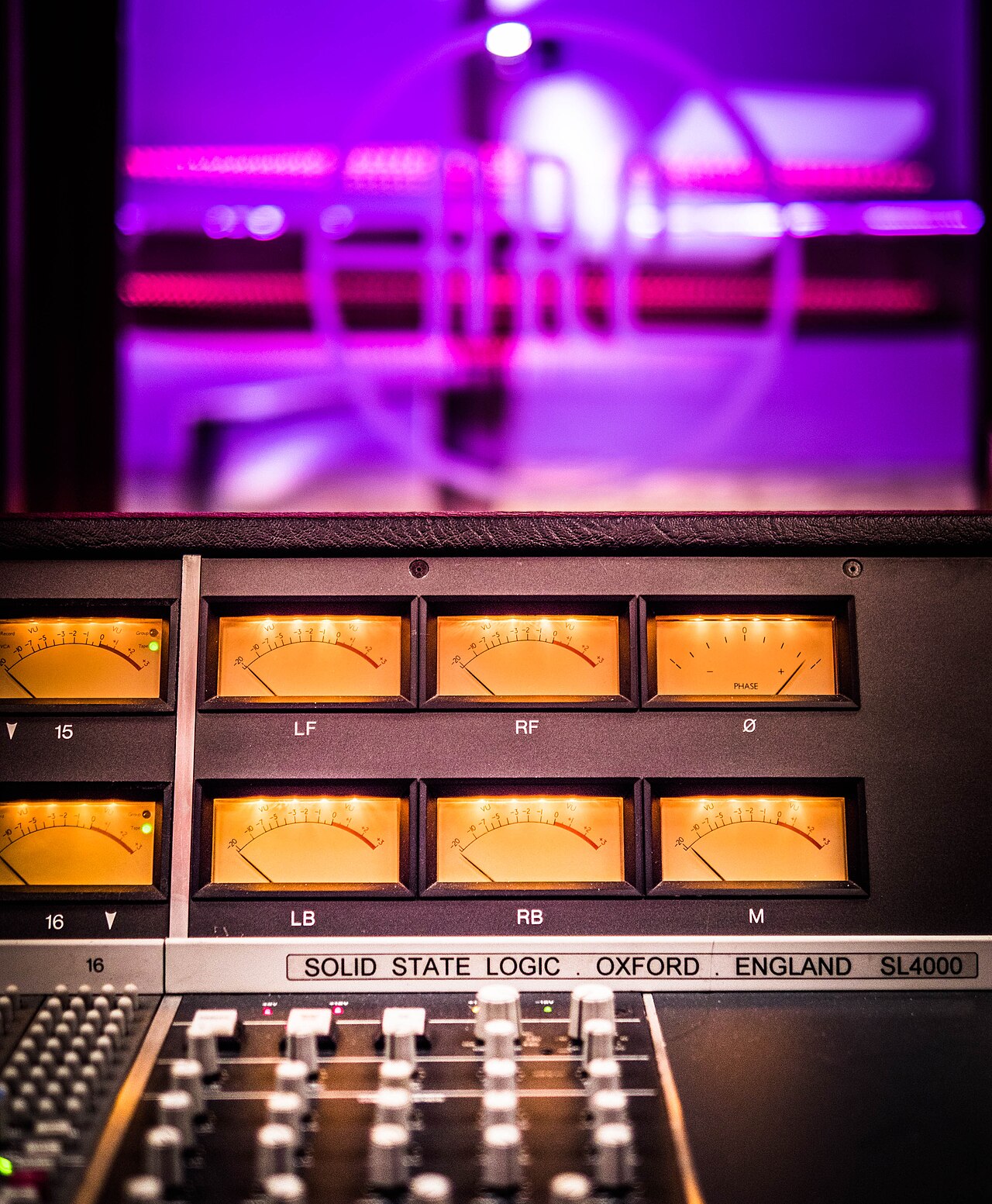
Engineers used the SSL 4000E to manipulate reverb tails with extreme precision. You could expand a drum sound and then use the onboard gate to clamp down on the decay. This made replicating the gated reverb effect much easier and more consistent across different sessions. The desk itself became a tool for sculpting the very texture of the gated reverb drum sound.
The SSL sonic signature was bright, punchy, and incredibly clean. It allowed the massive, layered sounds of the era to exist without turning into a muddy mess. When you hear a polished 1980s pop record, you are often hearing the influence of this console. It provided the headroom and the control necessary for such ambitious production.
Bob Clearmountain, a legendary mix engineer, utilized these tools to great effect. In an interview with Sound on Sound, he discussed his use of heavy compression and specific reverb units like the Lexicon 224 Digital Reverb. He sought to create massive drum sounds that still maintained clarity and impact. The SSL provided the canvas, and the Lexicon provided the space.
The Lexicon 224 allowed engineers to dial in lush, digital reverbs that they could shape precisely. When paired with the SSL's gates, it created the perfect environment for the gated reverb effect. The engineer could create a huge, shimmering wash of reverb and then use the console to chop it off instantly. This represented the peak of 1980s production technology.
This level of control changed the role of the mix engineer. They were no longer just balancing levels; they were architects of sound. They built environments of reverb and silence that could manipulate the listener's emotions. The 4000E gave them the surgical tools to do exactly that.
From Minneapolis to Los Angeles
Minneapolis producers Jimmy Jam and Terry Lewis redefined the sound of the mid-eighties. They used the Roland TR-80HD heavily on Janet Jackson's 1986 album Control, released on A&M Records. This approach helped define the "Minneapolis Sound," a blend of funk, R&B, and electronic precision. The 808 provided the deep, thumping foundation that drove the entire album.
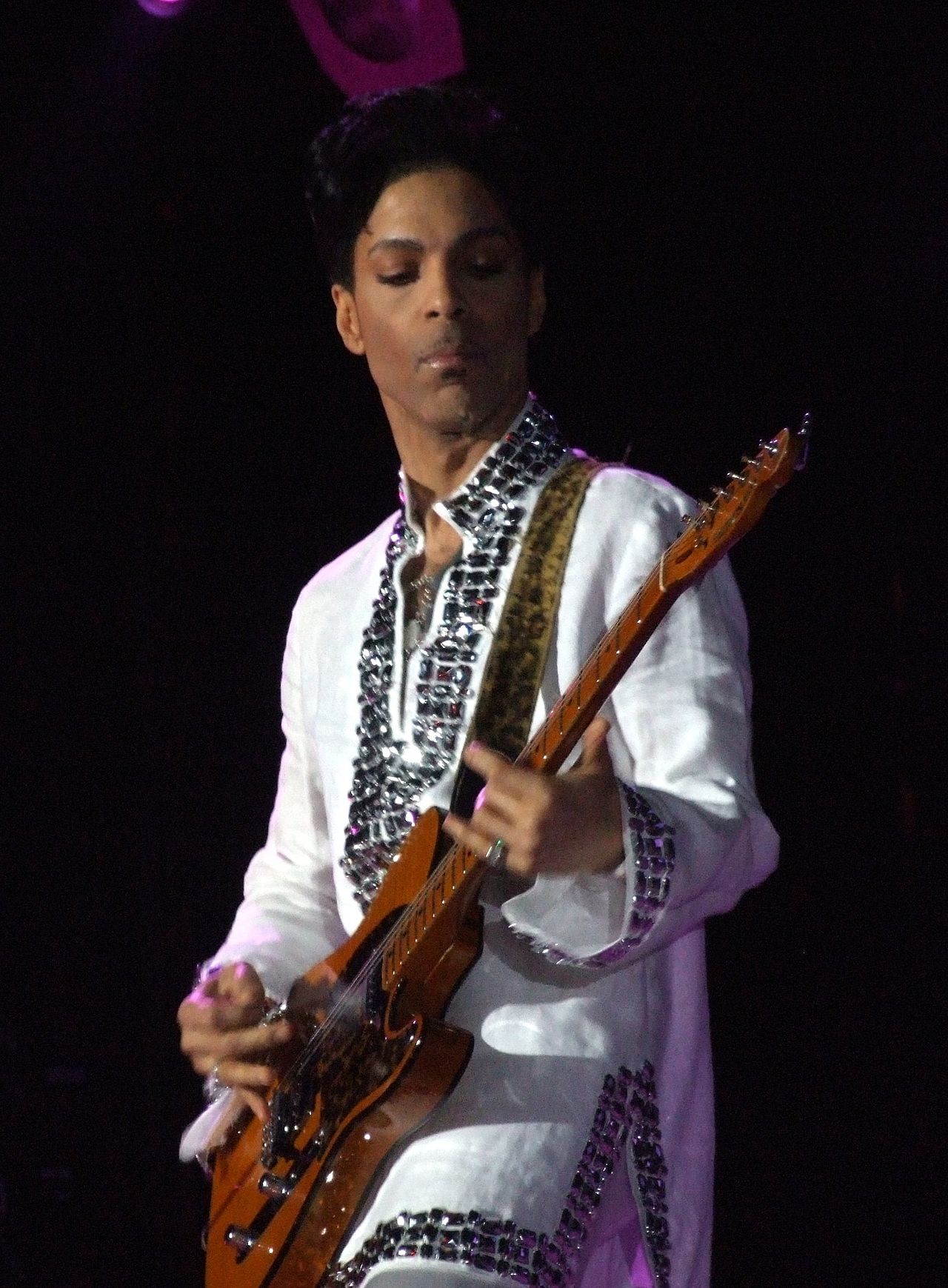
The 808's ability to provide a sub-bass kick made the tracks feel incredibly heavy in a club setting. Jam and Lewis layered these synthetic hits with sharp, crisp percussion to create a rhythmic tension. It was a sound that was both danceable and incredibly powerful. The album Control became a massive commercial success, largely due to this sonic identity.
Across the country in Los Angeles, the sound was more sampled and polished. The Yamaha RX series, such as the RX-11, provided a more realistic, sampled alternative to the purely analog sounds of the 808. Producers used these machines to add a layer of organic texture to their electronic arrangements. It allowed for a hybrid approach that blended the new with the old.
This era saw a constant tension between the synthetic and the sampled. Some producers wanted the pure, futuristic impact of the 808, while others craved the realism of the RX series. The best records often found a way to use both. They utilized the deep punch of analog synthesis and the crisp detail of digital samples.
The production on Control remains a masterclass in rhythmic arrangement. The way the 808 interacts with the programmed percussion creates a sense of forward motion. It is a sound that feels both incredibly disciplined and wildly energetic. It proved that electronic drums could carry the emotional weight of a major pop star's debut.
The influence of this period can still be heard in modern pop and hip-hop. The heavy, sub-bass kick of the 808 is now a global standard. The idea of using drum machines to create a distinct, identifiable genre sound remains a fundamental part of music production. The eighties didn't just invent a sound; they invented a new way to build a hit.
The Hybrid Era of the TR-90 Hi-Hat
Roland released the TR-909 in 1983, and it represented a massive leap forward in drum machine design. Unlike the 808, which was purely analog, the 909 used a hybrid approach. It combined analog synthesis for the kick and snare with 6-bit digital samples for the cymbals and hi-hats. This gave the machine a unique character that was both punchy and detailed.
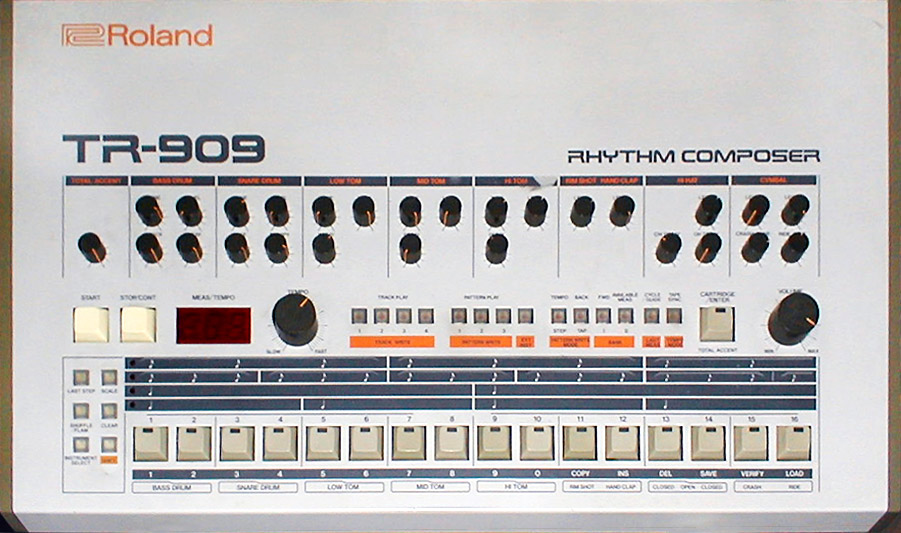
The analog kick of the 909 had a much harder, more aggressive attack than the 808. This made it perfect for the emerging house and techno scenes. It could cut through a dense club system with ease. The digital cymbals provided a crisp, metallic shimmer that added a layer of high-end clarity to the rhythm.
Producers found that the 909 could bridge the gap between the funk of the 808 and the realism of the Linn machines. It offered the heavy, driving low-end of an analog synth with the rhythmic complexity of sampled percussion. This versatility made it a staple in studios for decades. It became the backbone of the acid house revolution in the late eighties.
The 909's ability to drive a groove was unmatched. The swing settings and the way the hits interacted with the sequencer created a sense of "groove" that was hard to replicate on other machines. It felt like a living, breathing rhythm section. This was the final piece of the electronic drum evolution in the eighties.
The transition from the 808 to the 909 mirrored the broader shift in music production. The industry moved from the purely synthetic towards a more complex, layered approach. The 909 captured this moment perfectly, blending the two worlds into a single, powerful instrument. It was the sound of the future arriving in the mid-eighties.
The eighties were a period of intense experimentation with texture and decay. From the gated reverb of Phil Collins to the hybrid punch of the TR-909, every choice targeted impact. These engineers and producers didn't just want to record music; they wanted to create sonic events. They used every tool available to make the drums hit harder than ever before.