The Hidden Cost of Airplay: Modern Radio Payola
New York City airwaves crackled with frantic energy in 1959. DJs spun R&B records that bypassed traditional gatekeepers, ignoring the polished pop standards of the era. Alan Freed controlled the tempo of the city through heavy rotation of rhythm and blues tracks.
He held the power to make a record explode or die in a basement studio. This era of influence relied on a simple, brutal transaction. Money moved between record labels and radio stations to ensure a song hit the heavy rotation list. This radio payola system operated in the shadows of the late fifties, fueled by cash in envelopes and late-night handshakes.
The Federal Communications Commission watched the charts with growing suspicion. They saw certain tracks climb the Billboard Hot 100 with unnatural, sudden velocity. It felt less like organic popularity and solely like a coordinated strike by major labels. The sheer volume of certain songs suggested that airplay did not come from merit alone. The mechanics of the industry shifted toward a model where the checkbook mattered more than the melody.
Dick Clark sat in the center of this storm during the late 1950s investigations. Investigators scrutinized his relationship with various promoters and his influence on the burgeoning teenage market. While Clark avoided the total destruction that claimed others, the legal pressure changed how the industry operated. The authorities wanted to sever the link between promotion budgets and the rotation of records. They targeted the very foundation of how a song became a hit.
The 1960 Fall of Alan Freed
Alan Freed paced the studios of WINS in Manhattan, a man who knew the pulse of the street. He was the architect of the Rock and Roll era, a name synonymous with the transition from jazz to rock. However, the House Subcommittee on Legislative Oversight saw him differently. They saw a man who exploited his platform for private gain. The 1960 investigation into payola became a scorched-earth campaign against the medium of radio itself.
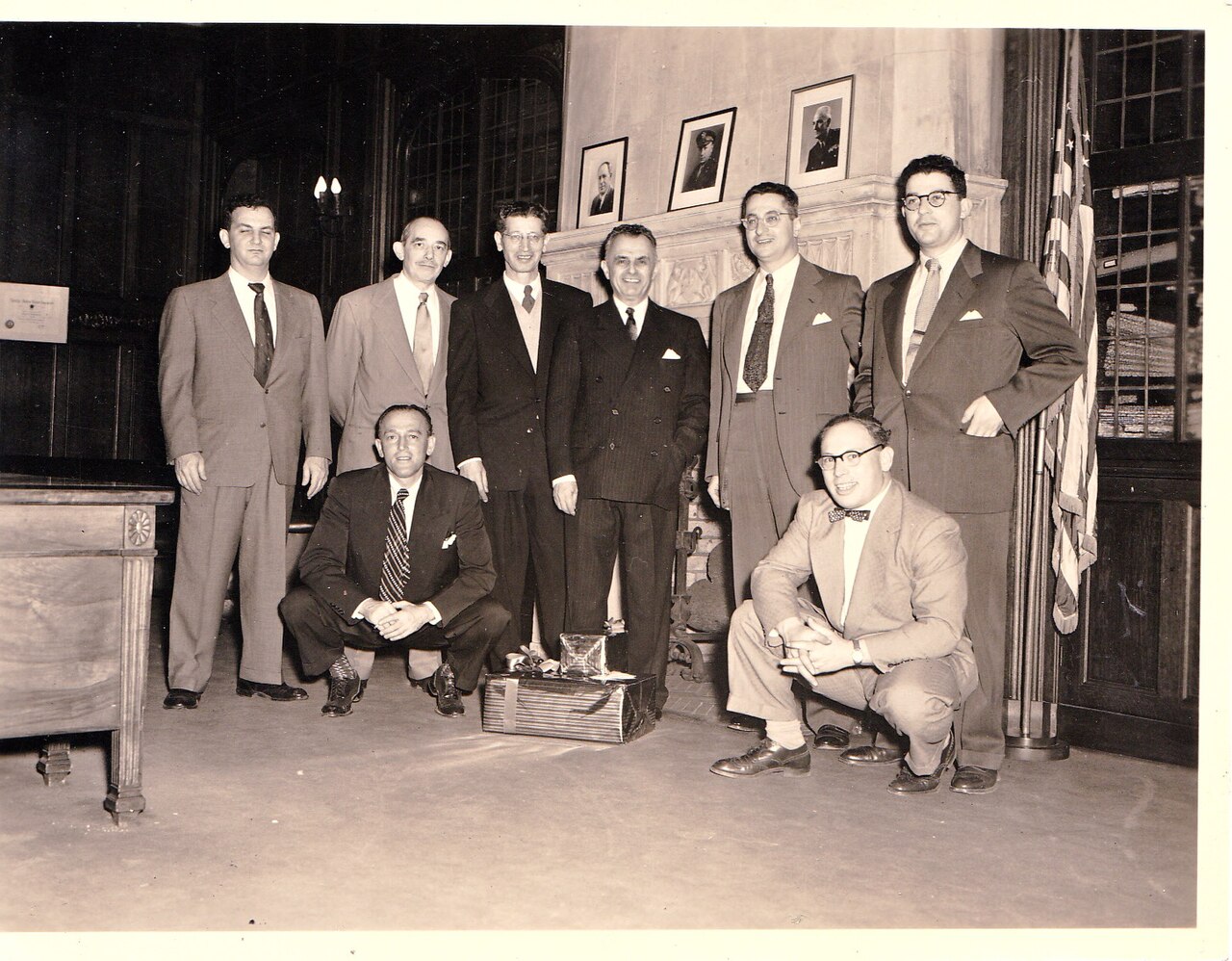
Investigators found evidence of payments made to influential disc jockeys to favor specific records. The subcommittee focused on the way money moved from labels to the personalities who controlled the microphones. They uncovered a cycle where labels paid for spins, and those spins generated the revenue to pay for more spins. This loop bypassed the actual quality of the music. It turned the radio into a high-priced billboard rather than a cultural curator.
"The purpose of this investigation is to determine whether the airwaves are being used for the benefit of the public or for the benefit of those who can pay the most."
The fallout for Freed was absolute and devastating. The FCC revoked licenses and effectively blacklisted the man who had brought rock and roll to the mainstream. His career ended in a cloud of legal scrutiny and professional disgrace. He lost his ability to influence the charts, and the era of the untouchable, kingmaker DJ began to fade. The industry scrambled to find new, more subtle ways to manipulate the airwaves.
Radio stations faced intense scrutiny during this period. The FCC began enforcing stricter rules regarding the disclosure of any promotional gifts or payments. This crackdown did not stop the practice of promotion, but it forced it into a much more bureaucratic form. The industry moved away from the overt, cash-heavy transactions of the Freed era toward something more organized. The spirit of the manipulation remained, even if the methods became harder to track.
The Rise of the Independent Promoter
Joe Frazier operated in the shadows of the 1970s radio markets. He was not a DJ, but he held significant sway over the rotation of hits. These figures, known as independent promoters, became the new architects of the airwaves. They acted as the middle tier between the major labels and the radio programmers. If a label wanted a song to reach the top of the charts, they hired a promoter to ensure it happened.

Promoters like Fred Braun worked within the major markets of New York, Los Angeles, and Chicago. They specialized in the art of the "plug." Their job involved building relationships with program directors and music directors. They ensured that a new single received the necessary "adds" to its weekly rotation. This was not always an overt bribe, but it involved a complex web of hospitality, gifts, and promotional budgets. The line between legitimate marketing and illegal influence grew thin and blurry.
Label financial statements from this era reveal the scale of this operation. Under headings like "independent promotion" or "marketing," massive sums of money disappeared into the hands of these third-party agents. These line items were the modern equivalent of the envelopes passed to Alan Freed. They allowed labels to maintain a layer of plausible deniability. They could claim they were merely paying for a service rather than buying airplay.
The station plugger became a fixture in the industry. These professionals moved between radio stations with a physical presence that was impossible to ignore. They brought the energy of the label directly to the people who controlled the dials. A plugger's success depended on their ability to navigate the social hierarchies of the radio industry. They turned the promotion of a new record into a high-stakes game of networking and persistence.
This era saw the birth of the modern hit-making machine. The music itself remained vital, but the infrastructure surrounding it had become a professionalized industry. The ability to move a record depended heavily on the strength of a label's promotional arm. Without a dedicated team of promoters and pluggers, even the most infectious melody could fail to find an audience. The industry moved from the chaos of the fifties to the calculated maneuvers of the seventies.
The Spitzer Investigation and Label Settlements
Eliot Spitzer launched a frontal assault on the music industry in 2005. As the New York Attorney General, he targeted the massive budgets of Sony BMG and Universal Music Group. The investigation focused on the illegal payments made to radio programmers to secure airplay. Spitzer's office uncovered a systemic culture of "pay-for-play" that had survived for decades. The scale of the findings shocked the public and the industry alike.

The investigation revealed that major labels were still using "independent promotion" as a front for illegal activity. They were essentially buying the rotation of certain tracks through various conduits. This was not a localized issue but a structural component of how the biggest hits were manufactured. The New York Attorney General's office presented evidence that these practices were widespread across the major radio markets. The industry caught itself in a web of its own making.
The legal pressure forced a massive settlement in 2005. The major labels agreed to cease these specific promotional practices to avoid even more severe litigation. They had to change how they interacted with radio programmers and independent promoters. The settlement included strict guidelines on what could be enough to constitute legitimate marketing. It was a moment of forced transparency for an industry that thrived on opacity.
The settlement did not end the desire for airplay, but it altered the mechanics of the transaction. The industry could no longer rely on the same overt methods of direct payment. The power shifted away from the individual programmer toward the larger, more controlled structures of corporate radio. The era of the rogue, bribe-breaking DJ died, replaced by the era of the corporate-driven rotation. The money still moved, but it moved through more legitimate-looking channels.
This investigation also highlighted the impact on songwriters and publishers. The performance royalties collected by organizations like BMI and ASCAP depend entirely on the number of spins a song receives. When a label successfully manipulates the airplay, they do not just promote a single; they even inflate the revenue stream for the entire publishing ecosystem. Increased rotation leads to larger royalty checks, creating a direct financial incentive for the manipulation of the charts. The stakes of the radio payola system extend far beyond the immediate popularity of a song.
Nielsen BDS and the End of Manual Spins
Nielsen BDS changed everything in the 1980s. This technology introduced an automated system for tracking exactly what played on the radio. Before BDS, radio programmers could manually manipulate rotation logs to hide the true frequency of certain tracks. They could report a song as playing ten times when it actually played fifty. The introduction of digital monitoring made this type of deception nearly impossible to maintain.
The system used digital fingerprinting to identify songs as they aired. This provided an indisputable record of every spin, every station, and every second of airplay. The era of the "secret" heavy rotation ended abruptly. Labels could no longer rely on the word of a friendly programmer to validate their promotional efforts. The data provided a level of transparency that the industry had never experienced before.
This technological shift stripped away the cover for many of the older, more blatant promotional tactics. The industry had to adapt to a well-documented world where every single play was recorded and audited. This forced a move toward more data-driven promotion strategies. Labels began to focus on the actual numbers provided by BDS to determine where to allocate their marketing budgets. The focus shifted from the handshake to the spreadsheet.
The digital era brought a new kind of scrutiny. While the manual manipulation of logs died, the influence of labels shifted toward other forms of curation. The technology made the old way of doing business obsolete, but it did not eliminate the underlying desire to control the narrative. The industry simply found new, more sophisticated ways to influence what listeners heard.
The impact on the charts was profound. The Billboard charts became more accurate, reflecting the true state of radio airplay. This period saw a more intense competition between labels to dominate the BDS-tracked metrics. The ability to drive high spin counts became the new metric of success. The battle for the top of the charts moved from the dark corners of the radio station to the data centers of Nielsen.
The New Frontier of Playlist Placement
Spotify's "New Music Friday" represents the modern evolution of the radio payola system. The concept of the gatekeeper has not disappeared; it has simply migrated to the digital platform. Instead of radio programmers, we now deal with editorial playlist curators. These individuals hold the power to launch a career or bury a song in the depths of a digital library. The influence of major labels on these playlists is the new frontier of industry promotion.
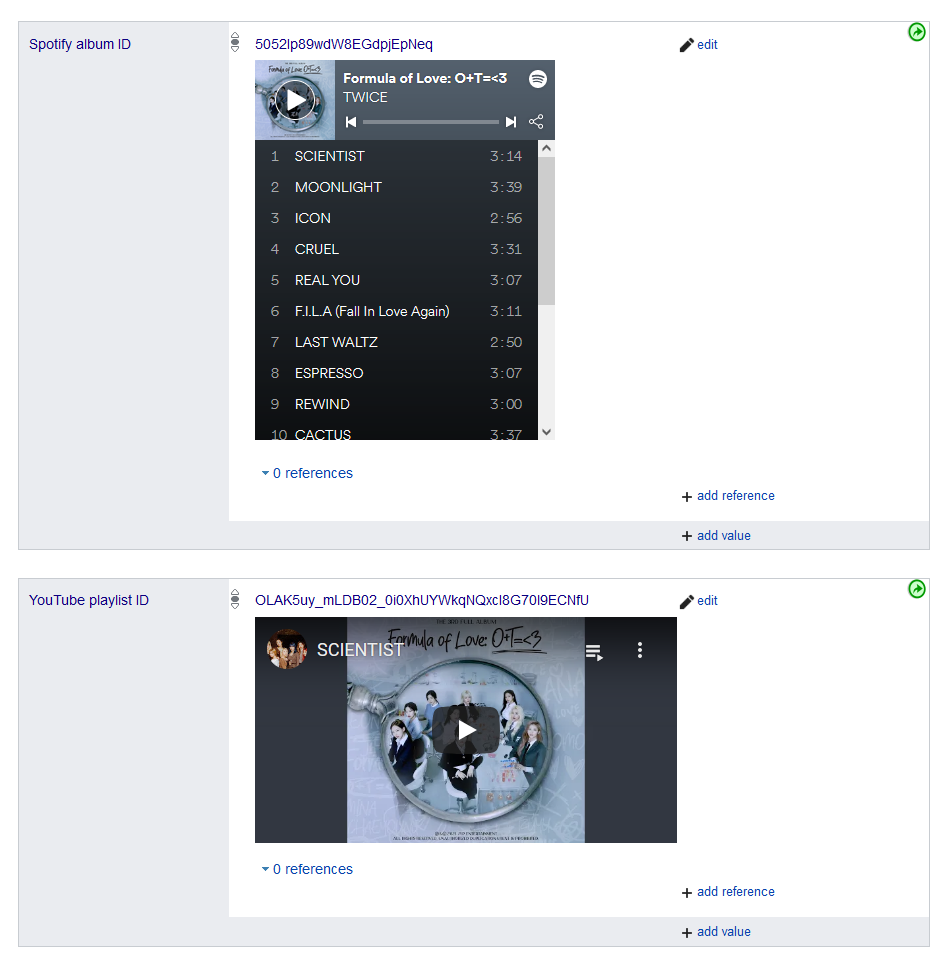
Label-driven placement on major editorial playlists functions much like the station pluggers of the past. A massive marketing budget can ensure a track appears at the top of a high-traffic playlist. While this is not a direct cash payment for a spin, the influence is unmistakable. The mechanics of "Radio Promotion" budgets are now being redirected into digital marketing and playlisting services. The goal remains the same: maximum visibility through controlled exposure.
The shift from terrestrial radio to streaming has changed the listener's experience, but not the industry's underlying structure. We see the same patterns of heavy rotation and strategic placement. The "New Music Friday" phenomenon creates a sense of discovery that is often heavily manufactured by label interests. The ease of access to music has not democratized the charts so much as it has centralized the power of curation within the hands of a few major players and their algorithms.
The transparency of the digital age is an illusion. We can see the numbers, but we cannot see the deals. The influence of a label's digital marketing team is as potent today as a promoter's influence was in 1975. The technology has changed, but the fundamental struggle for control over the ear of the listener remains constant. The shadows have simply moved from the radio studio to the server farm.
The music industry continues to find ways to bypass the barriers to entry. Whether through the radio airwaves of the 1960s or the algorithmic playlists of the 2020s, the drive to control the narrative is relentless. We listen to the hits, often unaware of the invisible hands guiding our ears. The cost of this influence is a loss of true organic discovery, replaced by a highly efficient, highly paid, and highly curated experience.