The Lost Tapes of Buddy Holly's Final Session
The Pythian Temple, February 3, 1959
A bitter, biting edge gripped the New York City air on the morning of February 3, 19ly. Inside the heavy, ornate doors of the Pythian Temple, the atmosphere shifted. The studio space, a cavernous relic of a grander era, stood in stark contrast to the frantic energy of the rock and roll clubs Buddy Holly had recently conquered. On this Tuesday, the focus remained singular: the creation of new sounds. No sense of an end permeated the room. Only the rhythmic click of the metronome and the steady, professional pursuit of a hit record remained.
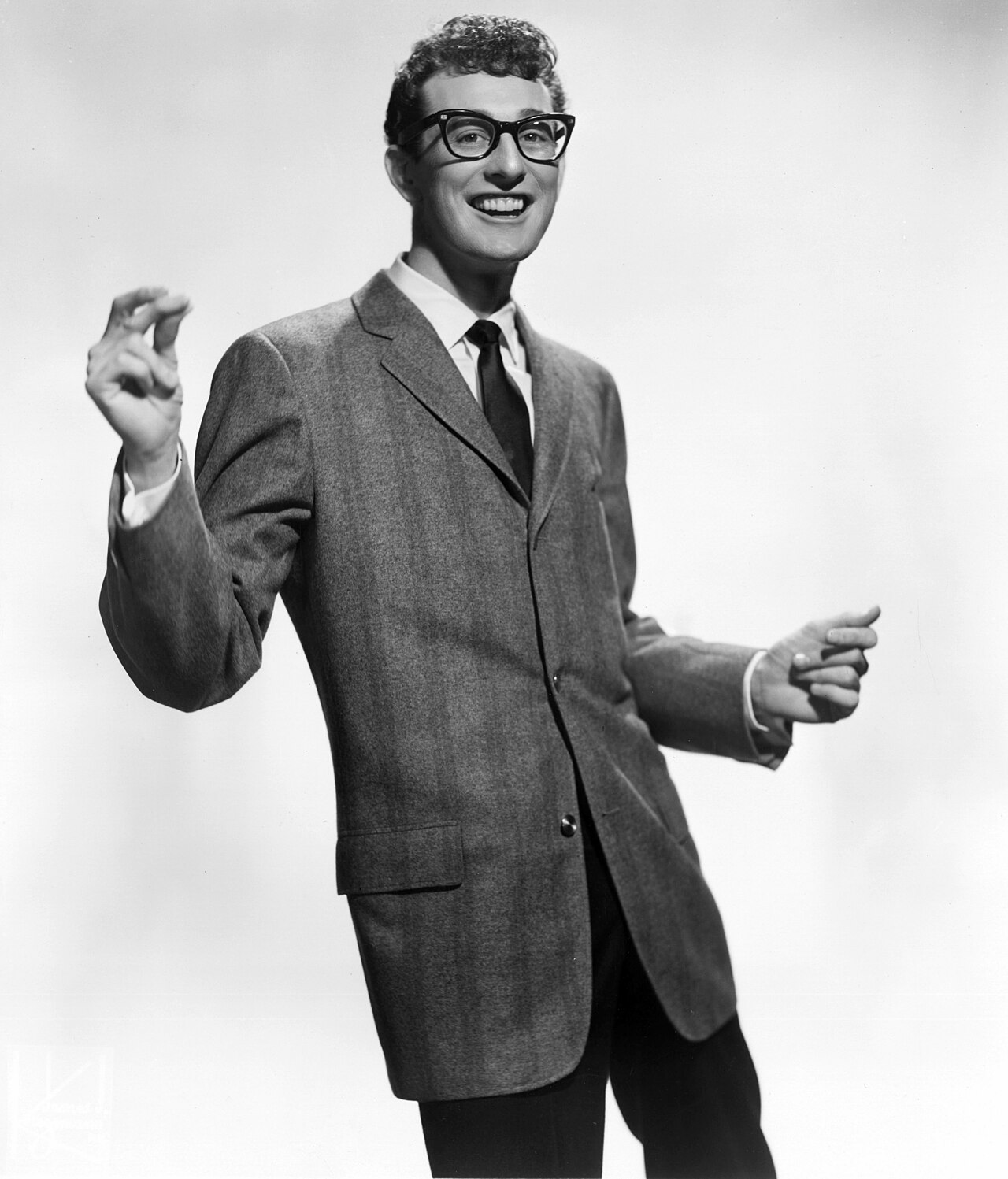
These sessions at the Pythian Temple marked a specific moment of transition in American music. Holly arrived in Manhattan not as a teen idol looking for a quick thrill, but as a meticulous craftsman. He brought the weight of his recent successes and the heavy expectations of Coral Records, a subsidiary of the Decca powerhouse. The studio setup lacked the raw, unpolished grit of the early Lubbock recordings. Instead, the Pythian Temple provided a controlled environment where engineers captured every note with clarity. The engineers worked with precision, capturing the resonance of the room and the sharp attack of the percussion.
Listeners often forget the sheer physical presence of these sessions. The Pythian Temple possessed a specific acoustic signature - a high-ceilinged, resonant quality that allowed for a larger-than-life sound. Holly utilized this space to experiment. He moved away from the stripped-back, three-chord urgency of his earliest work to seek a more expansive sonic palette. He wanted something that could fill larger venues and reach more sophisticated ears. The tracks recorded that on the lost tapes of Buddy Holly's final session, though shrouded in the tragedy that followed, reveal a musician pushing against the boundaries of his own established genre. He was no longer just a rockabilly singer. He was becoming a composer.
A Departure from The Crickets
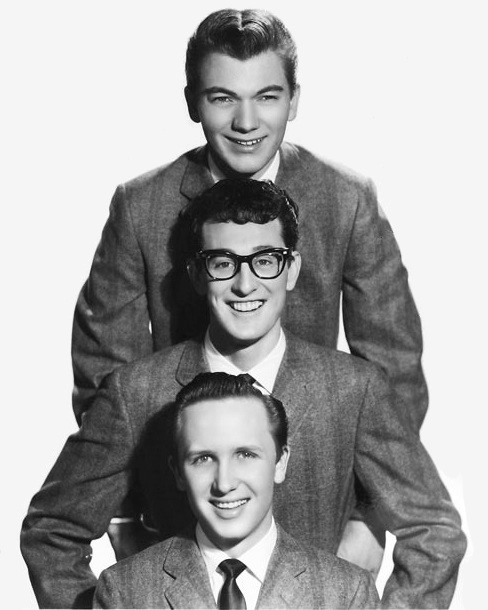
The absence of the familiar provided the most jarring element of the February 3 sessions. For years, the name Buddy Holly functioned as shorthand for the symbiotic relationship between him and The Crickets. The band provided the rhythmic backbone, the driving shuffle, and the unmistakable sonic identity that defined the late 1950s. However, the New York sessions signaled a deliberate, almost clinical break from that collective identity. Holly arrived at the Pyton Temple with a different crew. He brought in session professionals who offered a polished, disciplined precision that the more intuitive, garage-style energy of The Crickets lacked.
The lineup featured Carl Curtis on bass and Sonny Breaux on drums. This change altered the very DNA of the music. Where the Crickets provided a loose, swinging momentum, Curtis and Breaux delivered a steady, metronomic foundation. Curtis played with a clean, melodic sensibility on the bass, providing a sturdy anchor for Holly's vocal explorations. Breaux's drumming lacked the wild, crashing unpredictability of early rock and roll; instead, he provided a crisp, tight pocket that allowed the melodies to breathe. This move toward studio-centric professionalism would define the next decade of pop production.
Holly viewed this departure not as an act of betrayal, but as an act of evolution. He recognized that the studio offered opportunities that a touring band could not always replicate. By employing session players like Curtis and Breaux, he could dictate the structural nuances of a moving song with much greater control. He could demand specific textures and rhythmic shifts that required a different kind of musical literacy. The tension between the old, communal rock and roll spirit and this new, individualistic studio ambition rings in every take. It is the sound of an artist out ofgrowing his original vessel.
The Sound of Solo Ambition
Stripping away the historical tragedy reveals a fascinating, if somewhat lonely, achievement. The songs possess a certain sheen, a smoothness that suggests Holly was eyeing the same pop-standard territory that artists like Roy Orbison or even early Elvis Presley were beginning to inhabit. There is less distortion here. There is more space. The arrangements feel deliberate, almost architectural. The tracks move with a professional grace that prioritizes melody and clarity over raw, distorted power.
Consider the song "Claudette." It serves as a perfect specimen of this era. It lacks the frantic, hiccuping energy of "That'll Be the Day." Instead, it offers a melodic sweetness, a structured pop sensibility that feels much closer to the Brill Building style of songwriting than to the Mississippi Delta. The rhythm section of Curtis and Breaux provides a polished, unobtrusive pulse. The song breathes. It allows Holly to showcase his ability to carry a melody without the constant rhythmic interference of a heavy guitar riff. He uses his voice as a precision instrument, navigating the melodic leaps with an ease that belittles the technical difficulty of the arrangements.
This recording period represented an attempt to redefine Buddy Holly as a solo entity, independent of the Crickets' brand. He was testing the waters of the pop mainstream. He was seeing if his songwriting could survive without the specific, gritty interplay of his original band members. The Coral Records archives contain many such unreleased tracks, many of which appeared on posthumous compilations. When you listen to these recordings, you hear an artist who was no longer satisfied with being a rock and roll star. He wanted to be a musical architect. He was building something more permanent, something more durable than a mere fad.
The Tragedy in Clear Lake

The trajectory of American music changed forever on that same day, February 3, 1959. The music recorded in the Pythian Temple would never receive the context of a living, breathing, evolving artist. Instead, it became a series of frozen moments, artifacts of a life cut short. The flight, a Beechcraft Bonanza, was meant to transport the musicians to their next performance. The pilot, Roger Peterson, struggled with the heavy weather and the visibility issues that plagued the flight. The plane went down near Clear Lake, Iowa, in a sudden,㖑 violent crash that ended the lives of three icons.
The loss of Buddy Holly, Ritchie Valens, and J.P. "The Big Bopper" Richardson sent a shockwave through the culture. It felt like more than just the death of three performers; it felt like the death of an era. The imagery of the crash site in Clear Lake remains etched in the collective memory of music history. The suddenness of the event, the lack of warning, the sheer finality of it. There was no encore. There was no farewell tour. There was only the wreckage of a Beechcraft Bonanza and a profound, hollow silence in the rock and roll world.
The tragedy effectively halted the evolution Holly had begun in New York. The solo path he was carving, the move toward session-driven, sophisticated pop, remained unfinished. We are left only with the fragments. We are left with the recordings that were completed just hours before the news broke. The deaths of Valens and Richardson, two artists who were on the verge of massive, transformative careers, added a layer of cosmic cruelty to the event. The music world didn't just lose a singer; it lost a momentum that might have altered the course of the 1960s entirely.
The Echoes in the Archives
For decades, the recordings from those final New York sessions existed in a state of limbo. They were the ghosts of a career that never reached its logical conclusion. However, the archives of the Coral label eventually yielded these treasures. Through various posthumous compildenations, the world heard the final breaths of Holly's creative output. These releases allowed us to piece together the final puzzle of his musical intent. We could finally hear the direction he was heading before the lights went out.
Listening to these tracks today feels like eavesdropping on a private rehearsal for a future that never happened. There is a certain melancholy in hearing the clean, professional work of Curtis and Breaux paired with Holly's voice. It lacks the symbiotic warmth of the Crickets, but it possesses a certain stark, lonely beauty. The tracks are not mere relics; they are evidence of a man working through the hard, necessary process of reinvention. They prove that even in his final hours, Holly was not resting on his laurels. He was pushing forward.
The legacy of the February 3 sessions remains a subject of intense fascination for music historians and fans alike. They serve as a reminder that the most important moment in an artist's career is often the one they never got to finish. These tapes do not just document a session; they document a transition. They capture the sound of a man stepping out of the shadows of his own band and into the light of a solo future. While the tragedy in Clear Lake remains a heavy, permanent shadow over the music, the music itself, captured in the halls of the Pythian Temple, continues to speak with a clear, uncompromised voice.