The Memphis Studio of Three Final Masterpieces
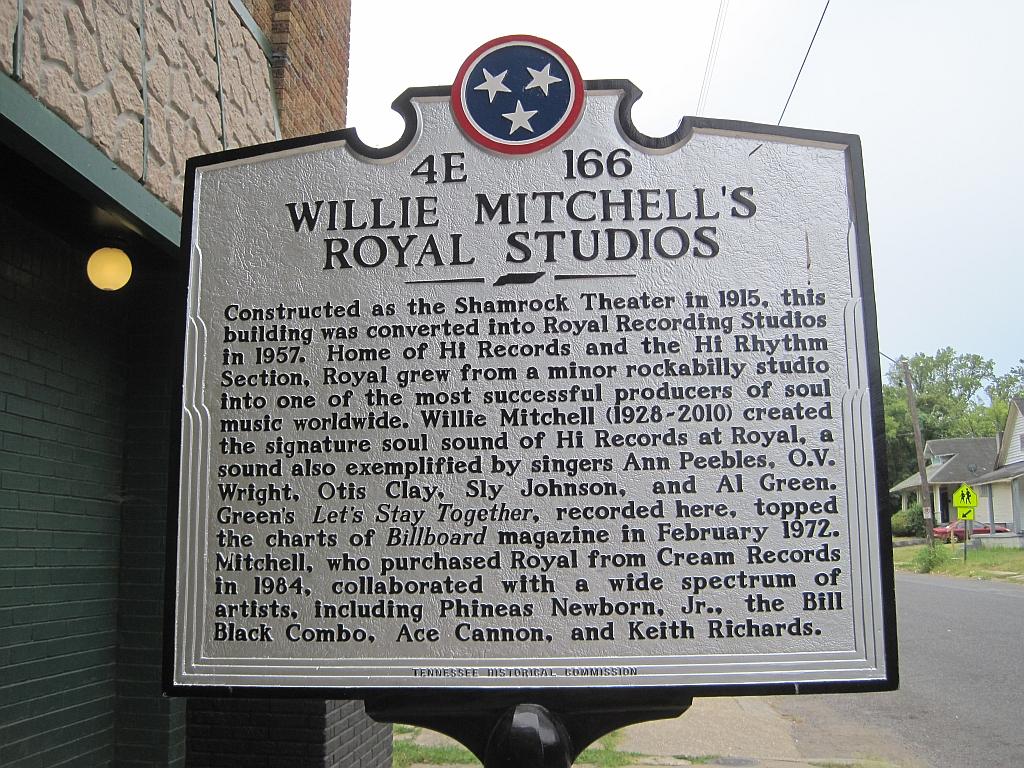
1660 Madison Avenue smelled of stale coffee and hot vacuum tubes in the summer of 1972. Memphis heat pressed against the brick walls of Hi's Studio, a heavy, humid weight that thickened the air inside the control room. Engineers adjusted levels on a custom-built Neve mixing console while Al Green leaned into a Neumann U47 microphone, his voice hovering between a heavy whisper and a prayer. This small Tennessee space captured more than just notes. It captured the physical exhaustion and spiritual yearning of a city in transition.
Hi's Studio Memphis served as the furnace where the grit of the Delta met the polish of high-end production. Soul found its most sophisticated form within these walls. Musicians left pieces of their lives embedded in the magnetic tape. The studio provided a sanctuary for artists who needed a specific kind of warmth to survive the changing tides of the seventies.
The walls of this room heard the collapse of an era and the birth of a new, more intimate sound. While the rest of the world moved toward disco and stadium rock, this corner of Tennessee stayed rooted in the groove. The studio provided the foundation for three distinct, massive shifts in American music. These shifts moved from the raw energy of Otis Redding to the velvet smoothness of Al Green, and finally to the weary, twilight grandeur of Elvis Presley.
The Technical Foundation of Hi's Studio Memphis
Madison Avenue provided the backdrop for a sonic revolution that bypassed the glossy artifice of Los and the session-player sheen of Detroit. The studio sat near the heart of the city, a physical anchor for the local rhythm sections. Musicians from Stax Records frequently drifted toward this location, carrying their gear and their heavy-handed swing. This movement of players created a shared DNA that made every session feel like part of a continuous conversation.
The technical setup at the studio favored a dense, saturated texture. Engineers relied on Ampex ATR-120 tape machines to compress the transients of the drums, giving the percussion a thud that felt like a heartbeat. Every snare hit carried a slight smear of tape saturation. This physical thickness defined the Memphis sound, making the low end feel like a heavy blanket draped over the listener.
Producer Dan Penn understood how to manipulate this environment to suit his artists. He worked alongside arranger Bobby Robinson to structure songs that utilized the studio's natural compression. They did not fight the room. Instead, they leaned into its density. They used the natural decay of the studio walls to let the brass sections bloom without overwhelming the vocalists.
The studio space functioned as a laboratory for rhythm. A drummer could hit a cymbal and hear it shimmer through the custom mixing console with a tactile clarity. This clarity allowed for the delicate interplay between the bass and the kick drum. It was a precise, muscular way of recording that demanded absolute discipline from the musicians.
The Soul of Otis Redding
Otis Redding walked into the studio with a frantic, unstoppable energy. His sessions contributed to the monumental 1967 release Otis Blue/Otis Redding Sings Soul. The tracks recorded in these Memphis rooms captured a man at the height of his powers, pushing his vocal cords to the brink of breakage. You can hear the sweat in the recordings, a literal byproduct of the intense physical exertion required to sustain his phrasing.
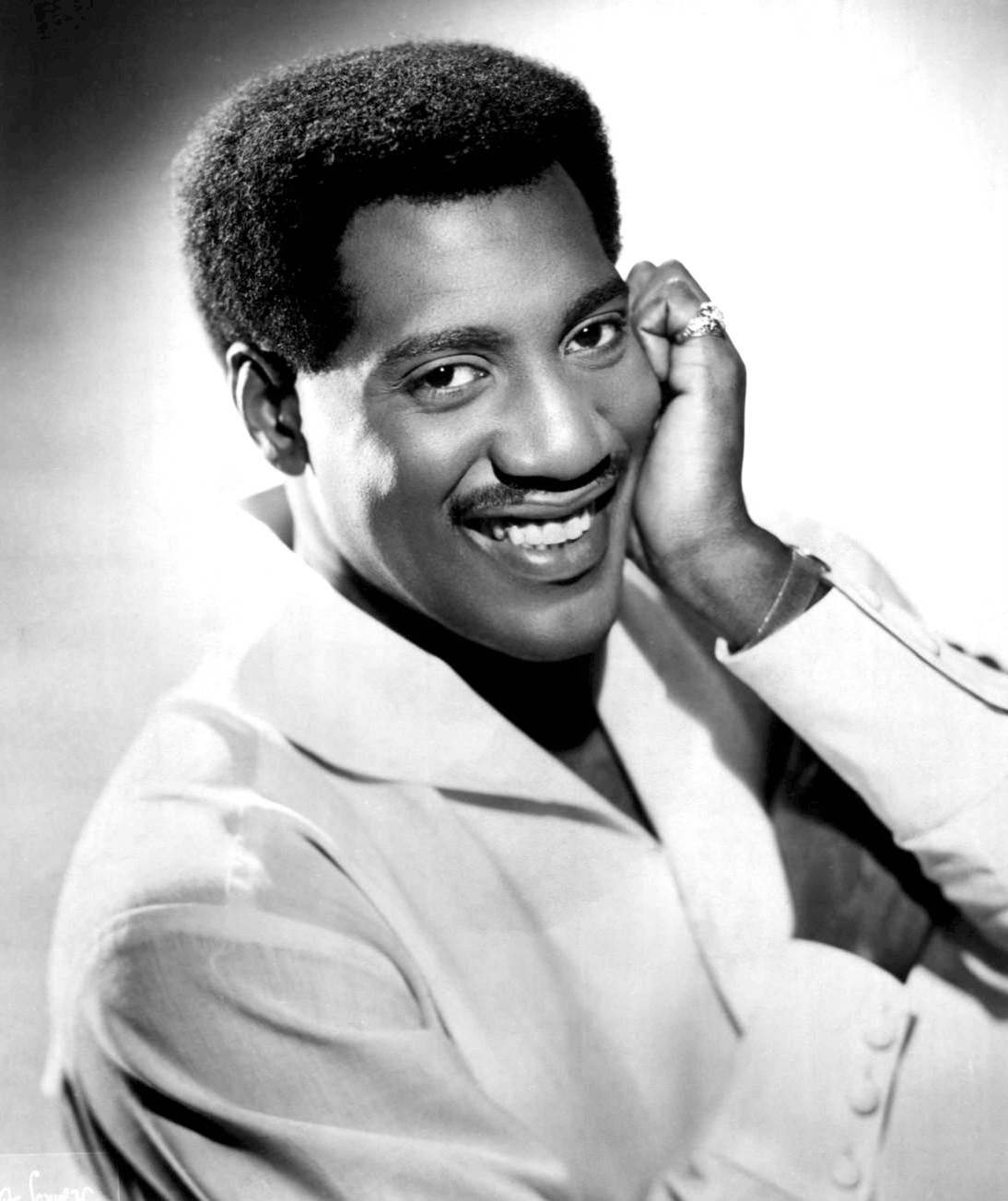
The music felt urgent, driven by a rhythmic propulsion that refused to settle. Redding used the studio to experiment with tension and release, often pulling back to a mere whisper before exploding into a gritty, soulful roar. The engineers captured the way his voice cracked under pressure, a detail that added a very human layer to the polished soul arrangements. It was a physical confrontation with the listener.
Tragedy struck in December 1967 when a plane crash claimed Redding's life. This event fundamentally altered the trajectory of the studio's soul output. The loss of such a central figure left a void that no amount of talent could easily fill. The studio's output began to shift from the high-energy singles of the mid-sixties toward something more reflective and somber.
"Respect, but forget me, / I'm going to find a way to be free."
The lyrics of the era began to mirror this loss of innocence. The frantic joy of the early sixties gave way to a more contemplative, often melancholic approach to songwriting. While the musicians remained the same, the emotional temperature of the studio dropped. The studio became a place for processing grief through the medium of rhythm and blues.
Al Green and the Hi Rhythm Section
Al Green arrived at the studio to redefine the very concept of soul. By undoubtedly 1972, the sound had moved away from the brassy aggression of the Redding era. Green utilized the Hi's Studio rhythm section to craft the legendary 1972 album I'm Still in Love with You. The groove on this record does not drive forward so much as it circles inward, creating a hypnotic, swirling sensation.
Drummer Al Jackson Jr. and bassist Donald "Duck" Dunn provided the rhythmic backbone for this transformation. Their playing prioritized a deep, pocket-focused groove over flashy fills. The bass lines sat low in the mix, providing a steady, pulsating foundation that allowed Green's vocals to float effortlessly. It was a masterclass in restraint and rhythmic precision.
The sound of this era felt smooth, almost liquid, like honey pouring from a jar. Green's vocals possessed a velvet texture that seemed to coat the edges of the instruments. The drums did not snap; they thudded with a soft, dampened precision. This approach turned the studio into a space for romantic, late-night meditations rather than dancefloor anthems.
Every element of the production worked to support this intimacy. The engineers kept the levels controlled, avoiding the harsh transients that might disrupt the mellow atmosphere. This careful handling of the signal path allowed the subtle nuances of Green's vocal delivery to shine. The studio's technical capabilities enhanced the emotional vulnerability of the artist.
The Fading Light of the King
Elvis Presley entered the studio in 1976, a shadow of the titan who had dominated the previous decades. The sessions for From Elvis Presley Boulevard, Memphis, signaled a decline in both his commercial and physical vitality. The music lacked the muscular swagger of his 1970s Las Vegas era. Instead, it felt heavy, burdened by the weight of his own legend and the physical toll of his lifestyle.

The 1977 sessions for Elvis in Memphis featured a legendary group of session musicians. Guitarist Bobby Wood, drummer Jerry Carrigan, and bassist Mike Leech brought a professional, steady hand to the sessions. They attempted to inject a sense of grit and soul into the recordings, trying to reconnect Elvis with his Memphis roots. Their presence provided a much-needed structural integrity to the sessions.
The recordings possess a certain melancholy, a sense of a great flame flickering in a drafty room. You can hear the struggle in the arrangements, an attempt to find the old magic amidst the exhaustion. The tracks do not soar; they plod with a weary, deliberate pace. It is a difficult listen because it documents the end of a monumental era in real time.
Despite the decline, the sessions remain a vital piece of Memphis musical history. They capture a moment where the past and the present collided in a way that felt both tragic and beautiful. The musicians played with a profound respect for the man, even as his physical strength waned. The studio recorded the sound of a legend attempting to find his way home.
The Ampex Sound and Memphis DNA
The sonic DNA of Hi's Studio Memphis grew from a foundation of analog warmth. The reliance on Ampex tape machines meant that every recording carried a specific, pleasing distortion. This saturation smoothed out the sharp edges of the percussion and added a harmonic richness to the vocals. It created a cohesive sound that unified disparate artists under a single, recognizable aesthetic.
Custom-built mixing consoles allowed engineers to manipulate the frequency response with great specificity. They could boost the low-mids to give the bass a chest-hitting presence or roll off the highs to keep the cymbals from sounding too brittle. This level of control was essential for achieving the dense, saturated sound that defined the era. The engineers functioned as much as part of the musical process as the players themselves.
The shared use of musicians between Hi's Studio and Stax Records created a seamless sonic continuity. A guitarist might play a session for Al Green in the evenng and an Elvis track in the afternoon. This constant rotation of talent ensured that the Memphis soul sound remained consistent across different labels and genres. The studio acted as a central hub for a unified musical language.
This era marked the transition from the high-concept soul singles of the sixties to more personal, adult contemporary albums in the seventies. The focus shifted from the immediate impact of a three-minute hit to the deeper, more layered storytelling of the long-playing record. The studio's technical ability to capture this nuance was crucial to this evolution. It allowed for a more complex, layered approach to production and arrangement.
The End of an Era in Tennessee
The 1970s eventually gave way to a new musical era that prioritized digital precision over analog warmth. The grit and the grime of the Memphis sound began to fade as production moved toward cleaner, more sterile environments. The magic of 1660 Madison Avenue relied on the very imperfections that later technologies sought to eliminate. The saturation, the hiss, and the heavy bottom end vanished in the transition.
The death of the analog era arrived through a slow erosion of the techniques that made Memphis unique. As engineers moved toward more polished, radio-friendly sounds, the raw, physical energy of the Hi's Studio sessions became a relic of the past. The studio itself became a monument to a time when music felt more tactile and less processed. It remains a cornerstone of American soul history.
The legacy of these sessions lives on in the way modern producers attempt to replicate that specific warmth. They use plugins to simulate the tape compression and the console EQ of the Memphis era. Yet, they cannot truly recreate the physical space or the specific humidity of a Tennessee summer. The soul of the studio was inseparable from its physical location and the people who inhabited it.
Memphis continues to produce incredible music, but the specific era of the three masterpieces remains unmatched. It was a brief, intense period where the technology, the talent, and the cultural moment aligned perfectly. The recordings from 1660 Madison Avenue provide a permanent record of that alignment. They remind us that the most profound music often comes from the most concentrated environments.