The Mystery of Glenn Miller's Lost Flight
RAF Hendon sat shrouded in a thick, damp grey on the night of December 15, 1944. The London airfield smelled of aviation fuel and wet tarmac. British air traffic controllers watched the Douglas C-73 take off on schedule. This military transport plane carried the most famous big band in the world. The engines of the aircraft roared against the heavy English air. No one knew this departure would lead to the Glenn Miller disappearance.
The Glenn Miller Orchestra moved with the precision of a military unit. Forty musicians and crew members sat inside the pressurized cabin. They carried instruments, sheet music, and the heavy weight of wartime expectations. The band functioned as a vital limb of the Special Services. This organization boosted troop morale across the European Theater of heavily contested zones. Their music provided a brief, swinging respite from the brutal reality of the front lines.
Glenn Miller climbed into the cockpit with a singular focus. He lived for the rhythmic perfection of the swing era. The brass sections of his band played with a crisp, synchronized punch. Every clarinet trill and trombone slide felt calculated for maximum impact. On this cold December night, that precision met an uncontrollable environmental force. The plane banked away from the London lights and toward the dark expanse of the English Channel.
RAF Hendon, December 15, 1944
London air traffic controllers logged the takeoff without incident. The flight plan directed the C-73 toward an airbase in Gloucester. This route required crossing the treacherous waters of the English Channel. The aircraft operated under the command of the United States Army Air Forces. Every person on board believed they were simply moving from one duty station to another. The war in Europe was reaching a violent, decisive crescendo.

The D-Day landings in Normandy had occurred months earlier. Allied forces pushed through France with intense, bloody determination. The Glenn Miller Orchestra played for troops in liberated towns and muddy camps. Their presence turned grim barracks into temporary ballrooms. Music served as a psychological weapon against the exhaustion of combat. Miller understood this duty better than any civilian entertainer of his era.
Radio silence fell almost immediately after the plane crossed the coastline. The controllers at RAF Hendon heard nothing more. No distress signals cut through the static of the shortwave frequencies. No frantic calls for assistance reached the ground crews. The plane simply vanished into the Atlantic mist. This silence began a decades-long investigation into a vanishing act that no one could explain.
The crew included highly trained military personnel. They managed a complex machine during the most volatile period of the twentieth century. The C-73 was a rugged, heavy-duty beast. It functioned as a military version of the Douglas DC-3. This aircraft relied on steady navigation and clear visibility to survive the night. The sudden loss of contact suggested a catastrophe occurred far from any watchful eyes.
The sheer scale of the loss hit the American home front hard. News of the missing band members spread through the ranks of the US Army. Soldiers who had danced to "In the Resurgence" just days prior now faced a grim reality. The music stopped abruptly. The silence that followed the disappearance felt heavier than the fog itself.
Glenn Miller had already endured the pressures of fame and war. He had moved from the luxury of hotel ballrooms to the grit of military bases. By late 1944, the swing era was beginning to feel the strain of global conflict. The sheer weight of the loss felt like a blow to the very concept of American optimism. Every soldier in the theater felt a piece of the home front had died in that fog.
The Flight Over the Channel
Fog rolled off the English Channel like a thick, suffocating blanket. The winter of 1944 brought unpredictable and lethal weather patterns to the region. Pilots struggled to find landmarks in the shifting grey gloom. The flight path took the C-73 directly through the heart of this maritime murk. Navigating a heavy transport plane through such conditions required extreme skill.

Joe Lombardo, a radio operator and musician, recalled the suffocating density of the atmosphere. He described the difficulty of maintaining orientation during the night flight. The fog swallowed the horizon and the sea. Every instrument in the cockpit became a lifeline against the void. The crew relied on dead reckoning and the steady hum of the radial engines.
"The fog was so thick you could hardly see your hands in front of your face."
The English Channel remains one of the most difficult maritime environments to navigate. Cold currents and sudden wind shifts create a chaotic atmosphere. For a pilot flying low-altitude transport, these conditions are a nightmare. The aircraft pushed through the damp air, searching for a visible coastline. The lights of the academy disappeared behind the white wall of mist.
The weight of the C-73 was substantial. It carried a full orchestra, their brass instruments, and heavy percussion kits. This cargo required stable flight paths and smooth handling. Any sudden turbulence or mechanical hiccup would prove fatal in the dark. The pilots flew with a heightened sense of caution. The sheer uncertainty of the night flight loomed over every mile traveled.
Visibility dropped to nearly zero in certain stretches of the flight. The crew likely relied on the rudimentary radio navigation available in 1944. This era lacked the GPS precision of modern aviation. A small error in heading could send the plane miles off course. The darkness hid the waves and the jagged edges of the coast. The plane entered the fog and never truly emerged from it.
Engine failure often preceded such disasters in the mid-fortimies. A single malfunctioning cylinder in a Pratt & Whitney radial engine could trigger a cascade of issues. The heavy load of the orchestra made the plane less resilient to power loss. If the pilot attempted an emergency descent, the low visibility would prevent a safe landing. The Channel offered no margin for error during such a descent.
The atmosphere inside the cabin likely remained strangely calm before the end. Musicians often rehearsed or chatted to pass the long hours of transport. They carried the tools of their even trade, from saxophones to heavy bass drums. The transition from a noisy, even lively cabin to total silence happened in a heartbeat. That sudden shift remains the most chilling aspect of the flight's final moments.
A Search Without a Trace
The United States Army Air Forces launched an immediate, massive search operation. Multiple aircraft scoured the surface of the English Channel. Search crews looked for any sign of a crash. They scanned the waves for floating debris or oil slicks. They searched for the bright colors of life vests or broken instrument panels. Nothing appeared on the surface of the cold, churning water.

The ocean refused to yield its secrets. No wreckage ever surfaced in the weeks following the disappearance. No signal flares ever pierced the night sky. The search efforts spanned vast areas of the Rexford and the surrounding waters. Investigators combed the coastline from Kent to the outskirts of Gloucester. The lack of any physical evidence turned a missing person case into a ghost story.
The sheer depth of the Channel complicates any underwater recovery. The seabed contains much shipwrecked wreckage from the war. An aircraft could have plunged straight into the depths without a single piece of debris drifting to the surface. The currents move massive amounts of silt and sand. This natural movement buries debris quickly under layers of ocean floor.
The scale of the search operation involved significant military resources. The mission held high priority due to the fame of the passengers. The US military could not afford the embarrassment of losing a high-profile cultural asset. Yet, the ocean remained stubbornly silent. The disappearance defied the logistical power of the even Allied air forces.
Search pilots flew patterns for days on end. They reported seeing nothing but the endless, grey expanse of the sea. The search ended when the trail went cold. The absence of even a single floating crate felt impossible to many. It suggested a sudden, violent event that left no remnants behind.
Decades later, the mystery only deepened with new technology. Sonar sweeps and deep-sea submersibles have mapped much of the Channel floor. They have found everything from lost munitions to sunken merchant ships. Yet, the C-73 remains elusive. The lack of a definitive wreck site keeps the speculation alive in every corner of the jazz community.
The tragedy occurred while the world was focused on the final push of the heavy war. The Battle of the Bulge had just begun in the Ardennes. The sheer volume of military activity meant that a single missing plane could easily be overlooked in the chaos of global combat. This context makes the suddenness of the disappearance even more haunting.
The Musicians Who Remained
Bill Finegan survived the flight with his life intact. As a trombonist and arranger, he was a central figure in the Glenn Miller sound. His presence among the survivors provided a haunting connection to the lost era. Finegan understood the precision required for the band's success. He carried the memory of the final, quiet departure into the next decades of jazz history.
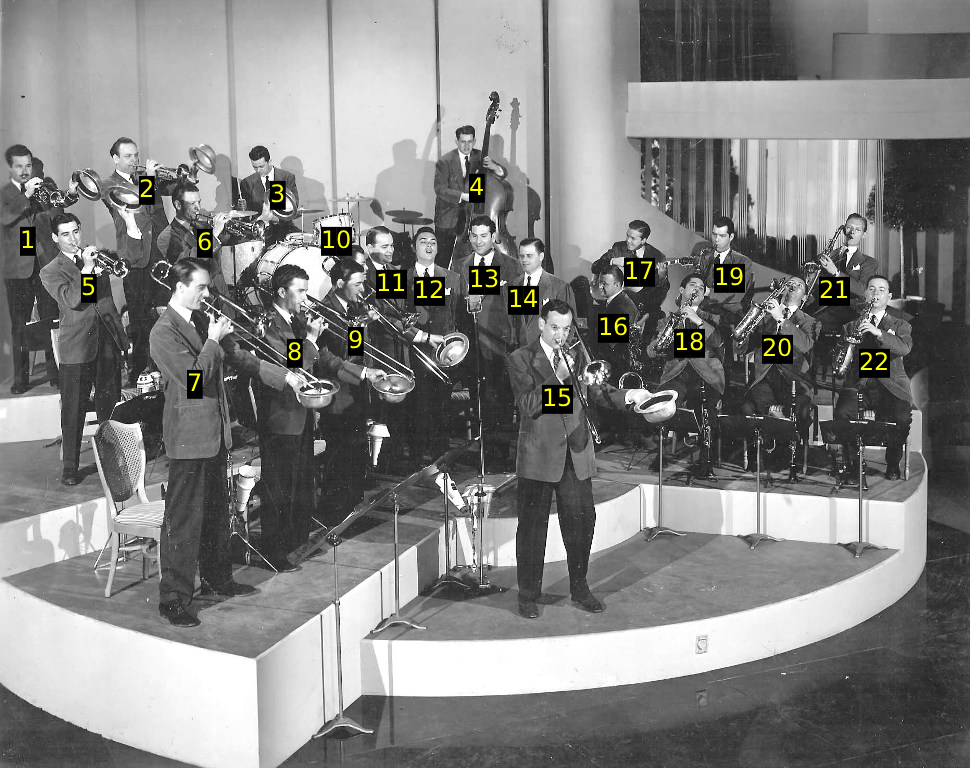
The Glenn Miller Orchestra consisted of roughly forty people. This group included the backbone of the swing era's brass and reed sections. Many of these men were young, dedicated musicians serving their country. Their loss gutted the heart of the American big band movement. The loss of the arrangers and the players meant the loss of a specific musical language.
Survivors often struggled with the psychological weight of the event. They had been part of the group that vanished into the fog. The music they played together remained, but the context had changed. The swing era began to lose its momentum as the war ended. The energy of the 1940s met a sudden, chilling silence in the middle of a combat zone.
The band's repertoire had defined the sound of the war years. Songs like "\\\"Moonlight Serenade\\\"" carried a specific, lush texture. The arrangements relied on a delicate balance of melody and rhythm. When the musicians disappeared, a piece of that musical DNA vanished with them. The survivors continued to play, but the full, iconic sound of the 1944 lineup was gone.
The impact on the music industry was profound. The loss of such a high-profile unit sent shockwaves through the recording studios of New York and Los Angeles. It served as a grim reminder that even the most beloved icons were not safe from the ravages of war. The music continued, but the era of the massive, touring big band began its long, slow decline.
The rise of bebop and smaller ensembles was already underway. Charlie Parker and Dizzy Gillespie were reshaping the harmonic structures of jazz. The loss of the big band giants meant the loss of the era's primary ambassadors. The industry shifted from the dancehall to the club. This transition felt even more jarring after the loss of Miller's polished, orchestral perfection.
Many musicians found it impossible to replicate the Miller magic. The precise, tightly controlled arrangements required a specific group of players. When that group vanished, the blueprint for that specific sound went with them. The industry moved forward, but it moved with a single, mourning thought for the lost grandeur of the swing era.
Theories in the Fog
Mechanical failure remains the most logical explanation for the crash. The C-73 was a heavy, complex machine. Engines could fail, or fuel lines could rupture without warning. Fuel exhaustion could have left the plane unable to maintain altitude. A sudden loss of power in the heavy fog would leave the pilots with almost no time to react.

The German Luftwaffe still posed a threat in late 1944. Although Allied air superiority was established, the possibility of being shot down remains. A stray anti-aircraft shell or a targeted interception could have downed the transport. This theory provides a violent, combat-related end to the flight. No German pilots or radar operators reported an engagement in that sector that night.
Weather-related crashes happen frequently in maritime environments. Sudden microbursts or extreme turbulence could have forced the plane into the sea. The heavy fog likely obscured the water's surface entirely. A pilot attempting to avoid a sudden drop might have misjudged the altitude. The plane could have struck the waves with enough force to disintegrate the airframe instantly.
The mystery persists because the wreckage remains undiscovered. Without a physical site, every theory lives in a state of permanent uncertainty. Some investigators suggest the plane flew much further off course than reported. This could have placed the crash site in a different, unsearched area of the sea. The lack of debris makes the case for a sudden, deep-water impact much stronger.
The Glenn Miller disappearance remains the most famous unsolved mystery in music history. It sits at the intersection of wartime tragedy and cultural loss. We may never find the metal or the instruments of the C-73. We only have the records, the surviving arrangements, and the heavy, unresolved silence of that December night.
Some theorists point to the possibility of a mid-air collision. The English Channel was a busy corridor for military transport and patrol planes. A collision in the thick fog would leave no time for a distress call. It would explain the total lack of debris or survivors. Such a violent end would leave the ocean floor as the only graveyard for the orchestra.
The disappearance changed the way we view the legends of the swing era. They were not just figures on a record sleeve or a radio broadcast. They were real people, subject to the same brutal physics and unpredictable weather as any soldier. The mystery of the flight serves as a permanent, haunting coda to the greatest era in American popular music.