The Norwegian Black Metal scene: Fire, Blood, and the Helvete Hub
Oslo's Karl Johans gate smelled of damp pavement and cheap cigarettes in the early nineties. A heavy, suffocating tension gripped the city's underground. Young men with dyed hair and spiked leather jackets gathered in dark corners. They didn't just want music. They wanted to burn the old world down.
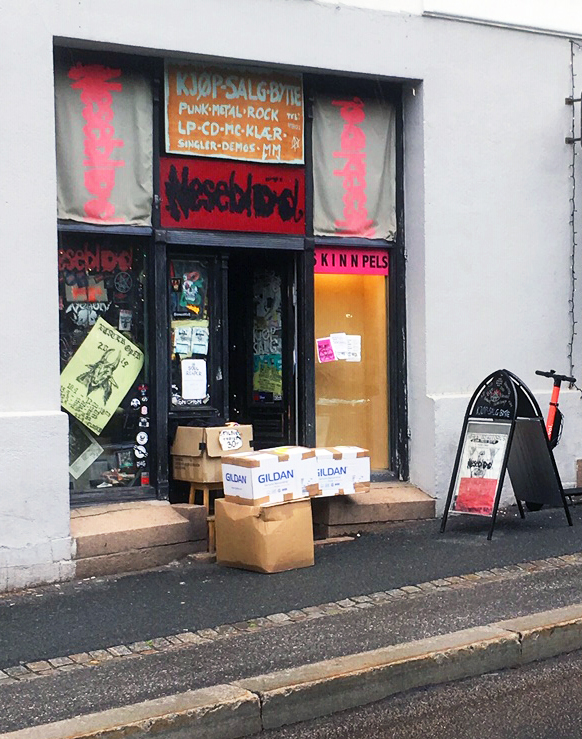
The Norwegian Black Metal scene found its necrotic heart inside a cramped record shop. Helvete sat tucked away in a basement at Schweigaards gate 54. Øystein Fossness, known to the world as Euronymous, ran the place with an iron, nihilistic grip. He didn't just sell vinyl; he sold a manifesto of hate.
Black metal enthusiasts drifted toward this dim sanctuary. They sought the extreme, the ugly, and the offensive. The air inside the shop felt thick with incense and aggression. This basement provided a physical space for a movement that lacked any formal structure. Everything started in that basement.
Helvete, Oslo, 1991
Euronymous turned Helvete into more than a retail space. He built a cult headquarters. Musicians from Mayhem, Burzum, and Emperor met here to plot their sonic and social assaults. The shop walls displayed posters of dark imagery. The basement echoed with the sounds of rehearsal tapes playing at maximum volume.
The "Black Circle" emerged from these basement meetings. These individuals shared a singular, violent disdain for Christian hegemony. They viewed Norway's religious heritage as a fundamental foreign imposition. To them, the true spirit of the North lay in paganism and cold, unyielding darkness. This ideology drove their every action.
Varg Vikernes, recording under the name Burzum, became a central figure in these gatherings. He brought a different kind of intensity to the shop. While others focused on the music, Varg focused on the ideological war. He saw the destruction of symbols as a necessary step for cultural rebirth.
The shop's atmosphere created a dangerous sense of camaraderie. Members of the scene bonded over shared hatreds. They exchanged zines and demo tapes like contraband. This physical hub allowed a fragmented group of teenagers to coordinate their extremist activities. Without Helvete, the movement might have remained a mere musical subgenre.
The tension in Oslo escalated throughout 1991. Small acts of vandalism preceded larger, more destructive strikes. The music became more abrasive. The lyrics grew more violent. The members of the Inner Circle began to view themselves as warriors in a spiritual conflict. They were not just musicians; they were soldiers.
The Sound of Deathcrush
Mayhem's 1984 demo Deathcrush provided the blueprint for this sonic carnage. The production sounds like a serrated blade scraping against concrete. It lacks any warmth or polish. The guitars buzz with a high-frequency irritation that stays lodged in your ears. This lo-fi approach became the gold standard for the entire genre.
Sverre Fotland's Necrobutcher studio captured the raw essence of the band. The drums hit with a primitive, uneven thud. It sounds less like a drum kit and more like a heavy object being dragged across a wooden floor. The band chose this lack of professional sheen deliberately. They wanted the listener to feel uncomfortable.
The 1987 album De Mysteriis Dom Sathanas perfected this grim aesthetic. The guitars utilize rapid, tremolo picking that creates a wall of freezing noise. It feels like a blizzard hitting your NECK at thirty miles per hour. Every note feels sharp and dangerous. The production remains cold, stripped of any melodic comfort.
"The sound is a weapon, and we use it to strike at the heart of the weak."
Euronymous used the band's rehearsal space to refine this cold aesthetic. He favored high-frequency tremolo picking and primitive percussion. He wanted the drums to sound like a mechanical, unfeeling machine. This removed the human element from the music. It replaced it with something more ancient and indifferent.
The sonic palette of Mayhem set the rules for everyone else. You couldn't use clean production. You couldn't use catchy, pop-sensible structures. The music demanded a certain level of sonic endurance. It required the listener to endure the harshness to find the darkness underneath.
Other bands quickly adopted these production techniques. The goal was to create an atmosphere of total isolation. The music needed to sound like it was recorded in a frozen wasteland. This lo-fi approach prevented the genre from ever becoming mainstream or palatable. It kept the sound locked in the underground.
Bone Necklaces and Bloodlust
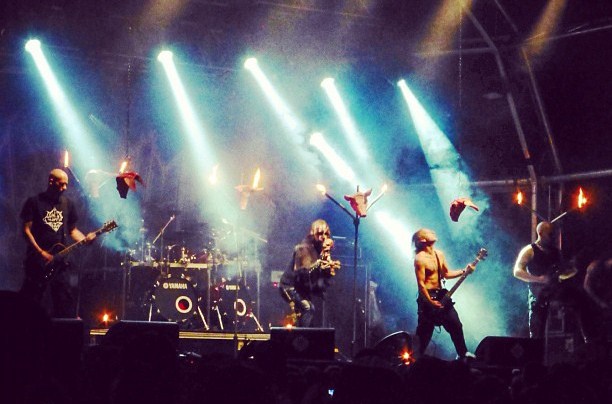
Per Yngve Ohlin, known as Dead, brought a terrifying physicality to Mayhem. He didn't just sing about death; he performed it. During live sets in the early nineties, he transformed the stage into a site of ritualistic horror. His presence felt genuinely unstable to those watching.
Dead famously wore necklaces crafted from real human bone fragments. He even attached pieces of dried human skin to his gear. These weren't stage props. They functioned as biological remains. The sight of him under the stage lights, draped in the remnants of the dead, terrified even his peers.
The vocalist's obsession with mortality drove the band's early energy. He sought to bridge the gap between the music and reality. His death by suicide in 1991 sent shockwaves through the Norwegian Black Metal scene. It added a layer of genuine tragedy and madness to the band's mythos.
The members of the scene took these themes to extreme lengths. The boundary between performance and reality blurred. They didn't just want to look like monsters. They wanted to embody the very essence of decay. This period saw the music become a vessel for genuine, unhinged pathology.
The visual identity of the scene relied on this visceral horror. Corpse paint provided the mask. The bone jewelry provided the substance. It was a visual language of death. It signaled to the world that the people in this movement had abandoned the conventions of human society.
This era of the scene demanded authenticity. You couldn't fake this level of devotion. It required a total commitment to the dark. The performers acted as the vanguard for a movement that saw death as the ultimate liberation.
The Smoke Over Fantoft
June 6, 1992, changed everything for the Norwegian public. The Fantoft Stave Church in Bergen burned to the ground. This historic wooden structure was a masterpiece of medieval architecture. Its destruction felt like a strike against the very soul of Norway.
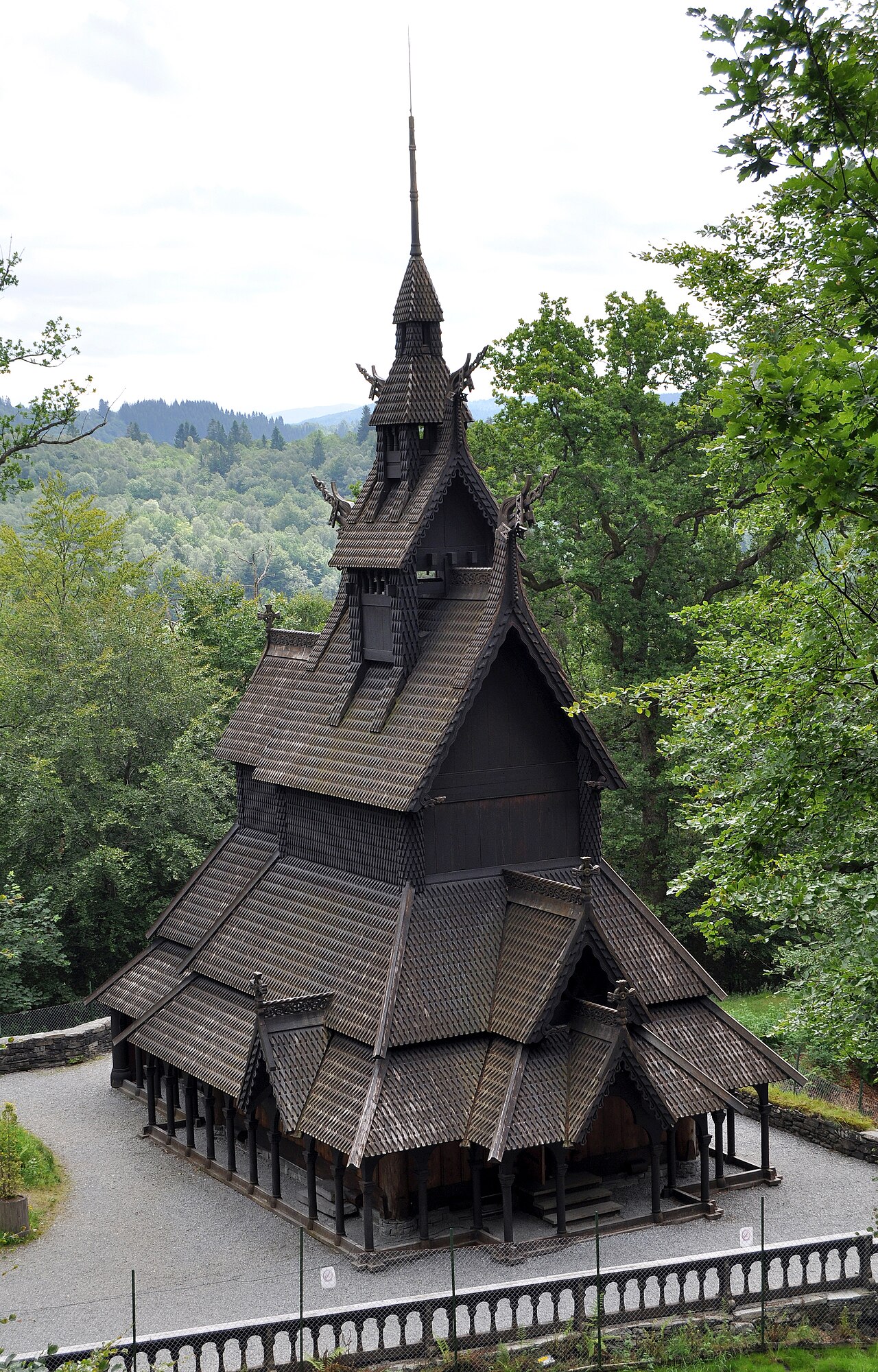
Varg Vikernes took responsibility for the arson. He viewed the burning of churches as a political and cultural necessity. In a 1993 interview with the magazine Bergens Tidende, he stated his motivations clearly. He wanted to strike at the heart of Christianized Norwegian culture.
The fire at Fantoft was not an isolated incident. The arson of Holmenkloven church occurred during this same period of unrest. These attacks targeted Norway's historic wooden architectural heritage. Each fire left a hole in the nation's history. Each flame signaled a growing, uncontrollable radicalism.
The smoke from these fires drifted across the country. It brought the underground movement into the light of the judicial system. The police began investigating the musicians. The "Black Circle" was no longer a secret club of teenagers. It was a list of suspects in a series of high-profile crimes.
The destruction of the Fantoft Stave Church was a massive cultural loss. It was a piece of history that could never be recovered. To the perpetrators, however, it was a victory. They saw the ashes as a cleansing force. They believed they were clearing the way for something much older and more primal.
The public reaction was one of horror and outrage. The media focused heavily on the extremist elements of the music. The "Black Metal" label became synonymous with arson and violence. The movement could no longer hide behind the anonymity of the underground. The world was watching.
The Death of Euronymous
August 1993 brought the violent climax to the era. A confrontation between Varg Vikernes and Euronymous ended in a fatal stabbing. The death of Euronymous in August 1993 effectively signaled the end of the scene's most chaotic era. The central pillar of the movement had fallen.

The event was as brutal as the music itself. The violence was not metaphorical. It was a physical, bloody reality that shocked the nation. The perpetrator, Vikernes, eventually faced conviction for murdering Øystein "Euronymous" Fossness. The trial revealed the full extent of the group's connections to the crimes.
The loss of Euronymous left a power vacuum in the Oslo underground. The central hub of Helvete lost its leader. The organized aggression of the Inner Circle began to fragment. Without his direction, the movement lost its singular, focused point of hatred. It became a collection of disparate bands.
The death of the man who ran the record shop broke the spell. The era of unchecked, localized violence began to wane. The musicians moved away from direct arson and toward more complex musical expressions. The shock of the murder forced a period of reflection and, eventually, expansion.
The aftermath of the murder brought intense legal scrutiny. The police dismantled the infrastructure of the Black Circle. The members faced prison sentences and public condemnation. The movement had to evolve or die under the weight of its own violence.
While the violence subsided, the musical influence grew. The death of the leader allowed for the rise of new, more musically sophisticated entities. The "second wave" began to take shape. They took the raw ingredients of the first wave and refined them into a much larger, more permanent force.
The Legacy of the Black Circle
The expansion of the scene moved into new, more complex territories. Bands like Enslaved released their debut album Vargskverten in 1994. This release represented the expansion of the scene into Viking metal themes. They moved away from pure nihilism toward a more epic, historical narrative.
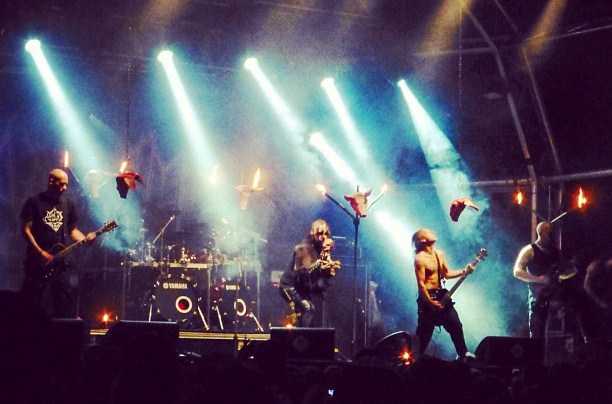
Members of the band Emperor, including Ihsahn, Olve Eikind, and Samoth, became central figures. They released the influential In the Nightside Eclipse in 1994 on Century Media Records. This album brought a symphonic, almost majestic quality to the black metal sound. It was much more musically ambitious than the early demos.
The second wave of the Norwegian Black Metal scene embraced technicality. They used keyboards and complex layering to create vast, atmospheric environments. The music became more professional without losing its cold, biting edge. The genre was no longer just about destruction; it was about world-building.
The legacy of the original era remains a dark, uncomfortable shadow. You cannot discuss the history of extreme metal without mentioning the fire and the blood. The movement changed the heavy music world forever. It proved that extreme subcultures could exert a tangible, physical impact on the real world.
Today, the genre exists in a state of globalized stability. The extreme production techniques of the nineties are now standard tools. The aesthetics have been absorbed into a much wider, much more commercialized metal ecosystem. The raw, unhinged terror of the 1990s has become a respected, even studied, historical period.
The ruins of the Fantoft Stave Church serve a silent monument to this era. The music remains, a frozen artifact of a time when the underground truly believed it could burn the world down. The fire eventually went out, but the cold remains.