The Rise and Fall of Emo's Commercial Soul
Washington D.C. basement air felt thick with sweat and cheap beer in 1985. The Dischord Records compilation Emo and Hardcore hit the shelves with a raw, unpolished aggression.
This collection of tracks brought Rites of Spring and Embrace into the harsh light of the D.C. hardcore scene. It provided the DNA for the evolution of emo before the term became a marketing category. The music ignored radio play and fashion trends.
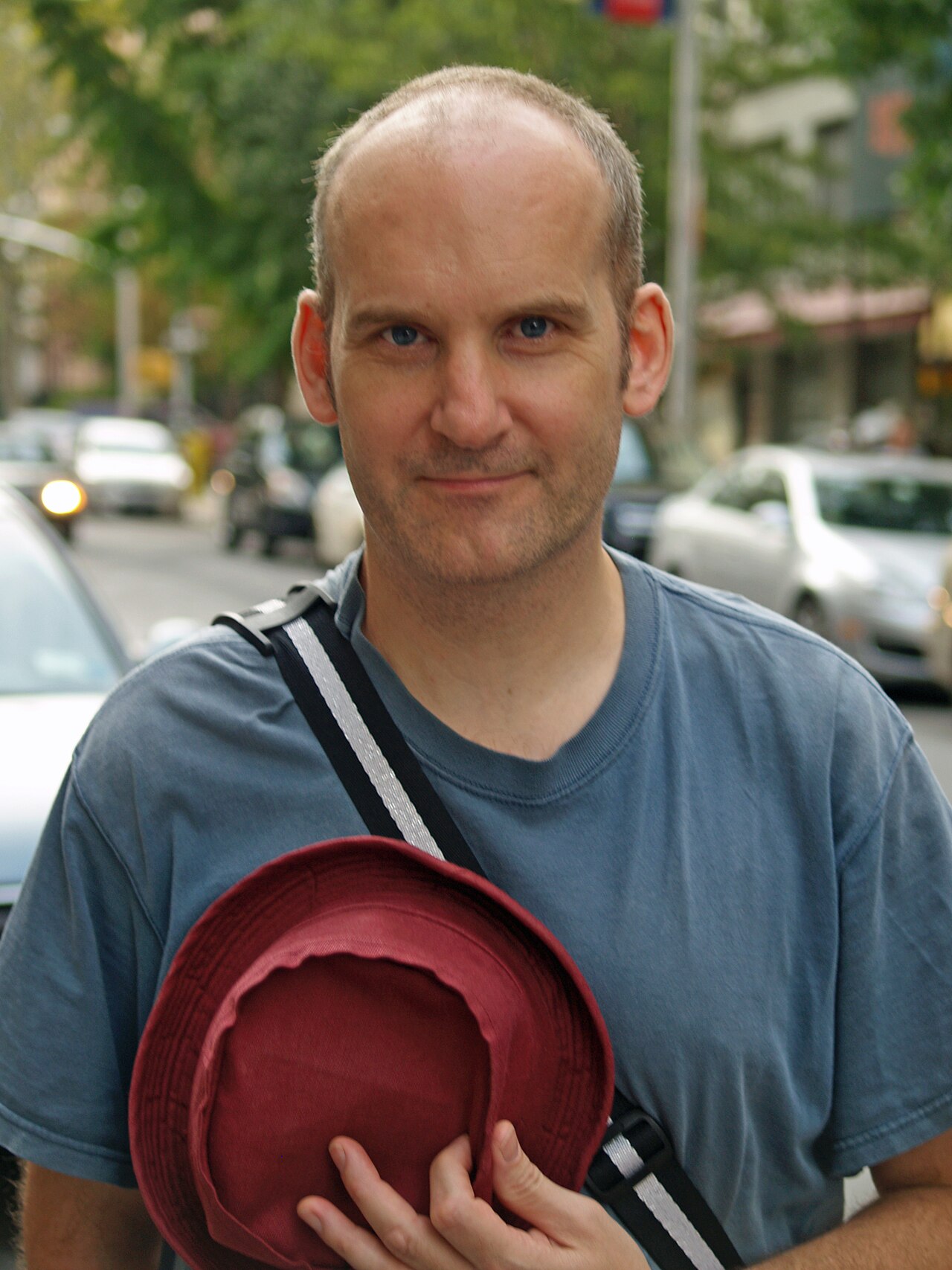
Ian MacKaye stood at the center of this brewing storm. He carried the frantic, high-speed energy of Minor Threat into something more vulnerable. His transition into Rites of Spring changed how hardcore musicians approached their lyrics. He traded mindless slogans for introspective, jagged outbursts that felt like an open wound. The guitars barked through small, overdriven amps with a sense of urgent desperation.
The Dischord sound relied on a stripped-back, punishing reality. Musicians played Fender Telecasters and Precision Basses through muddy, mid-range heavy setups. No one sought polished sheen or expensive reverb. They wanted the grit of the club floor to bleed into the recording. This era established the genre's foundational roots as a purely underground, regional phenomenon.
The Dischord Roots of 1985
Rites of Spring played with a rhythmic instability that unsettled the traditional hardcore crowd. They abandoned the rigid, four-on-the-floor beat for something more syncopated and emotional. This shift felt like a betrayal to some purists in the D.C. scene. Yet, it provided the necessary space for melody to breathe alongside the distortion. The songwriting felt like a conversation between a person and their own shadow.
Dischord Records operated as a collective, not a corporate entity. The label prioritized the integrity of the art over the profit margins of the release. This ethos kept the music away from the grasping hands of major labels for years. Every record felt like a secret shared between friends in a crowded basement. The production was lo-fi, capturing the clatter of drums and the hiss of tape.
Embrace brought a different kind of tension to the 1985 compilation. Their tracks featured a sense of melodic longing that clashed with the aggressive tempo. You could hear the strain in the vocals, a physical effort to convey pain. This tension defined the early identity of the 1985 era. It prioritized painful honesty over being pretty.
The 1985 compilation provided the blueprint for everything that followed. It lacked the pop sensibilities that would later define the genre's mainstream era. Instead, it offered a blueprint of sonic instability and lyrical vulnerability. The drums hit like heavy objects falling onto wood. The guitars buzzed like angry hornets trapped in a tin can.
Sunny Day Real Estate and the Seattle Shift
Seattle changed everything in 1994 when Sunny Day Real Estate released Diary. The album moved away from the straight hardcore lines of the D.C. era. It introduced a complex, dynamic structure that utilized quiet-loud transitions with surgical precision. This was not just punk; it was something more cinematic and layered. The guitars shimmered with a cleaner, more expansive tone.
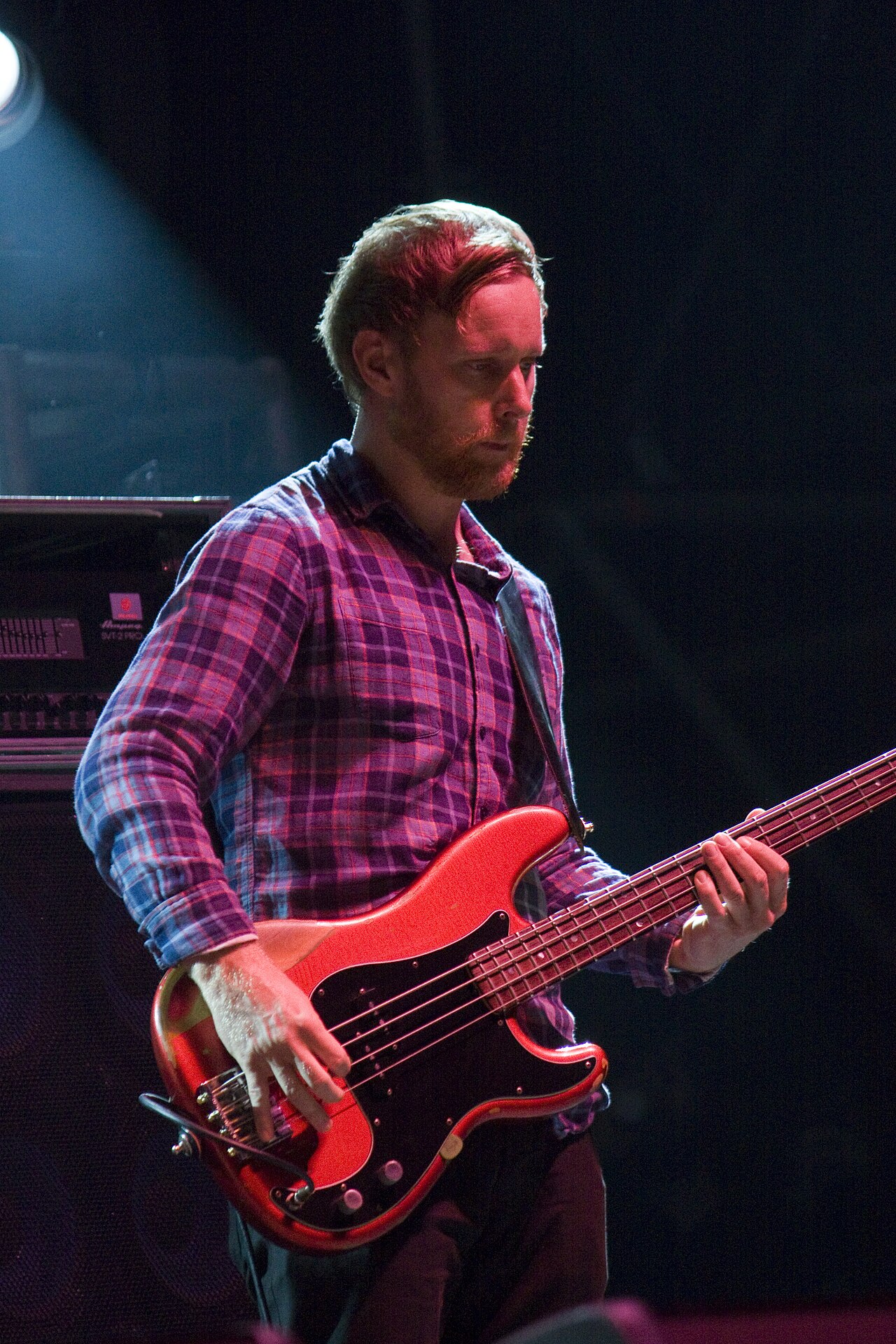
The band recorded Diary in various studios around the Pacific Northwest. This production allowed for a much more lush, atmospheric sound than the Dischord era. You could hear the room around the drums. The bass sat low in the mix, providing a thick, melodic foundation. It felt like the music had grown into a larger, more professional shape.
Matt Schermerhorn's vocals offered a sense of soaring melancholy. He sang with a controlled intensity that suggested much more was lurking beneath the surface. This approach invited a much wider audience into the fold. People who found hardcore too abrasive found a home in these melodies. The Seattle sound brought a certain grandeur to the genre's inherent sadness.
The shift to Seattle also signaled a move toward more sophisticated songwriting. The songs were longer and more structurally complex than the two-minute bursts of 1985. They moved through movements, building tension before releasing it in massive, distorted crescendos. This era proved that the genre could sustain longer-form musical narratives without losing its edge.
"I'm not the person that I was / I'm not the person that I'm going to be"
The lyrics of Sunny Day Real Estate echoed this sense of identity flux. They captured the feeling of being caught in a permanent transition. This resonated deeply with a generation of listeners facing their own shifts in perspective. The music acted as a bridge between the underground and the alternative rock explosion of the mid-90s.
The Post-Hardcore Energy of At the Drive-In
El Paso brought a frantic, caffeinated energy to the genre in 1997. At the Drive-In released The Shape of Punk to Come, an album that defied easy categorization. It utilized complex rhythms and jagged, interlocking guitar parts. The energy felt like a controlled explosion in a small room. It was much too fast and too strange for the burgeoning pop-punk scene.
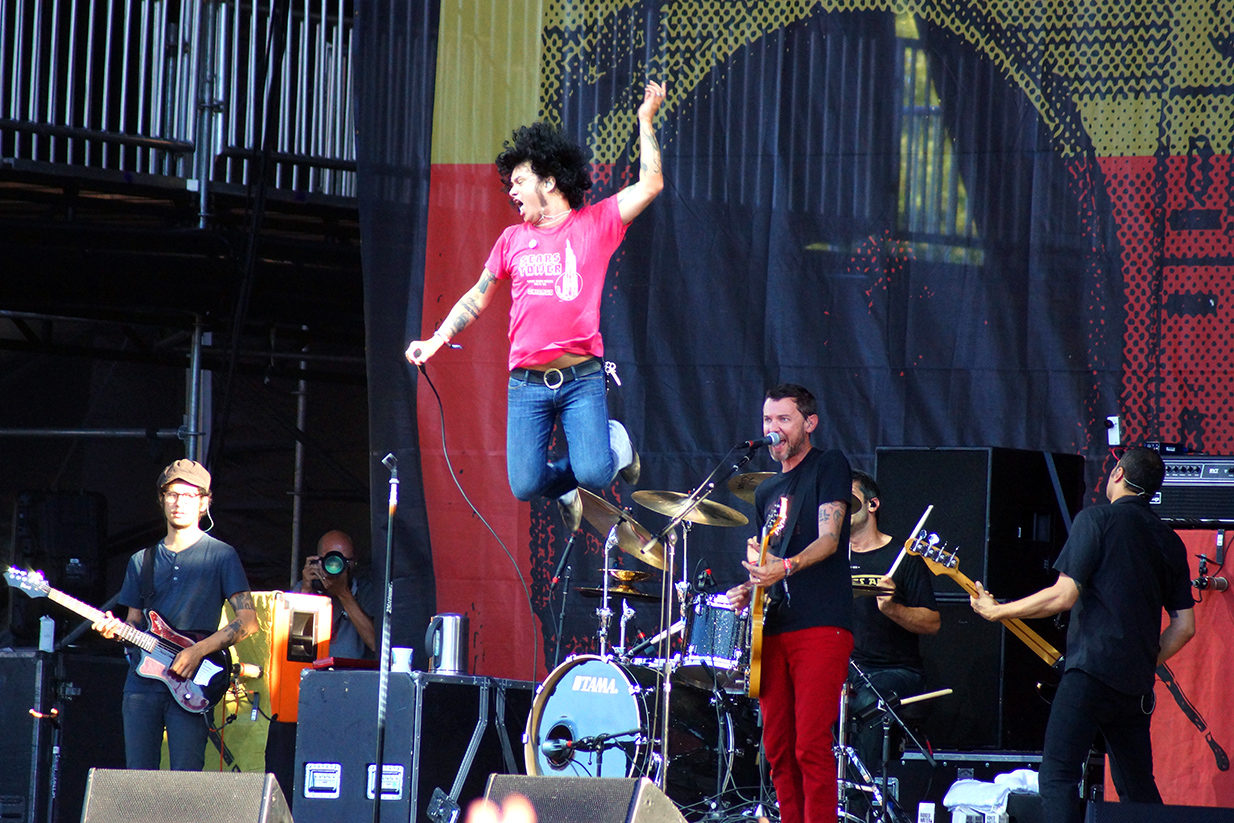
The guitars on this record sounded like serrated blades. They cut through the mix with a sharp, treble-heavy bite. This approach influenced the mid-2000s emo-pop explosion by showing that complexity could still be visceral. The band refused to settle into a comfortable groove. Instead, they constantly shifted the rhythmic ground beneath the listener's feet.
At the Drive-In utilized a chaotic, almost avant-garde approach to song structure. Tracks moved through sudden stops and jarring, discordant bursts of noise. This complexity demanded a high levelual of attention from the listener. You could not simply headbang to this; you had to navigate the rhythmic shifts. It was a masterclass in tension and release.
The influence of this record on the later emo-pop era remains strong. While the later bands sought more melody, they inherited the frantic energy of At the Drive-In. They took the aggression and smoothed out the edges for a wider audience. The DNA of the El Paso sound remained present in the way later bands used sudden shifts in volume. It provided a template for much of the mid-20ps energy.
The Polished Production of the 2000s
Drive Alive released Breathing in the Dark in 2002. This album acted as a crucial bridge between the Midwest emo sound and the polished production of the early 2000s. The guitars felt heavier and more compressed than previous eras. The production was clean, allowing every note to ring out with clarity. It lacked the muddy grit of the 1985 Dischord era.
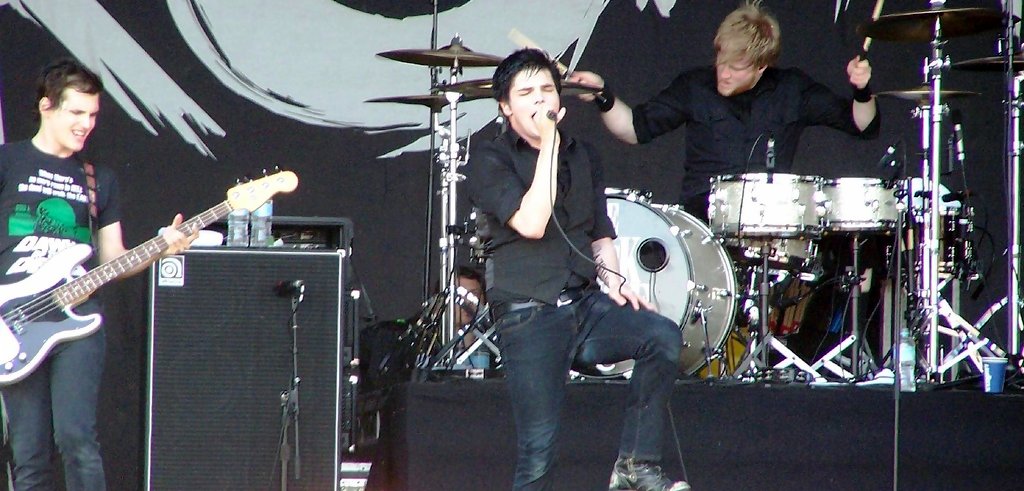
The drums on this record sounded massive and precise. Each snare hit landed with a crisp, dry snap that cut through the heavy guitar layers. This level of production made the music much more palatable for radio. It moved the genre toward a more commercially viable sonic profile. The heaviness remained, but it was now a controlled, professional heaviness.
By the mid-2000s, the production shifted toward a massive, cinematic scale. My Chemical Romance released The Black Parade in 2006. Produced by Rob Cavallo at studios like Sunset Sound, the album reached number two on the UK Albums Chart. This was the genre at its most theatrical and expensive. The guitars were layered with thick, operatic textures.
Rob Cavallo brought a sense of grandiosity to the tracks. He used orchestral elements and lush arrangements to bolster the rock foundation. This was no longer a basement-even sound. It was a sound designed for arenas and large-scale festivals. The production was glossy, bright, and huge.
The transition to this level of production changed the very feel of the music. The raw, bleeding-edge emotion of the 1980s gave way to a polished, scripted drama. The songs felt like pieces of a larger, theatrical performance. While technically impressive, the music lost some of its unpredictable, jagged edges. It became a much more predictable, albeit spectacular, experience.
The Peak of Mall Emo Saturation
Fall Out Boy conquered the airwaves in 2005 with "Sugar, We's Goin Down." This single from From Under the Cork Tree peaked at number 11 on the Billboard Hot 100. It signaled the total integration of the genre into Top 40 pop radio. The guitars were bright and heavily compressed for maximum impact. The hook was impossible to ignore.

Pete Wentz often discussed the band's move from the Chicago underground to international stardom. He spoke about this transition in interviews with Rolling Stone and Alternative Press. The band became a massive commercial entity. They were no longer playing to a small group of dedicated fans in a club. They were playing to millions of teenagers in shopping malls across the globe.
The mid-2000s era saw the rise of "mall emo." This movement featured massive success for bands on labels like Fueled by Ramen and Decaydance. These labels focused on highly polished, radio-ready production. The music was catchy, energetic, and incredibly easy to consume. It was the genre's most commercially successful period.
Panic! At The Disco reached the top of the Billboard 200 with their 2005 debut, A Fever You Can't Sweat Out. The album utilized baroque pop elements and vaudevillian aesthetics to create a unique, kitschy sound. It was a complete departure from the hardcore roots of the 1985 Dischord era. The production was dense, busy, and intentionally theatrical.
The music felt like a carnival of sound. It used harpsichords, accordions, and rapid-fire vocal deliveries to create a sense of frantic spectacle. This was the peak of commercial saturation. The genre had become a product that a company could easily package and sell to a mass audience. The raw, unpolished honesty of the past surrendered to a carefully crafted aesthetic.
The commercial success of these bands relied on a specific, polished sonic template. Every snare hit sat perfectly in place. Every vocal harmony reached perfection through layering. The music sounded great on FM radio and through cheap headphones. It was a triumph of production over raw, unmediated expression.
The Loss of the Underground Spirit
The evolution of emo followed a path from the basement to the stadium. The 1985 Dischord roots provided a sense of community and shared struggle. The music reacted to the world rather than seeking to sell records. As the genre moved toward the polished production of the 2000s, that sense of urgency began to fade. The genre became a brand rather than a movement.
The massive commercial success of the mall emo era created a divide. The original fans felt a sense of loss as the genre became a mainstream commodity. The music lost its ability to surprise or unsettle. It became too predictable, too polished, and too much like everything else on the radio. The edges were sanded down to make it safe for mass consumption.
The loss of the underground spirit changed the listener's relationship with the music. You no longer felt like you were part of a secret. You were simply a consumer of a popular product. The visceral, physical connection to the music gave way to a more detached, aesthetic appreciation. The music no longer felt like a decision made in a moment of crisis.
The genre's evolution is a story of expansion and dilution. It grew in reach and technical capability, but it shrunk in raw, unadulterated power. The bands of the 1980s played to survive the night. The bands of the 2000s played to top the charts. That difference in intent changed the very texture of the sound.
The heavy, distorted guitars of the early years gave way to the bright, compressed tones of pop-rock. The jagged, irregular rhythms yielded to steady, radio-friendly beats. The genre's ability to inhabit the fringes of culture vanished. It became the center, and in doing so, it lost its ability to haunt the periphery.
Emo will always exist in some form, but its soul remains tied to the underground. The moment it becomes too polished, it loses its ability to truly hurt. The beauty of the genre was always in its imperfections and its refusal to be pretty. Without that friction, it is just another pop genre, polished and hollow.