The Tempo That Makes You Spend More Money
Glasgow, 1974. A group of researchers at the University of Glasgow walked through a local experimental supermarket with a specific, manipulative goal. They ignored the price of milk or the freshness of the produce. Instead, they focused on the rhythm of the background speakers. By slowing the tempo of the music playing over the store's PA system, they watched the numbers climb on the register. Specifically, the team found that slower-tempo music increased wine sales by 25% in that specific setting.
Retailers learned a vital lesson that day about how retail music tempo and spending link together. Music acts as an invisible hand. It guides your feet and your wallet without changing your pulse. This isn't an abstract theory from a textbook. It is a calculated, mathematical approach to consumer behavior that turns a simple shopping trip into a choreographed dance of commerce.
The researchers watched shoppers linger near the heavy reds and crisp whites. The slower beats forced a deceleration of movement. When people slow down, they see more. They notice the expensive label on a premium Bordeaux. They notice the artisanal cheese tucked next to the crackers. The music creates a bubble of time that makes the act of browsing feel like a leisure activity rather than a chore.
This study proved that sound can alter the perception of value. A slow, dragging beat stretches a minute into what feels like five. That extra perceived time allows for more decision-making, or more accurately, more impulse-driven curiosity. The 1974 Glasgow experiment set the stage for a decades-long war on the human ear, where every beat per minute serves a specific financial purpose.
The Glasgow Wine Experiment of the 1970s
Glasgow researchers understood the power of the pause. They saw how a steady, unhurried rhythm could manipulate the shopping cart. The 1970s held many economic shifts, yet the psychology of the supermarket remained a laboratory for behavioral science. By manipulating the tempo, the University of Glasgow team proved that the music directly influenced the rate of consumption. They did not just play records; they engineered a specific type of consumer trance.
The supermarket setting provided the perfect controlled environment. Researchers controlled the variables of lighting and product placement. They could not control the instinctive reaction of the human nervous system to a drumbeat. They discovered that when the music slowed, the shoppers stayed. This increased dwell time led directly to the 25% spike in wine sales. It sent a clear signal to the retail industry that sound is a tool of persuasion.
Humans sync their physical movements to external rhythms. If a song drags, your stride shortens. If your stride shortens, your eyes scan the shelves more closely. This isn't magic. It is basic biology. The researchers documented how the tempo acted as a metronome for the entire store environment, dictating the pace of the entire shopping population.
Wine remains a high-margin, luxury-adjacent product. It requires a certain level of contemplation. You do not grab a bottle of expensive Merlot while sprinting through an aisle.
You pause. You read the label. You consider the vintage. The Glasgow study showed that music can manufacture that pause, creating an artificial sense of luxury and leisure that encourages much higher spending on premium goods.
The Muzak Era and the Rise of Sears
Sears, Roebuck and Co. dominated American retail during the 1980s. They did not just sell tools and clothing; they sold a standardized American experience.
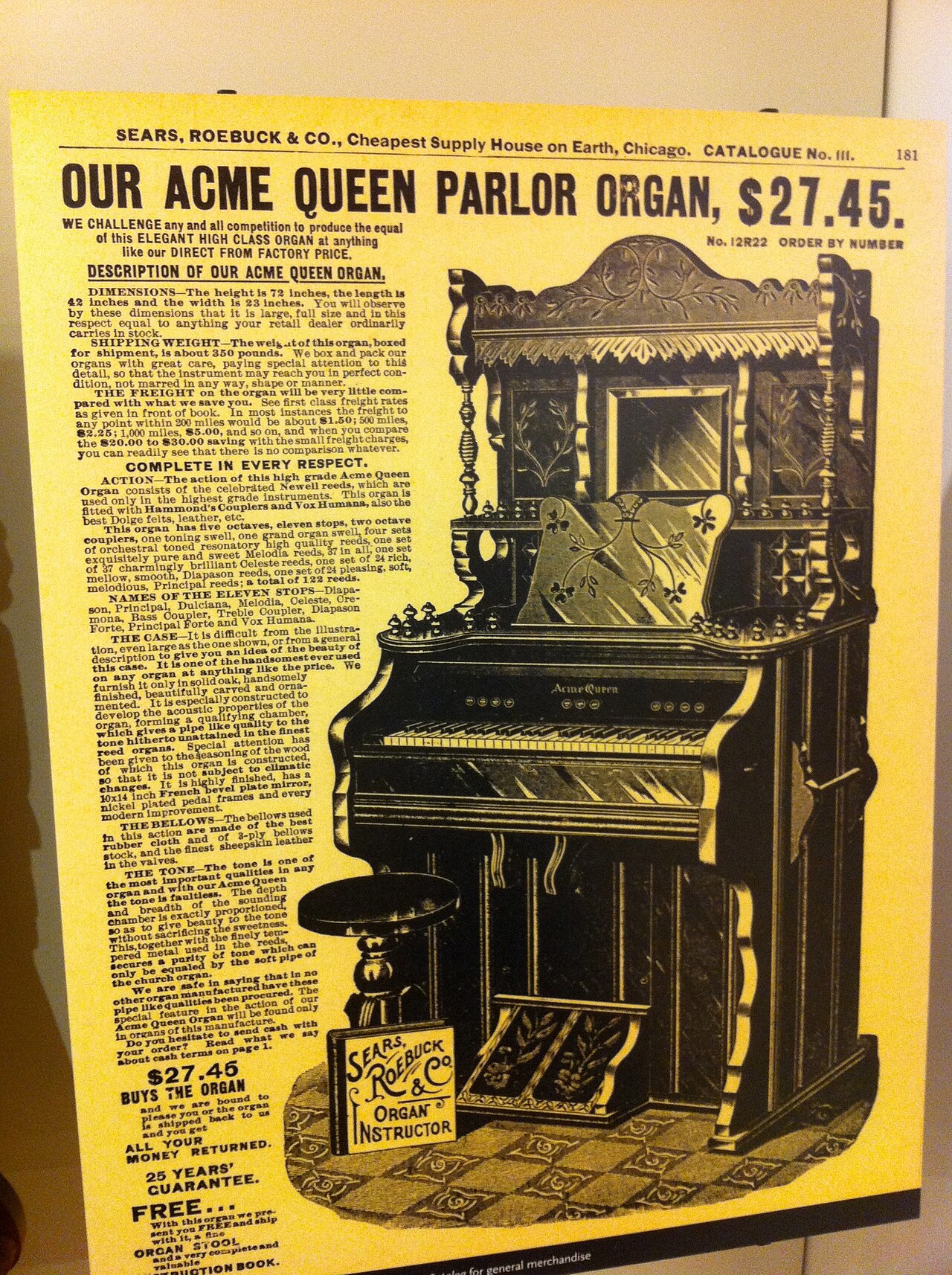
To maintain this, they implemented massive Muzak systems across their major US retail chains. These systems did not play the hits of the day. Instead, they utilized programmed loops of easy-listening standards, designed to be unobtrusive yet effective. This was the era of engineered background noise, where the goal was to manipulate consumer dwell time through sheer, relentless consistency.
Muzak functioned as a sonic wallpaper. It filled the gaps between the clatter of shopping carts and the chatter of customers. The engineers at Muzak, Inc. understood that silence in a store creates anxiety. Silence forces a person to focus on the task at hand, which is to finish shopping and leave. By filling that silence with soft, mid-tempo easy listening, Sears and Kmart kept customers in the building for longer periods.
The technology allowed for a new level of control. Programmed loops meant the store atmosphere remained identical from 9:00 AM to 9:00 PM. There were no sudden shifts in energy that might jar a shopper out of their trance. The music acted as a constant, low-level pressure, a gentle nudge to keep walking, keep looking, and keep adding items to the basket. It was the sound of the American middle class being subtly steered toward the checkout lane.
The 1980s implementation of these systems changed the retail experience forever. It turned the shopping mall into a controlled sensory environment. The music was not there to be enjoyed; it was there to be felt as a steady, rhythmic pulse. It stripped the personality from the store and replaced it with a predictable, profitable cadence. This era of Muzak proved that the most effective way to influence a customer is to make them forget the music is even playing.
The 120 BPM Threshold and Walking Speed
Environmental psychologists have long hunted for the "sweet spot" of retail tempo. They found it at exactly 120 BPM. This specific threshold acts as a psychological anchor for the human body.
At 120 beats per minute, the music encourages steady, unhurried movement through aisles. It is fast enough to keep the energy up, but slow enough to prevent "exit" anxiety. If the music gets too fast, people feel rushed and leave. If it gets too slow, they become bored and wander toward the exit.
The 120 BPM mark creates a state of flow. It aligns with a natural walking pace that allows for browsing without the frantic energy of a commute. This rhythm synchronizes the shopper's physical gait with the store's intended movement pattern. It is a subtle formatting of the human body to fit the architecture of the retail space. The music becomes the engine driving the physical progress of the customer through the aisles.
Fast-fashion giants like H&M and Zara utilize a different strategy. These stores often push the tempo higher, using high-frequency, upbeat pop hits to accelerate the shopping process. The goal here is not dwell time, many analysts argue, but turnover. By increasing the BPM, they synchronize the physical walking speed of shoppers with the rhythm of the tracks. A faster beat leads to faster walking, which leads to faster decision-making and a higher volume of customers passing through the doors.
The difference between a Zara and a luxury boutique lives in the heartbeat of the room. One wants you to move like a whirlwind, grabbing trendy pieces and moving on. The other wants you to linger, lost in the beat. The 120 BPM threshold remains the gold standard for the middle ground, providing that elusive balance of movement and observation that maximizes the potential for unplanned discovery.
"The music is not an accompaniment to the shopping; it is the very rhythm of the transaction itself."
Auditory Masking and the Death of the Sales Pitch
Retailers do not just want you to hear the music; they want you to stop hearing everything else. This is the phenomenon of "auditory masking." In modern retail environments, engineers use dense, mid-range frequency arrangements to create a sonic barrier. This prevents customers from hearing price announcements, store staff, or the disruptive sounds of the external world. By masking these interruptions, the retailer maintains the integrity of the much-needed curated shopping experience.
The physics of masking is simple. When a specific frequency range is saturated with sound, the brain struggles to isolate other, quieter sounds within that same range. If a store plays a dense mix of mid-range instruments, a staff member shouting a discount or a customer complaining about a price will simply vanish into the noise. This creates a sense of isolation, a private shopping bubble where only the brand and the product exist.
This technique also hides the "seams" of the retail experience. The sounds of a warehouse, the clatter of a delivery truck, or the mechanical hum of an air conditioner all vanish into the carefully curated playlist. It creates a seamless, almost artificial atmosphere. You are not in a building in a busy city; you are in a curated world of sound and light where the only reality is the product on the shelf.
The loss of the human voice in the retail space represents a profound shift. We have moved from an existing era of interpersonal sales pitches to an era of atmospheric manipulation. The salesperson is no longer a person with a voice; they are a part of the background noise, as much a part of the store's texture as the lighting or the flooring. The masking of the human element allows the brand's sonic identity to take center stage, unburdened by the unpredictability of human interaction.
The Rise of Ambient Grooves in the 1990s
The 1990s brought a radical shift in grocery store programming. The era of the heavy-handed Muzak loop died, replaced by something much more sophisticated. Retailers began targeting "ambient" genres, specifically the mid-tempo chill-out tracks that dominated the decade. The influence of the Cafe Del Mar compilations was massive. These albums, which defined the Balearic beat and lounge culture, provided a blueprint for a new kind of retail atmosphere.
These tracks were designed for relaxation and long-form listening. They lacked the aggressive hooks of 80s pop but possessed a rhythmic depth that encouraged lingering. Grocery stores adopted this aesthetic to create a sense of calm and upscale sophistication. The goal was to make the mundane task of buying groceries feel like a curated, lifestyle-oriented experience. The music was smooth, deep, and intentionally unobtrusive.
A 1995 study published in the Journal of Consumer Research confirmed the effectiveness of this shift. The study examined how background music tempo affects the rate of consumption and the total amount spent per visit. The findings were clear: the mid-tempo, ambient approach worked. It allowed for a relaxed pace that increased the total amount of time spent in the store, which in turn increased the total basket size. It was a more subtle, more effective way to drive profit.
This era of ambient grocery shopping changed the way we perceive the supermarket. It was no longer a place of frantic utility, but a place of sensory enjoyment. The chill-out tracks, with their soft pads and gentle percussion, smoothed over the edges of the retail experience. They turned the aisles into a lounge, making the act of shopping feel like a deliberate, pleasurable choice rather than a weekly necessity.
Sonic Branding and the Luxury of Frequency
Apple and Starbucks do not just sell hardware and caffeine; they sell a specific sonic identity. This is the practice of "sonic branding." These companies use specific frequency ranges and instrument timbrary to create a sense of luxury and permanence. Apple uses clean, minimalist sounds that mirror the sleekness of their aluminum enclosures. Starbucks uses an acoustic-heavy approach, often featuring the clean electric guitar tones and warm, organic textures of early acoustic-heavy playlists.
The goal of sonic branding is to trigger an immediate emotional response through sound alone. When you hear the specific chime of an Apple product or the familiar, warm atmosphere of a Starbucks, you are being conditioned. These sounds are engineered to evoke feelings of quality, reliability, and premium experience. The frequency ranges are carefully selected to avoid the harsh, piercing tones that trigger alertness or anxiety.
Luxury boutiques take this a step further through "tempo-matching." In stores like Gucci or Louis Vuitton, the music is often classical compositions or very slow-tempo jazz. This slow, stately rhythm increases the perceived value of high-ticket items. If the music is slow and expensive-sounding, the products must be too. The tempo matches the price point. It forces the customer to slow down, to appreciate the craftsmanship, and to accept the high cost of the goods.
This use of frequency and timbre is a highly technical endeavor. It involves selecting instruments that possess a certain "weight" or "prestige." A cello or a grand piano carries a different cultural and sonic weight than a synthesizer. By using these instruments, luxury brands tap into a pre-existing understanding of what "expensive" sounds like. They use sound to reinforce the physical reality of their luxury goods, creating a unified sensory experience that justifies the premium price.
Modern Impulse Buying and Top 40 Hits
The 2010s brought a new wave of data-driven retail. Modern retail analytics firms now track the correlation between high-tempo Top 40 radio hits and increased "impulse buy" rates at checkout counters. The data is undeniable. When the music at the point of sale is fast, energetic, and familiar, the rate of unplanned purchases spikes. The checkout lane has become a high-intensity zone of rhythmic influence.
The psychology here concerns the "end of the journey." The customer has navigated the aisles, made their primary selections, and is now approaching the final stage of the transaction. A high-tempo, upbeat track provides a burst of energy that prevents the "exit" impulse. It keeps the brain engaged and prevents the mental fatigue that often leads to a quick departure. The music pushes one last, rhythmic nudge toward that candy bar or magazine sitting near the register.
This represents the culmination of decades of sonic experimentation. We have moved from the slow wine-selling beats of 1974 to the high-speed, impulse-driving pop of the 2010s. The tools have changed, but the fundamental principle remains the same: rhythm controls movement, and movement controls spending. The modern retailer uses the Top 40 hits to create a sense of urgency and excitement at the very moment the customer is most likely to succumb to temptation.
The science of retail music tempo and spending is a masterclass in invisible influence. It is a world where every beat is a calculation and every melody is a strategy. We think we are choosing our music, but the music is choosing our pace. Next time you find yourself lingering in an aisle or grabbing an extra item at the register, listen closely to the rhythm. You might find that your heartbeat is following a script written by a retailer long before you even entered the store.