The Truth Behind the Robert Johnson Crossroads Legend
Clarksdale, Mississippi, smells like damp earth and rotting cotton in the heat of a Delta summer. A young man sits on a porch, his fingers dancing across the steel strings of an acoustic guitar. This is the Robert Johnson Crossroads Legend in its raw, unvarnished state, long before the myth morphed into a supernatural ghost story. People in the 1930s did not talk about demons at intersections. They talked about the skill required to play the complex rhythms that Robert Johnson mastered.
Johnny Carter saw the man in action near the Dockery Farms area. This Delta contemporary witnessed a musician who seemed to possess more fingers than any human should. The music did not sound like the standard rhythm playing found in local juke joints. It possessed a sharp, percussive edge that cut through the humid night air like a razor blade. Carter and others knew the man possessed talent, not a miracle.
The truth resides in the grit of the Mississippi soil. Most people want a shortcut to greatness, but Johnson found his through grueling practice. He spent his nights studying the masters of the Panola County area. He learned how to make a single instrument sound like a full band. This technical prowess created the illusion of magic, fueling a myth that would outlive the man himself.
The Dust of Clarksdale and Ike Zimmerman
Ike Zimmerman held the keys to the kingdom. This skilled guitarist operated near Clarksdale, teaching the local players the nuances of the blues. He did not teach simple strumming patterns. Zimmerman focused on complex fingerpicking techniques and advanced chord voicings that stood apart from the era's standard rhythm playing. His style required a disciplined left hand and a rhythmic, steady thumb.
Johnson sat at Zimmerman's feet to learn these secrets. He absorbed the way a thumb could drive a and steady beat while the fingers plucked melodies on top. This technique allowed him to mimic a piano or a drum. It gave his playing a density that baffled his contemporaries. When you hear the rapid-fire notes on a track like "Cross Road Blues," you hear the direct result of Zimmerman's technical instruction.
The Delta musicians of the 1930s relied on oral tradition and direct observation. There were no instructional books or YouTube tutorials. You watched a man play, you practiced until your fingertips bled, and you hoped you caught the subtle shifts in timing. Johnson was a student of this brutal, hands-on method. He took Zimmerman's foundations and added his own frantic, nervous energy to the structure.
Clarksdale served as the classroom for this education. The musicians gathered in small groups, sharing licks and testing each other's mettle. Johnson moved through these circles, leaving a trail of intimidated players in his wake. His ability to execute difficult transitions made him seem like he had studied with a ghost. In reality, he simply studied harder than anyone else in the room.
The legend began to grow because the music was too good to be human. When a player hits a chord with perfect precision amidst a chaotic rhythm, the audience looks for a reason. They look for a deal, a single devil, or a trick. Johnson provided the music, and the Delta provided the folklore. He used the technical tools Zimmerman gave him to build a wall of sound that no one else could climb.
The San Antonio Sessions of 1936 and 1937
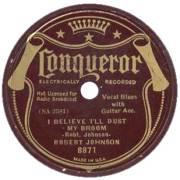
San Antonio, Texas, provided the stage for Johnson's immortality. The ARC American Recording Company sent engineers south to capture the sounds of the Delta. Johnson traveled to these sessions to document his talent on shellac discs. He recorded 29 songs across two distinct sessions. The first took place in November 1936, and the second followed in May 1937.
The air in the studio felt heavy with the weight of permanent record. These engineers did not care about legends; they cared about decibels and clarity. They captured the scratchy, metallic bite of Johnson's guitar. They caught the way his voice would crack under the pressure of a high note. Every note recorded in these sessions would eventually become a blueprint for the rock and roll explosion decades later.
The 1937 single featured "Cross Road Blues," a track that defines the Delta blues aesthetic. The rhythm is frantic and driving. It feels like a train barreling toward a broken bridge. The guitar does not just accompany the vocals; it pushes the singer forward with a relentless, percussive force. This track changed the way people understood the potential of the acoustic guitar.
Recording technology in 1936 was far from perfect. The engineers used single microphones that struggled to capture the full range of Johnson's dynamics. Yet, the grit of the low-on-fidelity recording adds a layer of authenticity to the performance. You can hear the physical struggle of the strings. You can hear the breath of a man playing at the absolute limit of his physical endurance.
These sessions turned a local phenomenon into a global standard. Without the ARC American Recording Company, Johnson's music might have died in a Mississippi shack. Instead, these 29 songs traveled across borders and generations. They provided the raw material for every blues revival that followed. The tapes preserved the sound of a man who was essentially playing for his life.
The Supernatural Weight of Me and the Devil Blues
Darkness permeates the lyrics of the 1937 sessions. Johnson understood how to use imagery to deepen the tension in his music. In "Me and the Devil Blues," he weaves a narrative of dread and inevitability. The song does not just suggest fear; it embodies it. The lyrics create a sense of being hunted by something unseen and unstoppable.

"Early this hungry morning, when u turned out the light
Me and the devil, was konstantly fightin' Late last night, when u was sleepin' in your bed
Me and the devil, went walking in my dream"
The music mirrors this lyrical anxiety. The guitar lines are jagged and unpredictable. They stumble and recover, much like a person lost in a nightmare. Johnson uses dissonance to make the listener feel uneasy. He hits certain notes with a sharp, stinging attack that feels like a physical reprimand. It is not "spooky" in a theatrical sense; it is genuinely unsettling.
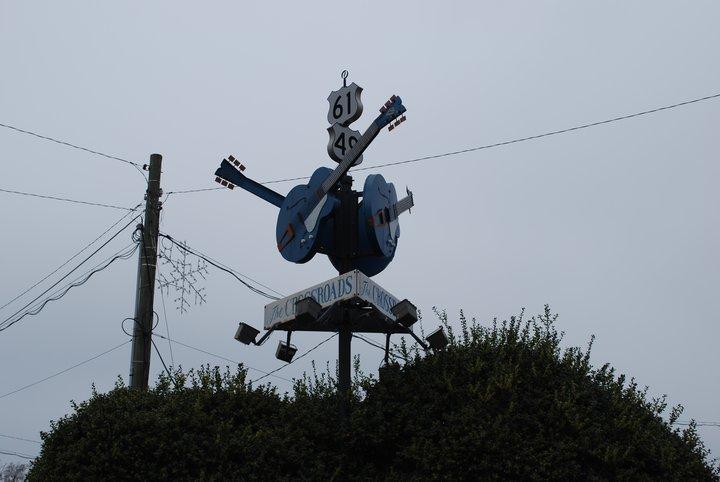
Supernatural themes were common in the blues, but Johnson elevated them. He used the devil not just as a character, but as a psychological weight. The crossroads myth found its lyrical anchor in songs like this. He gave the folklore a voice that sounded terrified and resolute all at once. This connection between his lyrics and the existing legends solidified his status as a figure of myth.
The recording quality of the 1937 session adds to the atmosphere. The hiss and pop of the old discs act like a layer of dust over a crime scene. It makes the listener feel like they are uncovering something forbidden. When Johnson sings about the devil, the sound of the recording itself seems to participate in the ritual. He transformed a simple recording session into a haunting experience.
Many listeners mistake the themes for a literal confession. They assume the songs are a diary of his pact. Johnson was a master storyteller. He knew how to use the tropes of the hungry Delta to grab an audience. He used the devil to amplify the human emotions of loneliness, fear, and betrayal. The "truth" of the crossroads is found in his ability to manipulate these shadows.
The Influence on Muddy Waters and B.B. King
Chicago's electric blues owes its very existence to Johnson's acoustic blueprints. Muddy Waters arrived in the city with a deep reverence for the Delta masters. He studied Johnson's recordings with a meticulous focus. During the 1940s and 1950s, Waters took those acoustic patterns and amplified them through electric guitars and loud amps. He turned Johnson's rhythmic precision into a heavy, distorted force.
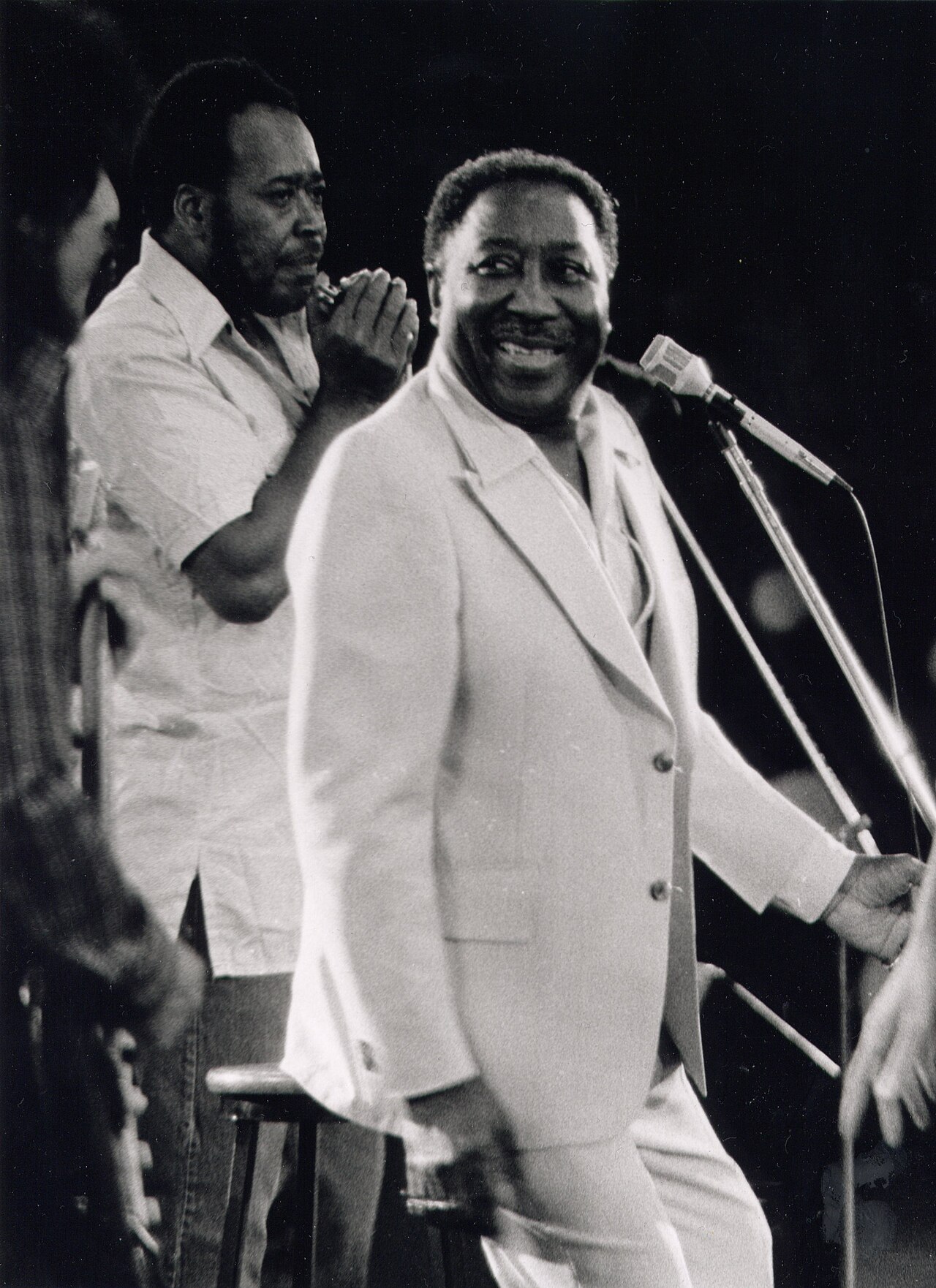
Muddy Waters explicitly cited Johnson as a primary influence on his style. He took the fingerpicking ideas and translated them to the electric guitar. The driving beat of "Cross Road Blues" became the foundation for the Chicago shuffle. Without Johnson's technical groundwork, the electric blues would have lacked its rhythmic backbone. Waters gave the music volume, but Johnson gave it its soul.
B.B. King grew up hearing those same records in his youth. He often recounted how the precision of the guitar work stunned him. King did not just mimic the notes; he studied the phrasing. He learned how Johnson used space and how he used sudden, sharp attacks. The clarity of Johnson's playing influenced King's own approach to single-note soloing and vibrato.
The lineage of the blues is a direct line from Mississippi to Chicago. You can hear Johnson's DNA in every stinging note King played on a Gibson guitar. The way King controlled the tension in a solo traces back to the tension Johnson built in his acoustic tracks. It is a masterclass in how an artist can evolve while remaining tethered to their roots.
This influence extends far beyond the blues genre itself. The rock and roll pioneers of the 1950s and 60s all studied these same 29 songs. The DNA of the Rolling Stones and Led Zeppelin links directly to the Delta. They took the aggression and the rhythmic drive of Johnson and plugged it into high-wattage amplifiers. The legend did not just persist; it mutated into something much larger.
The Final Night in Greenwood, Mississippi
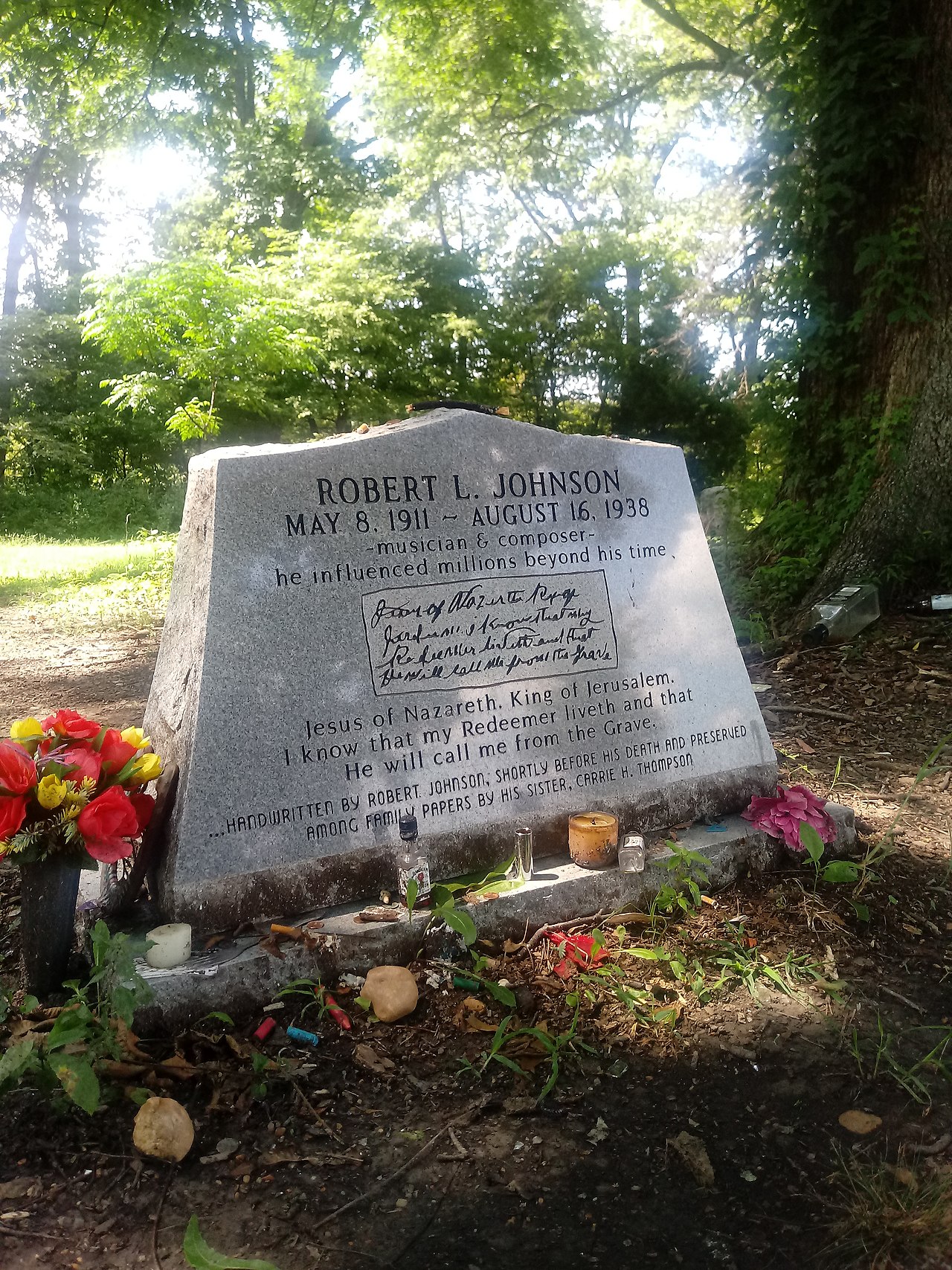
August 16, 1938, marks the end of the man but not the myth. Greenwood, Mississippi, became the site of his sudden departure. There was no dramatic confrontation with a demon at a single crossroads. There was only a sudden, violent illness. The cause of death remains a subject of intense debate among historians and blues enthusiasts.
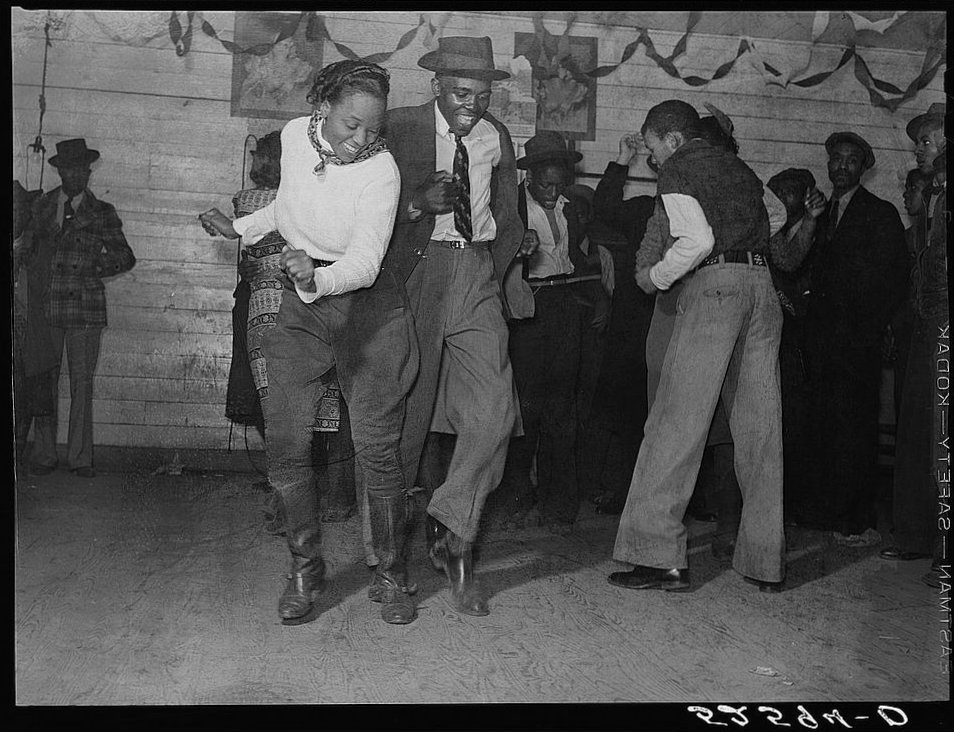
Food poisoning is the most frequent explanation offered by researchers. Some suggest a bad meal at a local establishment caused his collapse. Others point toward a more sinister possibility: strychnine poisoning. The idea of a poisoned drink fits the dark atmosphere surrounding his life. Regardless of the substance, the effect was immediate and fatal.
Johnson died young, leaving behind a legacy that was still in its infancy. He had only recorded his songs a few years prior. He had not had the chance to see the impact his music would have on the world. His death left a vacuum that the folklore rushed to fill. Without a long, documented life to provide context, the mystery of his end became part of the legend.
The physical reality of his death is much grittier than the myth. It involves the harsh realities of life in the Jim Crow South. It involves the suddenness of death in a community where life was often cheap. There was no grand final performance. There was only a quiet, tragic end in a Mississippi town.
Historians continue to hunt for the truth in the archives of Greenwood. They look for coroner reports and local newspaper snippets from 1938. Every piece of evidence they find struggles against the weight of the supernatural stories. The man died of a biological failure, but the legend lives on through a spiritual one. The tragedy of his death is the fuel for the fire of his myth.
The Rebirth of a Legend in the 1960s
The 1961 compilation album King of Truth changed everything. This release reintroduced Johnson's 1930s field recordings to a massive, new audience. The American Folk Music Revival was in full swing. Young, white musicians in London and New York were hungry for authenticity. They found it in the crackle and hiss of Johnson's long-lost recordings.
This era turned the bluesman into a folk hero. The audience did not just hear the music; they embraced the mythology. They loved the idea of the man who met the devil. The 1960s rock audience provided the perfect cultural soil for the crossroads legend to bloom. They saw Johnson as a proto-rock star, a figure of rebellion and mystery.
The music of the 1960s was often loud and experimental. The stripped-back intensity of Johnson's acoustic work offered a profound contrast. It felt primal and honest. Bands like Cream and The Yardbirds leaned heavily into the blues-rock aesthetic that Johnson helped create. They were essentially playing a loud, electrified version of the Delta.
The commercial success of these reissues ensured that Johnson's name would never fade. He became a staple of blues textbooks and music history curricula. The 1960s gave him a second life, one that was much larger than his first. He was no longer just a local musician from Mississippi; he was a global icon of the blues.
We must remember the man behind the myth. The Crossroads Legend is a powerful story, but it often obscures the actual artistry of Robert Johnson. He was a technician, a student, and a hard worker. He used his guitar to navigate a world of immense hardship. His music survives not because of a deal with the devil, but because of the sheer, undeniable brilliance of his playing.