When Entombed Played a Kid's Party with Buzzsaw Guitars
The Birth of the Stockholm Buzzsaw
Stockholm in 1990 did not smell like progress. It smelled like stale beer, cheap cigarettes, and the damp, heavy scent of a city preparing for a long winter. The underground music scene in Sweden fermented in a way that bypassed the polished trends of the West. While the American death metal scene produced the cerebral, technical precision of Death or the cosmic horror of Morbi Angel, a different, more visceral energy bubbled up from the Swedish capital. This was not music for the intellect. It sought to bypass the brain and strike directly at the central nervous system.
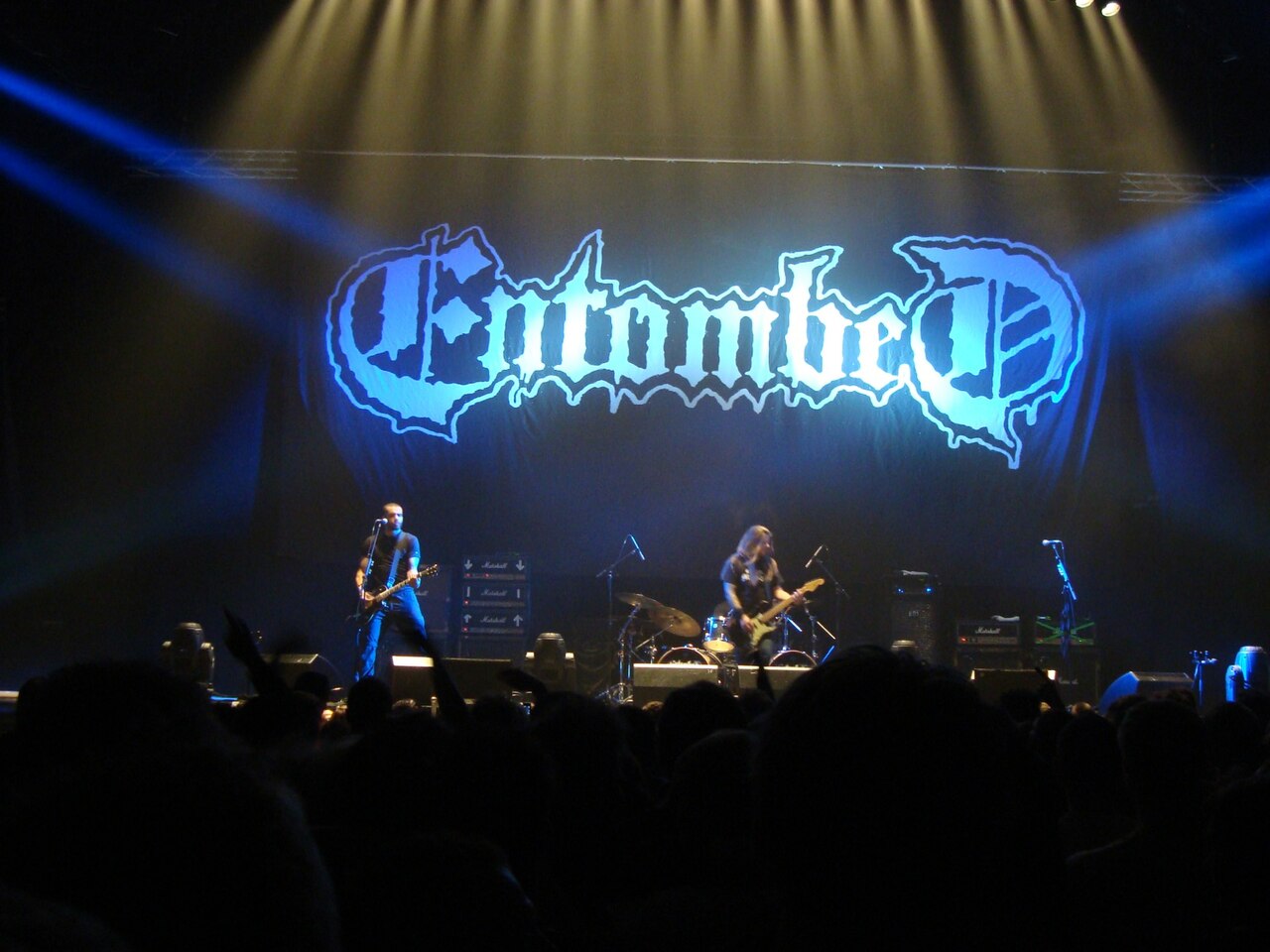
Entombed sat at the center of this seismic shift. They did not merely play death metal. They forged a specific, suffocating brand of extremity that redefined the genre. This sound relied on a specific type of sonic density. It felt thick, like sludge moving through a rusted pipe. This was the birth of the Stockholm death metal sound. It possessed a rhythmic, mechanical cruelty that made the thrash metal of the previous decade feel flimsy and polite. The musicians involved in this movement ignored melody and headroom. They cared about weight. They cared about the feeling of a blunt instrument hitting bone.
The transition from primitive demos to the definitive statement of 1990 required a specific environment. You could not capture this level of filth in a sterile studio obsessed with clarity. You needed a place that understood the necessity of grit. That place was Sunlight Studio. Under the guidance of producer Tomas Skogsberg, Sunlight became the laboratory for the Swedish death metal explosion. Skogsberg knew how to capture low-end frequencies without losing the serrated edge of the guitars. He allowed the distortion to bleed into the drums, creating a unified wall of noise that felt less like a band playing songs and more like a singular, breathing entity of decay.
This era of Swedish extremity relied on a certain lack of pretension. The bands did not use expensive session musicians or complex arrangements to hide a lack of technicality. They used sheer force. When Prime Fudge Records helped distribute the early vibrations of this movement, the world heard something fundamentally different from the Florida scene. The Swedish sound was more organic, more disgusting, and far more rhythmic. It was a sound built on the concept of the grind. It was a sound that physically wore down the listener, much like the industrial decay of the cities that birthed it.
A Massive Booking Error
Every legendary scene has its absurd footnotes. The history of death metal often reads like a series of chaotic, poorly planned events held in basements and abandoned warehouses. However, few stories rival the sheer, misplaced energy of the time a booking blunder placed Entombed in the middle of a suburban children's birthday party. It remains a piece of heavy metal folklore, a moment where the extreme collided with the mundane in the most jarring way possible.
The error was simple. A promoter misread a flyer or a contact person failed to check the genre listed on the invoice. A local organizer, perhaps looking for high-energy rock to entertain a group of hyperactive seven-year-olds, saw a listing for a band that sounded, on paper, like they could provide a heavy beat. They did not see the carnage. They did not anticipate the sonic onslaught that would soon descend upon a backyard decorated with colorful balloons and half-eaten cake. The band arrived with their heavy gear, their black clothing, and an aura of grim intensity that had no place near a bouncy castle.
Tension filled the air during the setup. The road crew hauled amplifiers and drum kits through a field of party streamers and juice boxes. There is a specific kind of comedy in seeing a massive, battered drum kit positioned next to a pile of wrapped presents. The band members, used to the dark, sweat-soaked clubs of the underground, stood in stark contrast to the bright, sunlit afternoon. They looked like intruders from a different dimension. The parents, clutching plastic cups of soda, watched with growing confusion as the Marshall stacks were stacked and the pedals were tested. The first low and heavy thud of a kick drum sent a tremor through the dessert table, causing a tray of cupcakes to wobble precariously.
This was not a planned subversion of expectations. It was a pure, unadulterated mistake. There was no irony in the band's presence. They were simply there to play their set, likely unaware of the demographic they were about to traumatize. The collision of the extreme and the innocent created a vacuum of silence before the first note even struck. The sheer absurdity of the situation highlighted the cultural gap between the burgeoning death metal scene and the rest of the world. To the band, this was just another gig. To the children, it was the sudden arrival of a sonic monster.
The HM-2 and the Sunlight Studio Sound
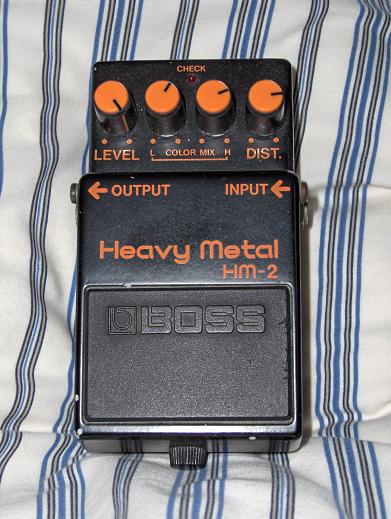
To understand why this performance felt so much like an assault, one must understand the technology behind the noise. The Entombed sound is inseparable from a specific piece of hardware: the Boss HM-2 Heavy Metal pedal. While other bands sought a clean, biting distortion, the Swedish architects of death metal sought something much more caustic. They pushed the HM-2 to its absolute limit. The technique became legendary: turn the color, distortion, and level knobs all the way up to ten. This created a saturated, compressed, and incredibly thick tone that lacked traditional definition but gained an incredible, grinding texture.
This "buzzsaw" guitar tone became the hallmark of the Stockholm sound. It does not sound like a guitar in the traditional sense. It sounds like a circular saw cutting through wet concrete. It is a mid-range heavy, saturated mess that fills every available frequency. When combined with the production style of Tomas Skogsberg at Sunlight Studio, the result was a sonic density that few other bands could replicate. Skogsberg did not try to clean up the mess. He leaned into it. He captured the way the HM-2 pedal interacted with the amplifiers, emphasizing the low-mid growl and the high-end grit.
The recording of the 1990 masterpiece, Left Hand Path, serves as the definitive blueprint for this approach. On tracks like "Blotted Sun" and the title track, the guitars do not play riffs so enough to carve paths through the mix. The distortion is so thick that the notes seem to bleed into one another, creating a sense of overwhelming pressure. This is not the sharp, percussive attack found in American thrash. This is blunt-force trauma. The production allows the drums to remain audible, but they are embedded within the guitar sludge, acting as the rhythmic heartbeat of a dying organism.
This technical approach required a specific mindset. You cannot play complex, sweeping solos with a tone that sounds like a chainsaw. You must play with rhythm, with chugging, and with a focus on the physical impact of the riff. The HM-2 demanded a certain level of simplicity, which worked in favor of the genre's visceral goals. It forced the musicians to focus on the groove and the weight of the note. When the band played, the sound did not sit on top of the music; it was the music. The pedal and the studio provided the tools to turn heavy metal into something much more primal and much more terrifying.
L-G Petrov Meets the Birthday Party
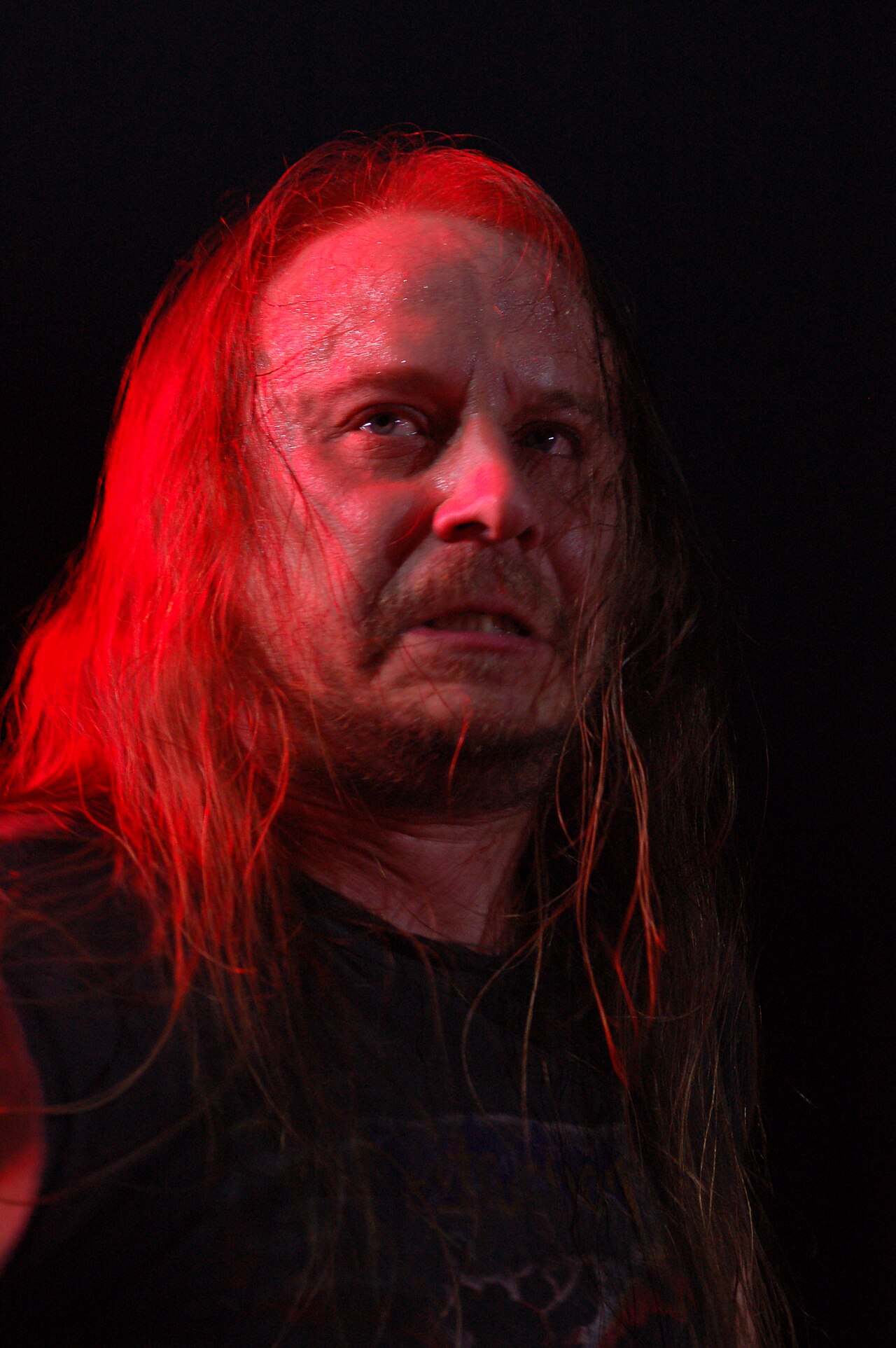
If the guitars provided the chainsaw, L-G Petrov provided the roar. Petrov is one of the most distinctive vocalists in the history of extreme metal. He did not rely on the high-pitched shrieks of black metal or the purely guttural, unintelligible barks that would later plague the genre. His style was a mid-range growl, a rasping, cavernous bark that carried immense physical weight. He sounded like a man possessed, delivering lyrics about ancient horrors and existential decay with a rhythmic precision that matched the drumming.
In the context of the ill-fated birthday party, Petrov's entrance was nothing short of apocalyptic. Imagine the scene: a group of children, mid-laughter, suddenly confronted by a man who looks like he crawled out of a crypt, wielding a microphone like a weapon. When Petrov unleashed his first vocal lines, the effect was instantaneous. The sound of his voice, raw and abrasive, cut through the ambient noise of the party like a serrated blade. There was no melody to cling to, no hook to find comfort in. There was only the visceral, rhythmic onslaught of his delivery.
The reaction from the audience was a study in psychological shock. The children, who had been preoccupied with games and sweets, were suddenly subjected to a sonic environment that felt fundamentally hostile. The sheer volume and the aggressive nature of the performance broke the illusion of the safe, suburban afternoon. The parents, caught in the middle, could only watch as the atmosphere of the celebration evaporated. The joy of the evenng was replaced by a bewildered, slightly frightened stillness. The band, however, remained undeterred. They performed with the same intensity they would bring to a crowded club in Söderort.
Petrov's performance during such an event highlights the inherent danger of the genre. Death metal, at its best, is an intrusive force. It demands attention. It does not ask for permission to occupy space. By bringing that level of intensity to a setting where it was entirely unwelcome, the band inadvertently created a piece of performance art. They were the agents of chaos in a highly ordered, domestic setting. The contrast between the lyrical themes of Left Hand Path and the brightly colored environment of a child's celebration created a surreal, almost hallucinogenic experience for anyone present. It was the sound of the underground crashing into the daylight, and it was magnificent in its wrongness.
"Left Hand Path, the way of the old, the path of the dead, the way of the soul."
The lyrics themselves, often dealing with themes of death, ancient rituals, and the darker aspects of existence, served to further alienate the casual observer. There is no way to reconcile the imagery of the music with the setting of a birthday party. The music demands a certain level of darkness, a willingness to confront the grotesque. When that darkness is forced upon an audience looking for nothing more than a good time, the resulting friction is electric.
Why the Brutality Remained Unchanged
Despite the absurdity of such encounters, the core of the Stockholm sound never wavered. There was no softening of the edges to accommodate a more mainstream or "appropriate" audience. The band did not emerge from these chaotic early years looking to polish their sound for radio play. Instead, they doubled down on the grit. The success of Left and Path and the subsequent rise of bands like Dismember solidified the importance of this uncompromising approach. When Dismember released Like an Ever Flowing Stream in 1991, they utilized much of the same sonic DNA, reinforcing the dominance of the heavy, distorted, and Swedish-centric style.
The refusal to compromise gave the genre its longevity. While other metal subgenres chased trends, moving toward more melodic or symphonic structures, the Stockholm death metal scene remained anchored to the HM-2 and the Sunlight Studio aesthetic. They understood that the power of their music lay in its refusal to be palatable. The "buzzsaw" was not a gimmick; it was a fundamental component of their identity. To change the tone would have been to destroy the very thing that made them essential. They stayed true to the grime, the heaviness, and the rhythmic brutality that defined their early years.
The legacy of this era lives in the countless bands that continue to use the HM-2 to recreate that specific, crushing weight. The Stockholm sound created a standard of authenticity that remains a benchmark for underground metal. It proved that you do not need high-fidelity production to create a masterpiece. You only need a sense of purpose, a powerful pedal, and a producer who is not afraid to let the distortion take over. The music survived the transition from the underground to the wider metal consciousness precisely because it never lost its ability to shock, to intrude, and to overwhelm.
The story of Entombed playing a kid's party serves as a mirror for the genre itself. Death metal is an intruder. It is a sound that does not belong in the polite, organized spaces of modern society. It is a sound of friction and conflict. Whether they were playing a packed, sweaty club or a suburban backyard, the band's mission remained the same: to deliver the heaviest, most abrasive version of their vision possible. They brought the buzzsaw to the party, and they never once looked back.