Why Streaming Royalties Leave Artists Broke
Stockholm's Spotify headquarters sits thousands of miles away from a damp basement studio in Brooklyn. A single stream on an iPhone generates roughly $0.003 to $0.005 in revenue. These microscopic fractions of a cent dictate the fundamental math of the modern music industry. Musicians today trade the physical ownership of a vinyl record for a tiny slice of a digital pie. The math fails anyone without millions of monthly listeners.
A singer-songwriter in 2024 needs hundreds of thousands of plays just to pay for one studio session. You can hear the desperation in the thin, compressed audio of many independent releases. This lack of budget often results in a sound that lacks the warmth of analog tape. Financial pressure forces artists to prioritize quantity over quality. They release singles every month to feed the hungry algorithm.
The industry shifted from selling units to selling access. In the era of CDs, a fan bought a piece of art. Now, a fan pays a monthly subscription fee to access a library. This change fundamentally altered how streaming royalties reach the hands of creators. The money no longer follows the individual listener directly to the artist they love.
The Pro Rata Trap and the Big Three
Universal Music Group, Sony Music Entertainment, and Warner Music Group control the vast majority of the global market share. These three giants hold the keys to the kingdom. They negotiate the massive deals that dictate how much money enters the streaming ecosystem. Most of this revenue flows through a centralized system known as the pro rata model. This model pools every subscription dollar and every cent from ad-supported tiers into one massive bucket.

Spotify and Apple Music then distribute this pool based on total market share. A heavy metal fan's subscription fee does not necessarily go to the metal band they played all morning. Instead, their money helps inflate the numbers for the biggest pop stars on the planet. If Taylor Swift accounts for a massive percentage of total streams, she captures a massive percentage of the entire pool. The system rewards sheer volume rather than individual listener loyalty.
Small artists find themselves trapped in a cycle of invisibility. Their streams face mathematical dilution by the sheer weight of global superstars. The Big Three labels possess the leverage to ensure their catalogs remain at the top of the pile. They use their massive catalogs to negotiate better terms and higher percentages. This leaves the independent sector fighting for the leftovers of a shrinking margin.
The math favors the giants every single time. A million streams for a niche indie folk artist might earn only a few thousand dollars. Meanwhile, a pop titan accumulates billions of streams to secure massive quarterly earnings. The gap between the top 1% and everyone else continues to widen. The pro rata system functions as a wealth concentrator for the industry elite.
The Great Taylor Swift Stand
July 2014 changed the power dynamics of the digital era. Taylor Swift pulled her entire catalog from Spotify in a move that shocked the industry. She wanted to protect the value of her music from the devaluing effects of free streaming. This was not just a dispute over cents. It was a declaration of war against the idea that music should be treated as a disposable commodity.
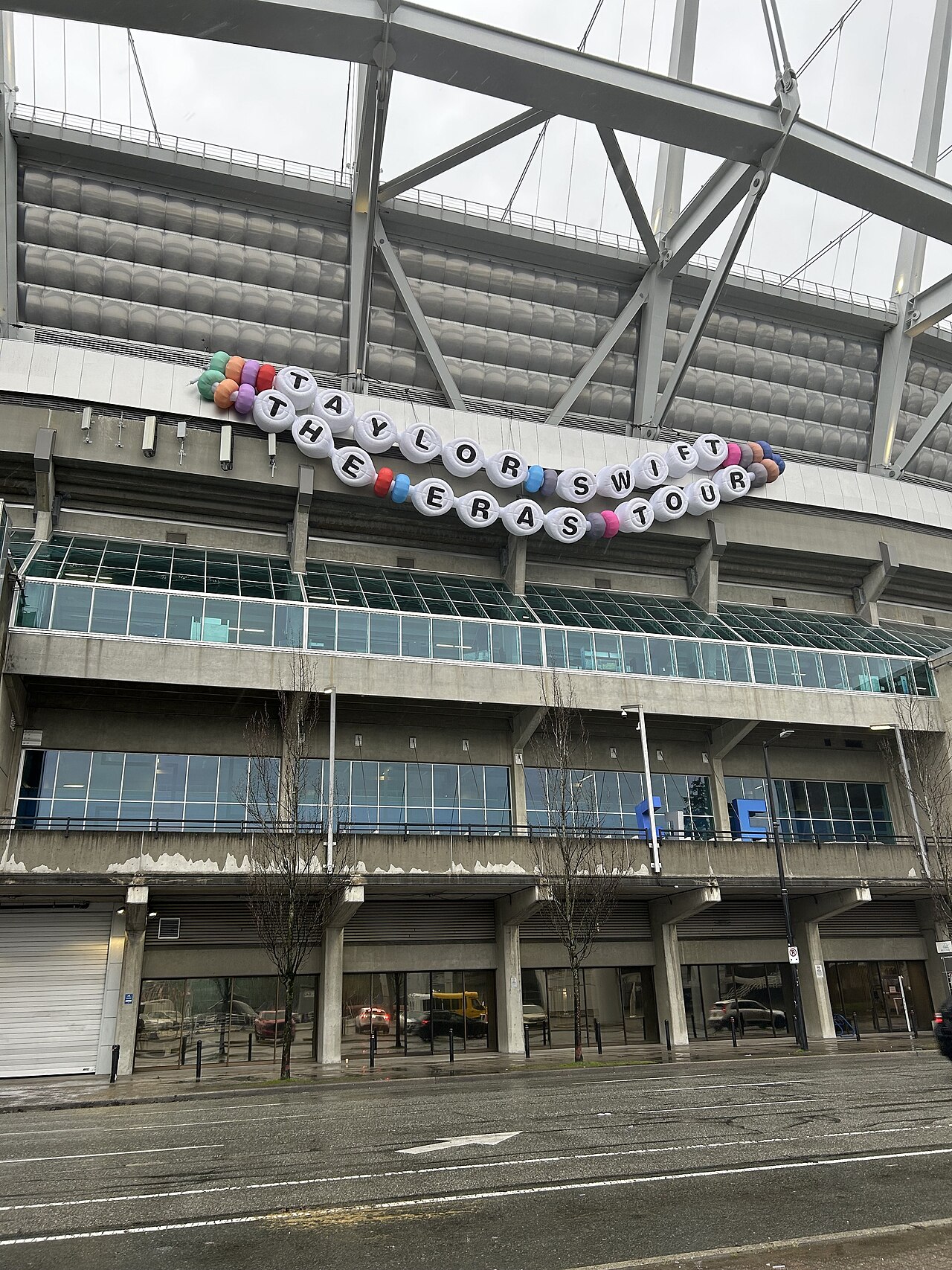
Swift recognized that the platform model threatened the long-term health of the artist. She understood that if fans stopped paying for albums, the incentive to create would vanish. Her move highlighted the massive leverage held by superstars compared to the vulnerability of the working class. She could afford to lose millions in potential revenue to make a political point. Most artists would starve within a month of such a decision.
"The streaming era is a double-edged sword. It gives you access to everyone, but it also turns your art into background noise."
The tension between superstar leverage and independent reality remains unresolved. Swift's return to the platform happened on her massive terms with better financial considerations. Independent artists cannot use the same tactic because they lack the hit-driven momentum to survive a blackout. They remain beholden to the platforms that host their work. This creates a two-tier class system in the music economy.
The 2023 negotiations between Universal Music Group and Spotify further illustrated this struggle. UMG expressed deep concerns regarding how AI-generated content might dilute the royalty pool. They feared that a flood of synthetic tracks would siphon money away from human creators. This fight shows that the battle for value has moved into the digital frontier. The industry is fighting to protect the very definition of a human artist.
The Rise of Fake Artists and Mood Music
Playlists like "Lo-Fi Beats to Study To" or "Deep Sleep" dominate the streaming charts. These playlists often feature tracks from artists you have never heard of. Many of these performers are "fake artists" created or curated by major labels. They use generic, unbranded names to capture passive listening revenue. These tracks do not require a tour or a brand. They only require a loop that fits a specific mood.
The production on these tracks often feels hollow and repetitive. You might hear a muffled Rhodes piano or a dusty, crackling drum loop. The goal is not to impress the listener with a complex arrangement. The goal is to provide a non-intrusive sonic wallpaper that stays in the background. This approach maximizes stream counts without the need for any real marketing spend. It is the ultimate exploitation of the pro rata system.
Labels use these generic identities to bypass the need for artist development. They can flood a "Chill Study" playlist with dozens of tracks under various pseudonyms. Each stream contributes to the total pool, further diluting the earnings of legitimate, active artists. This creates a parasitic relationship between mood-based content and intentional artistry. The algorithm rewards the low-stakes, the unbranded, and the easy to digest.
The economic incentive for "mood music" is too high to ignore. It costs almost nothing to produce a single, loop-based track. It requires no music video, no social media presence, and no touring. In a world where $0.003 per stream is the standard, efficiency is everything. The industry is moving toward a model of mass-produced, functional audio. This shift threatens the very concept of the artist as a cultural figure.
The Fight for a User-Centric Future
SoundCloud introduced a different approach in 2016. They implemented a "user-centric" payment model to fix the flaws of the pro rata system. Under this model, your subscription fee follows your specific listening habits. If you only listen to underground techno, your money goes to techno producers. This removes the accidental subsidy of pop superstars by indie listeners.
The concept is simple and fundamentally fair. It treats the subscriber as a patron of specific artists. This model rewards the "superfans" who drive engagement within niche genres.
It prevents the massive dilution that happens in the centralized pool. However, widespread adoption remains a massive hurdle for the industry giants. Spotify and Apple Music have no incentive to move away from the proserata system. The current system benefits the largest players and the largest labels.
Implementing user-centric royalties requires complex new accounting infrastructures. It changes how every cent is tracked and distributed across millions of users. The technical overhead is a significant barrier to entry for the major platforms. Many engineers argue that the complexity outweighs the immediate financial benefits. This keeps the status quo firmly in place despite the obvious advantages for smaller creators.
The debate over payment models is a debate over the soul of the industry. Do we want a system that rewards mass popularity? Or do we want a system that rewards deep, individual connection? The user-centric model offers a path toward a more sustainable ecosystem. It allows for the survival of the fringe and the underground. Without this shift, the middle class of musicians will continue to disappear.
The Split Between Master and Publishing
Every song consists of two distinct pieces of intellectual property. The "master" is the specific sound recording itself. The "publishing" is the underlying composition, including the melody and lyrics. When a stream occurs, the incoming pennies are split between these two sides. This fractional division creates a complex web of royalty streams. A single stream must pay the performer, the producer, and the songwriter.
The United States established the Mechanical Licensing Collective (MLC) in 2018. This was a result of the Music Modernization Act. The MLC manages digital mechanical royalties for songwriters to ensure they get paid. Before this, tracking down every micro-payment for every songwriter was a nightmare. Now, there is a centralized system to handle these specific digital rights. It represents a small victory for the people who actually write the songs.
Despite the MLC, the financial split remains heavily skewed toward the master side. Record labels often hold the rights to the master recordings in perpetuity. They collect the lion's share of the streaming revenue from the recording itself. Songwriters struggle to capture a meaningful portion of the total pie. They rely on publishing administrators and complex royalty collection societies to find their money. The administrative friction eats away at the already tiny margins.
This structural imbalance creates a precarious situation for the creative core of the industry. A songwriter might write a hit that generates millions of streams. They might still struggle to pay their rent while the label profits. The gap between the recording owner and the song creator is widening. This tension defines the modern struggle for copyright equity.
The Algorithmic Death of Artistic Substance
David Crosby spoke about this reality during a 2021 interview with NPR. He criticized the streaming era for devaluing the artistic substance of music. He noted that the industry now favors low-stakes, background tracks. These songs are designed to be easily ignored. They do not challenge the listener or demand their full attention. They are simply "content" meant to fill the silence of a playlist.
The algorithm acts as a new, unfeeling editor. It prefers tracks that do not cause a user to skip. A sudden tempo change or a jarring lyric might trigger a skip. This behavior tells the algorithm the track is not engaging. Consequently, artists produce music that is smooth, predictable, and bland. The sonic texture of popular music is becoming increasingly homogenized and safe.
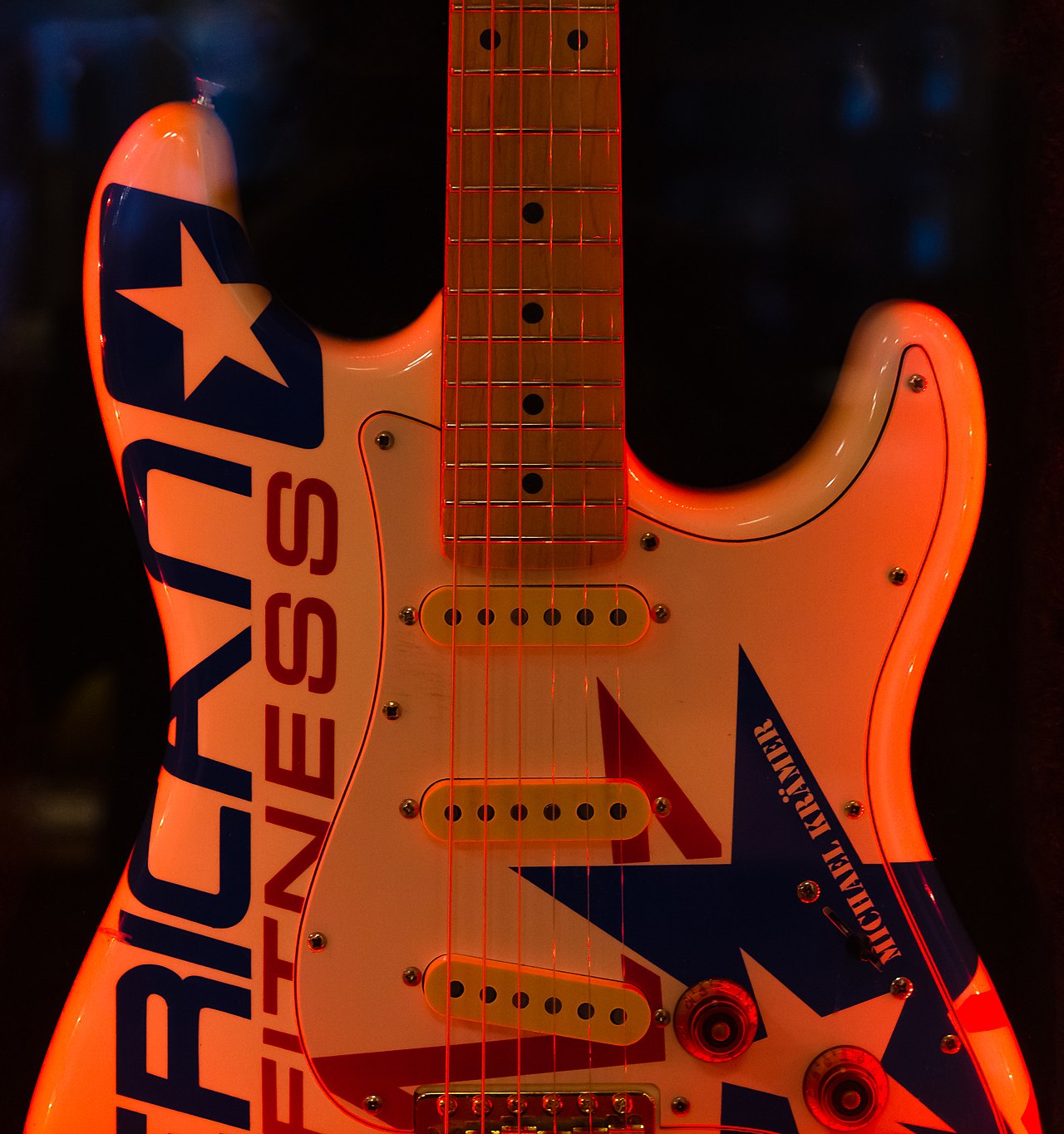
The physical sensation of great music is being lost to the convenience of the stream. We used to hear guitars that buzzed like a hornet trapped in a tin can. We heard drums that hit like a fist to the chest. Now, we hear compressed, smoothed-over frequencies designed to fit into any environment. The lack of dynamic range in many streaming hits is a direct result of this sonic flattening. The art is being sanded down to fit the digital container.
The future of music depends on our ability to value substance over convenience. If we only reward the background noise, we will eventually run out of real music. The industry cannot survive on a diet of infinite, generic loops. We need the friction, the mistakes, and the raw emotion of human performance. The era of the artist must outlast the era of the algorithm.