Why Sync Licensing Is the Only Way Indie Artists Survive
London, November 2014, felt like a funeral for the physical CD. Record stores across the UK shuttered their doors as the digital tide pulled everything into the ocean of the cloud. This shift changed the math of being a musician forever. The decline of physical sales coincided with the explosion of Spotify, a platform that fundamentally re-wired how we value a song. Streaming services pay roughly $0.003 to $0.005 per stream, a figure that makes a career out of digital plays nearly impossible. You cannot pay rent with fractions of a cent.
Independent musicians found themselves trapped in a numbers game they could never win. To earn a living wage, an artist needs millions of plays every single month. This reality forced a desperate pivot toward sync licensing for independent artists. If the stream provides the crumbs, the sync placement provides the feast. Music stopped being just a commodity for ears and became a tool for eyes. The screen became the new radio, and the placement became the new platinum record.
The industry moved away from the idea of a touring musician selling albums. We saw the rise of the composer-as-entrepreneur. Suddenly, a song's value lay in its ability to underscore a car commercial or a dramatic montage. This shift required a new kind of survival instinct. Musicians had to think like advertisers. They had to think about how a Fender Telecaster riff might drive a brand's message home.
The Spotify Math Problem
Spotify dominates the ears of the modern listener. Its interface is sleek, but its payout structure is brutal. A million streams might sound like a massive achievement for a bedroom producer in Brooklyn. In reality, that million-stream milestone generates only about $3,000 to $5,000 in revenue. This amount barely covers the cost of studio time, mixing, and mastering for a high-end production. The math simply fails the artist.

The 2019 announcement by ASCAP highlighted this growing gap in the digital era. While global streaming royalties showed a rise in total volume, mechanical royalties for songwriters remained stagnant or even declined. The money flowed toward the platforms and the massive catalogs, leaving the individual creator in the dust. You see the sheer volume of content being uploaded to Spotify every day. Every minute, dozens of new tracks enter the ecosystem, diluting the pool of attention and money.
Artists cannot rely on the steady drip of streaming revenue to fund a tour or a new LP. The streaming model functions as a loss leader for the major labels. It keeps the listener engaged and the data flowing. For the indie artist, it serves as a discovery tool rather than a bank account. You use the stream to build the brand, but you use the sync licensing for independent artists to pay the bills.
The economic pressure creates a culture of anxiety. Musicians often feel they are running on a treadmill that only speeds up. You release a great track, it gets a few thousand plays, and the bank account stays empty. This frustration drives the search for secondary revenue streams. The hunt for a placement becomes as important as the hunt for a hit melody. It is a shift from seeking fame to seeking utility.
The Rise of the Sync Agency
Grind emerged in 2010 with a specific mission. This agency began helping independent artists, particularly those on the XL Recordings roster, find their way into high-profile television advertisements and Netflix originals. They recognized that the gap between a great song and a television director was too wide for most artists to bridge alone. The agency acted as a translator between the creative chaos of the studio and the rigid requirements of the advertising agency.
Musicbed changed the landscape for filmmakers around 2010. This platform provided high-quality, pre-cleared music for content creators who needed professional sound without the legal headache. It democratized access to great music. A YouTuber in a garage could now access the same sonic quality as a high-budget documentary filmmaker. This created a massive, decentralized demand for new music that bypassed traditional gatekeepers.
The agency model provides more than just connections. It offers the legal infrastructure necessary for a brand to use a song without fear. A major corporation will not touch a track if the rights are messy or the ownership is unclear. Agencies ensure that every master and publishing right is accounted for. This professionalization of the indie sector allowed artists to compete with the heavy hitters.
Success in this space requires more than just talent. It requires a specific type of business acumen. Artists began hiring managers who understood the nuances of publishing law. They learned that a single placement in a Nike campaign could outweigh a decade of touring. The agency era turned the musician into a rights holder. It turned the song into an efficient asset that could be deployed in multiple markets simultaneously.
The Netflix Effect and Catalog Resurrection
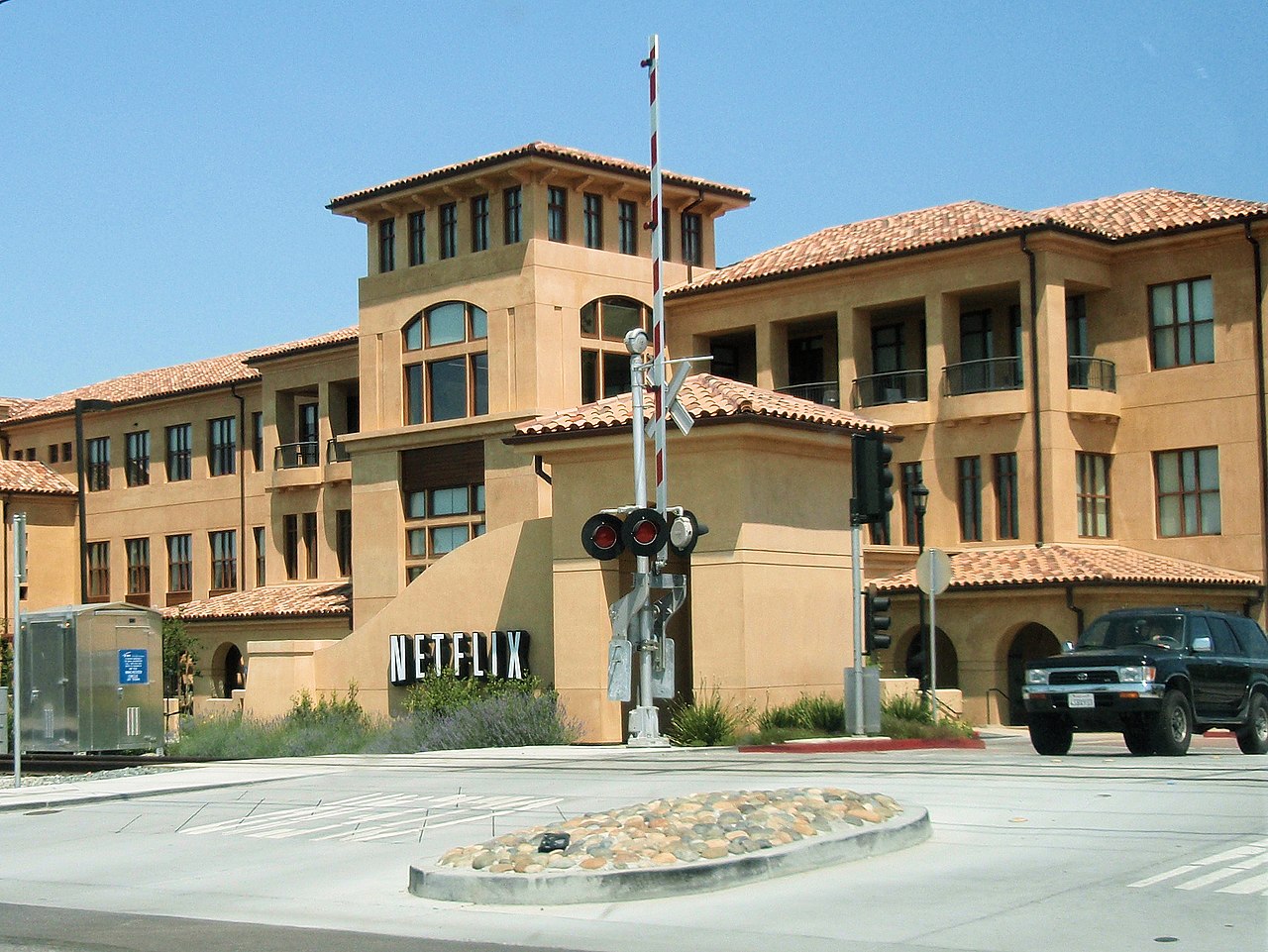
Netflix redefined the power of the soundtrack in 2016. The release of Stranger Things sent shockwaves through the music industry. When the show featured Kate Bush's "Running Up That Hill" from 1985, it demonstrated the terrifying power of sync. The track did not just reappear on the charts; it exploded back into the cultural consciousness. This was not a gradual rise. It was a sudden, violent resurgence of catalog revenue that occurred almost overnight.
"Running up that hill, running from it, running towards it."
This phenomenon proved that a well-placed song can bypass the decay of time. The "Netflix Effect" creates a massive spike in Shazam searches and artist discovery. When a character in a show like Euphoria (2019) listens to an indie-pop track, the audience immediately reaches for their phones. This creates a feedback loop between the television screen and the streaming platform. The show drives the Shazam, the Shazam drives the Spotify playlist, enough to drive the royalties.
The impact on indie soundtracks is profound. Producers now curate tracks specifically for the emotional beats of a series. They look for songs that can trigger a sudden surge in listeners. This curation turns a TV show into a high-performance discovery engine. It allows an artist who has been in obscurity for years to suddenly find themselves at the top of the global charts. The screen acts as a catalyst for a second life.
Catalog resurrection provides a safety net for the industry. It makes old songs valuable again. For owners of publishing rights, this is the holy grail. A single moment of television magic can revitalize a decades-old asset. It turns the past into a source of present-day liquidity. The industry stopped looking only at what was new and started looking at what was forgotten.
The Creator Economy and Micro-Sync
TikTok and YouTube changed the scale of music usage in 2020 content creation. The 2021 surge in the "creator economy" demand brought about a massive spike in micro-sync licensing needs. Individual influencers now drive the trends that the major labels once controlled. A fifteen-second clip with a catchy bassline can become a global phenomenon. This requires a massive volume of short-form music usage.

This micro-sync era demands accessibility. A YouTuber needs to use a track without waiting weeks for legal clearance. The rise of platforms that offer easy, one-click licensing has been essential here. The sheer number of creators using music in short-form video is staggering. They are the new broadcasters, and their soundtracks are the new radio hits. This has created a constant, high-frequency demand for new, energetic sounds.
The demand is not just for melody, but for vibe. Creators look for music that complements a specific visual aesthetic. A lo-fi beat for a study vlog or a heavy, distorted bassline for a fitness montage. The music must serve the video. This has fundamentally altered how songs are structured. The hook is no longer just a melodic phrase; it is a sonic moment that fits a specific visual loop.
This economy thrives on volume. While a single TikTok placement might not pay the same as a Super Bowl ad, the sheer number of micro-syncs adds up. It creates a new layer of revenue that exists beneath the traditional sync layers. It is a democratic, albeit chaotic, way for music to find its audience. The creator economy has turned every smartphone into a potential distribution hub.
Engineering the Sync-Ready Track
Abbey Road Studios engineers began discussing "sync-ready" compositions during 2012 masterclass trends. This was not about changing the soul of the music. It was about technical precision. A sync-ready track needs clean intros. It cannot start with a sudden, ear-splitting drum hit that ruins a director's edit. The song needs a clear emotional arc that a person can follow through a two-minute commercial.
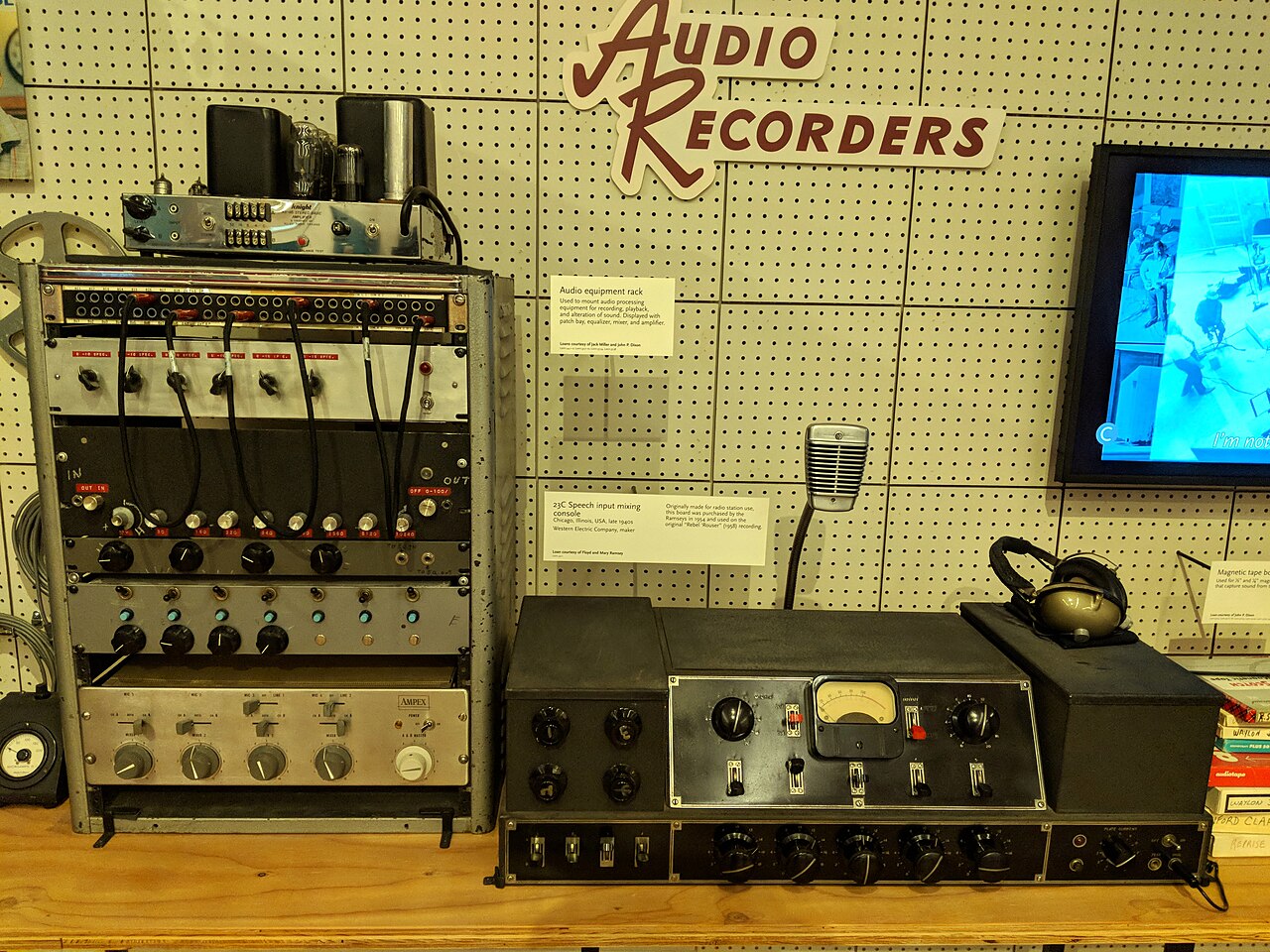
Producers now focus on the "editability" of a song. They leave space in the arrangement for voiceovers. They ensure there are no sudden volume shifts that would frustrate a sound editor. A track with a Moog synthesizer drone and a steady, driving beat is much easier to place than a complex, prog-rock epic. The music must be flexible. It must be able to expand or contract to fit the needs of the visual media.
The sonic texture matters immensely. A bass that hits like a fist to the chest provides the impact needed for an action sequence. A guitar that buzzes like a hornet trapped in a tin can provides the grit for a gritty drama. Engineers think about how these frequencies will translate through smartphone speakers and high-end home theaters. The mix must be robust across all playback devices.
Compositional clarity is the new standard. The melody must be unmistakable. If the listener cannot hum the theme after hearing it once in a thirty-second ad, the song has failed. This is not about stripping away complexity. It is about ensuring the emotional core of the song is never lost in the mix. The music must be a clear, unobstructed path for the story being told on screen.
The Two-Part Payday: Fees and Royalties
Understanding the money requires distinguishing between two separate payments. The synchronization fee is the upfront payment for the right to use the song. This is the check the artist receives the moment the contract is signed. It covers the use of the master recording and the underlying composition. For a high-profile campaign, this fee can be large enough to fund an entire year of an artist's career.
The performance royalty is the second, more enduring piece of the puzzle. This is the backend money collected by Performance Rights Organizations like BMI or ASCAP. When a show airs on television or a commercial plays on a network, the broadcaster must pay a fee to the PROs. These royalties are distributed to the songwriters and publishers based on the frequency and scale of the broadcasts. This is the money that accumulates over years of repeats and syndication.
Fitz and the Tantrums illustrated this power with "HandClap." Their use in various commercial campaigns drove millions of organic streams on Spotify and Apple Music. The initial sync fee provided immediate capital. However, the subsequent performance royalties and the massive spike in streaming revenue created a sustained financial windfall. One high-profile placement acted as a multiplier for every other revenue stream the artist possessed.
The financial structure of sync is a dual engine. The sync fee provides the immediate liquidity needed for production and touring. The performance royalty provides the long-term stability that streaming cannot offer. When an artist masters both, they are no longer just a musician. They are a business owner managing a diversified portfolio of intellectual property. The music is the product, but the rights are the real wealth.
The era of the starving artist is ending, replaced by the era of the strategic creator. Survival in the modern age requires more than just a great song. It requires an understanding of how that song functions within the larger machinery of media and advertising. The screen is no longer an obstacle to music; it is the most powerful amplifier ever created.