Why the Liverpool Sound Died in 1976
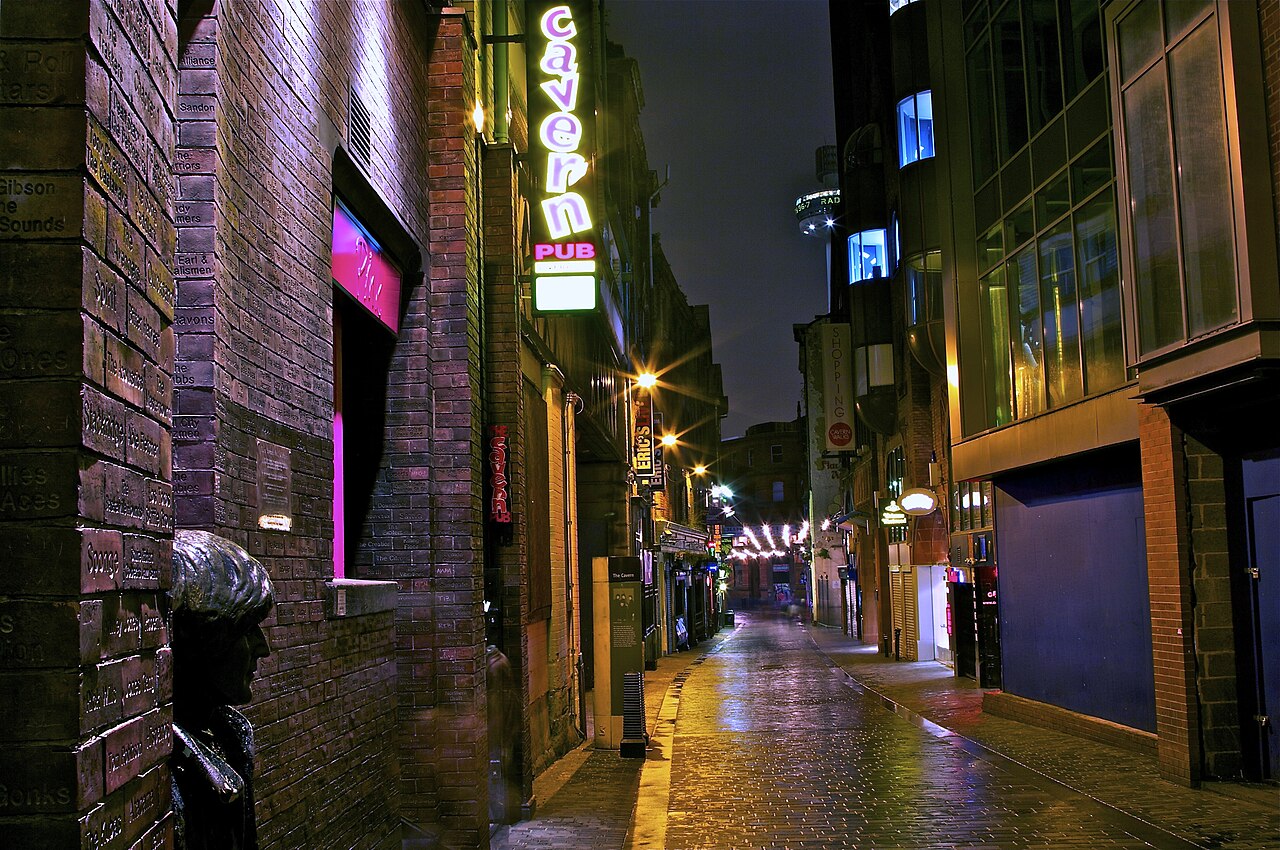
February 29, 1973, brought a damp, heavy chill to Mathew Street. The Cavern Club, that subterranean basement where the Merseybeat era drew its breath, closed its doors for the final time. This closure killed more than a local business. It stopped the city's heart. The thick, damp air that once carried the sweat and electric hum of local bands vanished. Without that physical epicenter, the Liverpool Sound lost its gravity.
Musicians lost their laboratory when the basement space disappeared. The Cavern provided a pressure cooker where young players failed, experimented, and refined their craft. When the club moved to a different location, it lost the magic of its original, cramped geography. The intimacy of that dark, low-ceilinged room vanished. This vacancy left the city's musical identity adrift.
Local bands lost their shared altar. The transition from a dedicated, communal space to a fragmented scene caused the communal energy of the early 1960s to dissipate. You could feel the walls closing in on the city's creativity. The very foundation of the Merseybeat era started to crumble. The loss of the physical space signaled a broader, more permanent dissolution of the local musical unity.
The Death of the Cavern Club and the Liverpool Sound
Mathew Street held the ghosts of a thousand performances. Every corner of that basement echoed with the R&B rhythms of the early 60s. When the doors shut in 1973, the connection to the city's musical roots severed. The sudden lack of a central hub meant that new talent lacked a way to coalesce. Without the Cavern, the Liverpool Sound became a memory rather than a living, breathing movement.
The Casbah Coffee Club also faced a slow, painful decline. This venue served as the original incubator for local talent long before the Cavern gained global fame. The mid-1970s economic recession hit the Merseyside docks with brutal force. As the docks stagnated, the working-class youth culture that fueled the 1962-1966 boom began to evaporate. Economic hardship drained the lifeblood from the streets of Liverpool.
Young musicians could no longer afford the time or the energy to congregate. The recession stripped away the surplus of creative energy that had once defined the city. Money was tight in the North West. When the docks struggled, the cultural output of the surrounding neighborhoods suffered a direct blow. The loss of economic stability meant the loss of the very people who made the music happen.
The local scene lost its grit. The raw, hungry energy of the early years required a certain level of social cohesion. As the recession deepened, the communal spirit of the Casbah faded. The street-level connection between the music and the docks dissolved. Liverpool was no longer a city of constant, rhythmic motion.
The End of the Beatles' Unified Legacy
February 1975 saw Paul McCartney release Venus and Mars via EMI. This album represented the final major studio output from the original Beatles lineup's era of influence. While the band had been broken for years, the release felt like a heavy punctuation mark on a finished chapter. The era of unified, transformative songwriting had officially yielded to a single period of solo fragmentation. The shared vision of the Fab Four was gone.
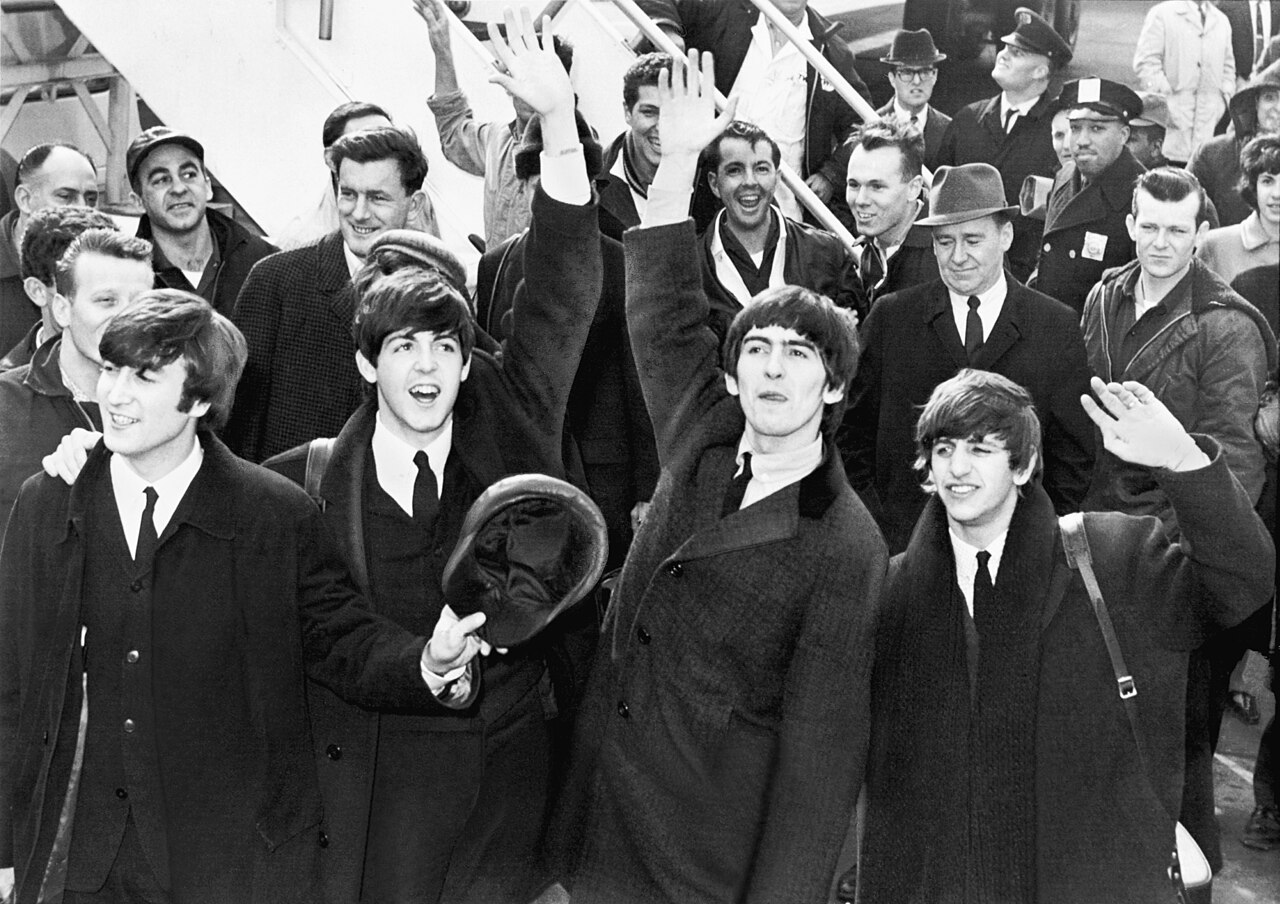
The Beatles provided a singular, North West identity to the entire world. Their music felt like it grew from the same soil. Once the members moved into their individual orbits, that singular identity splintered. Each musician chased his own particular shadow. The unified front that had once conquered the charts became a collection of disparate, competing legacies.
The sheer scale of their impact made the transition difficult. No solo project could replicate the collective friction of Lennon and McCartney working in tandem. The shift toward solo dominance meant the end of a specific kind of collaborative magic. The music became more personal, but it also became more isolated. The global spotlight no longer centered on a single, cohesive Liverpool unit.
"I don't think I've ever been a person who's been able to stand still. I've always been looking for the next thing." - Paul McCartney
The fragmentation of the band's legacy mirrored the fragmentation of the city's musical focus. As the members drifted apart, so did the influence of their home city. The Beatles' shadow was enormous, but it was a shadow cast by a single, massive object. Once that object broke into pieces, the shadow became diffuse and difficult to trace. The era of a singular, powerhouse Liverpool influence ended.
The Rise of Studio Polished Soft Rock
Gerry Rafferty released Native Dancer in 1976, produced by Alan Parsons at Abbey Road Studios. This record signaled a massive shift in the UK's musical direction. The production felt expensive, smooth, and undeniably polished. It replaced the raw, guitar-driven energy of the early 60s Liverpool beat with a sophisticated, studio-driven soft rock. The grit was gone, replaced by a high-gloss finish.
Alan Parsons brought a specific, technical precision to the recordings. His work at Abbey Road utilized the latest studio advancements to create a lush, layered sound. This wasn't the garage-recorded spontaneity of the Merseybeat days. This was music designed for the high-fidelity systems of a new, more affluent era. The sound was beautiful, but it lacked the visceral punch of a live band in a basement.
The textures of Native Dancer felt controlled and engineered. Every frequency sat perfectly in its place. The drums didn't boom; they clicked with precision. This level of perfectionism made the older, more ragged Liverpool records sound primitive. The industry moved toward a standard of excellence that prioritized studio craftsmanship over raw performance. The sound smoothed out.
This shift left little room for the unpolished. The new era of soft rock demanded a certain level of sonic cleanliness. The fuzz and feedback that characterized the early Liverpool sound were now viewed as flaws. Listeners craved smoothness. The musical world traded its edge for a more comfortable, aerodynamic sheen.
The Bay City Rollers also dominated the charts in 1976. Their success represented a move toward manufactured, teen-oriented pop. This music lacked the gritty, R&B-infused authenticity found in early Merseybeat records on labels like Parlophone or Ric-Ola. It was bright, sugary, and largely devoid of the bluesy roots that had anchored Liverpool's early hits. The pop machine now churned out disposable, highly polished products.
The Manchester Shift and the Lesser Free Trade Hall
June 4, 1976, changed everything for the North West. The Sex Pistols performed at the Lesser Free Trade Hall in Manchester. This single night acted as the catalyst for the Manchester explosion. It effectively shifted the region's musical gravity away from Liverpool. The eyes of the underground no no longer fixed on the Mersey; they looked toward the Irwell.
The performance felt like a sudden, violent rupture. The energy in the room differed from anything the Liverpool scene had experienced. It wasn't about melody or shared R&B roots. It was about confrontation and nihilism. The Manchester crowd embraced a new, aggressive aesthetic. They saw a future that didn't rely on the legacy of the 1960s.
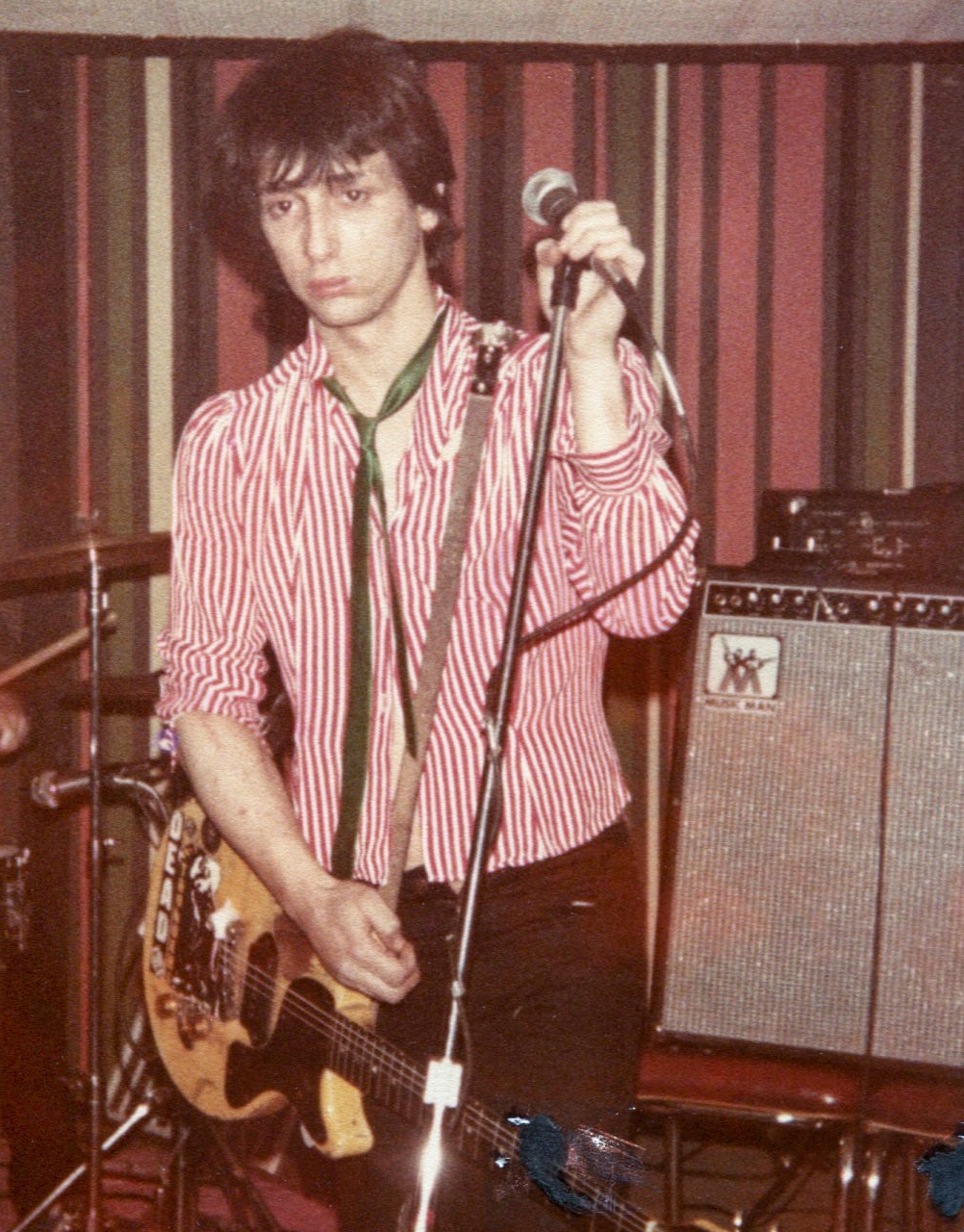
The influence of Johnny Thunders and the Heartbreakers began infiltrating the UK underground during this same year. Their style provided a template for punk that prioritized a certain level of wreckage. This wasn't the melodic songwriting tradition established by Lennon and McCartney. It was a much more destructive approach to music. The blueprint for the new era rested on brokenness.
Manchester became the new laboratory for this new, jagged sound. The city's industrial character provided a perfect backdrop for the burgeoning punk movement. Liverpool, meanwhile, felt increasingly like a museum of a bygone era. The energy had moved. The North West's creative center relocated to a different city with a different, much more aggressive, attitude.
The shift was permanent. You could not pull the focus back to Liverpool once Manchester had claimed the mantle of the avant-garde. The musical importance of the region redistributed itself. The old guard in Liverpool stood staring at a horizon that no longer included them. The era of the Liverpool Sound ended.
The Death of the Working Class Liverpool Beat
Billy Fury saw his chart relevance fade as the 1970s progressed. A key figure in the 1960s Merseybeat scene, his decline mirrored the larger decline of the genre. The UK music press, led by NME and Melody Maker, pivoted their focus toward the aggressive aesthetics of the burgeoning punk movement. The old, romanticized rock and roll of the early 60s suddenly became unfashionable. Critics viewed it as dated and obsolete.
The music press held immense power in 1976. If NME decided a sound was dead, it was effectively dead. The journalists searched for the next shock to the much needed system. They grew bored with the polished pop and the lingering echoes of the Merseybeat era. They wanted something that bit back. This shift in editorial focus left the older Liverpool legends without a platform.
The economic reality of Liverpool also played a role. The city's working-class identity linked itself to its musical output. As the docks declined, the social fabric that supported the music also frayed. The loss of the youth culture's economic and social foundation devastated the scene. You cannot have a music scene without a stable, engaged community to sustain it.
The music became less about the community and more about the individual. The communal, R&B-driven sounds of the early 60s required a certain type of social cohesion. As the economic tides turned, that cohesion vanished. The Liverpool Sound produced itself from a specific, localized, and highly interconnected social environment. When that environment changed, the music died with it.
From Johnny Thunders to Martin Hannett
Around 1976, producer Martin Hannett began his intensive work at Strawberry Studios in Stockport. He developed a cold, atmospheric production style. This sound favored industrial textures over the bright, treble-heavy arrangements of 1960s Liverpool pop. Hannett's work departed completely from the warmth of the Merseybeat era. He embraced the starkness of the post-industrial North.
The sound of Hannett's productions often felt sparse and haunting. He used space as an instrument. This wasn't the crowded, energetic wall of sound found on early Beatles or Gerry and the Pacemakers records. It was a sound that felt lonely and mechanical. It reflected the grey, concrete reality of the mid-70s North West. The music felt like it emerged from an abandoned factory.
The transition from the Johnny Thunders-inspired punk energy to Hannett's atmospheric textures completed the transformation. The raw, blues-based rock yielded to something much more experimental and detached. The focus shifted from the melody to the texture. The focus shifted from the song to the sonic environment. The musical identity of the region rebuilt itself entirely.
The Liverpool Sound died because its fundamental components disappeared. The physical venues were gone. The economic foundation crumbled. The musical icons fragmented. The new, aggressive, and highly produced sounds of the late 70s left no room for the old, melodic, and communal spirit of the Merseybeat era. The arrival of a much colder, much harder world ended the era of the Liverpool Sound.